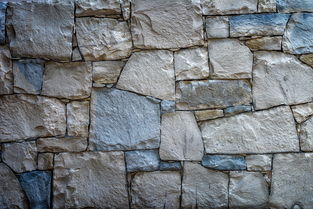
The Art of Crafting Artificial Stone Countertops: A Detailed Processing Guide
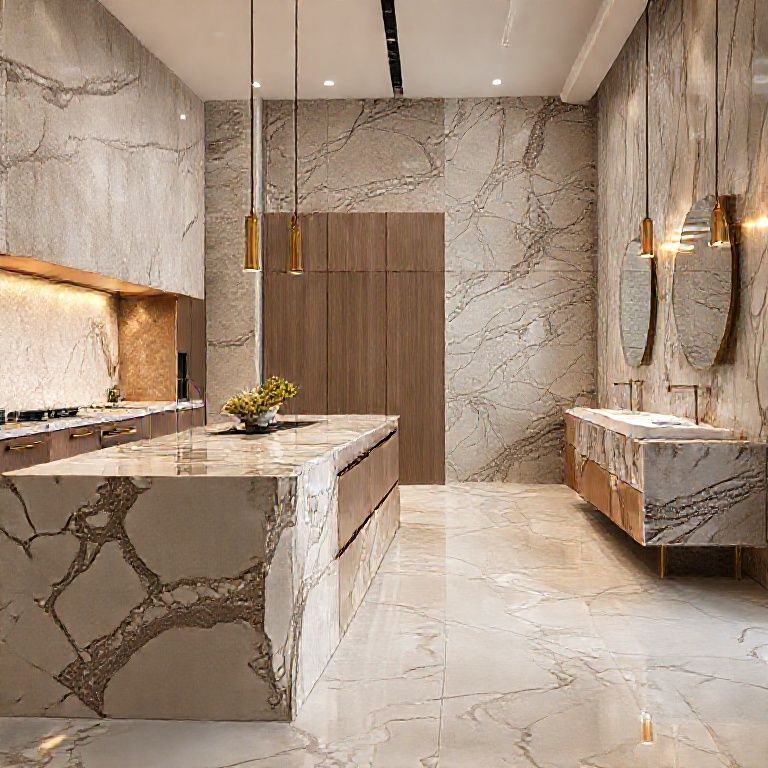
Artificial stone countertops have revolutionized modern kitchen and bathroom design, offering a blend of natural aesthetics and superior durability. These counter surfaces are not just visually appealing but also highly functional, making them an excellent choice for both residential and commercial spaces. To appreciate the sophistication behind these creations, it’s essential to understand the detailed processing guide that transforms raw materials into these stunning countertops.
Material Selection and Preparation
The journey begins with the careful selection of raw materials. Unlike natural stone, artificial stone is made from a blend of natural stone powders and polymers. High-quality granite, quartz, and marble powders are the primary ingredients, combined with a polymer binder that provides the necessary strength and flexibility. The choice of materials directly impacts the final appearance and durability of the countertop.
Once the raw materials are selected, they are meticulously prepared. This involves precise grinding and sieving to ensure uniformity in particle size, which is crucial for achieving a consistent texture and color throughout the final product. The powders are then thoroughly mixed in a controlled environment to maintain the integrity of the materials and avoid contamination.
Molding and Initial Curing
With the raw materials ready, the next step is the molding process. Artificial stone counters are typically formed using a vacuum-assisted technique. A mold, designed to the exact dimensions required for the countertop, is used to shape the mixture. The vacuum process ensures that air bubbles are expelled, resulting in a dense and uniform material.
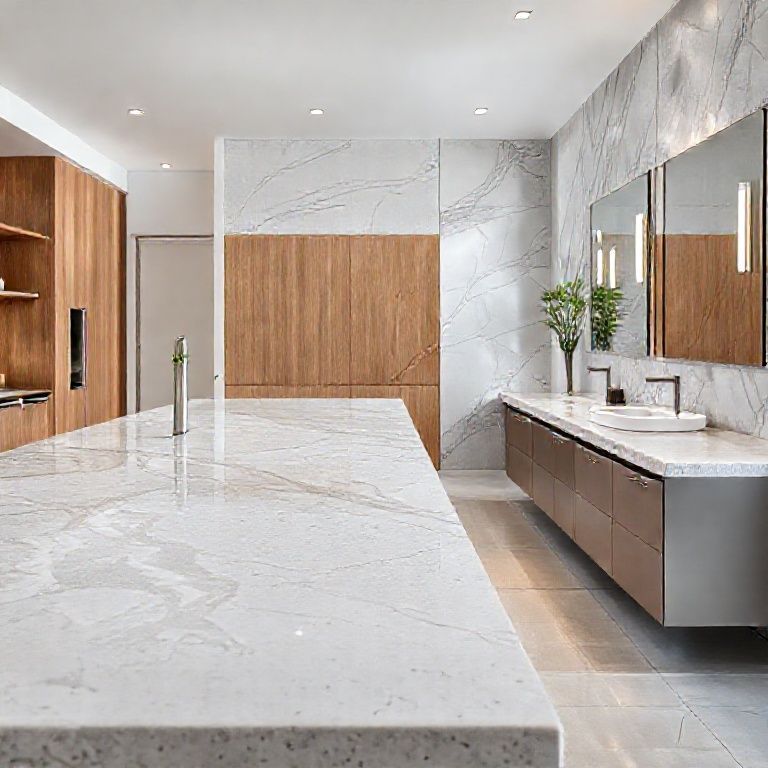
Following the molding, the stone mixture undergoes an initial curing phase. This process allows the polymer binder to begin setting, giving the material some initial strength. The curing process can take several hours, during which the countertop is kept under controlled temperature and humidity conditions to ensure optimal curing.
Coloring and Finishing
Coloring is an intricate part of the artificial stone manufacturing process. The material is infused with colorants that are precisely calibrated to achieve the desired hues and patterns. This stage requires a high degree of expertise to ensure that the colors are consistent and the patterns are realistic, mimicking the natural stone closely.
Once the coloring process is complete, the countertop goes through a finishing phase. This includes grinding and polishing to achieve the desired surface texture. The goal is to replicate the natural stone’s look while ensuring the surface is smooth and durable. Advanced technologies like diamond grinding and polishing are often used to attain the perfect finish.
Quality Control
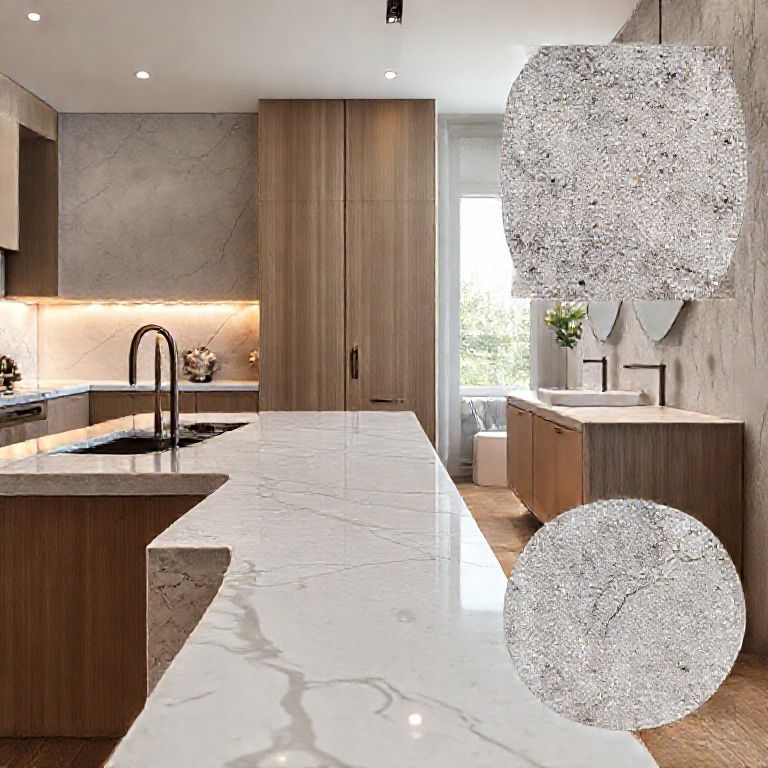
Quality control is a critical aspect of the artificial stone countertop manufacturing process. Each piece undergoes rigorous testing to ensure it meets the highest standards of quality. This includes checks for surface texture, color uniformity, and overall structural integrity. Advanced tools and instruments are used to measure and evaluate these parameters, ensuring that every piece meets the exacting standards required by professionals and consumers alike.
Installation and Maintenance
Once the artificial stone countertop has passed quality control, it’s ready for installation. The installation process involves careful planning to ensure a seamless fit and integration with existing cabinetry and plumbing. Professionals use specialized adhesives and techniques to secure the countertop, ensuring it is both stable and aesthetically pleasing.
Maintenance of artificial stone countertops is relatively simple compared to natural stone. Regular cleaning with mild soap and water is usually sufficient to keep the surface looking pristine. Special care should be taken to avoid acidic substances, which can etch the surface, and to use cutting boards to protect the surface from scratches.
Conclusion
The creation of artificial stone countertops is a sophisticated blend of artistry and technology. From material selection to installation, each step is meticulously crafted to produce a product that is not only beautiful but also incredibly durable. Understanding the detailed processing guide behind these modern marvels helps us appreciate their value and the effort that goes into creating them.
Stay tuned for the second part of our guide, where we will delve deeper into the advanced technologies and innovations that are shaping the future of artificial stone countertops.
Advanced Technologies and Innovations in Artificial Stone Countertop Manufacturing
In the second part of our detailed processing guide on artificial stone countertops, we explore the cutting-edge technologies and innovations that are revolutionizing the manufacturing process. These advancements not only enhance the quality and aesthetic appeal of artificial stone but also push the boundaries of what is possible in modern countertop design.
Advanced Mixing and Blending Techniques
One of the most significant advancements in artificial stone countertop manufacturing is the development of advanced mixing and blending techniques. Traditional methods of mixing stone powders and polymer binders have been refined to achieve a higher degree of precision and consistency.
High-speed mixers and specialized blending equipment are now used to ensure that the materials are thoroughly and evenly combined. This not only results in a more uniform product but also enhances the durability and strength of the final countertop. Advanced control systems monitor the mixing process in real-time, adjusting parameters to ensure optimal outcomes.
Digital Design and Customization
The integration of digital design tools has opened up a world of possibilities for artificial stone countertop customization. With the help of sophisticated software, designers can create intricate patterns and designs that would be impossible to achieve with traditional methods. These digital tools allow for precise modeling and simulation, enabling designers to visualize the final product before it is even manufactured.
Customization has become a hallmark of modern artificial stone countertops. Customers can now choose from a vast array of colors, patterns, and textures to create a unique piece that perfectly complements their home’s decor. This level of personalization was previously unimaginable in the world of stone countertops.
Cutting-Edge Molding Technologies
The molding process has also seen significant advancements, thanks to cutting-edge technologies. Vacuum-assisted molding, as previously mentioned, has been enhanced with the use of automated systems that offer greater precision and efficiency. These systems can mold complex shapes with incredible accuracy, ensuring that each countertop meets the highest standards of quality.
Additionally, 3D printing technology is being explored as a potential method for creating artificial stone molds. This technology could revolutionize the industry by allowing for even more intricate and customizable designs. While still in the experimental stages, 3D printing holds the promise of creating parts that are virtually indistinguishable from natural stone.
Enhanced Curing Processes
Curing is a critical phase in the production of artificial stone countertops. Recent innovations have focused on improving the curing process to enhance the durability and strength of the material. Advanced curing chambers with precise temperature and humidity controls are now commonly used. These chambers can simulate a range of environmental conditions to ensure that the polymer binder sets correctly, regardless of external factors.
In some cases, ultraviolet (UV) curing is employed to speed up the curing process. UV light can initiate the polymerization process more rapidly, reducing the time required for the material to reach full strength. This not only speeds up production but also results in a more consistent and durable product.
Surface Finishing Innovations
Surface finishing is where artificial stone truly shines in its ability to mimic natural stone. Innovations in this area have led to the development of new techniques that produce surfaces that are indistinguishable from those of natural stone. Diamond grinding and polishing are now enhanced with the use of nanotechnology, resulting in surfaces that are not only smooth but also highly resistant to scratches and stains.
Advanced polishing techniques can replicate the natural veining and texture of stone, adding a level of realism that is often mistaken for natural stone. This attention to detail ensures that artificial stone countertops look and feel like the real thing, without the upkeep and cost associated with natural stone.
Sustainability and Eco-Friendly Practices
Sustainability is a growing concern in all areas of manufacturing, and artificial stone countertop production is no exception. Manufacturers are increasingly adopting eco-friendly practices to reduce the environmental impact of their operations. This includes using recycled materials in the production process and implementing waste reduction strategies.
Additionally, some manufacturers are exploring the use of biodegradable or less toxic binders in their artificial stone formulations. This not only reduces the environmental footprint of the product but also makes it safer for users and installers. Sustainable practices are becoming a key selling point for artificial stone countertops, as consumers become more conscious of their environmental impact.
Future Innovations on the Horizon
The future of artificial stone countertop manufacturing is bright, with many exciting innovations on the horizon. One area of focus is the development of self-healing materials. These materials could repair minor scratches and imperfections on their own, extending the lifespan of the countertop and reducing the need for repairs.
Another promising area of innovation is the integration of smart technologies. Imagine a countertop that can change color with the touch of a button or that has built-in sensors to monitor and report on the condition of the kitchen or bathroom. While these ideas are still in the conceptual stage, they hold the potential to transform how we interact with our countertops.
Conclusion
The world of artificial stone countertops is continually evolving, driven by advancements in technology and a growing emphasis on sustainability. From sophisticated mixing and molding techniques to cutting-edge curing and finishing processes, the manufacturing of artificial stone countertops is a fascinating blend of science and artistry.
As we look to the future, the potential for even more innovative and eco-friendly practices promises to make artificial stone an even more desirable option for consumers and professionals alike. Understanding these advancements helps us appreciate the incredible journey from raw materials to the stunning### 结语
总结与展望
在综述了人造石台面的加工流程之后,我们不仅了解了从原材料选择到最终成品的每一个步骤,还探讨了当前的先进技术和未来的创新方向。人造石台面的制造工艺不仅展示了现代材料科学的先进性,也反映了对环境保护和可持续发展的重视。
现状与未来
目前,人造石台面已经成为现代家居和商业空间的常见选择。其优异的性能,如耐磨、耐刮、易清洁等,使其在市场上占据了重要地位。而随着技术的不断进步,人造石台面的质量和多样性也在不断提升。
未来,随着智能家居和环保理念的深入人心,人造石台面的制造工艺将进一步优化。例如,研发更加环保的材料配方,采用更加高效和低碳的生产工艺,甚至开发具有智能功能的台面。这些创新不仅将提升人造石台面的功能性和美观性,也将为消费者提供更多选择和更好的使用体验。
对消费者的建议
对于消费者来说,选择人造石台面时应重点关注以下几点:
品牌与质量:选择信誉良好的品牌,了解其产品质量和售后服务。 设计与风格:根据自己的家居风格和需求,选择合适的颜色和图案。 耐用性与维护:了解材料的耐用性和日常维护方法,以确保台面的长期美观和功能。 环保性:优先选择环保材料,减少对环境的影响。
对行业的期望
对于人造石台面制造商和供应商来说,未来的挑战和机遇同样存在。期待行业内部技术创新、生产工艺优化以及环保技术的发展,以满足市场的多样化需求,同时也推动整个行业的可持续发展。
通过不断的技术改进和创新,人造石台面制造业有望在未来迎来更加辉煌的发展,为消费者提供更加优质、环保、智能的产品。我们也期待这一行业在推动绿色生产和可持续发展方面做出更多贡献。
人造石台面的制造工艺是一个复杂而精细的过程,从原材料的选择到最终成品的出厂,每一个环节都充满了科学与艺术的融合。通过对这一流程的详细介绍,我们不仅能够更好地理解人造石台面的优异性能,也能展望其在未来的无限可能。无论是消费者还是行业从业者,都能从中获益,共同推动这一行业的进步与发展。