The Advantages of Synthetic Stone Countertops:
When it comes to modern kitchen and bathroom design, synthetic stone countertops have emerged as a popular choice for many homeowners and designers. These countertops are crafted from a mixture of natural stone dust and polymers, offering a host of benefits that make them an attractive option compared to traditional materials like granite or marble. Here, we explore the many advantages of synthetic stone countertops.

1. Unmatched Durability:
One of the most significant advantages of synthetic stone countertops is their durability. These countertops are designed to withstand heavy use and abuse without showing signs of wear and tear. Unlike natural stone, synthetic stone is not prone to cracking or splintering, which makes it an excellent choice for high-traffic areas. This durability ensures that synthetic stone countertops maintain their structural integrity for many years, providing a long-lasting solution for homeowners.
2. Resistant to Stains and Scratches:
Synthetic stone countertops are renowned for their resistance to stains and scratches. They do not easily absorb liquids or chemicals, making them incredibly easy to clean and maintain. This resistance is particularly beneficial in kitchens and bathrooms where spills and splashes are common. Unlike marble or granite, synthetic stone does not require sealing to prevent staining, which can be a maintenance hassle. This feature makes synthetic stone a low-maintenance option that looks as good as it functions.
3. Variety of Designs and Colors:
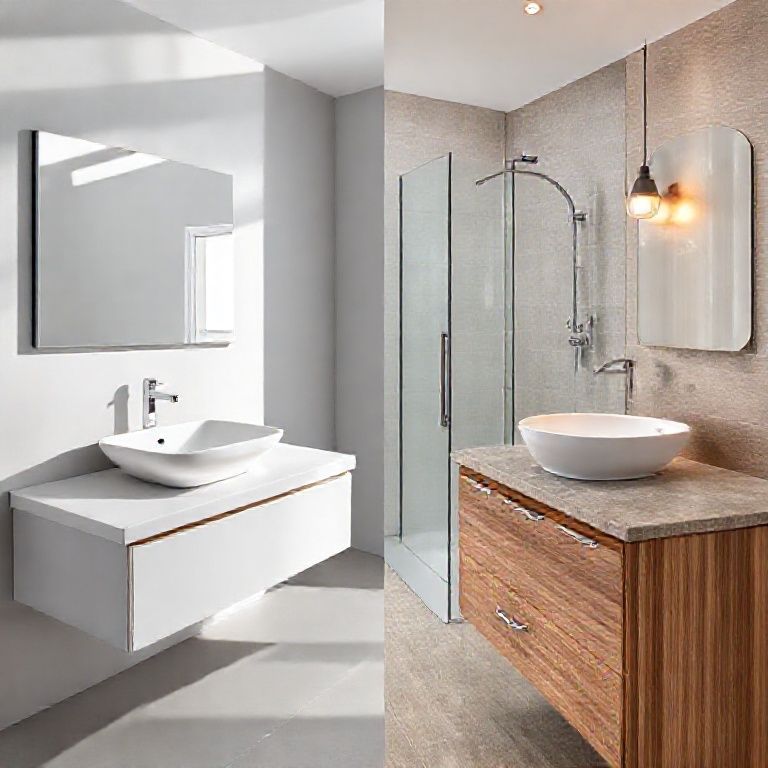
One of the standout features of synthetic stone countertops is the variety of designs and colors available. Manufacturers can produce synthetic stone in nearly any color or design imaginable, allowing homeowners to choose a look that perfectly matches their aesthetic preferences. Whether you prefer a sleek, modern look or a more traditional style, synthetic stone offers flexibility and creativity in design. This versatility makes synthetic stone an excellent option for both new builds and renovations.
4. Cost-Effective Solution:
Another major advantage of synthetic stone countertops is their cost-effectiveness. Compared to natural stone options like granite or marble, synthetic stone is significantly more affordable. This lower price point makes it an accessible choice for a wide range of homeowners, without compromising on quality or aesthetics. The cost savings extend beyond the initial purchase, as synthetic stone’s durability and low maintenance requirements mean less expenditure over time.
5. Environmentally Friendly:
Synthetic stone countertops are also an environmentally friendly option. They are made from recycled materials and can be manufactured in a way that minimizes waste. This eco-conscious aspect appeals to those who are conscious about their environmental footprint. Additionally, synthetic stone does not require the same extensive quarrying and transportation processes associated with natural stone, which reduces the environmental impact.
6. Easy to Install:
The installation process for synthetic stone countertops is straightforward and can often be completed by professionals in a relatively short amount of time. This ease of installation means that homeowners can enjoy their new countertops without the long wait times associated with natural stone. The pre-cut panels of synthetic stone fit together seamlessly, making the installation process efficient and hassle-free.
7. Customizable Features:
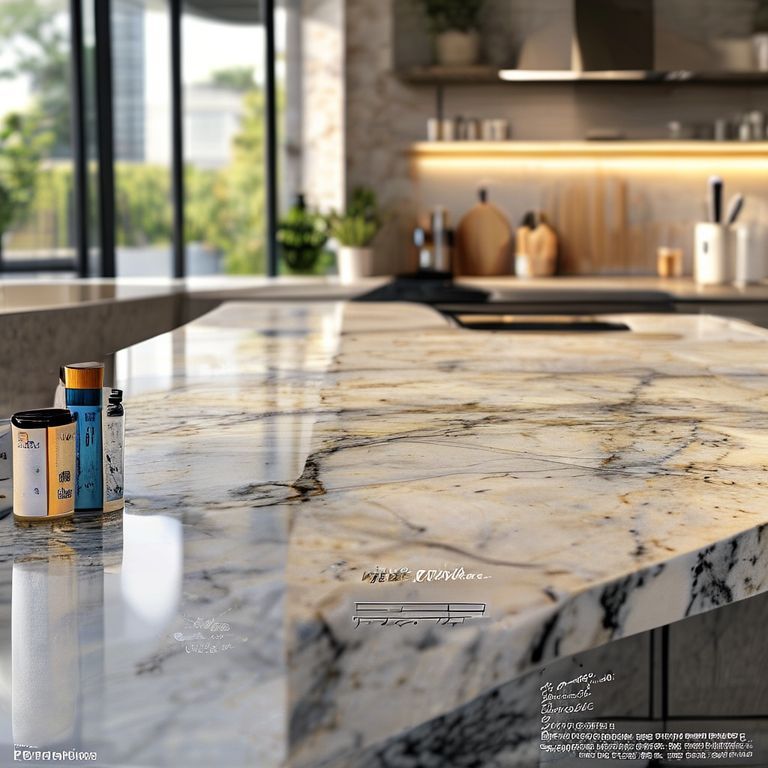
Synthetic stone countertops offer a high degree of customization. Homeowners can choose from various thicknesses, edge profiles, and finishes to tailor the countertops to their specific needs. This customization allows for a perfect fit in any space, ensuring that the countertops look and function as desired. The ability to mold and shape synthetic stone makes it an ideal material for unique, bespoke designs.
Conclusion:
In conclusion, synthetic stone countertops present a compelling case with their numerous advantages. From unmatched durability and resistance to stains and scratches to their cost-effectiveness and environmental friendliness, synthetic stone offers a myriad of benefits that make it a top choice for many. Whether you are looking to enhance the functionality of your kitchen or the elegance of your bathroom, synthetic stone provides a versatile, long-lasting, and aesthetically pleasing solution.
The Disadvantages of Synthetic Stone Countertops:
While synthetic stone countertops offer a range of benefits, it’s also important to consider their potential disadvantages. Understanding these drawbacks can help you make an informed decision about whether synthetic stone is the right choice for your home renovation or new build project. In this part, we delve into the various downsides of synthetic stone countertops.
1. Heat Resistance Issues:
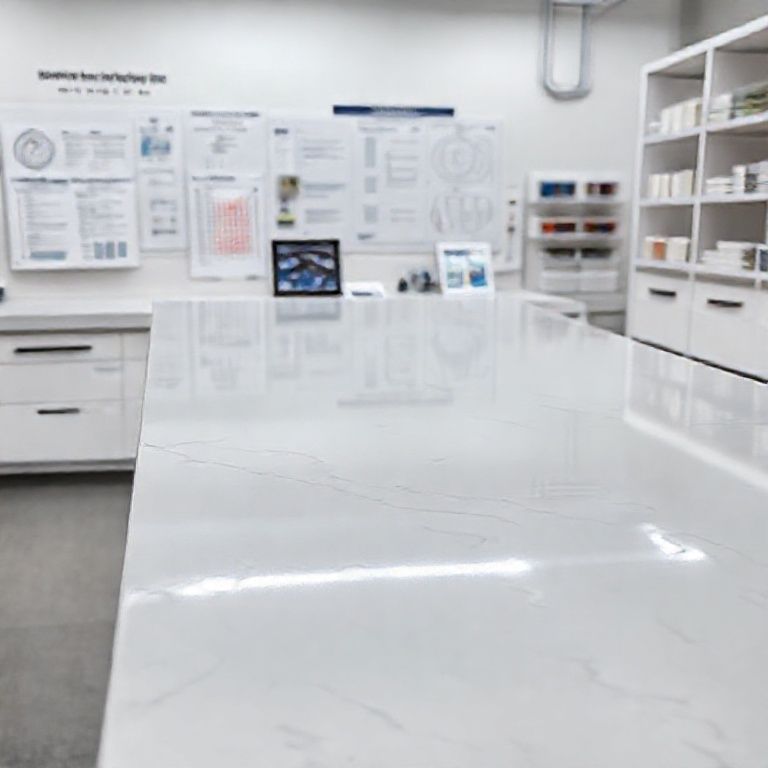
One of the primary disadvantages of synthetic stone countertops is their limited heat resistance. While synthetic stone is durable in many ways, it can still be damaged by extreme heat. Items like hot pots, pans, and oven trays can cause thermal shock, leading to cracks and other damage if not placed on heat-resistant mats. This limitation contrasts with natural stone options like granite and marble, which offer better heat resistance and can withstand direct exposure to high temperatures without issue.
2. Limited Natural Look:
Although synthetic stone can mimic natural stone with a variety of colors and patterns, it still falls short in delivering the authentic look of natural stone. While modern manufacturing techniques have made synthetic stone incredibly realistic, it can sometimes be identified as man-made by keen observers. For those who prefer the genuine appearance of natural stone and are willing to pay a premium for it, synthetic stone may not fully satisfy this aesthetic preference.
3. Lower Strength Compared to Natural Stone:
While synthetic stone is durable, it generally has lower compressive strength compared to natural stone like granite or quartz. This lower strength means that synthetic stone might not be the best choice for areas where heavy objects are frequently placed, such as butcher blocks or areas subjected to high mechanical stress. The durability and strength of synthetic stone are generally sufficient for typical kitchen and bathroom use, but it’s worth noting for specialized applications.
4. Potential for Surface Damage:
Although synthetic stone is resistant to stains and scratches, it is not completely impervious to all forms of surface damage. Abrasive cleaners, harsh chemicals, and even certain types of cooking spills can cause surface etching or discoloration over time. While this issue is less common with proper care and maintenance, it is something to consider for high-maintenance households.
5. Limited Availability of Customization:
While synthetic stone does offer some degree of customization, it is generally more limited compared to natural stone options. The range of colors and designs available for synthetic stone is impressive, but it may not be as extensive or as customizable as some natural stone types. For homeowners seeking highly specific designs or unique patterns, synthetic stone might not offer the same level of bespoke options.
6. Potential Odor and VOC Emissions:
Some synthetic stone products may emit volatile organic compounds (VOCs) during the manufacturing process or when newly installed. While most reputable manufacturers have addressed these concerns with lower-emission materials, it’s still a consideration for those sensitive to odors or looking for low-VOC options. The potential for lingering odors is generally minimal once the installation is complete and the countertops have cured, but it’s worth noting for environmentally conscious consumers.
7. Limited Warranty and Repair Options:
The warranty and repair options for synthetic stone countertops can vary significantly depending on the manufacturer. While many synthetic stone products come with a warranty, it may not cover all potential issues, and the terms can be more complex compared to natural stone. Additionally, repairing synthetic stone can be more challenging if damage occurs, as it often requires complete replacement rather than localized repairs.
Conclusion:
While synthetic stone countertops present many advantages, it’s essential to weigh these against their potential disadvantages. Issues such as heat resistance, limited natural appearance, and lower compressive strength are notable considerations. Homeowners must also be aware of the potential for surface damage, limited customization options, and possible VOC emissions. Despite these drawbacks, synthetic stone remains a highly practical, affordable, and versatile option for many kitchen and bathroom projects. By understanding both the benefits and limitations, you can make a well-informed decision that aligns with your needs and preferences.