The Allure and Pricing Dynamics of Marble: Understanding the Cost Per Ton
In the realm of luxury materials, marble stands unparalleled for its timeless elegance and versatility. From the grand staircases of historic palaces to contemporary high-end homes, marble has been the quintessential choice for architects, designers, and builders. But what truly drives the marble price per ton? Let’s embark on a detailed exploration of this exquisite stone’s journey from quarry to your project site.
The Essence of Marble
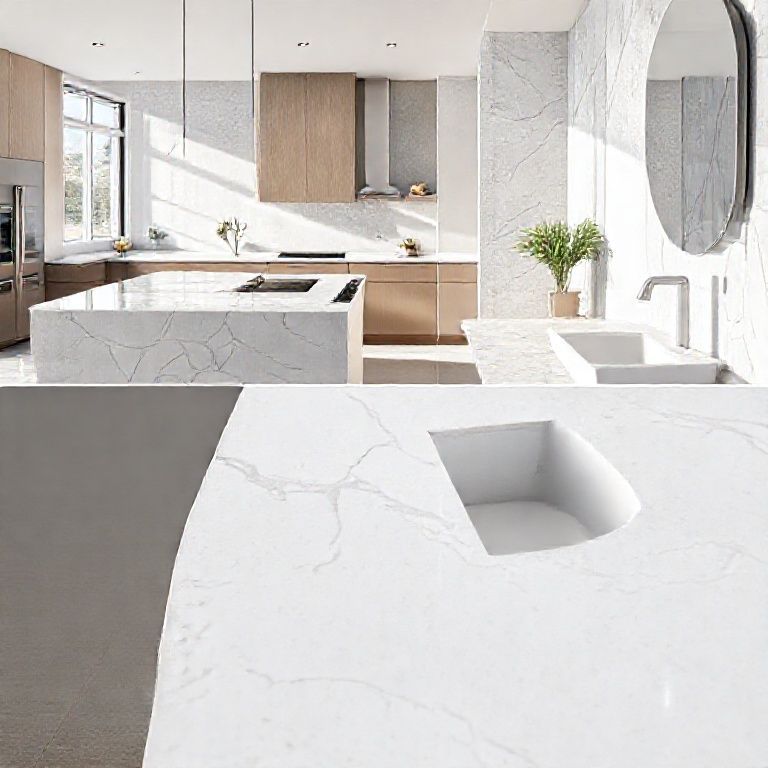
Marble is a metamorphic rock formed from the transformation of limestone under immense heat and pressure. Its defining characteristics—color, grain, and texture—are a result of these geological processes. Marble’s appeal lies not only in its visual beauty but also in its durability and ease of maintenance, making it a preferred choice for both residential and commercial projects.
Types of Marble and Their Prices
The marble market is vast and varied, encompassing numerous types, each with unique characteristics and price points. Here are some of the most popular varieties:
Italian Marble: Renowned for its creamy whites and intricate veining, Italian marble commands the highest price per ton. The most famous types are Carrara, which is often used in sculptures and architectural details, and Botticino, favored for flooring and countertops.
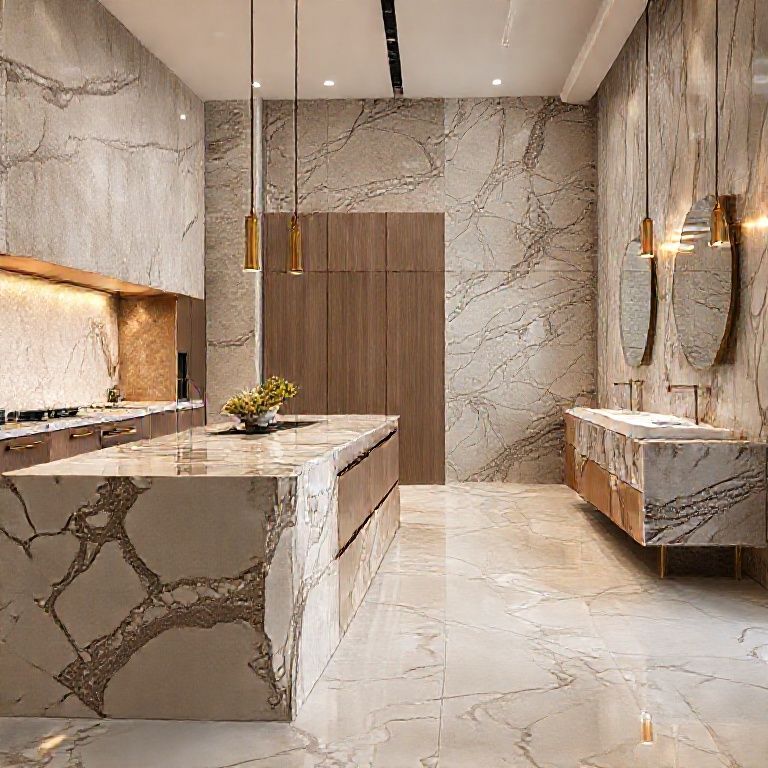
Indian Marble: India is a leading marble producer, offering a wide range of colors and finishes. Varieties like Makrana, known for its white color with pinkish hues, and Red Jaipur, famous for its deep red hue, are popular for both domestic and international markets.
Turkish Marble: Turkey’s marble, particularly from the regions of Afshar and Esnek, is celebrated for its striking colors and patterns. It’s widely used in luxury buildings and high-end residential projects.
Brazilian Marble: Brazilian marble, particularly from the region of Minas Gerais, is prized for its unique colors and patterns. Varieties like Brancopolis and Cinza Marquina stand out for their aesthetic appeal and versatility.
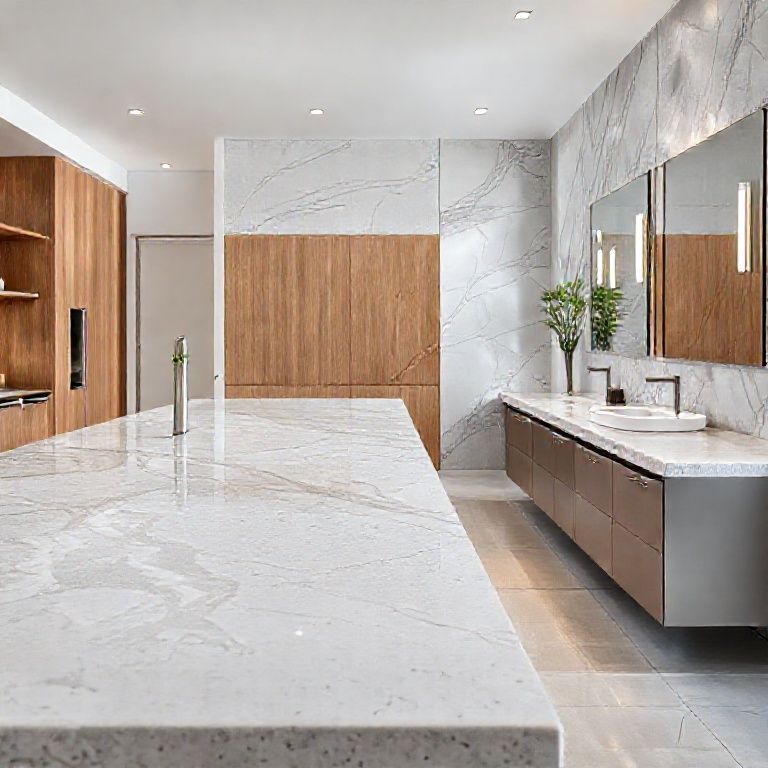
Each type of marble carries its own set of premium qualities, influencing its price per ton. The intricate patterns, color variations, and overall aesthetic appeal directly correlate with its market value.
Factors Influencing Marble Pricing
Several factors determine the cost of marble per ton:
Quality and Purity: Marble with fewer inclusions and a more uniform color tends to be more expensive. High-quality marble that meets strict standards is often reserved for high-end projects.
Color and Veining: Marble with unique, vibrant colors and intricate veining patterns can fetch higher prices. For instance, marble with a rich, deep color or unusual veining is often more sought after and thus more costly.
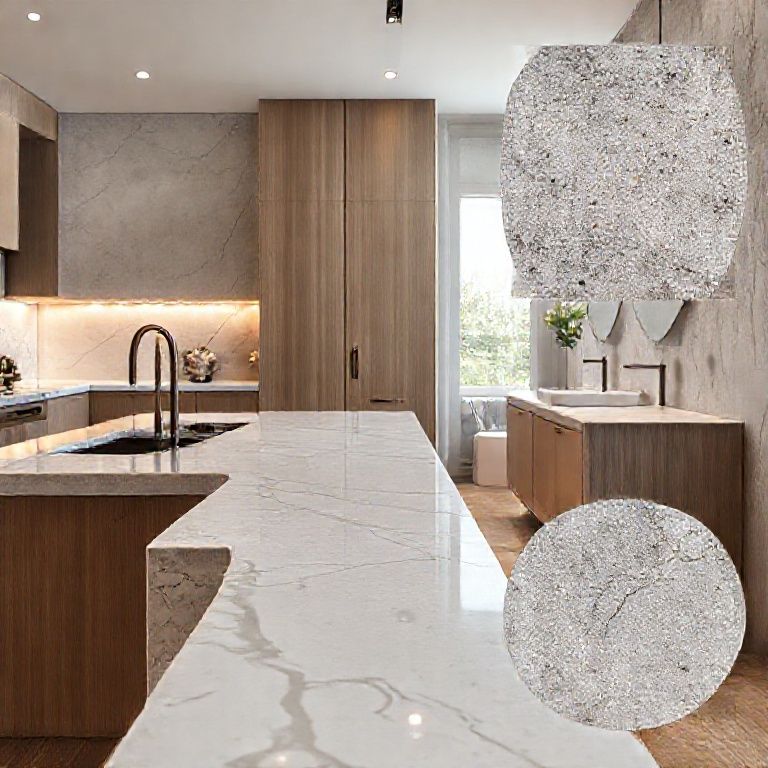
Source: Marble sourced from renowned quarries or regions known for high-quality stone tends to have a higher price. Italian marble, for example, often comes from the famous Carrara quarries, which adds to its premium cost.
Processing and Finishing: The level of processing and finishing required also impacts the cost. Marble that undergoes extensive cutting, polishing, and finishing processes to achieve the desired aesthetic will naturally be more expensive.
Market Demand: The global demand for marble also plays a critical role in pricing. High demand for specific types or colors of marble can drive up prices, while a surplus can lead to lower costs.
Transportation Costs: The distance and logistics involved in transporting marble from the quarry to the final destination add to the overall cost. Marble from distant countries incurs higher transportation expenses.
Marble in Architecture and Design
Marble’s timeless appeal and versatility make it a cornerstone in the world of architecture and design. Its use spans various applications, from flooring and countertops to sculptures and facades. Here are some notable uses:
Flooring and Wall Cladding: Marble’s durability and aesthetic appeal make it an ideal choice for flooring and wall cladding. Its ability to withstand wear and tear ensures longevity, while its beauty enhances the overall ambiance of a space.
Countertops and Kitchens: Marble countertops are synonymous with luxury and elegance. They offer a sleek, sophisticated look that complements modern and traditional kitchens alike. Their natural beauty and resistance to staining make them a preferred choice for homeowners and designers.
Bathrooms and Spas: Marble’s clean and polished appearance makes it a popular choice for bathrooms and spas. Its water resistance and easy maintenance are particularly beneficial in these humid environments.
Architectural Elements: From grand staircases to intricate architectural details, marble’s versatility allows it to be used in various elements that define the character of a building. Its timeless elegance and strength make it a favorite in both historical restorations and new constructions.
Sculptures and Art: Marble’s fine grain and ease of carving make it a favorite for sculptors and artists. Its ability to capture fine details and intricate designs ensures that marble sculptures maintain their beauty and integrity over time.
The Economic and Environmental Impact
The marble industry has significant economic and environmental impacts:
Economic Impact: Marble mining and processing contribute to the economy of several countries, providing employment and supporting local industries. The global marble market is a multi-billion-dollar industry, with significant trade and export activities.
Environmental Considerations: Marble mining can have environmental implications, including land degradation and water usage. Sustainable practices and responsible mining techniques are essential to mitigate these impacts.
Recycling and Reuse: Advances in technology have made it possible to recycle and reuse marble, reducing waste and the need for new mining. This approach not only conserves resources but also adds to the sustainability of the marble industry.
Conclusion
The allure of marble lies in its timeless beauty, versatility, and enduring appeal. Understanding the factors that influence the marble price per ton provides valuable insight into this luxurious material’s value. As we continue to appreciate marble’s role in architecture and design, it’s clear that its significance will only grow, driven by both its aesthetic appeal and functional benefits.
Stay tuned for the second part of our exploration, where we will delve deeper into the market trends, future projections, and additional insights into the world of marble.
The Allure and Pricing Dynamics of Marble: Understanding the Cost Per Ton (Continued)
In the previous section, we delved into the essence of marble, exploring its types, quality factors, and its significant role in architecture and design. Now, let’s continue our journey by examining the market trends, future projections, and additional insights into the world of marble.
Market Trends and Future Projections
The marble market is influenced by a myriad of factors, including economic conditions, global demand, and technological advancements. Understanding these trends provides valuable insights into the future of this luxurious material.
Global Demand and Supply Dynamics: The global demand for marble has been on a steady rise, driven by its widespread use in residential, commercial, and public spaces. The construction boom in emerging markets, particularly in Asia and the Middle East, has significantly boosted the demand for marble.
Technological Advancements: Innovations in marble processing and finishing techniques have enhanced the quality and aesthetic appeal of marble products. Advances in technology have also improved the efficiency of marble production, leading to cost reductions and more sustainable practices.
Sustainable Practices: There is a growing emphasis on sustainability within the marble industry. Efforts to reduce environmental impact through sustainable mining practices, recycling, and the use of eco-friendly finishing techniques are becoming more prevalent. These practices not only benefit the environment but also appeal to eco-conscious consumers.
Customization and Design Trends: Customization and personalized design are increasingly popular trends in the marble market. Customers seek unique and bespoke marble solutions that reflect their personal style and preferences. This trend has led to innovations in marble design and the development of new patterns and finishes.
Economic Factors: Economic conditions play a crucial role in the marble market. Fluctuations in raw material prices, labor costs, and transportation expenses can impact the overall cost of marble. Economic stability and growth in key markets contribute to sustained demand and favorable pricing.
Marble in Modern Architecture
The use of marble in modern architecture continues to grow, driven by its timeless appeal and versatility. Here are some notable examples:
Luxury Residences: Marble’s elegance and sophistication make it a favorite for luxury homes. Its use in kitchens, bathrooms, and living spaces adds a touch of luxury and refinement.
Commercial Buildings: High-end commercial buildings, including offices, hotels, and shopping malls, often incorporate marble to create a sense of grandeur and exclusivity. Marble’s durability and maintenance ease make it ideal for high-traffic areas.
Public Spaces: Marble’s aesthetic appeal and durability make it a preferred choice for public spaces such as airports, train stations, and museums. Its ability to withstand heavy foot traffic and maintain its beauty over time ensures longevity and visual appeal.
大理石在现代建筑中的应用
室内设计: 厨房与浴室:大理石常用于厨房和浴室的台面、洗手池、浴缸和地板。其易于清洁和耐用的特性使其成为这些区域的理想选择。 客厅与书房:大理石的现代设计元素常用于地板、书桌、书架和装饰墙面,增添了空间的高档感和艺术氛围。 商业建筑: 办公楼与商场:大理石广泛用于商业建筑的地面、楼梯、吧台和展示台,其美观和耐用性使其成为高端办公和购物环境的理想选择。
酒店与餐厅:大理石在高档酒店和餐厅的装饰中常见,用于地面、桌面、墙面和厨房台面,展现了品牌的奢华感。 公共建筑: 博物馆与图书馆:大理石常用于公共建筑的内部装饰,如楼梯、墙面和展示台,提供了经典和持久的美感。 办公楼:大理石的使用能够传达权威和稳定,是建筑中常见的材料选择。
案例分析
米其林星级餐厅: 案例:伦敦的“诺曼迪”餐厅:这家三星米其林餐厅的厨房台面和墙面都使用了高品质的大理石,其耐用性和美观性使得厨房在高强度的运作中保持整洁和优雅。 高级住宅: 案例:纽约的豪宅装饰:一些豪宅在设计中使用了进口的大理石,如意大利的卡拉拉大理石,用于地板、墙面和台面,营造出奢华和高雅的氛围。
国际机场: 案例:迪拜国际机场:机场大厅和候机室的地面和墙面大量使用了大理石,这不仅提升了空间的视觉效果,也符合其高标准的服务水平。
未来趋势
可持续性:随着环保意识的增强,未来大理石的采购和使用将更加注重可持续性。这包括采用再生材料和更环保的加工方法。
智能设计:大理石与现代科技的结合,如智能地板和自清洁表面,将为其应用带来新的方向。
个性化定制:随着客户需求的多样化,大理石的定制化服务将变得更加普及,以满足个性化和独特设计的需求。
结论
大理石作为一种高端建筑材料,其在现代建筑和设计中的应用范围广泛,从高档住宅到商业建筑,再到公共设施,无不展现其独特的美学和实用性。未来,随着技术的进步和环保理念的推广,大理石的应用将会更加多样化和可持续化。