Captivating Qualities and Benefits of Engineered Marble
Engineered marble, also known as synthetic or artificial marble, has surged in popularity over the years as an exquisite alternative to natural stone. This modern marvel combines the aesthetic appeal of marble with the practicality and versatility of composite materials, making it a top choice for contemporary interiors. Let’s explore the captivating qualities and benefits that engineered marble brings to the table.
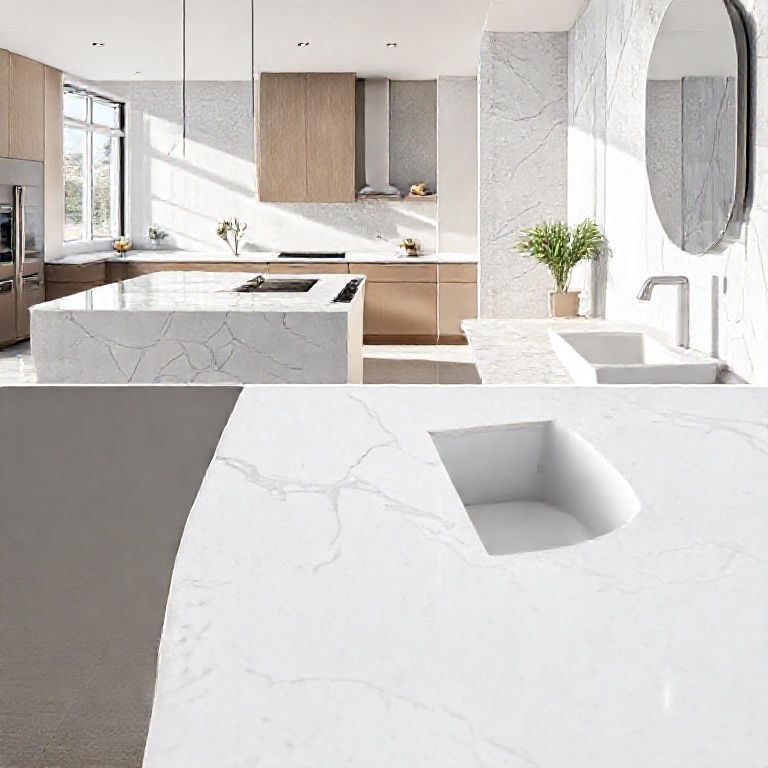
1. Unmatched Aesthetic Appeal
Engineered marble mimics the intricate patterns and luxurious look of natural marble, providing a sophisticated and elegant appearance. The craftsmanship involved in creating these surfaces ensures that each piece boasts a unique look, often featuring veining and color variations that are hard to replicate with traditional marble. This not only offers a high-end aesthetic but also allows for endless design possibilities, making it suitable for both modern and classic decor styles.
2. Superior Durability
One of the standout benefits of engineered marble is its impressive durability. Unlike natural stone, which can be prone to scratches, chips, and staining, engineered marble is crafted to be more resilient. The material is typically composed of a top layer of fine marble dust bonded to a base layer of resin, creating a surface that is less susceptible to wear and tear. This makes engineered marble an excellent choice for high-traffic areas where durability is paramount.
3. Cost-Effectiveness
When compared to natural marble, engineered marble offers significant cost savings. The production process for engineered marble is more economical, which translates to lower prices for consumers. This makes it an attractive option for those looking to achieve a high-end look without the hefty price tag. Additionally, the reduced maintenance requirements further enhance its cost-effectiveness, as less time and money are needed to keep it looking pristine.
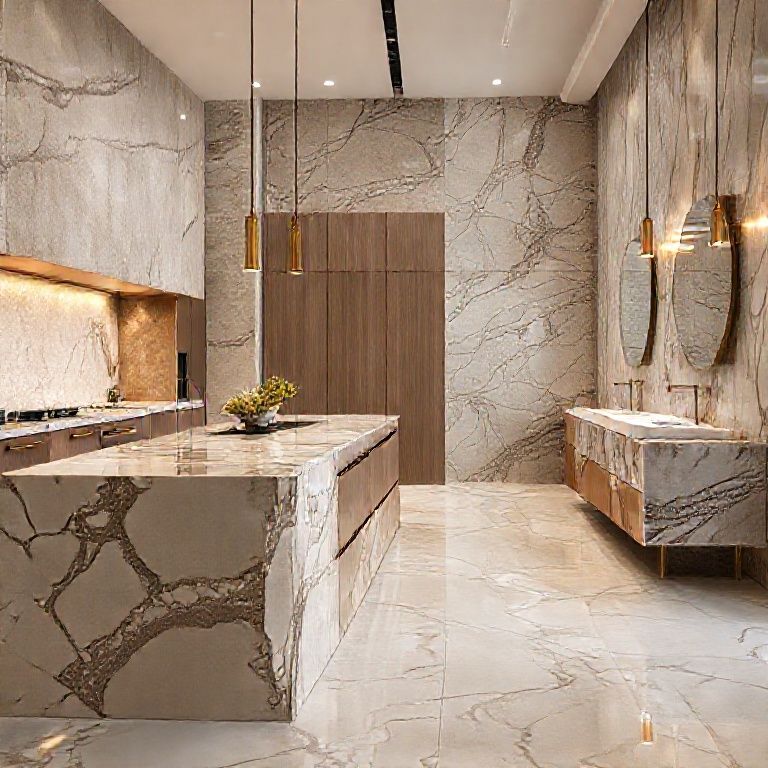
4. Versatility in Design
Engineered marble’s versatility extends beyond its aesthetic appeal. It can be molded into various shapes and forms, allowing for innovative design solutions that would be challenging with natural stone. This flexibility means it can be used not just for countertops but also for walls, floors, and even furniture. The ability to create custom designs makes engineered marble a popular choice for bespoke interiors.
5. Environmental Considerations
In an era where sustainability is increasingly important, engineered marble offers a greener alternative to natural stone. The production process for natural stone often involves significant environmental impact, including land disruption and water usage. In contrast, engineered marble can be manufactured in a controlled environment, reducing the ecological footprint. Additionally, it often contains recycled materials, contributing to a more sustainable building process.
6. Easy Maintenance
Maintaining engineered marble is relatively straightforward compared to natural stone. Because it is less prone to scratches and stains, cleaning it requires minimal effort. A simple wipe-down with a damp cloth and mild soap is often sufficient to keep it looking immaculate. This ease of maintenance is particularly beneficial for busy households and commercial spaces where time is a valuable commodity.
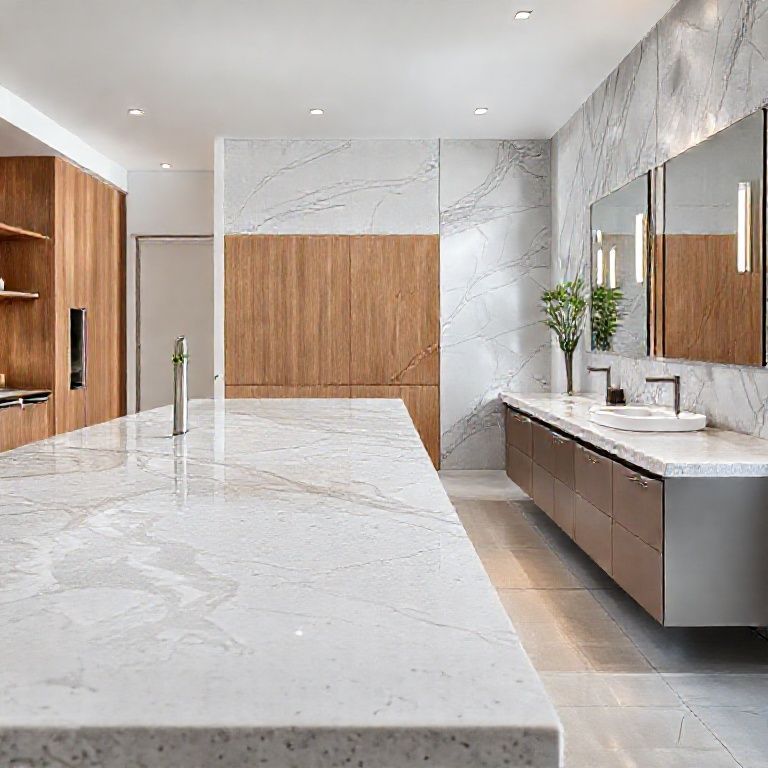
7. Customization and Color Options
The customization potential of engineered marble is another compelling advantage. It can be produced in an extensive range of colors and patterns, allowing designers and homeowners to tailor the material to their specific needs. This flexibility in color and pattern means that engineered marble can be perfectly matched to any existing decor, providing a seamless and cohesive look.
Conclusion
Engineered marble stands out as a captivating choice for modern interiors, combining the allure of natural marble with practical benefits that make it an ideal alternative. From its unmatched aesthetic appeal and superior durability to its cost-effectiveness and versatility, engineered marble offers a compelling case for its use in various design applications. As we move towards more sustainable and practical building materials, engineered marble proves to be a forward-thinking option that meets the needs of contemporary living.
Potential Drawbacks and Considerations of Engineered Marble
While engineered marble offers numerous advantages, it is essential to weigh these benefits against its potential drawbacks and considerations. This second part of our exploration will delve into the limitations of engineered marble, helping you make a well-rounded decision when choosing this material for your home or office.
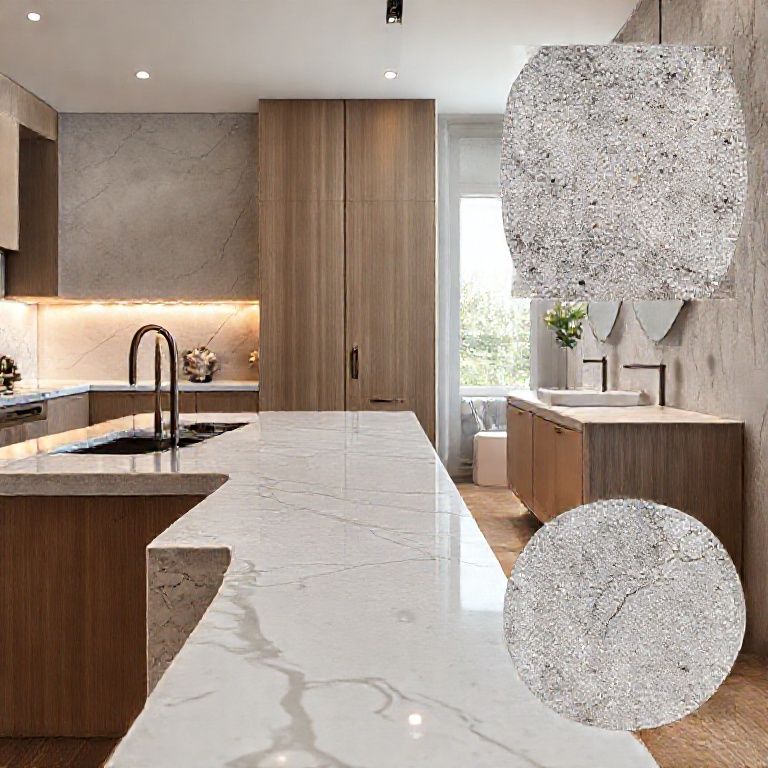
1. Longevity and Wear
Although engineered marble is more durable than natural stone, its longevity can still be a concern. The resin base that holds the marble dust together might degrade over time, especially under heavy use or in areas exposed to heat and moisture. This can lead to a surface that may become less uniform in appearance and texture. It’s important to choose high-quality engineered marble to mitigate these risks, as cheaper alternatives might not offer the same level of longevity.
2. Heat Resistance
One of the notable drawbacks of engineered marble is its relatively poor heat resistance compared to natural stone. When exposed to high temperatures, the resin base can melt or distort, leading to permanent damage. This makes engineered marble less suitable for areas where hot pots, pans, or other heat sources are frequently placed directly on the surface. To avoid such issues, it’s advisable to use heat-resistant pads or trivets when placing hot items on engineered marble surfaces.
3. Weight
Engineered marble is generally heavier than some other synthetic alternatives, such as composite stone. This increased weight can pose installation challenges, especially for large surfaces. It might require more robust support structures and can be more challenging to install in areas with limited space. For homeowners and contractors, this added weight might affect the overall design and installation process.
4. Chemical Resistance
While engineered marble is more resistant to stains than natural marble, it is not entirely impervious to chemicals. Strong acids, alkaline substances, and certain solvents can still damage the surface over time. This necessitates careful handling and cleaning to maintain its appearance. Using appropriate cleaning agents and avoiding harsh chemicals will help prolong the life of engineered marble surfaces.
5. Environmental Impact
Although engineered marble is more sustainable than natural marble due to its controlled production process, it’s not entirely free from environmental concerns. The manufacturing process can still produce waste and emissions, albeit to a lesser extent than natural stone mining. Additionally, the use of recycled materials in its composition adds complexity to its lifecycle and environmental impact assessment. It’s crucial to consider the overall environmental footprint when choosing engineered marble.
6. Installation Complexity
The installation of engineered marble can be more complex compared to other materials like laminate or vinyl. It often requires professional expertise to ensure a proper fit and finish. The resin base can be sensitive to temperature and humidity changes, which can affect the bonding process during installation. This complexity can lead to higher labor costs and may not be suitable for DIY projects.
7. Aesthetic Limitations
While engineered marble offers a wide range of colors and patterns, the natural look and feel of genuine marble can sometimes be difficult to replicate perfectly. The intricate veining and unique beauty of natural marble are hard to match, and some purists may find the artificial look of engineered marble less appealing. It’s essential to consider personal preferences and the specific aesthetic goals of your space when choosing between natural and engineered marble.
Conclusion
Engineered marble presents a compelling option for modern interiors, with a range of benefits that make it a popular choice among designers and homeowners. However, it’s important to consider its potential drawbacks and limitations carefully. By understanding the longevity, heat resistance, weight, chemical resistance, environmental impact, installation complexity, and aesthetic limitations of engineered marble, you can make a well-informed decision that best suits your needs and preferences. Balancing these factors will help ensure that your choice of engineered marble enhances rather than hinders the beauty and functionality of your space.
In this two-part exploration, we’ve delved into both the captivating benefits and potential drawbacks of engineered marble. By weighing these factors carefully, you can make a well-informed choice that aligns with your design goals and practical needs. Whether you’re looking to elevate your home’s aesthetic or create a durable, cost-effective surface, engineered marble offers a compelling option worth considering.