The Allure and Reality of Artificial Stone: Unveiling Its Merits
In the realm of modern home and commercial design, artificial stone has emerged as a versatile and eye-catching alternative to traditional materials like natural stone, marble, and granite. This synthetic material, often referred to as cultured stone, combines the best attributes of natural materials with innovative technology to create a stunning and practical option for various applications. Here’s a deep dive into the merits of artificial stone.
1. Superior Aesthetics
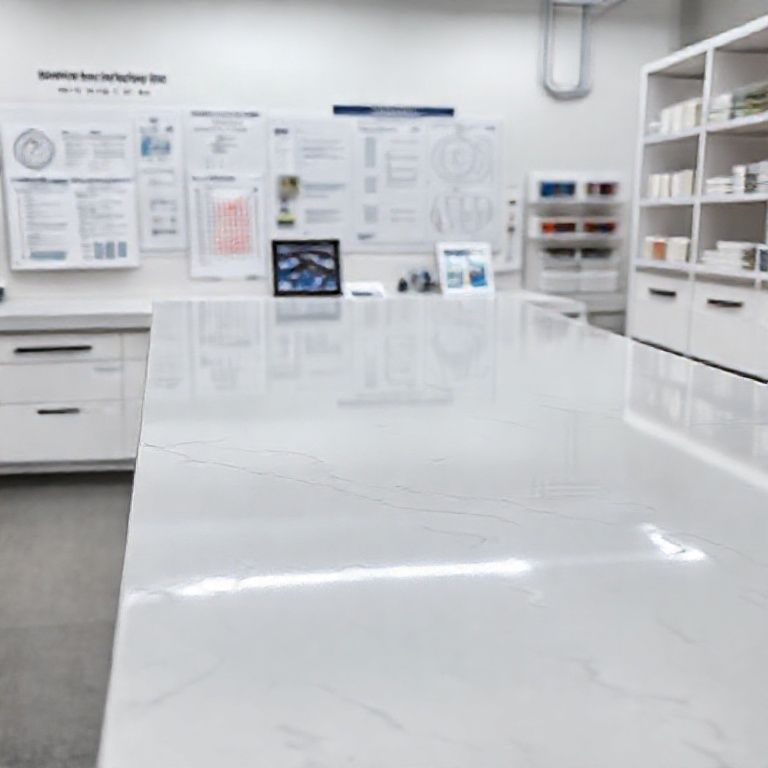
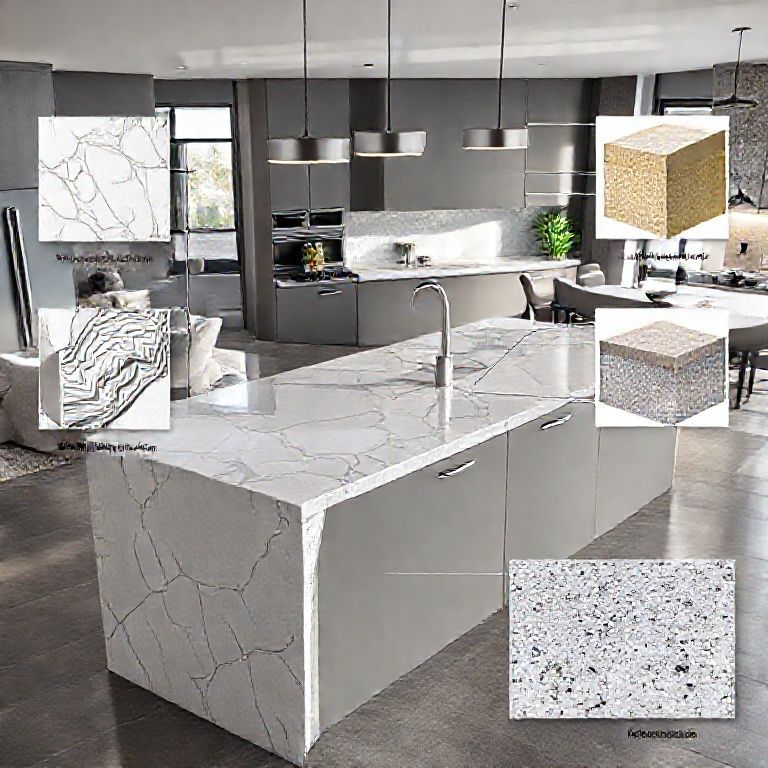
Artificial stone is renowned for its unmatched beauty and versatility. The manufacturing process allows designers to recreate the appearance of various natural stones, including marble, quartz, and even wood. This means you can enjoy the intricate patterns and rich colors of natural stone without the high cost and maintenance requirements. The finish is consistent, ensuring uniformity in color and pattern across surfaces, which is particularly beneficial for large installations like countertops and tabletops.
2. Customization and Design Flexibility
One of the standout features of artificial stone is its ability to be customized to meet specific design requirements. Manufacturers can create unique textures and colors tailored to the client’s vision. This flexibility allows for a wide range of applications, from sleek, modern designs to classic, traditional looks. Whether you want a bold, eye-catching statement piece or a subtle, elegant addition to your space, artificial stone can be molded to fit perfectly.
3. Durability and Strength
Artificial stone is incredibly durable, often more so than natural stone. It is resistant to scratches, stains, and impact, making it an excellent choice for high-traffic areas. Unlike natural stone, which can be easily marred by spills and scratches, artificial stone maintains its pristine appearance over time. This durability makes it a practical choice for kitchens, bathrooms, and commercial spaces where heavy use is common.
4. Low Maintenance
Maintaining artificial stone is far simpler than maintaining natural stone. It does not require sealing or frequent maintenance to prevent staining or fading. Cleaning is straightforward; a simple wipe with a damp cloth and mild soap is usually sufficient to keep the surface looking pristine. This low-maintenance feature is a significant advantage for busy households and businesses looking to save on cleaning costs and effort.
5. Environmentally Friendly
Artificial stone is an eco-friendly alternative to natural stone. The production process for cultured stone typically uses fewer natural resources and generates less waste compared to quarrying and processing natural stone. Additionally, artificial stone is often made from recycled materials, further reducing its environmental footprint. This makes it a sustainable choice for environmentally conscious consumers.
6. Cost-Effectiveness
While the initial cost of artificial stone might be comparable to or even higher than some natural stones, its long-term benefits often make it more cost-effective. The durability and low maintenance requirements mean that the need for costly repairs and restorations is significantly reduced over time. Additionally, the ability to create custom designs without the premium prices often associated with high-end natural stones makes artificial stone an attractive option for budget-conscious consumers.
7. Wide Range of Applications
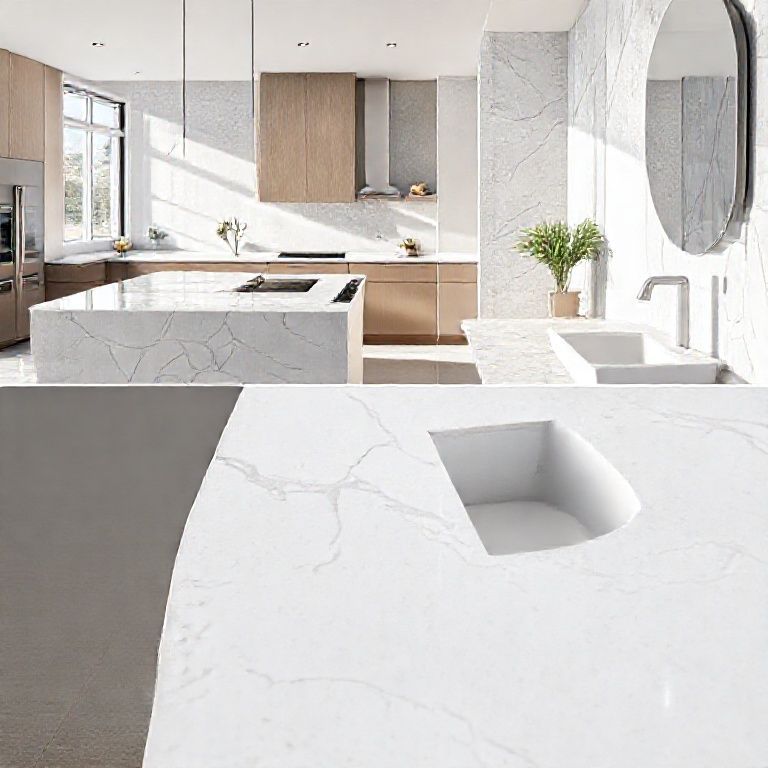
Artificial stone is incredibly versatile and can be used in a variety of applications beyond traditional countertops and tabletops. It is often used for sinks, showers, bathtubs, cladding, and even architectural elements. Its versatility allows for creative and innovative designs that can transform any space, from luxurious homes to commercial environments.
In conclusion, the merits of artificial stone make it a compelling choice for many design projects. Its superior aesthetics, customization options, durability, low maintenance, environmental benefits, cost-effectiveness, and versatility provide a compelling case for its use in both residential and commercial settings. As the world continues to seek innovative and sustainable solutions, artificial stone stands out as a modern material that meets both functional and aesthetic needs.
The Allure and Reality of Artificial Stone: Exploring Its Deficiencies
While artificial stone offers numerous advantages, it is important to consider its shortcomings as well. Understanding both the positives and negatives can help you make an informed decision about whether this material is right for your specific needs. Here, we explore the various deficiencies of artificial stone to provide a balanced view of this modern material.
1. Initial Cost
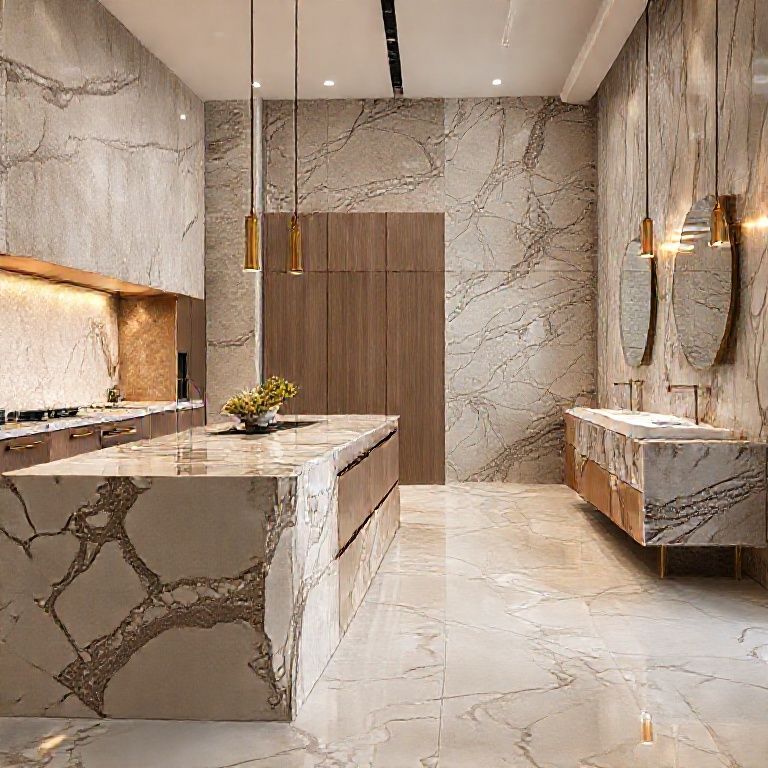
One of the most significant drawbacks of artificial stone is its initial cost. While it may offer long-term savings due to its durability and low maintenance, the upfront expense can be higher than that of some natural stones. This price difference is often due to the intricate manufacturing processes and the ability to create custom designs. While this might be a deterrent for some, it is essential to weigh this against the long-term benefits to determine if it’s a worthwhile investment.
2. Thermal Conductivity
Artificial stone is a poor conductor of heat compared to natural stone, which means it can become very hot when exposed to direct sunlight or heat sources. This can pose a risk, especially in kitchens where hot pans might be placed directly on the surface. While this is a minor inconvenience, it is something to consider if heat exposure is a concern in your design.
3. Limited Texture Options
While artificial stone offers a wide range of colors and patterns, its texture options are somewhat limited compared to natural stone. The manufacturing process can replicate the look of natural stone to a great extent, but achieving the exact texture and feel of natural stone can be challenging. This might be a drawback for those who prefer the tactile experience of working with natural materials.
4. Repair and Replacement Challenges
Repairing artificial stone can be more complex than repairing natural stone. While it is generally durable, minor chips and scratches can be difficult to fix without professional help. In some cases, the entire piece might need to be replaced rather than just the damaged section. This can be inconvenient and costly, although the overall durability of artificial stone means such issues are rare.
5. Environmental Concerns
Although artificial stone is more environmentally friendly than natural stone in terms of resource use and waste generation, it is not entirely free of environmental concerns. The production process can still involve the use of chemicals and energy, although typically less than the extraction and processing of natural stone. Additionally, the disposal of artificial stone at the end of its life cycle can pose environmental challenges, although recycling options are becoming more available.
6. Aesthetic Limitations
While artificial stone can mimic the appearance of natural stone closely, it cannot replicate every nuance of natural stone. The subtle imperfections that give natural stone its unique character are often absent in artificial stone. For some, this lack of natural imperfections can be a drawback, even though it might be an advantage for those seeking uniformity and durability.
7. Availability and Production Time
The availability of artificial stone can sometimes be limited, especially for highly customized designs. Custom orders might take longer to produce compared to standard designs, which can delay project timelines. While this is generally not a significant issue, it is something to consider if time is a critical factor for your project.
Conclusion
While artificial stone offers a range of benefits, it is important to recognize its limitations. The initial cost, thermal conductivity, limited texture options, repair challenges, environmental concerns, aesthetic limitations, and availability issues are all factors to consider when evaluating this material for your design needs. By understanding both the advantages and disadvantages, you can make a more informed decision about whether artificial stone is the right choice for your specific requirements.
In conclusion, artificial stone is a versatile and modern material with a wide range of applications and significant benefits. However, it is not without its drawbacks. By carefully weighing both the merits and deficiencies, you can determine if artificial stone is the best fit for your design vision and practical needs. Whether you are looking to enhance the aesthetics of your home or create a durable and low-maintenance surface for a commercial space, artificial stone offers a compelling option worth considering.