The Pros and Versatility of Artificial Marble
Artificial marble, often referred to as engineered stone or cultured stone, has emerged as a versatile and stylish alternative to natural stone in recent years. This material is a composite that combines minerals, resins, and other additives to create a product that closely mimics the appearance and feel of natural marble. The allure of artificial marble lies in its blend of aesthetic appeal, durability, and cost-effectiveness. Let’s delve into the myriad advantages that make artificial marble a popular choice among designers, architects, and homeowners.
1. Aesthetic Appeal and Customization
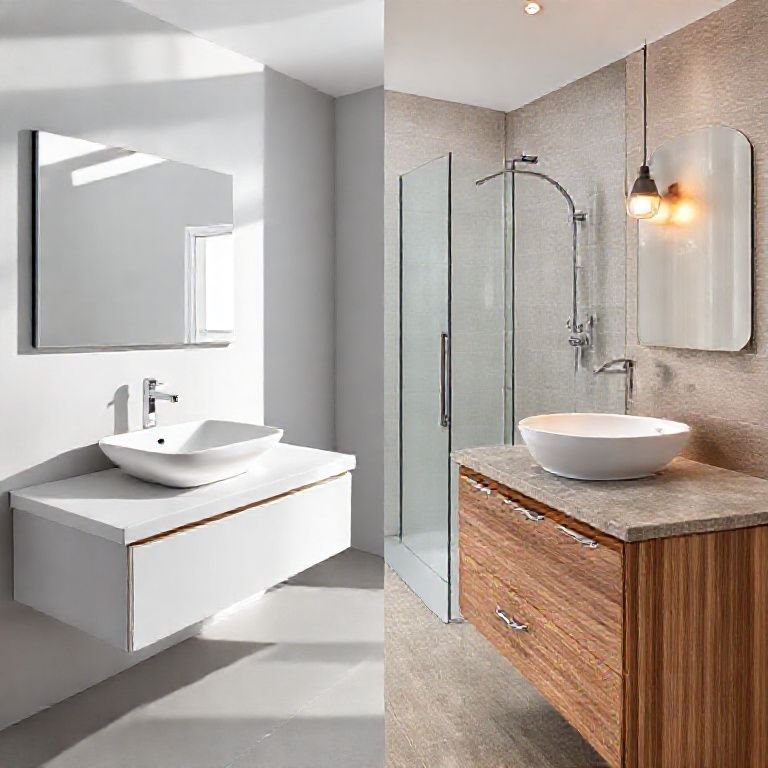
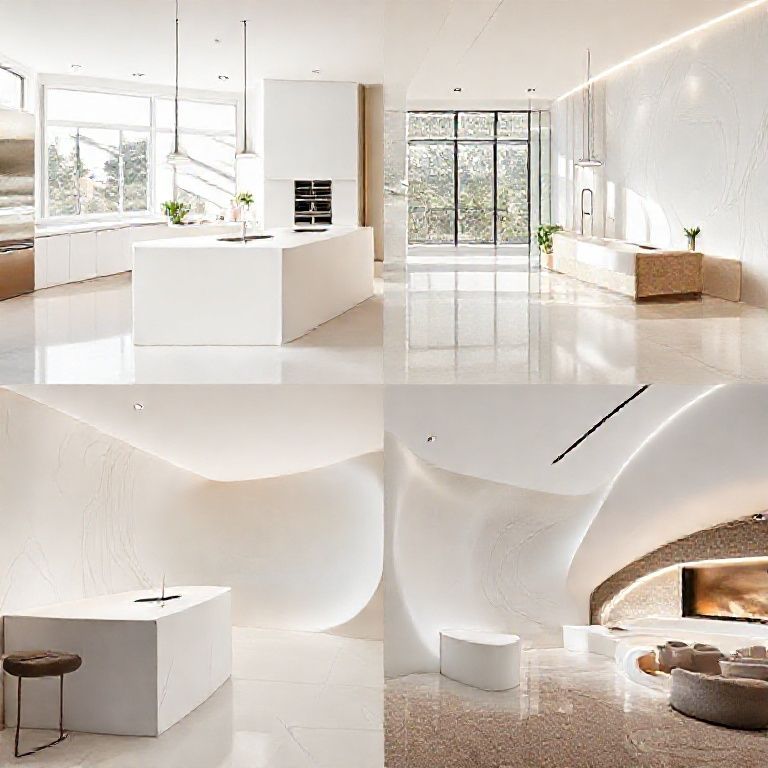
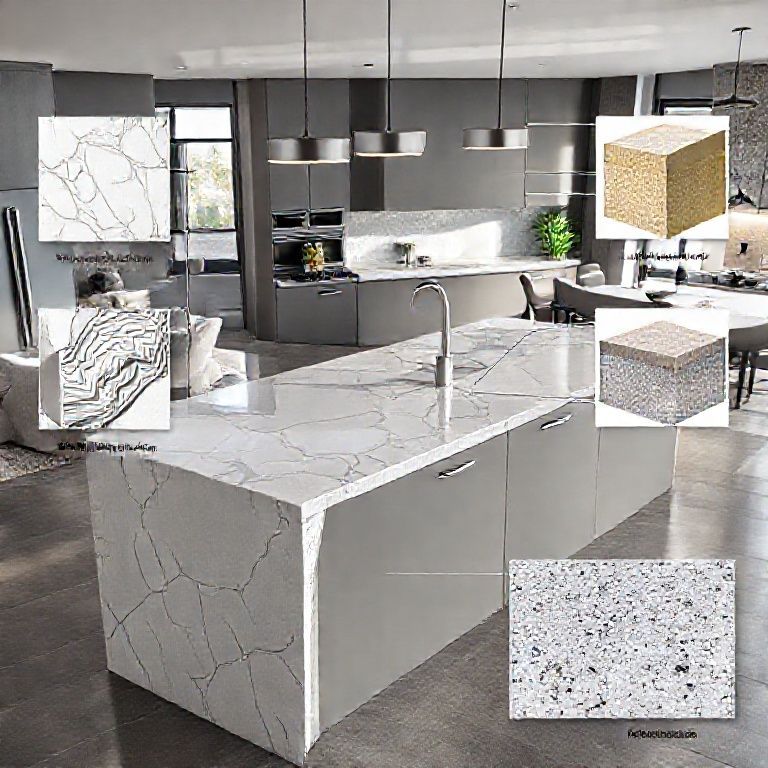
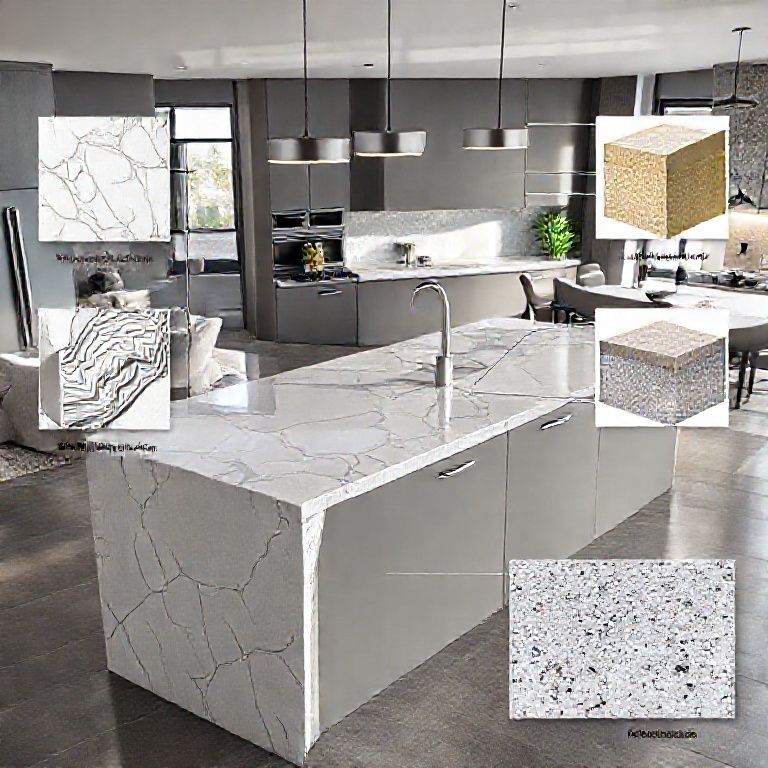
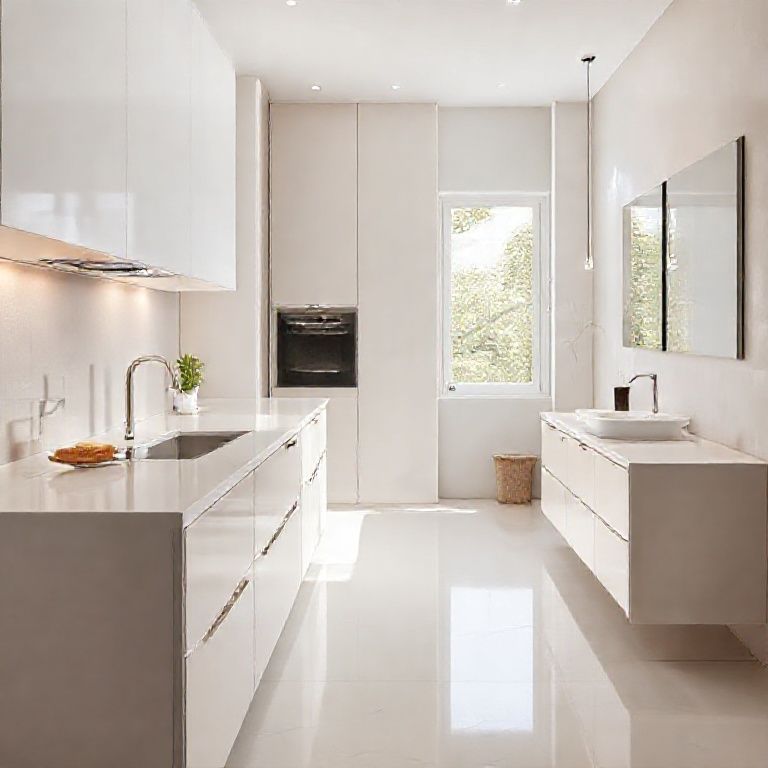
Artificial marble is renowned for its stunning aesthetic appeal. The material is available in a wide range of colors and finishes, allowing designers and homeowners to select a look that perfectly matches their vision. Unlike natural stone, artificial marble can be produced with unique patterns and textures that are impossible to achieve with traditional materials. This level of customization means you can create bespoke designs that are both beautiful and unique.
2. Durability and Strength
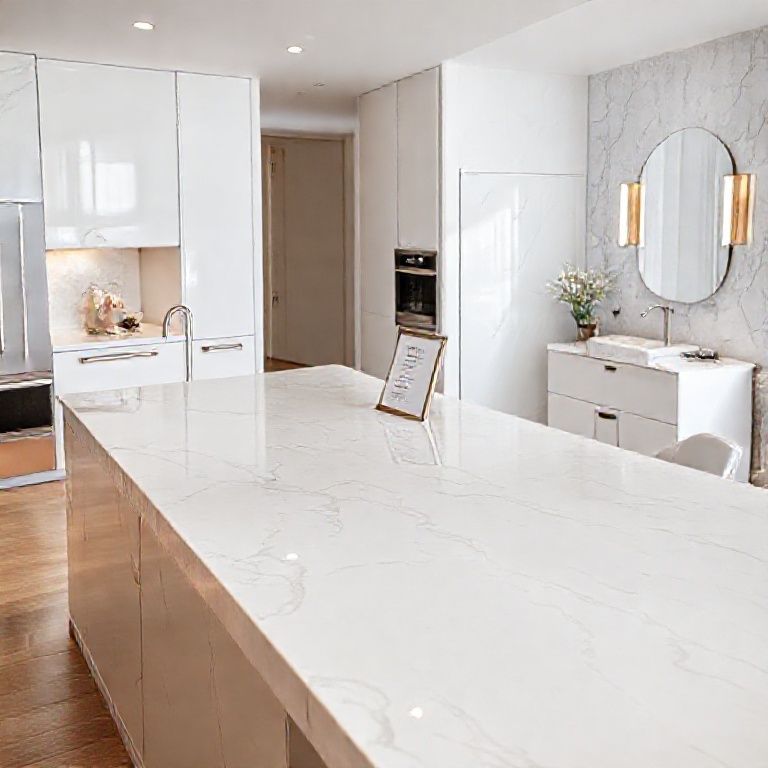
One of the most compelling benefits of artificial marble is its exceptional durability. This material is significantly harder than natural stone, making it highly resistant to scratches, chips, and stains. It also does not react to acidic foods or drinks, which means it maintains its pristine appearance even in high-traffic areas such as kitchens and dining rooms. The strength of artificial marble makes it a practical choice for countertops, sinks, and other surfaces that experience heavy use.
3. Cost-Effectiveness
While the initial cost of artificial marble might be higher than some other materials, its long-term cost-effectiveness is undeniable. The durability of artificial marble means it requires less maintenance and fewer replacements over time. Additionally, the variety of colors and finishes available often allows for more creative design options without significantly increasing the cost. This makes artificial marble an excellent choice for both commercial and residential projects where budget management is crucial.
4. Water Resistance and Easy Maintenance
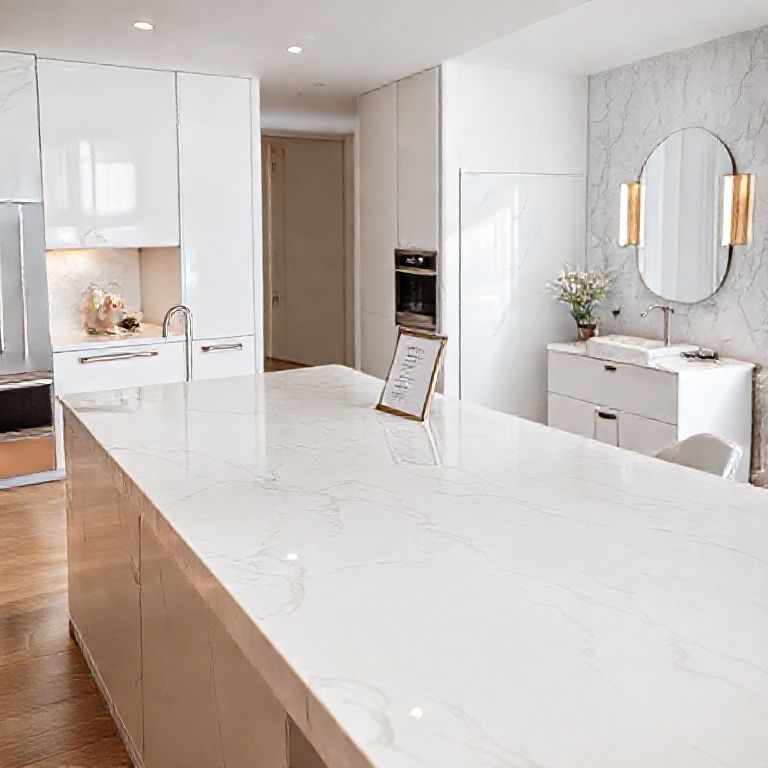
Artificial marble is also highly water-resistant, which makes it an ideal choice for areas prone to moisture and spills. Unlike natural stone, which can absorb water and potentially develop stains or mold, artificial marble maintains its integrity and appearance. Cleaning artificial marble is straightforward; a simple wipe with a damp cloth and mild detergent usually suffices to keep it looking pristine.
5. Environmental Benefits
Another significant advantage of artificial marble is its environmental impact. Because it is a synthetic material, artificial marble does not require the extraction of natural stone, thereby reducing the environmental footprint associated with traditional stone quarrying. Additionally, the manufacturing process can be optimized to minimize waste, making it a more sustainable choice for environmentally-conscious consumers.
6. Versatile Applications
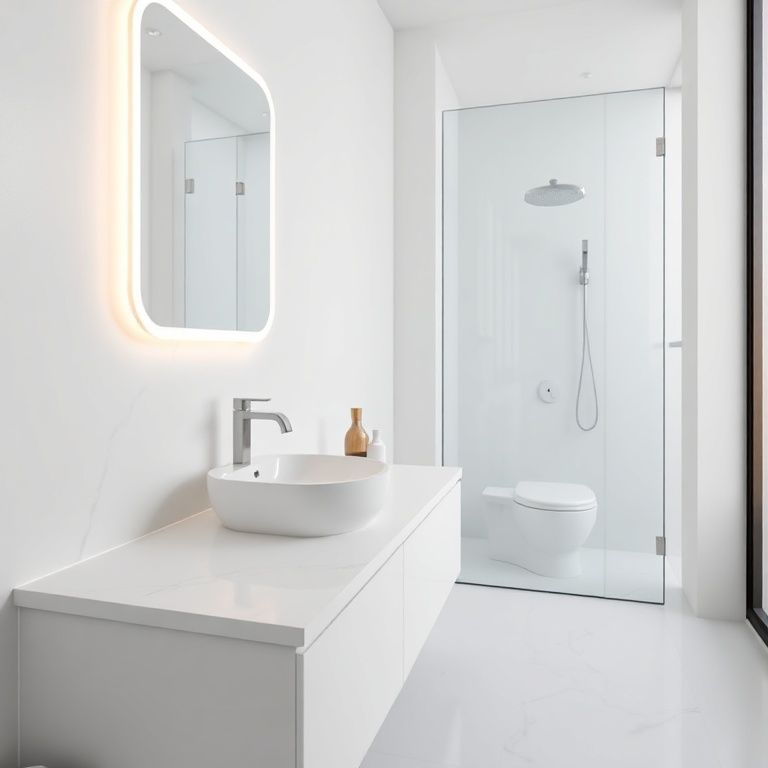
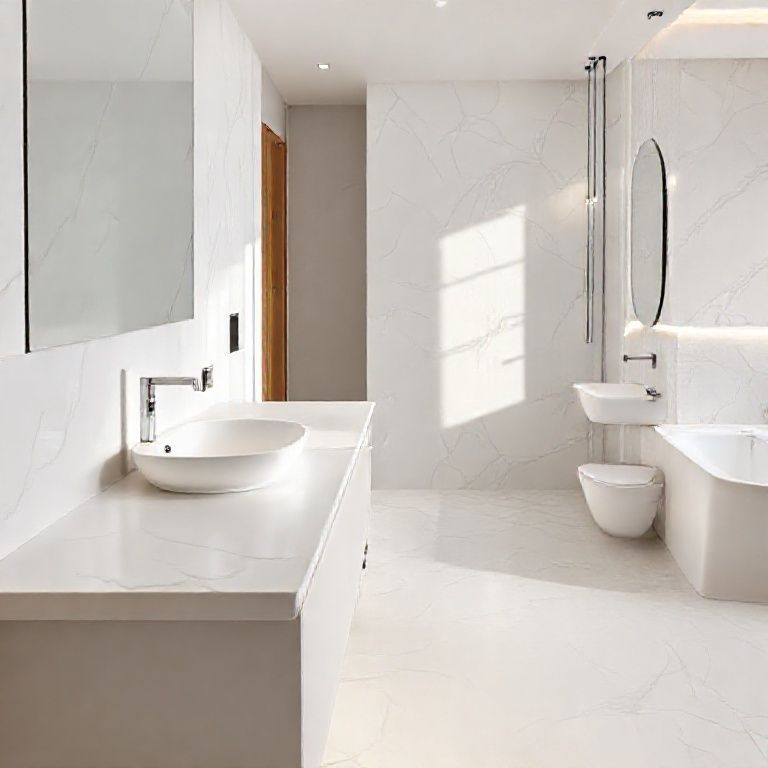
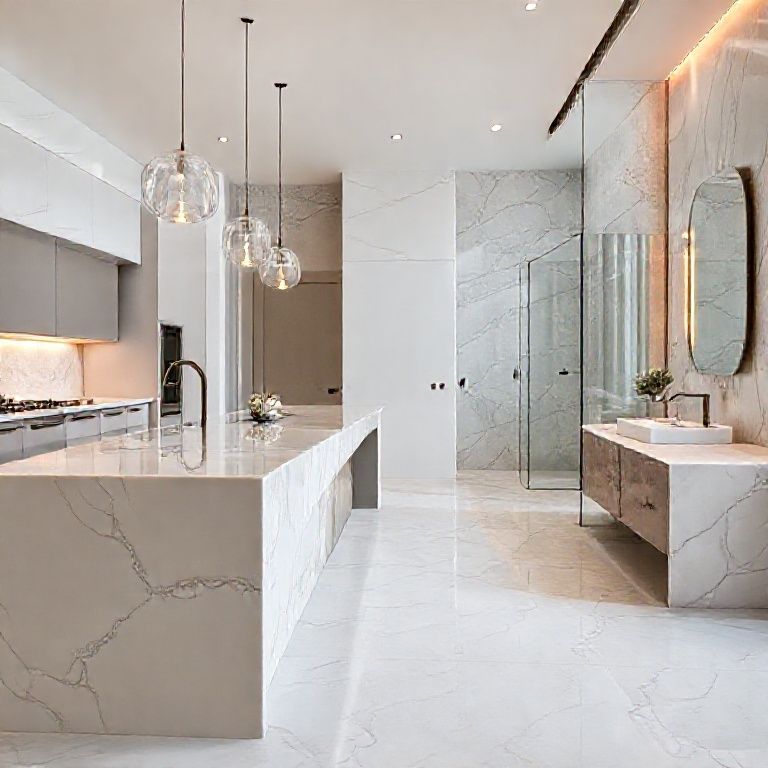
Artificial marble’s versatility extends beyond countertops to a wide range of applications. It can be used for bathroom vanities, kitchen backsplashes, tabletops, and even decorative elements like columns and wall panels. Its adaptability makes it suitable for various architectural styles, from modern minimalist designs to traditional ornate aesthetics.
Conclusion
Artificial marble offers an impressive array of benefits that make it an attractive option for many design projects. Its aesthetic versatility, durability, cost-effectiveness, ease of maintenance, environmental benefits, and wide range of applications make it a compelling choice for both commercial and residential settings. In the next part of this article, we will explore some of the potential drawbacks and considerations to keep in mind when choosing artificial marble for your next project.
Cons and Considerations of Artificial Marble
While artificial marble brings a host of advantages to the table, it is essential to weigh these benefits against some potential drawbacks. Understanding the limitations and considerations associated with this material will help you make an informed decision about its suitability for your specific needs. This part of the article will explore the cons of artificial marble and offer practical tips for addressing these concerns.
1. Initial Cost and Installation
One of the primary considerations when choosing artificial marble is the initial cost. While artificial marble is cost-effective in the long run due to its durability and low maintenance requirements, the upfront price can be higher than some other materials. This cost includes not only the material itself but also the installation fees, as professional installation is often required to ensure optimal results.
2. Weight and Handling
Artificial marble is significantly heavier than many other countertop materials, including some types of wood and composite materials. This weight can make installation more challenging, especially for smaller projects or homes with limited access. Additionally, handling the heavy slabs during installation requires careful planning and often specialized equipment to avoid damage or injury.
3. Limited Natural Look
Despite its impressive mimicry of natural marble, artificial marble still has a manufactured look that may not appeal to everyone. Some purists prefer the unique, natural imperfections found in authentic stone. While artificial marble can be customized to an impressive degree, it may lack the unique character and “soul” of natural stone.
4. Potential for Surface Damage
Although artificial marble is highly resistant to scratches and stains, it is not completely invulnerable. High-impact objects or sharp tools can cause surface damage if not handled carefully. This potential for damage, while rare, should be considered in areas where heavy use or accidental impacts are likely.
5. Installation Complexity
Installing artificial marble can be more complex than installing other materials. The process typically involves sawing, fitting, and sealing, which requires professional expertise to achieve the best results. DIY installation is possible but can be challenging due to the material’s weight and the precision needed to ensure a seamless finish.
6. Warranty and Longevity
While artificial marble is known for its durability, it is still essential to consider the warranty provided by the manufacturer. The length and terms of the warranty can vary, and understanding these details is crucial for ensuring that you are protected against any potential issues that may arise over time. Generally, reputable manufacturers offer warranties that range from five to ten years, but it’s important to review the specifics.
7. Environmental Impact of Production
Although artificial marble has a lower environmental impact compared to natural stone, the production process itself does involve the use of resins and other synthetic materials. This means there are still some environmental considerations to take into account. However, advancements in manufacturing technology continue to improve the sustainability of artificial marble production.
8. Limited Repair Options
Unlike natural stone, artificial marble cannot be repaired in the traditional sense. If there is damage, the entire piece may need to be replaced rather than simply repairing the affected area. This can be a significant drawback if the cost of replacement becomes prohibitive.
Conclusion
While artificial marble offers many advantages, it is important to consider its potential drawbacks and limitations. The initial cost, handling, limited natural look, surface damage potential, installation complexity, warranty details, environmental production impact, and limited repair options are all factors to weigh when making a decision. Understanding these considerations will help you determine whether artificial marble is the right choice for your project.
In conclusion, artificial marble is a versatile and durable material that brings numerous benefits to modern design. From its aesthetic appeal and cost-effectiveness to its versatility and low maintenance, it is no wonder that this material has become popular in both commercial and residential settings. However, it is essential to consider its limitations to ensure it meets your specific needs and preferences. Whether you are renovating a kitchen, designing a bathroom, or creating a unique statement piece, artificial marble offers a compelling option worth exploring further.