The Allure and Versatility of Engineered Marble: What Does It Mean?
When it comes to interior design and luxury flooring, few materials capture the imagination quite like marble. Known in China as “人造大理石,” engineered marble has emerged as a stunning alternative to traditional natural marble, offering a spectrum of benefits that make it an ideal choice for contemporary design. In this part, we delve into what engineered marble signifies, its unique attributes, and its growing popularity in various applications.
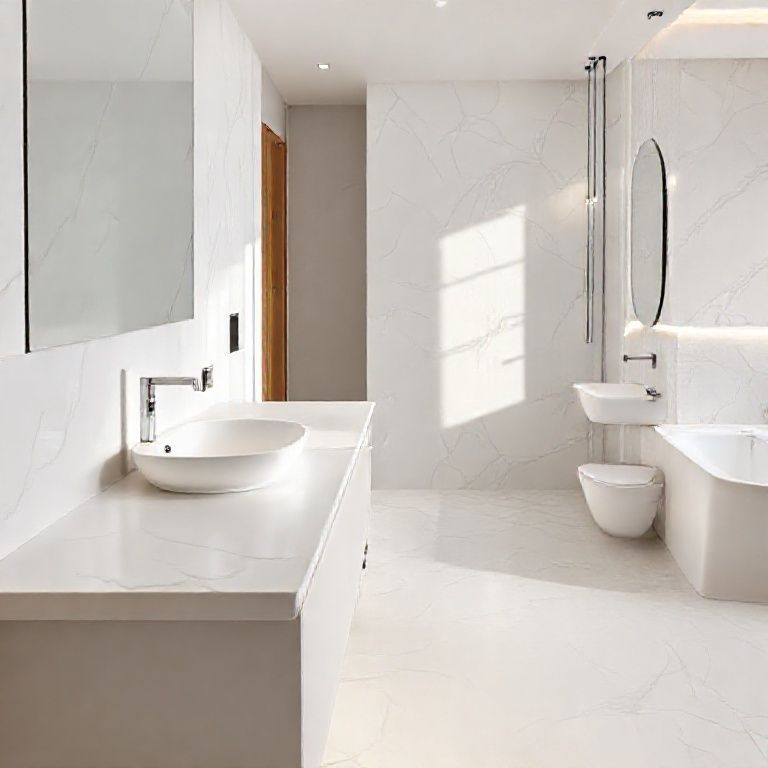
What is Engineered Marble?
Engineered marble, or “人造大理石,” is a high-quality composite material crafted by combining natural stone with resins. This process results in a product that mimics the appearance and texture of natural marble while offering significant advantages in terms of durability, cost-effectiveness, and design flexibility. Unlike natural marble, which is quarried and can vary in color and pattern, engineered marble allows for precise control over its final appearance, making it an excellent option for designers seeking consistency and customization.
Luxurious Appearance and Design Flexibility
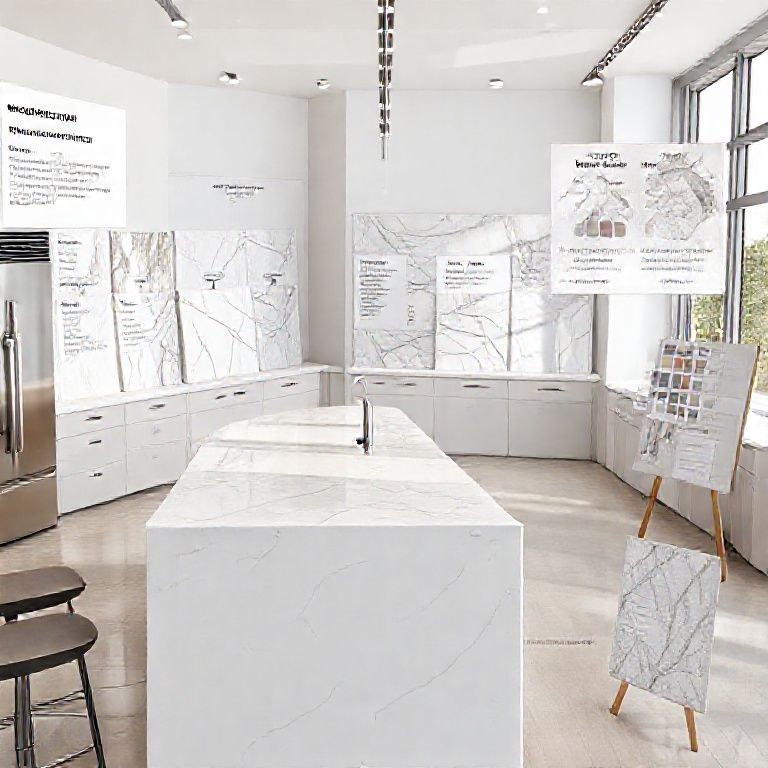
One of the primary reasons engineered marble has become a favorite among designers and homeowners alike is its luxurious appearance. The “人造大理石” replicates the intricate veins and colors of natural marble, creating surfaces that exude elegance and sophistication. This material can be designed to mimic any type of natural stone, including granite, slate, and onyx, thereby providing limitless possibilities for creative expression.
Engineered marble is also known for its design flexibility. It can be cut into various shapes and sizes, allowing architects and designers to create unique and intricate designs that would be challenging to achieve with natural marble. Whether it’s a custom kitchen countertop, a stunning bathroom vanity, or a striking feature wall, engineered marble can be tailored to meet any aesthetic vision.
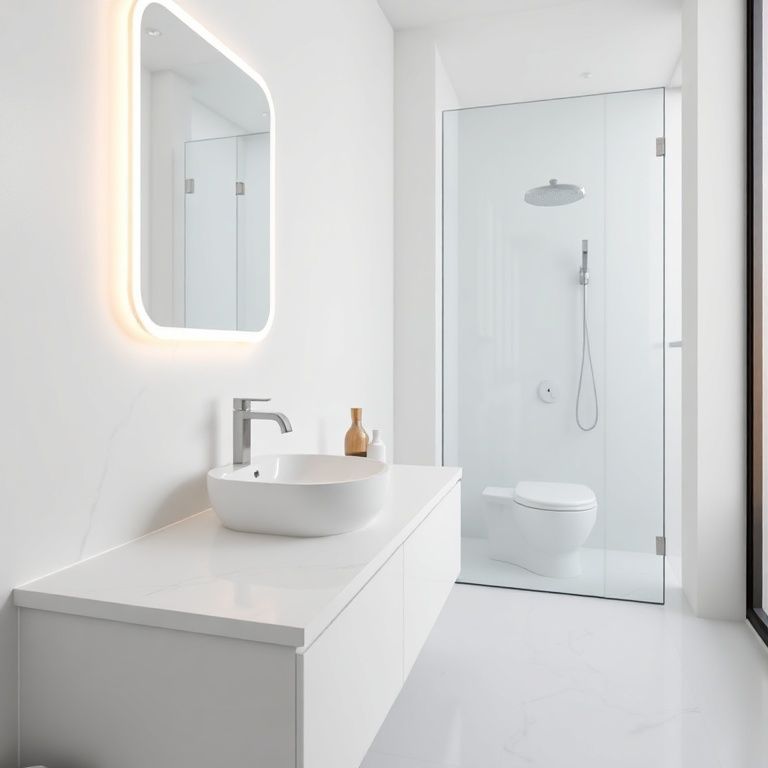
Unmatched Durability and Low Maintenance
The durability of engineered marble sets it apart from many other materials. Its composite structure makes it highly resistant to scratches, stains, and thermal damage. This means that engineered marble surfaces can withstand heavy use and maintain their pristine appearance over time. Unlike natural stone, which can be prone to chips and cracks, “人造大理石” offers a more durable option that requires less maintenance.
Moreover, engineered marble is easier to clean and maintain. It doesn’t absorb liquids or stains, which makes it ideal for high-traffic areas like kitchens and bathrooms. A simple wipe with a mild cleaner suffices to keep its surface looking flawless, eliminating the need for more intensive cleaning routines.
Sustainability and Cost-Effectiveness
Another significant advantage of engineered marble is its sustainability. The manufacturing process of “人造大理石” requires fewer natural resources than traditional marble, making it a more eco-friendly option. Additionally, because it can be produced in large quantities, it often comes at a more affordable price point compared to natural marble, making luxury flooring accessible to a wider audience.
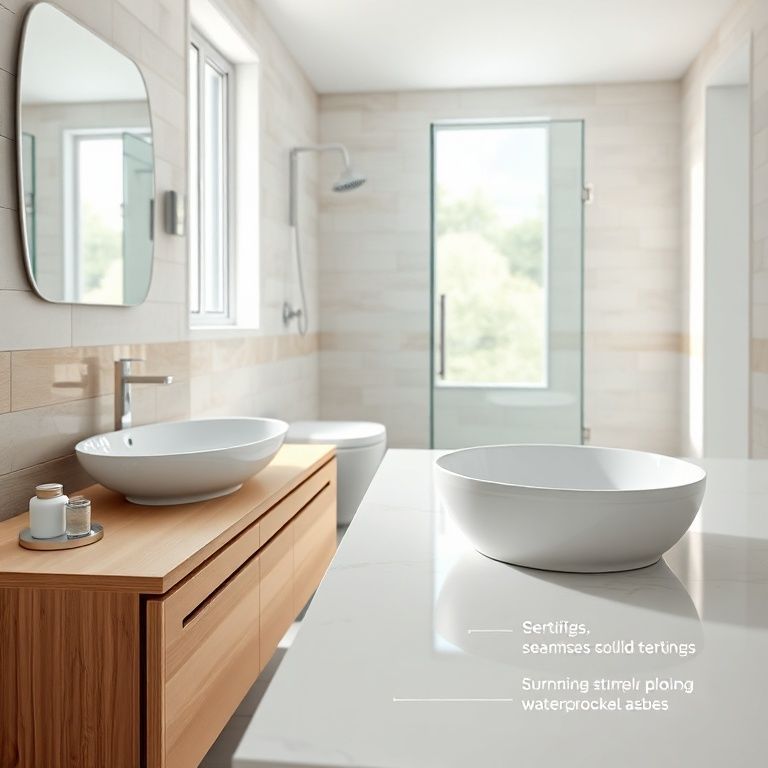
Engineered marble also offers cost-effective solutions for designers and homeowners. Its consistent quality and predictable pricing help in managing budgets effectively. Whether you’re a homeowner looking to upgrade your living space or a designer aiming to incorporate a high-end material without breaking the bank, engineered marble provides a compelling combination of luxury and practicality.
Applications of Engineered Marble
The versatility of engineered marble allows it to be used in a wide range of applications. Here are some of the most popular uses:
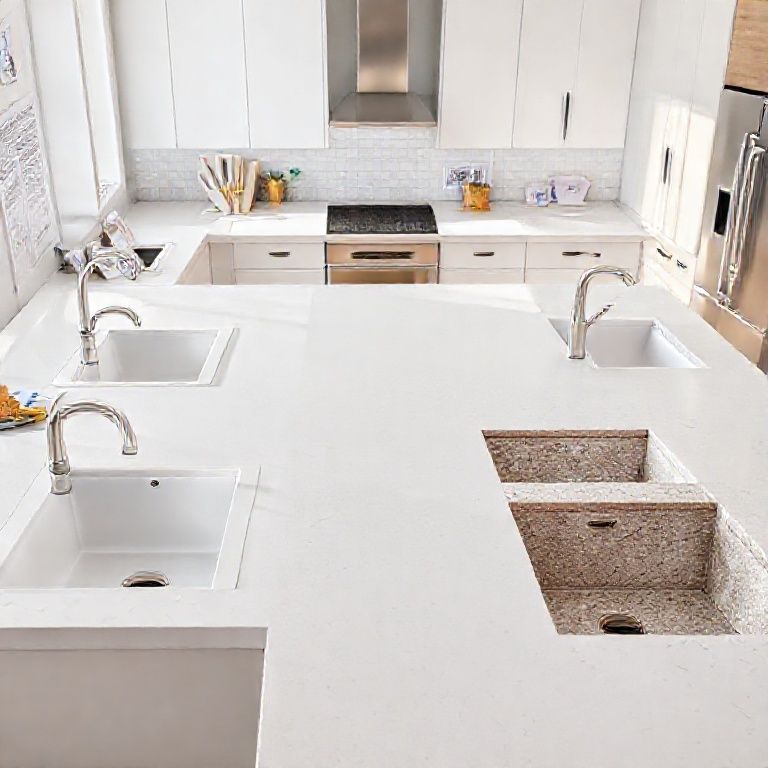
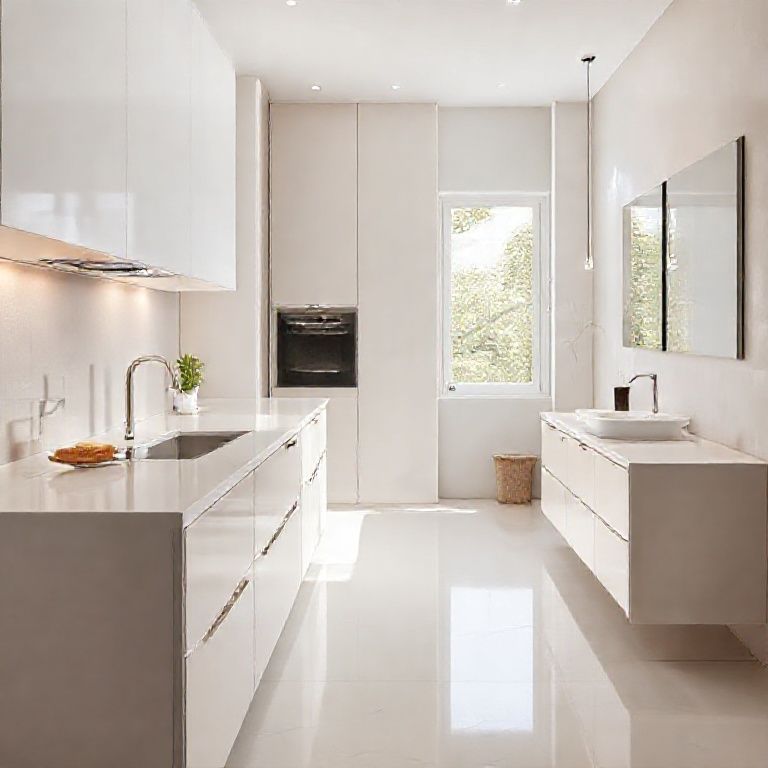
Kitchen Countertops: Engineered marble is an excellent choice for kitchen countertops due to its durability and aesthetic appeal. Its resistance to heat and stains makes it a practical choice for cooking and food preparation areas.
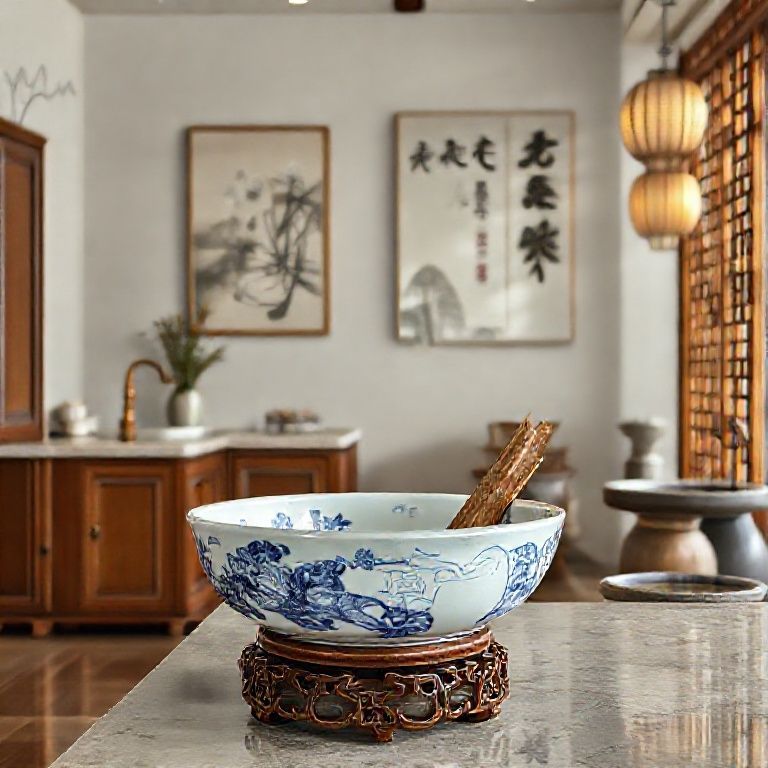
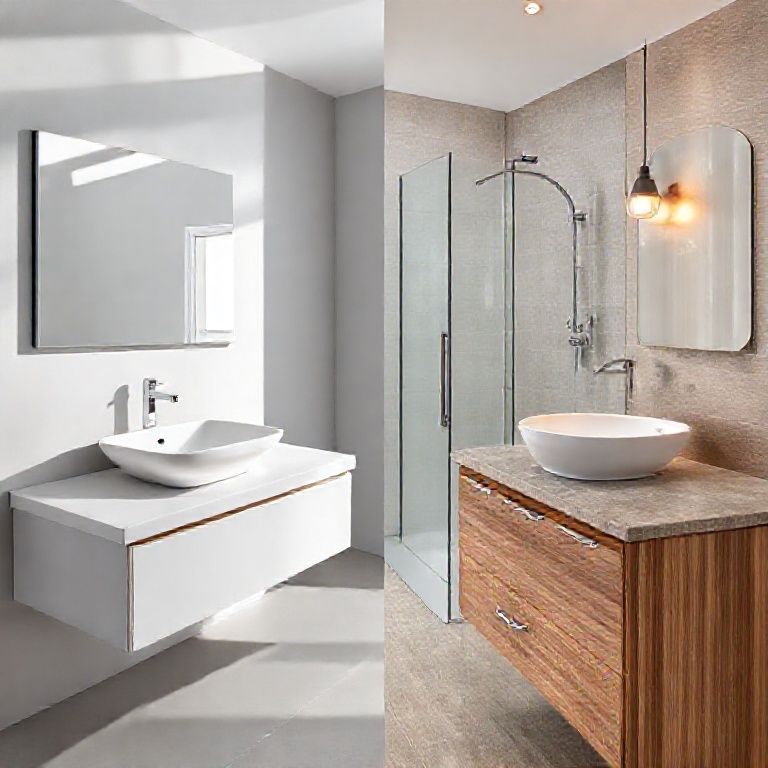
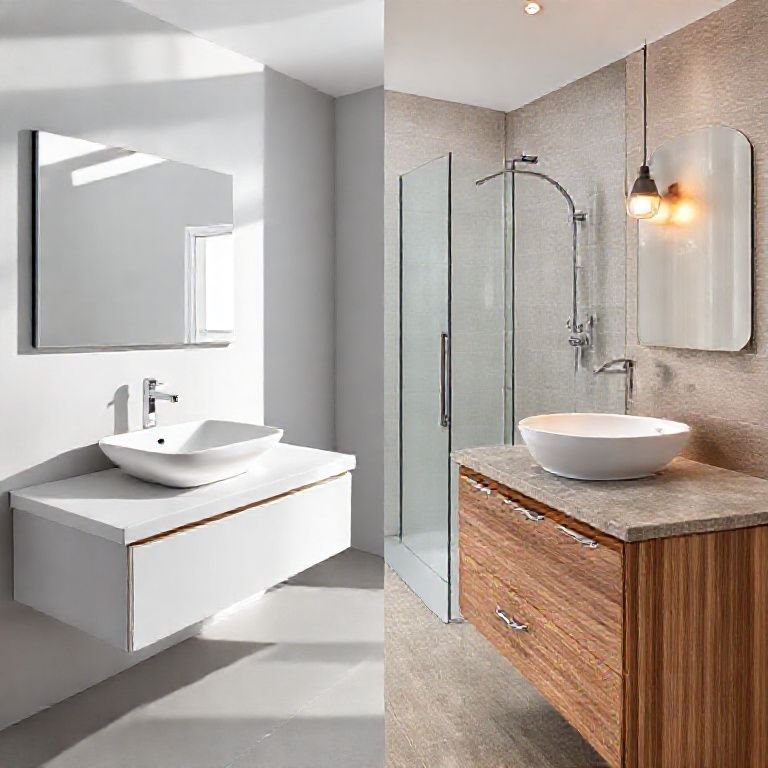
Bathroom Vanities: The sleek and elegant look of “人造大理石” makes it perfect for bathroom vanities. Its non-porous surface ensures that it won’t absorb water or stains, keeping it looking pristine over time.
Wall Cladding: Engineered marble can be used for wall cladding to add a touch of luxury to any room. Its versatile appearance allows it to blend seamlessly with various architectural styles.
Flooring: While natural stone is often used for flooring, engineered marble offers a durable and stylish alternative. It provides a sophisticated look that is easy to maintain.
Furniture: From dining tables to coffee tables, engineered marble can be used to create stunning pieces of furniture that combine durability with beauty.
Conclusion
In summary, engineered marble, or “人造大理石,” represents a remarkable fusion of luxury, durability, and versatility. Its ability to replicate the exquisite appearance of natural marble while offering superior performance and sustainability makes it an increasingly popular choice in modern design. Whether you’re looking to enhance your home’s interior or create a striking architectural feature, engineered marble is a material that promises both aesthetic appeal and long-lasting value.
Stay tuned for the second part of our exploration, where we will delve deeper into specific design trends, advanced techniques in engineered marble production, and how this innovative material continues to redefine modern aesthetics.
The Allure and Versatility of Engineered Marble: What Does It Mean?
In the second part of our exploration, we will dive deeper into the specific design trends, advanced techniques in engineered marble production, and how this innovative material continues to redefine modern aesthetics. Engineered marble, or “人造大理石,” has a distinct place in the world of luxury materials, and understanding its unique attributes can help designers and homeowners make informed choices.
Design Trends and Innovations
Customization and Unique Patterns
One of the most exciting aspects of engineered marble is its ability to be customized to fit specific design needs. Unlike natural marble, which comes in a limited range of colors and patterns, “人造大理石” allows designers to create bespoke patterns that can perfectly match the unique vision of a project. This customization can include everything from intricate geometric designs to abstract patterns that mimic the natural beauty of traditional marble.
Integration with Modern Design
Engineered marble seamlessly integrates with modern design trends, offering a sleek and contemporary look that complements a wide range of architectural styles. Whether it’s the minimalism of modern Scandinavian design or the industrial chic of contemporary urban living spaces, “人造大理石” can be tailored to fit various aesthetic preferences. This adaptability makes it an ideal choice for both new constructions and renovations.
Sustainable Design Solutions
Sustainability is at the forefront of modern design, and engineered marble plays a significant role in this movement. Its production process requires fewer natural resources compared to traditional marble, making it an eco-friendly option. Additionally, its durability reduces the need for frequent replacements, further contributing to its sustainability. By choosing engineered marble, designers and homeowners can create beautiful, long-lasting spaces that are kind to the planet.
Advanced Techniques in Engineered Marble Production
Precision in Manufacturing
The manufacturing process of engineered marble is a testament to modern engineering and precision. The material is created by layering natural stone with resins and then compressing the layers under high pressure. This process ensures that each piece of engineered marble is uniform and consistent in quality, eliminating the variability that can be found in natural stone.
Innovation in Color and Texture
Innovation in the production of “人造大理石” has led to advancements in color and texture. Modern techniques allow for the creation of marble that not only looks like natural marble but also features a wider range of colors and finishes. From deep, rich hues to subtle, understated tones, the possibilities are endless. This innovation enables designers to push the boundaries of traditional marble aesthetics, creating truly unique and captivating designs.
Enhanced Durability
Engineered marble’s durability is one of its most significant advantages. The manufacturing process ensures that the material is resistant to scratches, stains, and thermal damage. This means that engineered marble surfaces can withstand heavy use without showing signs of wear and tear. Advanced techniques in production have further enhanced the material’s durability, making it an excellent choice for high-traffic areas.
Redefining Modern Aesthetics
Combining Luxury with Functionality
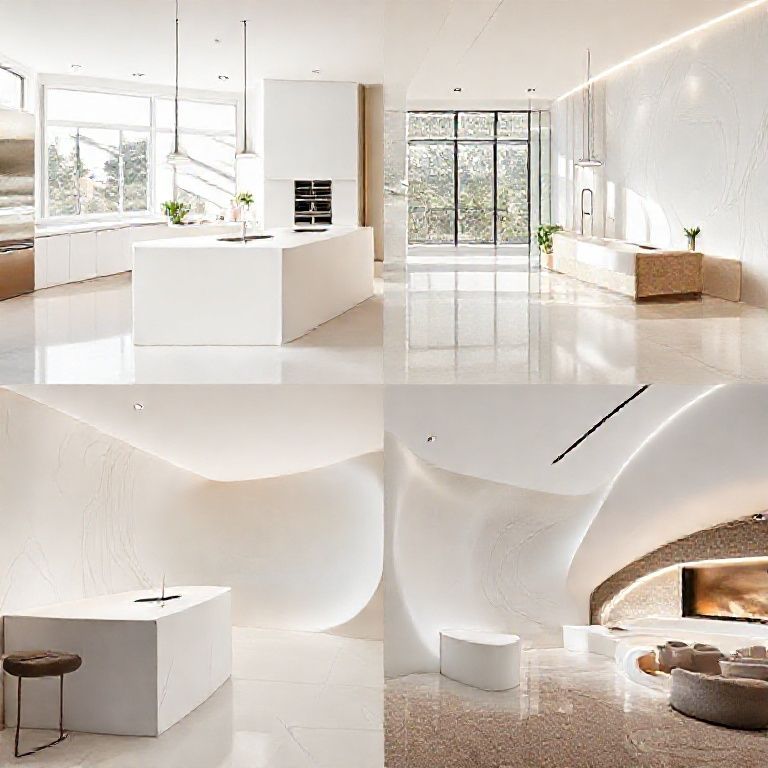
Engineered marble, or “人造大理石,” has redefined modern aesthetics by combining luxury with functionality. Its luxurious appearance, combined with practical benefits such as stain resistance and low maintenance, makes it an ideal choice for contemporary interiors. Whether it’s a sleek kitchen countertop, a sophisticated bathroom vanity, or a stylish feature wall, engineered marble brings a touch of elegance and sophistication to any space.
The Influence on Interior Design Trends
The influence of engineered marble on interior design trends cannot be overstated. Its versatility and adaptability have made it a staple in modern design. Trends such as minimalism, industrial chic, and eco-friendly design all benefit from the unique attributes of “人造大理石.” Its ability to mimic natural stone while offering superior performance aligns perfectly with the current demand for materials that are both beautiful and sustainable.
Future Innovations and Applications
The future of engineered marble looks promising, with ongoing innovations and new applications emerging regularly. Researchers and manufacturers are continually exploring ways to enhance the material’s properties, such as increasing its resistance to chemical spills or developing new colors and patterns. As technology advances, we can expect to see even more creative and practical uses of engineered marble in various industries, from residential to commercial spaces.
Conclusion
In conclusion, engineered marble, or “人造大理石,” represents a remarkable advancement in the world of luxury materials.### The Future of Engineered Marble: Trends, Innovations, and Applications
Engineered marble continues to captivate the interior design world with its unique combination of luxury, durability, and versatility. As we move further into the 21st century, the material is not only keeping pace with modern design trends but also setting new standards for functionality and sustainability. Let’s explore how engineered marble, or “人造大理石,” continues to evolve and what the future holds for this innovative material.
Trends in Engineered Marble Usage
Minimalist Design
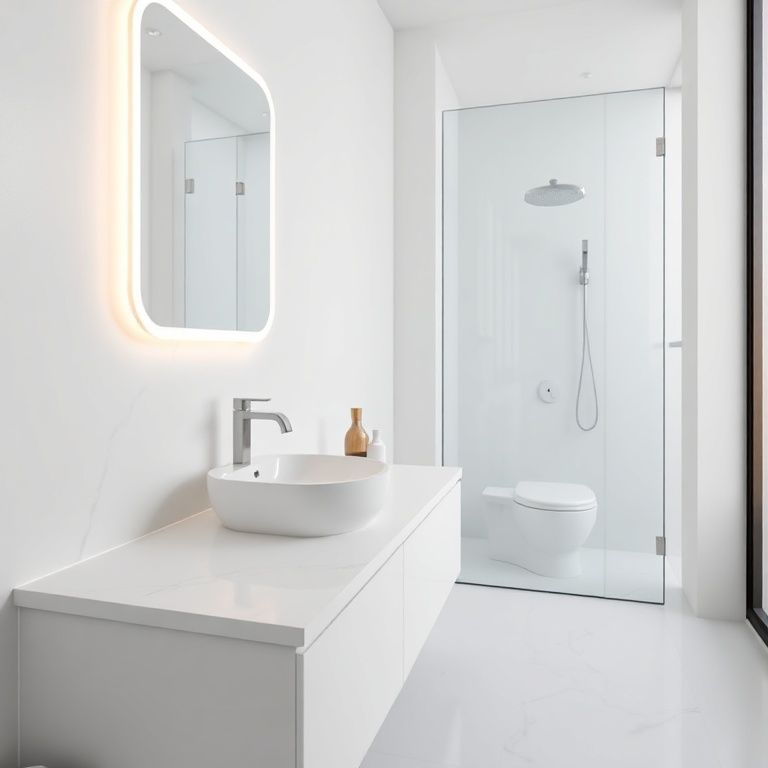
Minimalism has become a dominant trend in interior design, emphasizing simplicity, clean lines, and an uncluttered aesthetic. Engineered marble’s sleek and uniform appearance makes it an ideal choice for minimalist designs. Its ability to be produced in a variety of colors and finishes allows designers to create minimalist spaces that are both functional and visually appealing.
Sustainable Living
Sustainability is at the forefront of modern design, and engineered marble plays a significant role in this movement. Its production process requires fewer natural resources compared to traditional marble, making it an eco-friendly option. Additionally, its durability reduces the need for frequent replacements, further contributing to its sustainability. As more people become conscious of their environmental footprint, the demand for sustainable materials like engineered marble is likely to grow.
Smart Home Integration
With the rise of smart homes, materials that can integrate seamlessly with technology are becoming increasingly popular. Engineered marble’s durability and ease of maintenance make it a practical choice for spaces that incorporate smart home features. Its non-porous surface also means it won’t interfere with electronic devices, making it an excellent choice for smart kitchen countertops and bathroom vanities.
Health-Conscious Design
In recent years, health-conscious design has gained popularity, especially in areas where people spend a lot of time, like homes and offices. Engineered marble’s non-porous surface is resistant to bacteria and mold, making it a hygienic choice for kitchens, bathrooms, and other high-traffic areas. Its resistance to stains and chemicals also means it can withstand the rigors of daily cleaning without losing its appearance.
Innovations in Engineered Marble Production
Enhanced Surface Treatments
Advancements in surface treatments are enhancing the performance and aesthetics of engineered marble. New techniques allow for the creation of surfaces that are not only more durable but also more visually striking. For example, anti-fingerprint coatings can be applied to engineered marble to maintain its pristine appearance, while UV-resistant coatings protect it from fading due to prolonged exposure to sunlight.
Advanced Coloring Techniques
Engineered marble’s coloring techniques have evolved to offer a wider range of hues and finishes. Modern methods allow for the creation of marble that not only looks like natural marble but also features unique and innovative colors. This includes everything from metallic finishes to holographic effects, pushing the boundaries of traditional marble aesthetics.
Improved Durability and Resistance
Research and development are continually improving the durability and resistance of engineered marble. New formulations are being developed to increase resistance to chemical spills, thermal shock, and mechanical wear. These advancements ensure that engineered marble can meet the demands of even the most demanding applications.
Future Applications
Commercial Spaces
Engineered marble’s versatility and durability make it an excellent choice for commercial spaces, from office buildings to retail environments. Its ability to be customized to fit specific design needs means it can be used to create unique and engaging spaces that attract customers and clients.
Healthcare Facilities
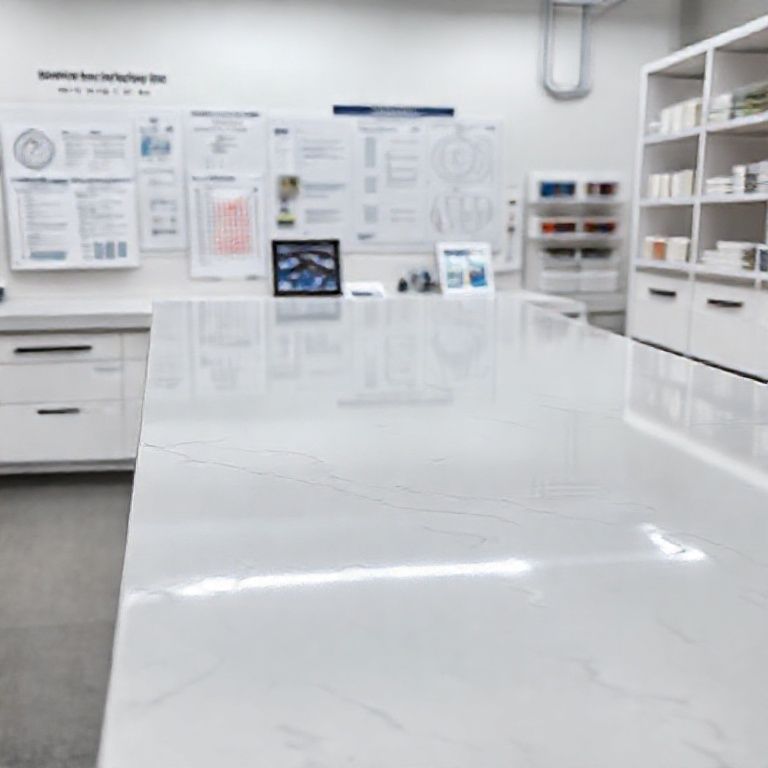
In healthcare facilities, where hygiene and durability are paramount, engineered marble’s non-porous surface and resistance to bacteria make it an ideal choice. Its durability also means it can withstand the rigorous cleaning protocols required in hospitals and clinics, ensuring that these spaces remain clean and safe.
Educational Institutions
Engineered marble’s durability and ease of maintenance make it a practical choice for educational institutions, where spaces are subject to heavy use. Its ability to be customized to fit specific design needs means it can be used to create engaging and functional learning environments.
Conclusion
Engineered marble, or “人造大理石,” continues to redefine the standards of luxury, durability, and versatility in the world of interior design. As we look to the future, the material’s ability to adapt to new trends, innovations, and applications ensures that it will remain a preferred choice for both designers and homeowners. Whether it’s for residential, commercial, or educational spaces, engineered marble’s unique combination of aesthetics and functionality makes it an ideal material for creating beautiful, sustainable, and long-lasting interiors.
By embracing the advancements and trends in engineered marble, we can look forward to a future where luxury materials play a vital role in creating healthier, more sustainable, and more innovative spaces.