Introduction to Engineered Marble: A Revolutionary Material
In the dynamic world of modern design and construction, engineered marble, also known as synthetic or artificial marble, stands out as a game-changer. This remarkable material has transformed the way we perceive traditional stone, offering an array of benefits that cater to both aesthetics and functionality. Engineered marble is a high-performance composite material, often referred to as “stone-look” or “stone-effect” material, meticulously crafted to mimic the beauty and durability of natural marble and granite.
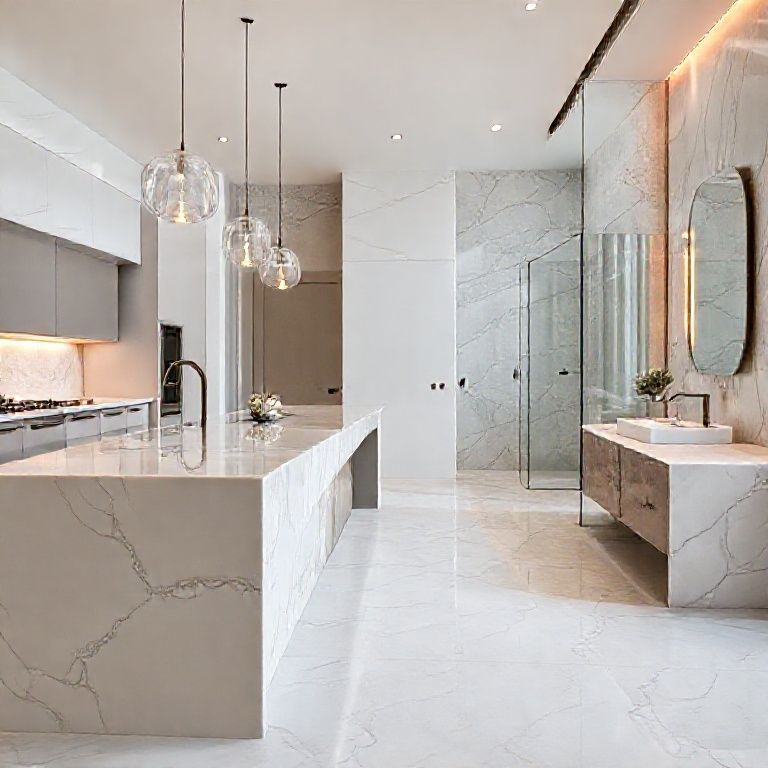
The Composition of Engineered Marble
Engineered marble is created through a sophisticated process that combines resin, pigments, and other additives to form a composite material that closely resembles natural stone. The primary components include a base resin, which acts as the foundation, and colored pigments that replicate the intricate patterns found in natural marble. Unlike natural stone, which is a natural product, engineered marble is manufactured in controlled environments, allowing for precise control over its appearance and properties.
The production process involves pouring the resin and pigment mixture into molds that replicate the desired stone patterns. Once poured, the material is left to cure, during which it hardens and takes on a stone-like texture. This process ensures that each piece of engineered marble is a unique creation, yet it remains consistent in quality and appearance.
Benefits of Engineered Marble
One of the most compelling reasons for the growing popularity of engineered marble is its myriad benefits. Here are some of the key advantages that make it a preferred choice for modern design and construction:
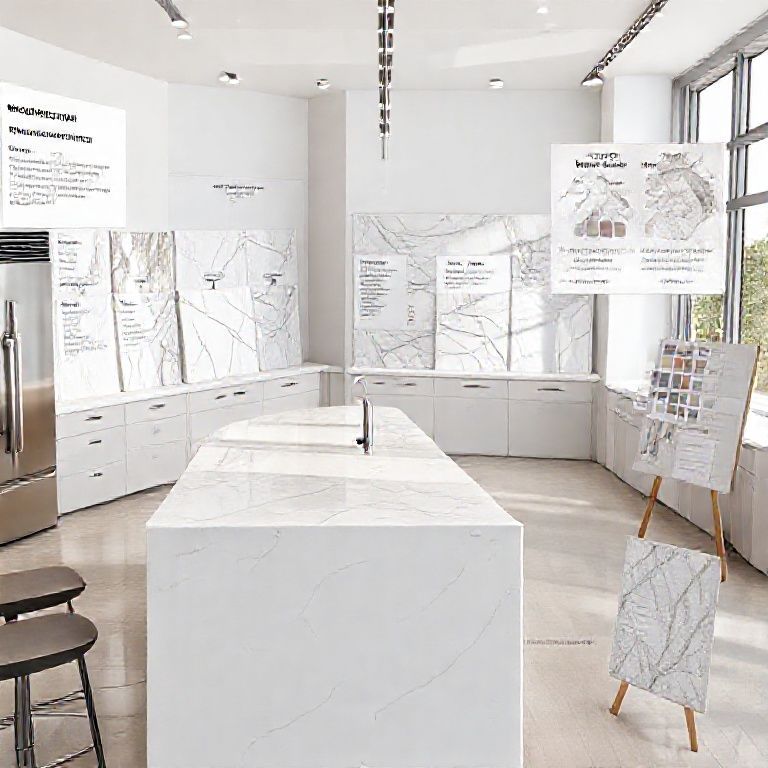
1. Durability and Longevity: Engineered marble is incredibly durable and resistant to scratches, stains, and impact, making it an excellent choice for high-traffic areas such as kitchens, bathrooms, and commercial spaces. Unlike natural stone, which can be prone to staining and chipping, engineered marble maintains its pristine appearance over time.
2. Water Resistance: One of the major drawbacks of natural stone is its susceptibility to water absorption, which can lead to staining and degradation. Engineered marble, however, is water-resistant, making it ideal for wet environments. Its non-porous nature ensures that it remains clean and easy to maintain.
3. Customization and Design Flexibility: Engineered marble offers unparalleled flexibility in design. Manufacturers can create virtually any pattern, color, and texture, allowing designers to push the boundaries of creativity. From traditional marble veining to unique custom designs, the possibilities are limitless.
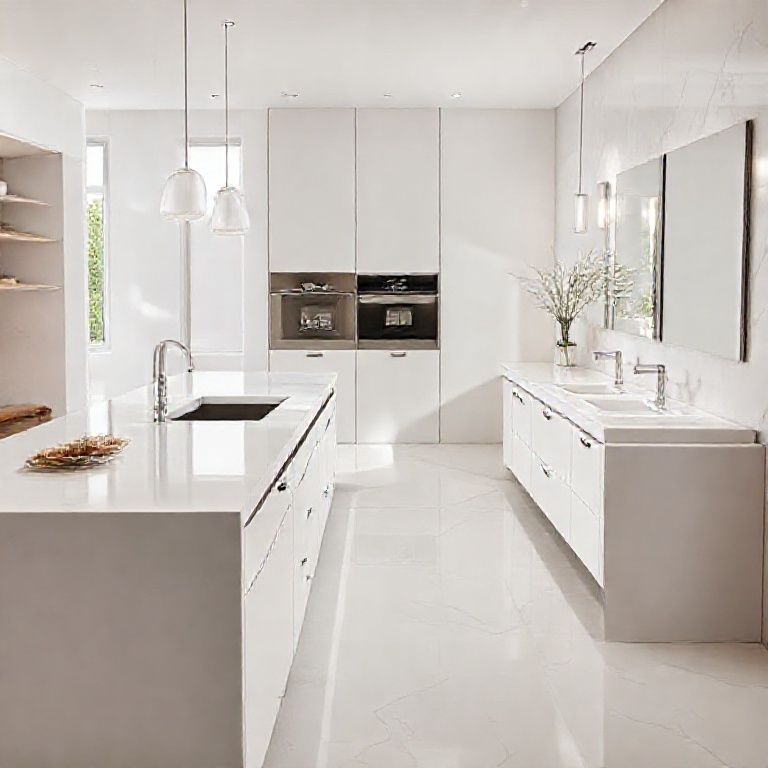
4. Cost-Effectiveness: While natural stone can be expensive, engineered marble offers a more cost-effective alternative without compromising on quality. The ability to mass-produce engineered marble also means that it is generally more affordable than its natural counterpart.
Applications of Engineered Marble
Engineered marble finds applications in a wide range of settings, from residential homes to commercial buildings. Here are some of the most common uses:
1. Kitchen Countertops: Engineered marble countertops have become a popular choice for kitchens due to their durability, beauty, and ease of maintenance. They provide a luxurious look that rivals natural stone while being more practical for everyday use.
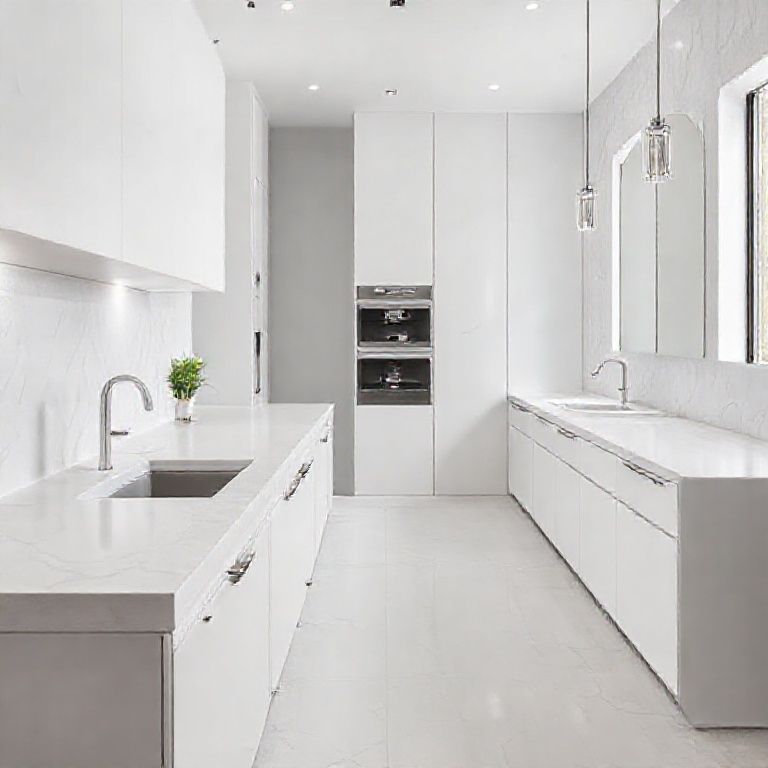
2. Bathrooms: Bathrooms benefit greatly from engineered marble, especially in sinks, vanities, and shower surrounds. Its water resistance and easy maintenance make it an ideal choice for areas that are frequently exposed to moisture.
3. Interior Design: Engineered marble is used in various interior design elements, including walls, floors, and decorative features. Its versatility allows it to be incorporated into both modern and traditional designs, adding a touch of elegance and sophistication.
4. Commercial Spaces: In commercial settings, engineered marble is often used in reception areas, lobbies, and office spaces. Its durability and aesthetic appeal make it a popular choice for creating impressive and lasting environments.
Conclusion
Engineered marble represents a significant advancement in material innovation, offering a stunning alternative to natural stone that combines beauty with practicality. Its durability, water resistance, customization options, and cost-effectiveness make it an ideal choice for a wide range of applications. As designers and architects continue to explore new ways to enhance aesthetics and functionality, engineered marble stands out as a material that meets modern needs without compromising on quality. In the next part, we will delve deeper into the technology behind engineered marble, its environmental impact, and future trends in the industry.
The Technology Behind Engineered Marble: A Deep Dive
In the previous part, we explored the composition, benefits, and applications of engineered marble. Now, let’s delve deeper into the technology that makes this remarkable material possible. Understanding the intricate processes and scientific advancements that underpin engineered marble provides valuable insight into its exceptional qualities and future potential.
The Manufacturing Process
Creating engineered marble is a meticulous process that involves several key steps:
1. Resin Mixing: The first step in the manufacturing process is the mixing of resin, which acts as the base material. Resins, typically made from melamine or polyester, provide the structural integrity of the final product. These resins are mixed with a variety of additives to achieve the desired hardness, flexibility, and aesthetic qualities.
2. Pigment Application: Color pigments are carefully selected and blended into the resin mixture to create the desired stone-like appearance. The pigments are chosen to closely mimic the natural patterns found in marble and granite, ensuring that each piece of engineered marble has a unique and realistic look.
3. Molding: The resin and pigment mixture is then poured into molds that replicate the intricate patterns of natural stone. The molds are designed using advanced 3D printing technology, allowing for precise replication of complex designs. Once poured, the material is left to cure, during which it hardens and takes on the stone-like texture.
4. Finishing: After curing, the material is removed from the molds and undergoes a finishing process. This may include sanding, polishing, and applying protective coatings to enhance its durability and resistance to scratches and stains. The finishing process ensures that each piece of engineered marble has a smooth, professional appearance.
Innovations in Engineered Marble Technology
The technology behind engineered marble is constantly evolving, driven by advancements in material science and manufacturing techniques. Here are some of the key innovations that have shaped the industry:
1. Nanotechnology: Nanotechnology plays a significant role in the development of engineered marble. By incorporating nanoparticles into the resin mixture, manufacturers can enhance the material’s durability, strength, and resistance to environmental factors. These advancements allow for the creation of marble that is even more resilient and long-lasting.
2. Digital Printing: Digital printing technology has revolutionized the way engineered marble is produced. By using advanced digital printing techniques, manufacturers can create highly realistic and intricate patterns that closely mimic natural stone. This technology allows for greater customization and creativity, enabling designers to create unique and bespoke pieces.
3. Sustainable Practices: Sustainability is a growing concern in the manufacturing industry, and engineered marble is no exception. Manufacturers are increasingly adopting eco-friendly practices to reduce their environmental impact. This includes using recycled materials, minimizing waste, and implementing energy-efficient production processes.
Environmental Impact and Sustainability
While engineered marble offers numerous benefits, it is essential to consider its environmental impact. Unlike natural stone, which is a non-renewable resource, engineered marble is a man-made product. However, this does not necessarily mean that it is inherently more harmful to the environment.
1. Resource Efficiency: Engineered marble production requires fewer natural resources compared to extracting and processing natural stone. By using synthetic materials, manufacturers can reduce the demand for natural stone, helping to preserve its natural habitats and ecosystems.
2. Waste Reduction: The manufacturing process for engineered marble generates less waste compared to traditional stone quarrying and processing. The ability to recycle and reuse materials in the production process further minimizes environmental impact.
3. Energy Consumption: While the production of engineered marble does require energy, advancements in manufacturing technology have led to more energy-efficient processes. By adopting sustainable practices, manufacturers can reduce the overall carbon footprint of their operations.
Future Trends in Engineered Marble
The future of engineered marble looks promising, with ongoing innovations and advancements driving the industry forward. Here are some of the trends that are shaping the next generation of engineered marble:
1. Enhanced Aesthetic Options: As digital printing technology continues to advance, the possibilities for creating intricate and realistic patterns in engineered marble are expanding. Manufacturers are exploring new ways to replicate the natural beauty of stone, offering designers even more creative options.
2. Smart Materials: The integration of smart materials into engineered marble is an exciting development. By incorporating sensors and other advanced technologies, manufacturers can create marble that responds to environmental changes, such as temperature and humidity, offering new possibilities for smart home and commercial applications.
3. Increased Sustainability: As environmental concerns continue to grow, the focus on sustainability in engineered marble production is intensifying. Manufacturers are exploring new ways to make the production process more eco-friendly, including using renewable energy sources, reducing waste, and developing more sustainable materials.
Conclusion
Engineered marble is a remarkable material that has transformed the world of modern design and construction. Its durability, water resistance, customization options, and cost-effectiveness make it a popular choice for a wide range of applications. The advanced technology behind its production ensures that each piece is a high-quality, long
The Future Trends in Engineered Marble
The future of engineered marble looks promising, with ongoing innovations and advancements driving the industry forward. Here are some of the trends that are shaping the next generation of engineered marble:
1. Enhanced Aesthetic Options: As digital printing technology continues to advance, the possibilities for creating intricate and realistic patterns in engineered marble are expanding. Manufacturers are exploring new ways to replicate the natural beauty of stone, offering designers even more creative options.
2. Smart Materials: The integration of smart materials into engineered marble is an exciting development. By incorporating sensors and other advanced technologies, manufacturers can create marble that responds to environmental changes, such as temperature and humidity, offering new possibilities for smart home and commercial applications.
3. Increased Sustainability: As environmental concerns continue to grow, the focus on sustainability in engineered marble production is intensifying. Manufacturers are exploring new ways to make the production process more eco-friendly, including using renewable energy sources, reducing waste, and developing more sustainable materials.
4. Customizable Solutions: Engineered marble is already known for its customization options, but future advancements will likely expand these capabilities even further. Designers and architects will have even more control over the appearance, texture, and functionality of their marble creations, allowing for truly unique and tailored solutions.
5. Advanced Protective Coatings: To further enhance the durability and resistance of engineered marble, manufacturers are developing advanced protective coatings. These coatings can provide added protection against scratches, stains, and environmental factors, ensuring that engineered marble remains pristine for longer periods.
6. Integration with Smart Technology: The integration of engineered marble with smart technology is another exciting trend. By combining marble with IoT (Internet of Things) devices, manufacturers can create interactive surfaces that respond to user inputs, adding a new level of interactivity and functionality to homes and commercial spaces.
Conclusion
Engineered marble continues to evolve, driven by technological advancements and a growing focus on sustainability and customization. Its ability to mimic the beauty of natural stone while offering superior durability and practical benefits makes it an ideal choice for modern design and construction. As the industry moves forward, we can expect to see even more innovative developments in engineered marble, further expanding its applications and capabilities.
In the next part, we will explore specific case studies and real-world examples of engineered marble in action, highlighting its versatility and the impressive transformations it can achieve in various settings.
Real-World Applications and Case Studies of Engineered Marble
Engineered marble has made significant strides in various industries, proving its versatility and the impressive transformations it can achieve. In this part, we will explore specific case studies and real-world applications to demonstrate how engineered marble is being used to create stunning and functional spaces.
1. Residential Homes
Kitchen Transformation: In a recent residential project, engineered marble was used to create a stunning kitchen countertop that seamlessly blended modern design with traditional aesthetics. The custom-designed marble countertop featured intricate veining and a unique color palette that complemented the home’s overall decor. Its durability and ease of maintenance made it an ideal choice for a high-traffic area, ensuring that the kitchen remains beautiful and functional for years to come.
Bathroom Renovation: Another residential project showcased the use of engineered marble in a bathroom renovation. The bathroom featured a marble-effect vanity, shower surround, and flooring, creating a cohesive and luxurious look. The water-resistant properties of engineered marble ensured that the bathroom remained clean and easy to maintain, even in a humid environment.
2. Commercial Spaces
Office Interiors: In a modern office building, engineered marble was used to create a striking reception area that impressed clients and employees alike. The reception desk, waiting area chairs, and floor tiles were all crafted from high-quality engineered marble, providing a professional and polished look. The material’s durability ensured that the reception area remained pristine and well-maintained throughout the day.
Retail Spaces: Retail spaces have also benefited from the use of engineered marble. In a high-end retail store, engineered marble was used to create custom displays and shelving units that showcased the store’s products. The unique patterns and colors of the engineered marble added a touch of elegance and sophistication, enhancing the overall shopping experience.
3. Public Buildings
Museum Exhibits: Engineered marble has found its way into public buildings, such as museums, where it is used to create exhibits that are both beautiful and durable. In a renowned museum, engineered marble was used to create a series of displays that showcased ancient artifacts. The material’s realistic appearance and resistance to environmental factors ensured that the exhibits remained intact and visually appealing for years.
Educational Institutions: In educational institutions, engineered marble is used to create functional and aesthetically pleasing spaces. In a university campus, engineered marble was used to construct modern classroom desks and seating areas. The material’s durability and ease of maintenance made it an ideal choice for educational settings, where furniture is often subject to heavy use.
4. Luxury Hotels and Resorts
Spa and Wellness Areas: Luxury hotels and resorts often incorporate engineered marble into their spa and wellness areas to create serene and luxurious environments. In a high-end resort, engineered marble was used to construct the walls, floors, and fixtures in a spa treatment room. The material’s natural appearance and resistance to moisture and stains ensured that the spa area remained clean and inviting for guests.
Lobby and Common Areas: In the lobby and common areas of luxury hotels, engineered marble is used to create impressive and long-lasting features. In a five-star hotel, the lobby featured a stunning engineered marble fountain that served as a focal point. The material’s durability and realistic appearance made it an ideal choice for a high-profile location, where it could withstand the constant foot traffic.
Conclusion
Engineered marble has proven its versatility and the impressive transformations it can achieve across various settings. From residential homes to commercial spaces, public buildings, and luxury hotels, engineered marble continues to impress with its beauty, durability, and ease of maintenance. The material’s ability to mimic the natural beauty of stone while offering superior practical benefits makes it an ideal choice for modern design and construction.
As we continue to see advancements in technology and manufacturing processes, the future of engineered marble looks bright, with even more innovative applications and developments on the horizon. Whether used for functional or decorative purposes, engineered marble continues to shape the world of modern design and construction in remarkable ways.