The Rising Popularity of Artificial Marble
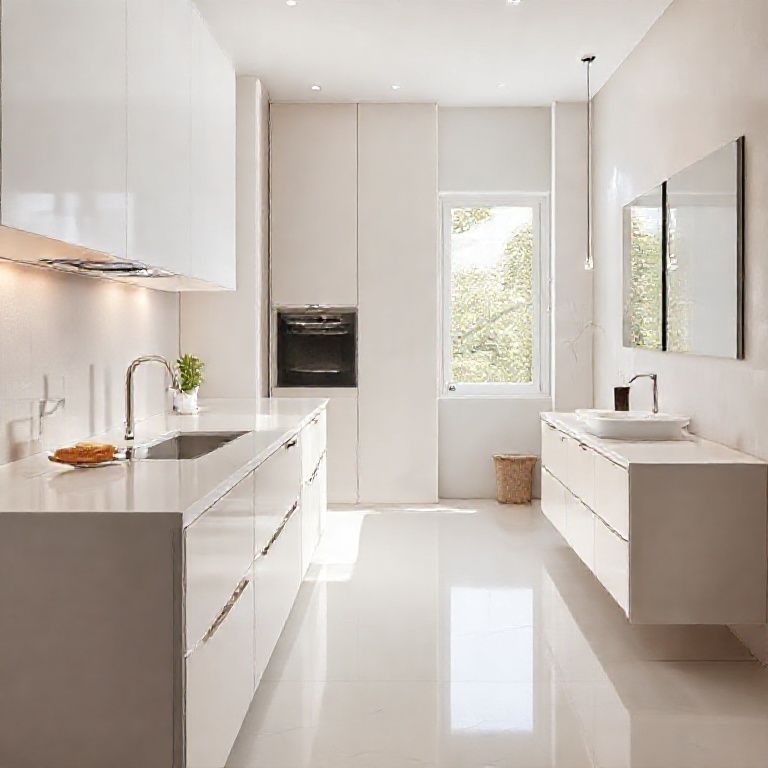
In the realm of interior design, the evolution of materials has always been driven by a blend of innovation and aesthetics. Today, one material stands out for its stunning appearance, durability, and sustainability—artificial marble. Known for its luxurious look and practical benefits, artificial marble is revolutionizing the way we approach design, from homes to commercial spaces.
Understanding Artificial Marble
Artificial marble, often referred to as cultured stone, is a composite material that combines acrylic resin with mineral filler. This unique combination creates a stone-like appearance that mirrors the elegance of natural marble while offering superior performance. Unlike natural stone, artificial marble is manufactured under controlled conditions, allowing designers and manufacturers to achieve precise colors, patterns, and finishes.
The Process of Artificial Marble Creation
Creating artificial marble involves several intricate steps that merge art and science. The process begins with the meticulous selection of high-quality mineral fillers, such as calcite, dolomite, and barium sulfate, which provide the material its distinct texture and color. These minerals are then mixed with a polymer resin that acts as the binding agent. The mixture is poured into molds and subjected to high heat and pressure, resulting in a solid, homogeneous material.
Color and Design Customization
One of the most compelling aspects of artificial marble is its ability to mimic the natural beauty of various types of marble while allowing for unprecedented design flexibility. Manufacturers can create custom colors and patterns that cater to specific design preferences. This flexibility means that artificial marble can be tailored to match or exceed the visual appeal of natural stone, all while offering a more cost-effective and durable alternative.
Advantages Over Natural Marble
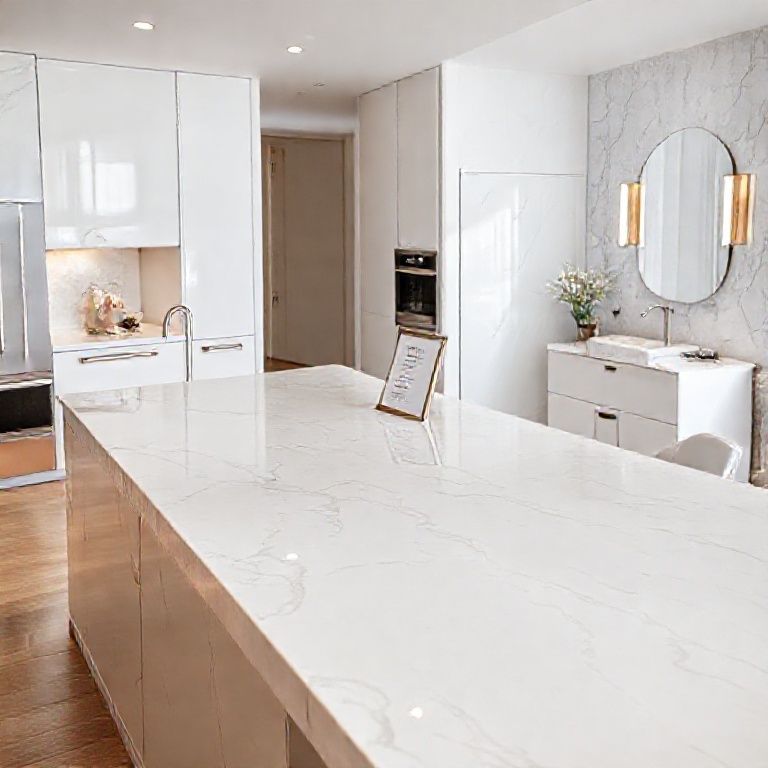
While natural marble boasts timeless beauty, it comes with significant drawbacks. Natural marble is prone to staining, requires sealing to maintain its appearance, and can be quite expensive. Artificial marble, on the other hand, is impervious to stains and scratches, does not require sealing, and offers a broader range of colors and patterns without the price tag of natural stone.
Applications in Modern Interior Design
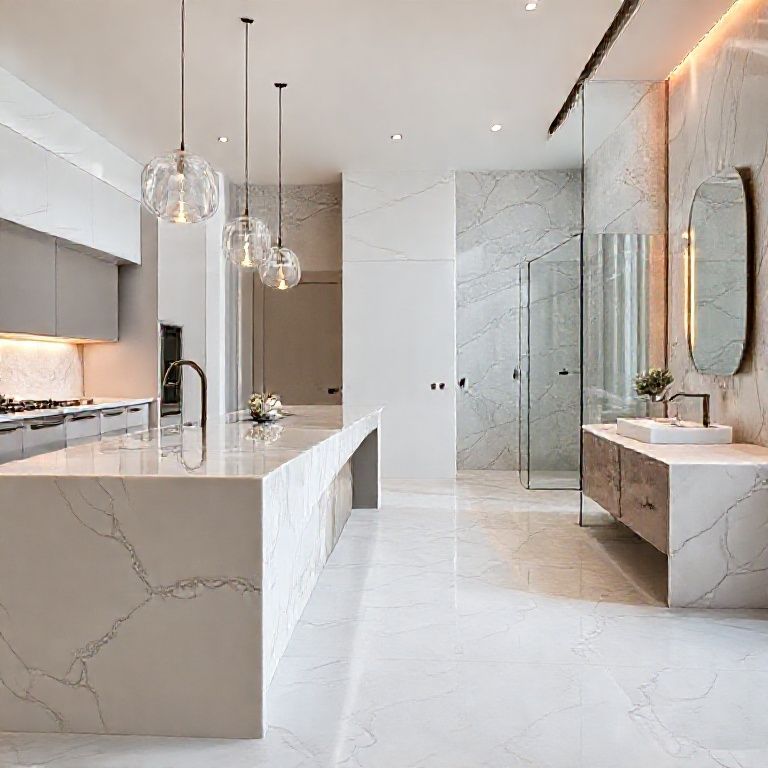
Artificial marble’s versatility makes it an ideal choice for a wide array of applications. In kitchens, countertops made from artificial marble can withstand the daily rigors of cooking and cleaning without showing signs of wear. In bathrooms, it provides a sleek, easy-to-clean surface that enhances both aesthetics and functionality. For commercial spaces, artificial marble can be used in reception areas, conference rooms, and retail displays to create an upscale and sophisticated environment.
Sustainability and Environmental Impact
As the world increasingly turns towards sustainable practices, artificial marble stands out as an eco-friendly option. The production process of artificial marble is more energy-efficient compared to quarrying natural stone. Additionally, it reduces the demand for natural marble, helping to preserve valuable natural resources. By choosing artificial marble, designers and consumers contribute to a more sustainable future.
Conclusion to Part 1
The rise of artificial marble in modern interior design marks a significant shift in the way we perceive and use materials. Its blend of beauty, durability, and sustainability makes it a compelling choice for both residential and commercial projects. As we explore its multifaceted advantages, it’s clear that artificial marble is not just a material but a transformative force in the world of design.
Advanced Technologies in Artificial Marble Production
As the demand for artificial marble continues to grow, so does the technology behind its production. Advanced manufacturing processes and innovative techniques have elevated artificial marble to new heights, offering unparalleled precision, durability, and aesthetic versatility. Let’s delve deeper into the advanced technologies that make artificial marble a superior choice in contemporary design.
Innovations in Material Composition
The core of artificial marble lies in its unique composition, blending acrylic resin with high-quality mineral fillers. Modern advancements have refined this mix to enhance its strength, durability, and resistance to various environmental factors. Innovations in material composition have led to the development of ultra-high-performance (UHPC) artificial marble, which exhibits exceptional hardness and resilience. This innovation ensures that artificial marble can withstand the rigors of daily use in high-traffic areas without compromising on its aesthetic appeal.
Cutting-Edge Manufacturing Techniques
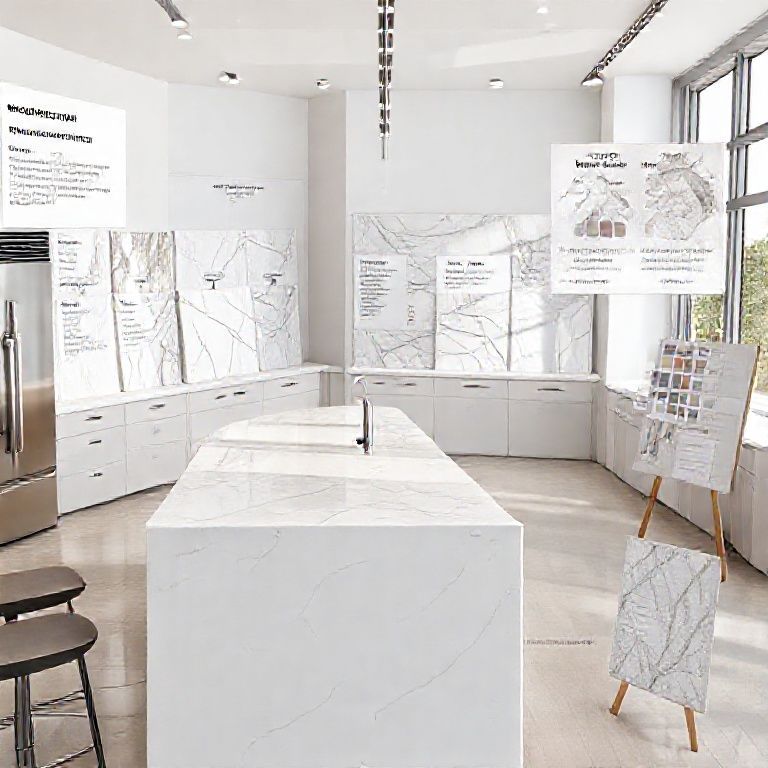
The manufacturing process of artificial marble has seen significant advancements, thanks to cutting-edge techniques that ensure superior quality and consistency. One of the most notable techniques is the use of high-pressure steam curing. This method involves subjecting the mixture to high temperatures and pressure, which not only enhances the material’s strength but also results in a smoother, more polished finish. Additionally, advanced molding technologies allow for intricate designs and patterns that closely mimic natural stone, further blurring the line between artificial and natural.
Precision in Color and Pattern Creation
The ability to create precise colors and patterns is one of the hallmarks of artificial marble. Modern manufacturing techniques allow for the integration of pigments at a microscopic level, ensuring that each piece of artificial marble exhibits a consistent, vibrant, and lifelike appearance. Digital color mixing and advanced printing technologies enable designers to achieve custom color schemes that are not only visually stunning but also durable and long-lasting.
Surface Treatments and Finishes
Artificial marble’s surface can be treated in various ways to achieve different finishes, catering to a wide range of design preferences. From matte and high-gloss finishes to textured and veined patterns, the possibilities are virtually limitless. Advanced surface treatments can also be applied to enhance the material’s aesthetic appeal, such as anti-fingerprint coatings and antimicrobial surfaces, making it suitable for both residential and commercial applications.
Durability and Maintenance
One of the most significant advantages of artificial marble is its durability. Unlike natural stone, artificial marble does not require sealing to prevent staining. It is highly resistant to acids, alkalis, and most household chemicals, making it an ideal choice for areas where spills and stains are common. Moreover, artificial marble’s scratch resistance means it can maintain its pristine appearance even in high-traffic areas.
Applications in Contemporary Design
Artificial marble’s versatility makes it a preferred choice for various contemporary design applications. In residential spaces, it is commonly used for kitchen countertops, bathroom vanities, and shower enclosures. Its sleek, modern look complements minimalist and modern design styles, providing a clean, elegant surface that is both functional and aesthetically pleasing.
In commercial settings, artificial marble is ideal for reception areas, conference rooms, and retail displays. Its durability and resistance to wear and tear make it perfect for high-traffic areas where aesthetics meet functionality. Moreover, its ability to be customized in color and pattern allows designers to create unique, cohesive spaces that leave a lasting impression.
Sustainability and Future Trends
As we move towards a more sustainable future, the production of artificial marble aligns with global efforts to reduce environmental impact. The use of less natural stone and the implementation of eco-friendly manufacturing processes contribute to a more sustainable building industry. Future trends in artificial marble production are likely to focus on further enhancing its eco-friendliness, incorporating more recycled materials, and developing even more innovative techniques to create stunning, sustainable designs.
Conclusion to Part 2
The advanced technologies and innovative techniques in artificial marble production have revolutionized the way we perceive and utilize this remarkable material. Its combination of beauty, durability, and sustainability makes it an excellent choice for both residential and commercial projects. As we continue to explore its potential, it’s clear that artificial marble is not just a material but a transformative force in the world of contemporary design.
In summary, artificial marble stands out as a versatile, durable, and sustainable choice in modern interior design. Its unique blend of aesthetics and functionality, coupled with advanced manufacturing techniques, makes it a preferred material for a wide range of applications. As technology continues to evolve, the future of artificial marble looks promising, promising even more innovative and sustainable design possibilities.