Introduction to Artificial Marble
Artificial marble, often referred to as composite stone, has revolutionized the world of interior design and construction. Its combination of beauty, durability, and versatility makes it a popular choice for countertops, sinks, and decorative panels. Unlike natural marble, artificial marble is manufactured using a blend of resin, pigments, and other materials to create a product that mimics the look and feel of natural stone. This article will explore the meticulous steps involved in the artificial marble manufacturing process.
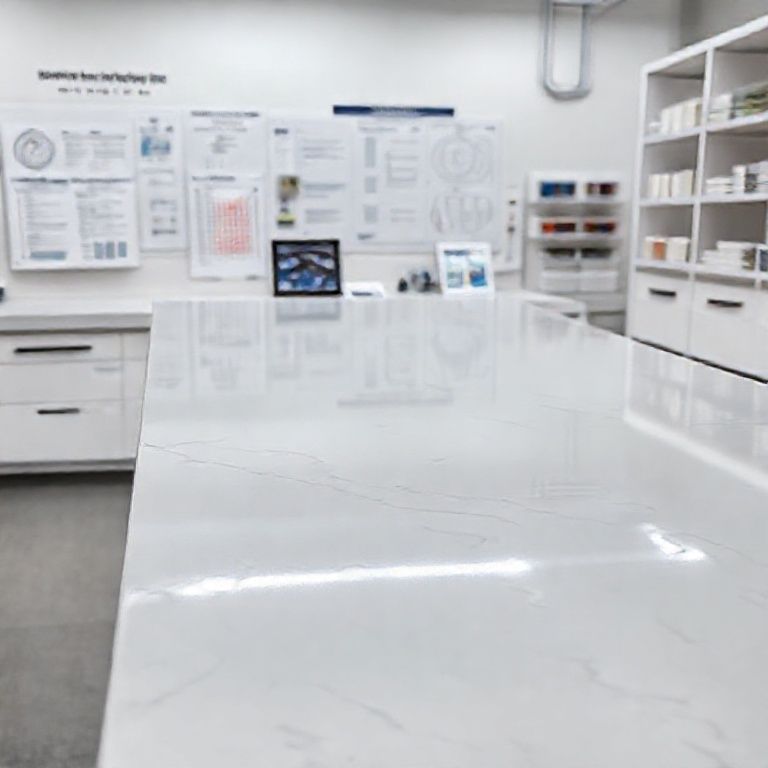
Step 1: Raw Material Selection
The first step in the artificial marble manufacturing process involves selecting high-quality raw materials. The primary component is usually a type of resin, such as epoxy or polyester, which acts as the binder. Pigments and colorants are also selected to achieve the desired aesthetic. These materials must be carefully chosen for their chemical properties, as they play a crucial role in the final product’s durability and appearance.
Step 2: Mixing and Blending
Once the raw materials are selected, the next step is to mix and blend them. This process requires precision and expertise. The resin and pigments are thoroughly combined in a controlled environment to ensure a uniform mixture. The blending process often involves high-speed mixing machines to achieve a consistent texture and color distribution. The quality of this step significantly impacts the final product’s appearance and strength.
Step 3: Mold Preparation
Artificial marble is typically manufactured using molds. The choice of mold material can vary, with steel and aluminum being commonly used. The mold is meticulously designed to replicate the desired shape and finish of the artificial marble piece. Molds are often multi-part to facilitate the pouring of the resin mixture and the subsequent curing process. Special attention is paid to mold design to ensure that the final product has a smooth, professional finish.
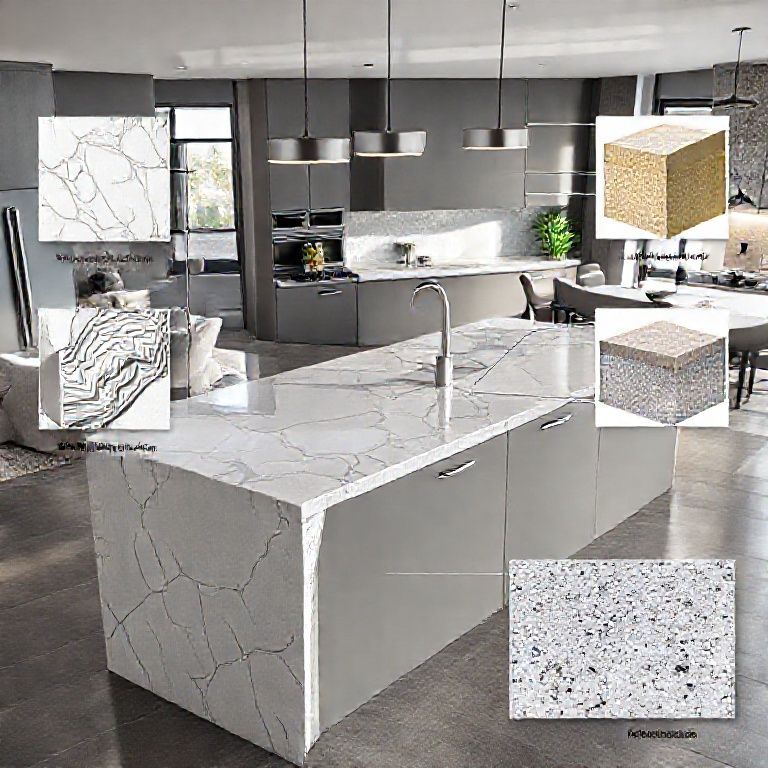
Step 4: Pouring and Curing
With the mold prepared, the next step is to pour the resin mixture into the mold. This step requires careful control to avoid air bubbles and ensure an even distribution of the material. Once the resin is poured, it undergoes a curing process. Curing can happen through different methods, including heat curing or UV curing. During this stage, the resin hardens and bonds with the pigments, transforming the liquid mixture into a solid, durable material.
Step 5: Demolding
After the resin has cured, the mold is carefully opened to extract the artificial marble piece. Demolding requires precision to avoid damaging the freshly cured material. The extracted piece may still need some minor adjustments to achieve the desired shape and finish. This stage is critical to ensure that the product meets the specified dimensions and aesthetic requirements.
Step 6: Surface Finishing
The artificial marble piece is now ready for surface finishing. This stage involves smoothing and polishing the surface to achieve the desired texture and appearance. Techniques such as sanding, buffing, and polishing are employed. Depending on the desired finish, additional layers of sealant or protective coatings may be applied. This step is crucial for enhancing the material’s durability and aesthetic appeal.
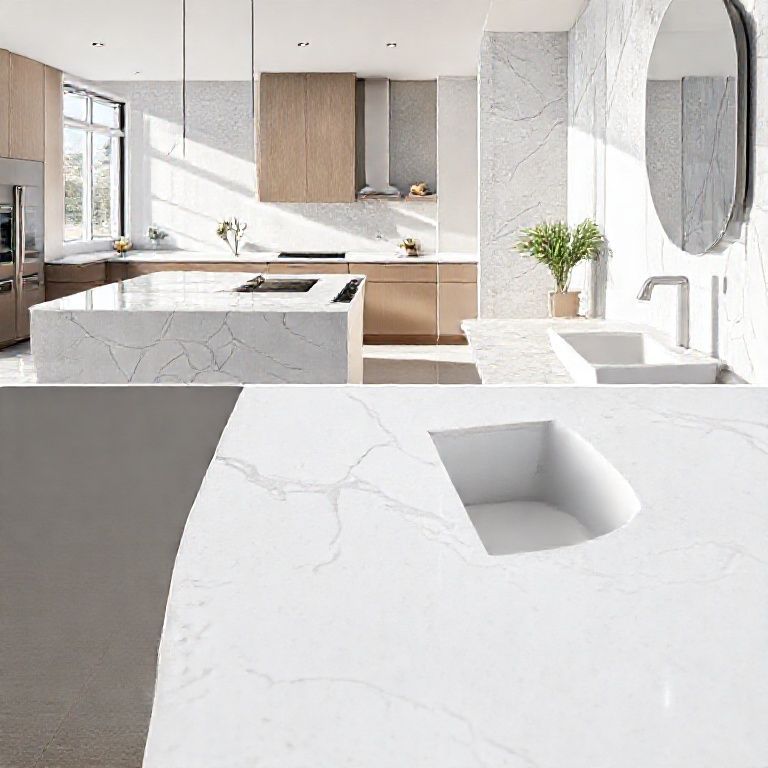
Step 7: Quality Control
Before the artificial marble is shipped, it undergoes rigorous quality control checks. This involves inspecting the product for any imperfections, such as surface scratches, bubbles, or color inconsistencies. Advanced quality control techniques, including automated inspection systems, are used to ensure that only the highest quality products reach the market.
Benefits of Artificial Marble
Artificial marble offers several benefits over natural marble and other materials:
Durability: Artificial marble is highly resistant to scratches, stains, and water damage, making it ideal for high-traffic areas like kitchens and bathrooms. Customization: The manufacturing process allows for extensive customization in terms of color, texture, and design. This flexibility enables designers to create unique, one-of-a-kind pieces. Cost-Effective: While the initial investment may be higher than some other materials, artificial marble’s durability and low maintenance requirements make it a cost-effective choice in the long run. Sustainability: Artificial marble is produced using recyclable materials, making it an environmentally friendly option.
Conclusion
The process of manufacturing artificial marble is a fascinating blend of art and science. From the selection of raw materials to the final finishing touches, each step is critical to producing a product that combines beauty, durability, and versatility. As technology continues to advance, the capabilities and applications of artificial marble will likely expand, offering even more innovative solutions for designers and builders around the world.
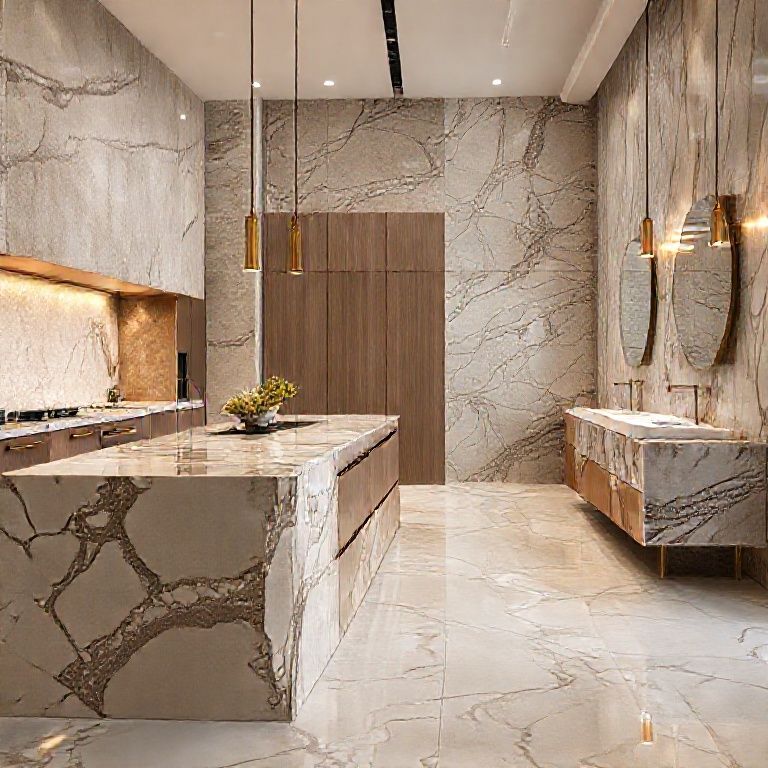
Advanced Techniques and Technological Innovations in Artificial Marble Manufacturing
Step 8: Advanced Resin Technology
One of the most significant advancements in artificial marble manufacturing is the development of high-performance resins. These resins are engineered to offer superior strength, flexibility, and resistance to various environmental factors. Advanced resin technology plays a crucial role in ensuring that the artificial marble can withstand the rigors of everyday use while maintaining its aesthetic appeal.
Step 9: Precision Molding Techniques
Precision molding techniques have revolutionized the way artificial marble is manufactured. Modern molds are often created using computer-aided design (CAD) software, allowing for highly detailed and intricate designs. These advanced molds ensure that the artificial marble pieces are perfectly shaped and finished. Additionally, the use of high-precision casting techniques reduces the risk of defects and ensures a flawless product.
Step 10: Enhanced Curing Processes
The curing process is another area where technology has made significant strides. Traditional curing methods, such as heat curing, have been supplemented by advanced techniques like UV curing. UV curing provides several advantages, including faster curing times, reduced energy consumption, and fewer emissions. This method also allows for more precise control over the curing process, resulting in a higher quality product.
Step 11: Innovative Pigment Technology
The use of innovative pigment technology has opened up a world of possibilities in artificial marble manufacturing. Modern pigments are designed to offer vibrant colors and long-lasting durability. These pigments are often mixed with the resin in a way that ensures even distribution throughout the material. Advanced pigment technology also allows for the creation of unique effects, such as ombre finishes and multi-layered color gradients.
Step 12: Advanced Finishing Techniques
Finishing techniques for artificial marble have also seen significant advancements. Techniques such as laser cutting, CNC milling, and high-speed polishing are now commonly used to achieve precise shapes and surfaces. These methods allow for intricate designs and a high level of detail that would be difficult to achieve with traditional methods. Additionally, advanced finishing techniques ensure that the artificial marble has a smooth, professional appearance that enhances its aesthetic appeal.
Step 13: Quality Assurance and Testing
Quality assurance and testing are critical components of the artificial marble manufacturing process. Modern manufacturing facilities use advanced testing equipment to ensure that each piece meets the highest standards of quality. These tests include checks for color consistency, surface finish, and structural integrity. Advanced quality assurance techniques also involve the use of simulation software to predict and prevent potential defects before they occur.
Environmental and Sustainability Considerations
Sustainable Practices
Artificial marble manufacturing has also embraced sustainability. The use of recycled materials and the implementation of eco-friendly production processes are becoming standard practices in the industry. Manufacturers are increasingly focusing on reducing their carbon footprint and minimizing waste. This includes using renewable energy sources, recycling waste materials, and adopting closed-loop manufacturing processes.
Reducing Environmental Impact
To further reduce environmental impact, manufacturers are exploring the use of biodegradable resins and pigments. These materials are designed to break down naturally over time, reducing the long-term environmental impact of artificial marble products. Additionally, efforts are being made to improve the efficiency of the manufacturing process to reduce energy consumption and emissions.
Benefits of Sustainable Manufacturing
The shift towards sustainable manufacturing practices offers several benefits:
Environmental Protection: Reducing waste and emissions helps protect the environment and contributes to global sustainability goals. Cost Savings: Efficient manufacturing processes and the use of recycled materials can lead to significant cost savings. Regulatory Compliance: Adopting sustainable practices helps manufacturers comply with environmental regulations and standards. Consumer Appeal: Consumers are increasingly looking for eco-friendly products, making sustainability a key factor in attracting and retaining customers.
Future Trends in Artificial Marble Manufacturing
Technological Innovations
The future of artificial marble manufacturing is likely to be driven by ongoing technological innovations. Areas of focus include the development of even more advanced resins and pigments, the integration of smart manufacturing technologies, and the use of artificial intelligence (AI) to optimize production processes. These innovations will continue to enhance the quality, efficiency, and sustainability of artificial marble manufacturing.
Customization and Personalization
As demand for unique and personalized products grows, artificial marble manufacturers are likely to offer even greater customization options. This includes the ability to create bespoke designs and finishes tailored to individual preferences. Advanced manufacturing techniques and software will enable manufacturers to produce highly customized pieces with precision and ease.
Enhanced Durability and Functionality
Future advancements are also expected to focus on enhancing the durability and functionality of artificial marble. This includes developing materials that offer superior resistance to chemicals, high temperatures, and mechanical stress. Such innovations will make artificial marble suitable for a wider range of applications, from high-end residential projects to commercial and industrial settings.
Conclusion
智能制造与自动化
随着工业4.0的推进,智能制造和自动化在人工大理石生产中的应用将越来越普遍。通过引入工业机器人、自动化控制系统和物联网(IoT)技术,生产过程将更加高效和精确。这不仅可以提高生产效率,还能减少人为错误,确保产品质量的一致性。
人工智能与大数据分析
人工智能(AI)和大数据分析在制造业中的应用将进一步优化人工大理石的生产过程。通过分析生产数据,AI可以预测和预防可能的生产问题,优化材料的使用和能源消耗。这种数据驱动的决策方法可以大大提高生产效率和产品质量。
高性能材料
随着材料科学的进步,新型高性能材料的开发将不断推动人工大理石的发展。例如,纳米技术可以用来增强材料的耐用性和抗污性,使得人工大理石在更加恶劣的环境中也能保持其美观和功能。碳纤维、石墨烯等新兴材料也有可能被应用于人工大理石的制造,进一步提升其性能。
环保与可持续性
在全球环境意识不断提高的背景下,环保和可持续性将成为人工大理石制造业的重要发展方向。未来的生产工艺将更加注重减少废弃物和能源消耗,采用可再生资源和环保材料。这包括开发低挥发性有机化合物(VOC)的树脂和环保型颜料,以及实现生产过程中的闭环循环。
个性化定制
随着消费者需求的多样化和个性化定制的兴起,人工大理石市场将看到更多针对个性化定制的产品。先进的制造技术和软件工具将使得制造商能够快速响应客户的独特设计需求,从而提供定制化的解决方案。这不仅满足了高端市场的需求,还扩大了人工大理石的应用范围。
全球市场与贸易
随着技术进步和生产成本的降低,人工大理石的全球市场潜力巨大。未来,随着国际贸易的进一步开放和全球供应链的优化,人工大理石制造商将有机会进入更多国际市场。通过提升产品质量和降低生产成本,企业可以更有竞争力地应对国际市场的挑战。
总结来说,人工制造大理石的未来充满了机遇和挑战。通过技术创新、智能制造和可持续发展的推动,这一行业将在提升产品质量、优化生产效率和满足市场需求方面取得重要进展。环保和可持续性将成为未来发展的重要方向,确保这一行业能够在保护环境的实现长期发展。