The Raw Materials and Initial Process
Artificial marble, also known as cultured stone, is a composite material that has revolutionized the way we think about countertops, tabletops, and decorative elements in interior design. This luxurious material combines the aesthetic appeal of natural marble with the durability and versatility of synthetic materials. Let’s embark on a journey to understand the fascinating process behind creating artificial marble.
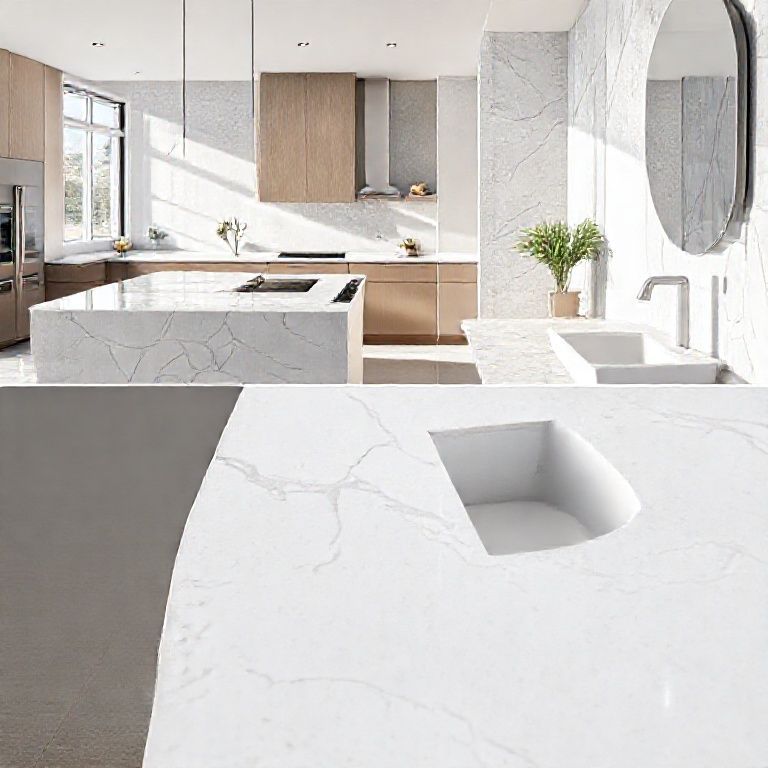
1. The Raw Materials
At the heart of artificial marble are its raw materials, which include natural stone powders, polymers, and pigments. The primary ingredients are typically marble or limestone powder, which provides the base material. These powders are finely ground to achieve a consistency that can be molded and set into various shapes.
1.1 Marble and Limestone Powder
The choice of marble or limestone powder is crucial because it imparts the characteristic look and feel of natural stone. Marble powder is preferred for its high calcium content and unique veining patterns, while limestone powder offers a more affordable alternative with similar aesthetic qualities. Both materials undergo a meticulous grinding process to ensure uniformity and consistency.
1.2 Polymers and Resins
Polymers and resins serve as the binding agents in artificial marble. These synthetic materials are chosen for their strength, flexibility, and ability to adhere to the stone powders. Epoxy resins and polyester resins are commonly used due to their excellent bonding properties and durability.
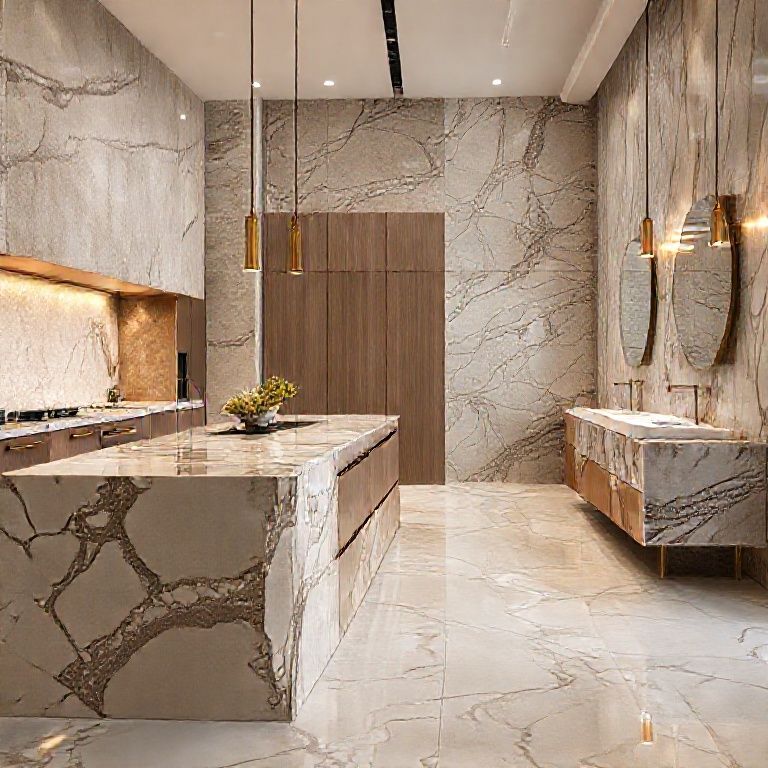
1.3 Pigments and Colorants
Colorants and pigments are added to achieve the desired hue and finish. These can range from natural dyes to synthetic pigments, allowing for a wide array of colors and patterns. The pigments are carefully blended with the stone powder and polymer to ensure a homogeneous mixture.
2. The Crafting Process
Once the raw materials are prepared, the process of crafting artificial marble begins. This involves several stages, each requiring precision and expertise.
2.1 Mixing and Blending
The first step in creating artificial marble is mixing the stone powder with the polymer and pigments. This is typically done in a large mixer to ensure thorough blending. The goal is to achieve a smooth, homogeneous mixture that can be easily molded and set.
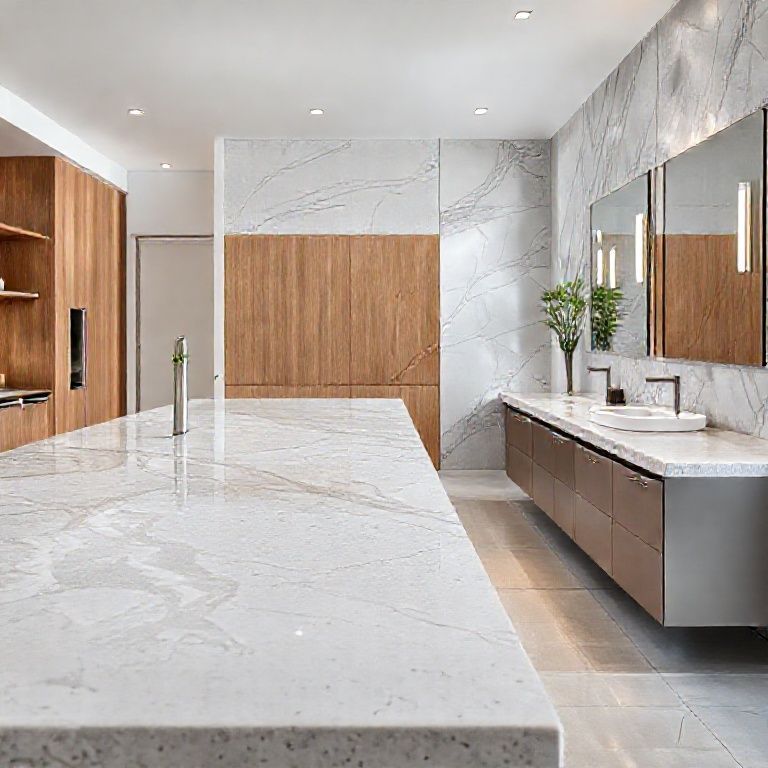
2.2 Molding
After the mixture is ready, it is poured into molds that determine the final shape and size of the artificial marble piece. Molds can be made from various materials, including metal, silicone, or plastic, depending on the desired outcome. The mixture is carefully poured and allowed to set, during which it begins to solidify and take shape.
2.3 Curing
Curing is a critical phase where the artificial marble hardens and gains its structural integrity. This process can take several hours to days, depending on the type of polymer used. During curing, the resin polymerizes, creating a strong bond between the stone powder and the polymer matrix. The curing process is often done under controlled temperature and humidity conditions to ensure optimal results.
3. Finishing Touches
Once the artificial marble has cured, it is removed from the molds and undergoes further finishing processes to achieve the desired surface quality and aesthetic appeal.
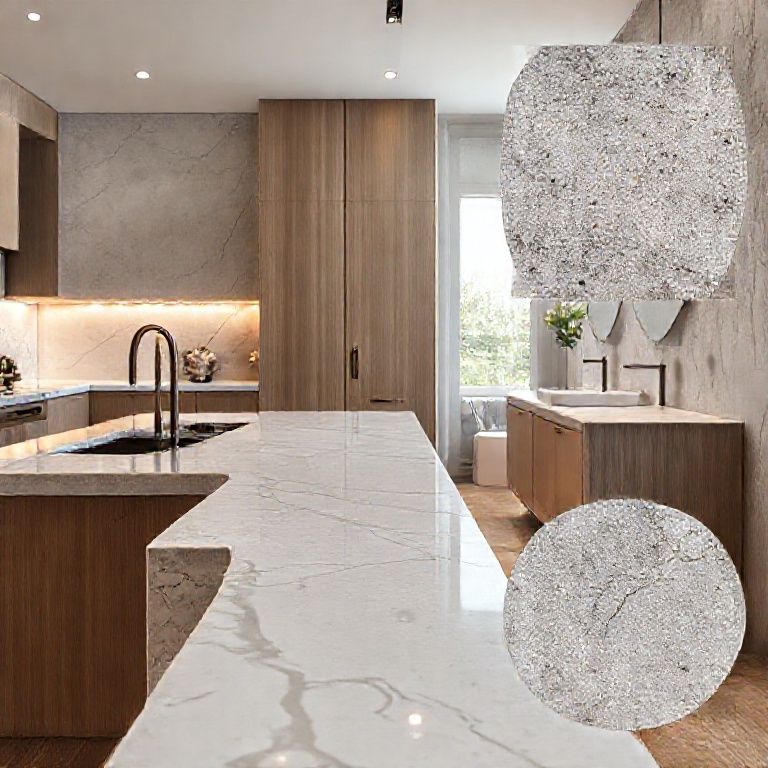
3.1 Surface Treatment
The surface of the artificial marble is smoothed and polished to create a sleek, professional finish. This may involve sanding, buffing, or using specialized polishing techniques. The goal is to replicate the look of natural marble while ensuring a smooth, durable surface.
3.2 Color Matching
To achieve precise color matching, especially for custom designs, the artificial marble can be tinted or dyed. This process involves applying colorants to the surface and then polishing to blend the color seamlessly into the material.
4. Quality Control
Quality control is a fundamental aspect of the manufacturing process to ensure that each piece of artificial marble meets the highest standards of quality and durability.
4.1 Inspection
Each batch of artificial marble undergoes rigorous inspection to check for consistency, color uniformity, and structural integrity. Any pieces that do not meet the quality standards are rejected and reworked.
4.2 Testing
Material testing is performed to assess the strength, durability, and resistance to various environmental factors such as heat, moisture, and chemical exposure. This ensures that the artificial marble can withstand the rigors of everyday use.
5. Environmental and Safety Considerations
Creating artificial marble also involves considerations for environmental sustainability and safety.
5.1 Eco-Friendly Materials
Many manufacturers are now using eco-friendly materials and processes to minimize the environmental impact of artificial marble production. This includes using low-VOC (volatile organic compounds) resins and pigments, which reduce harmful emissions during manufacturing.
5.2 Safety Protocols
Safety protocols are strictly followed to protect workers from exposure to hazardous materials. Proper handling and storage of chemicals, as well as the use of personal protective equipment (PPE), are essential to ensure a safe working environment.
Conclusion
The process of creating artificial marble is a blend of art and science, requiring precision, expertise, and a keen eye for detail. From the selection of raw materials to the final polishing, each step is meticulously executed to produce a product that rivals the beauty and durability of natural marble. In the next part of this series, we will explore the applications and benefits of artificial marble in various industries, as well as its future trends and innovations.
Applications, Benefits, and Future Innovations
In the previous part, we explored the intricate process behind creating artificial marble. Now, let’s dive deeper into its applications, benefits, and the exciting future innovations that are transforming industries and setting new standards in material science.
1. Applications of Artificial Marble
Artificial marble’s versatility makes it suitable for a wide range of applications across various industries. Its aesthetic appeal, durability, and ease of maintenance have made it a popular choice for both residential and commercial projects.
1.1 Kitchens and Bathrooms
One of the most popular applications of artificial marble is in kitchen and bathroom countertops. Its sleek, modern look and resistance to stains and scratches make it an ideal choice for high-traffic areas. Artificial marble can mimic the look of natural stone while offering superior durability and easier maintenance compared to traditional marble.
1.2 Interior Design
Artificial marble is also widely used in interior design for tabletops, vanities, and decorative elements. Its ability to replicate the intricate patterns and colors of natural marble allows designers to create stunning, custom pieces that enhance the beauty of any space. The material’s resistance to moisture and chemicals makes it perfect for areas exposed to water and cleaning agents.
1.3 Commercial Spaces
In commercial spaces such as restaurants, hotels, and office buildings, artificial marble is used to create elegant and durable surfaces. Its versatility allows it to be used in a variety of settings, from reception areas to dining spaces, providing a sophisticated and professional look.
1.4 Outdoor Applications
Advancements in artificial marble technology have also expanded its use to outdoor applications. High-quality artificial marble can be used for outdoor furniture, planters, and decorative features, offering a durable and weather-resistant option for outdoor settings.
2. Benefits of Artificial Marble
Artificial marble offers numerous benefits that make it a preferred choice for many applications.
2.1 Durability and Maintenance
One of the primary advantages of artificial marble is its durability. Unlike natural stone, artificial marble is not prone to chipping, cracking, or staining. It is also resistant to water, making it ideal for both indoor and outdoor use. This means less maintenance and lower long-term costs for homeowners and businesses.
2.2 Cost-Effectiveness
Artificial marble is often more cost-effective than natural stone. The material is produced using a manufacturing process that reduces waste and increases efficiency. Additionally, the durability of artificial marble means it requires less frequent replacement, further reducing long-term costs.
2.3 Customization and Design Flexibility
Artificial marble offers unparalleled customization and design flexibility. With a wide range of colors, patterns, and finishes available, it can be tailored to meet the specific aesthetic requirements of any project. Designers and manufacturers can create unique and custom pieces that replicate the look of natural marble while offering enhanced functionality.
2.4 Environmental Benefits
The production of artificial marble has become increasingly eco-friendly. Manufacturers are using sustainable practices and materials to reduce the environmental impact of production. This includes using low-VOC resins and pigments, which minimize harmful emissions, and implementing recycling programs to reduce waste.
3. Future Innovations in Artificial Marble
The future of artificial marble is promising, with ongoing innovations and advancements that will continue to enhance its properties and applications.
3.1 Advanced Materials
Research and development in material science are leading to the creation of even stronger and more versatile artificial marble materials. Innovations in polymer technology and composite materials are resulting in products with enhanced durability, resistance to extreme temperatures, and improved aesthetic qualities.
3.2 Smart Technology Integration
The integration of smart technology into artificial marble is a burgeoning field. Researchers are exploring the incorporation of sensors and electronic components into artificial marble, creating smart surfaces that can monitor environmental conditions3.2 Smart Technology Integration
The integration of smart technology into artificial marble is a burgeoning field. Researchers are exploring the incorporation of sensors and electronic components into artificial marble, creating smart surfaces that can monitor environmental conditions, detect spills, and even respond to touch. This innovation opens up new possibilities for interactive and responsive design in both residential and commercial spaces.
3.3 Sustainable Practices
Sustainability continues to be a major focus in the development of artificial marble. Future innovations are likely to include even more eco-friendly manufacturing processes, such as the use of recycled materials and the reduction of carbon footprints. Additionally, advancements in recycling technologies will allow for the reuse of artificial marble components, further minimizing waste.
3.4 Enhanced Aesthetic Options
The aesthetic possibilities of artificial marble are expanding with advancements in color technology and pattern replication. New techniques are being developed to achieve more realistic and intricate designs, allowing for the creation of custom pieces that closely mimic the unique characteristics of natural stone. This includes the ability to replicate rare and exotic marbles, providing a wider range of options for designers and homeowners.
4. Challenges and Considerations
While artificial marble offers many benefits, there are also challenges and considerations that must be addressed to ensure its continued success and acceptance in various markets.
4.1 Consumer Perception
One of the key challenges is changing consumer perception. Many people associate the term “marble” with natural stone, and there can be skepticism about the authenticity and quality of artificial marble. Education and marketing efforts will be crucial in helping consumers understand the benefits and advantages of artificial marble.
4.2 Regulatory Compliance
As with any manufactured material, artificial marble must meet certain regulatory standards and safety requirements. This includes compliance with building codes, environmental regulations, and safety standards. Manufacturers must ensure that their products meet these criteria to gain acceptance in various markets.
4.3 Market Competition
The market for artificial marble is competitive, with many manufacturers offering a range of products. Differentiation through quality, design, and innovation will be essential for manufacturers to stand out and attract customers. This includes offering high-quality materials, exceptional craftsmanship, and unique design options.
Conclusion
The journey of creating artificial marble is a fascinating blend of artistry and science, resulting in a material that offers unparalleled beauty, durability, and functionality. From its meticulous crafting process to its diverse applications and future innovations, artificial marble is set to revolutionize the way we think about and use materials in interior and exterior design. As technology and sustainability continue to advance, the potential for artificial marble to transform spaces and set new standards in material science is boundless. Whether for kitchen countertops, bathroom vanities, or innovative smart surfaces, artificial marble is not just a material—it’s a versatile solution that meets the evolving needs of modern design and construction.