The Art and Science of Crafting Artificial Stone: An Introduction
Artificial stone, also known as composite stone, has emerged as a versatile and durable alternative to natural stone in the world of modern design. With the ability to mimic the aesthetic appeal of natural stones while offering enhanced durability and ease of maintenance, artificial stone has become a popular choice for countertops, tabletops, and decorative elements in both commercial and residential spaces. In this first part of our detailed exploration, we will delve into the materials, techniques, and the overall process of crafting artificial stone.
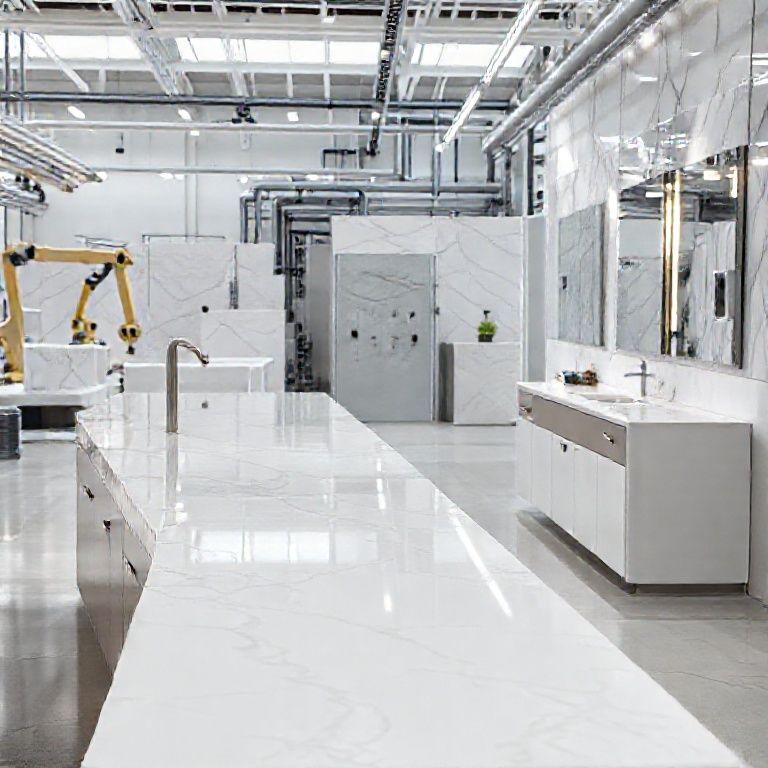
Understanding the Materials
The primary components of artificial stone are resins, minerals, and pigments. Each of these elements plays a crucial role in the final product’s appearance and durability.
Resins: Typically, unsaturated polyester resins or epoxy resins are used as the base material. These resins provide the necessary strength and flexibility, allowing the artificial stone to maintain its shape and integrity over time.
Minerals: Natural stone dust, such as marble, limestone, or granite, is often incorporated into the mixture. This not only enhances the stone’s aesthetic appeal but also contributes to its overall durability. Alternatively, synthetic quartz or other mineral powders can be used for a more consistent texture.
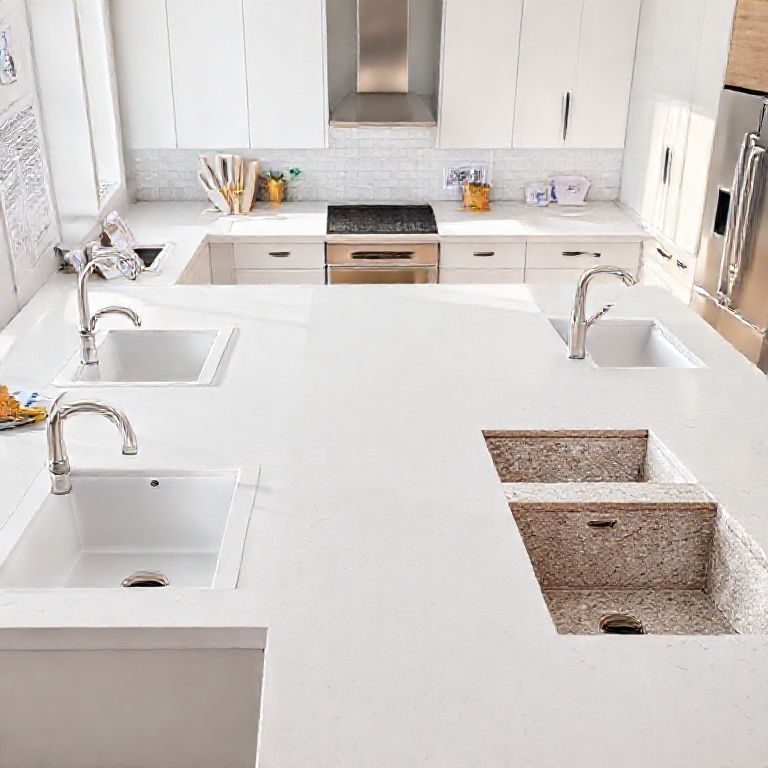
Pigments: To achieve the wide range of colors and patterns found in natural stone, pigments are meticulously mixed into the resin and mineral base. These pigments can be organic or inorganic, chosen to ensure long-lasting color retention.
The Crafting Process
Creating artificial stone is a meticulous process that combines artistry with scientific precision. Here’s a step-by-step overview of how it’s done:
Design and Pattern Preparation: Before any physical creation, designers first sketch the desired pattern and color scheme. This involves selecting from a vast array of colors and textures to mimic natural stone accurately.
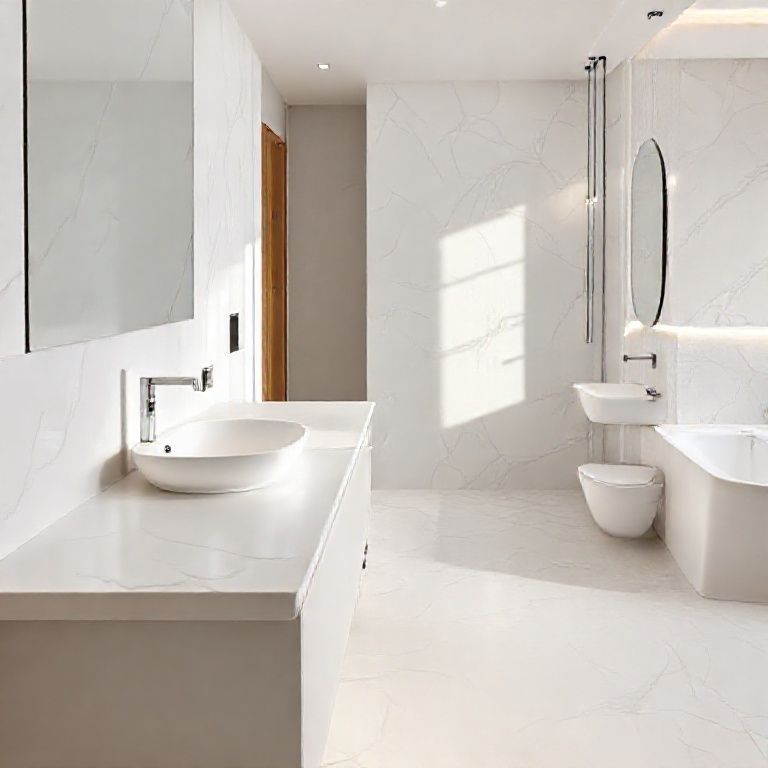
Mixing the Components: The resin, minerals, and pigments are carefully measured and combined. This step requires precision to ensure the right balance of materials for the desired final product.
Molding: The mixture is then poured into a mold, which can be made from silicone, rubber, or other durable materials. The mold provides the necessary shape and structure for the artificial stone.
Curing: Once the stone is in the mold, it undergoes a curing process. This can involve exposure to UV light, heat, or a combination of both, depending on the type of resin used. Curing hardens the stone, giving it the required strength and durability.
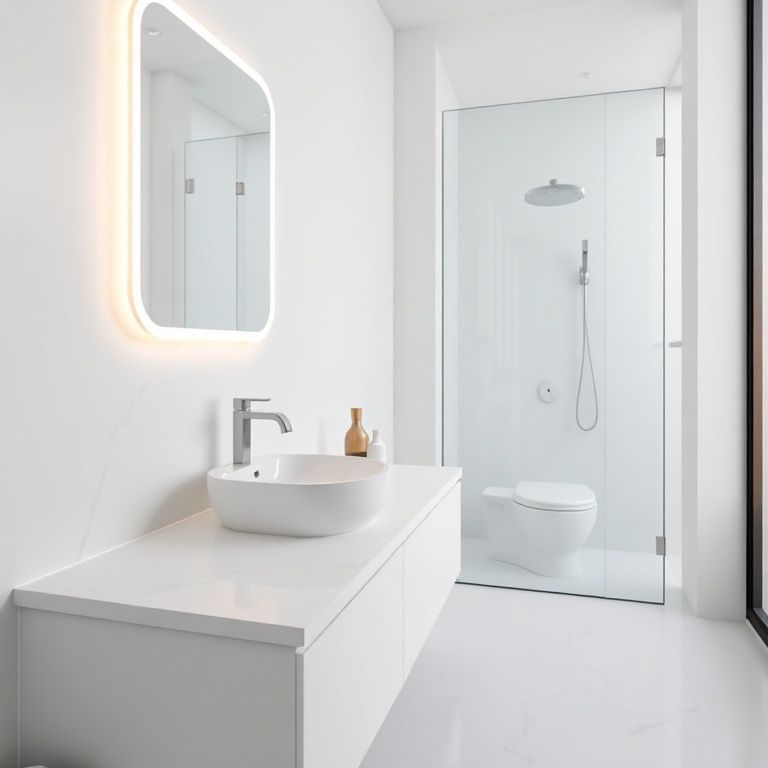
Finishing Touches: After curing, the stone is removed from the mold and any final adjustments are made. This includes smoothing out any imperfections and applying a protective finish to enhance its longevity.
Applications of Artificial Stone
The versatility of artificial stone makes it suitable for a wide range of applications:
Countertops: One of the most popular uses of artificial stone is for kitchen and bathroom countertops. Its durability, combined with the ability to replicate any natural stone pattern, makes it an attractive alternative to traditional materials.
Tabletops: Artificial stone is also widely used for dining tables, coffee tables, and other furniture where a natural stone look is desired without the maintenance issues.
Decorative Elements: From decorative tiles to intricate sculptures, artificial stone can be molded into virtually any shape, making it a popular choice for artistic and decorative projects.
Benefits of Using Artificial Stone
The advantages of artificial stone over natural stone are numerous:
Durability: Artificial stone is significantly more durable than most natural stones. It is resistant to scratches, chips, and stains, making it an ideal choice for high-traffic areas.
Cost-Effectiveness: While the initial cost of artificial stone might be higher than some alternatives, its long-lasting nature and low maintenance requirements make it a cost-effective choice over time.
Customizability: The ability to create virtually any pattern or color means that artificial stone can be customized to fit any design vision, offering endless possibilities for creativity.
Sustainability: Since artificial stone is made from recycled materials and can be produced with minimal environmental impact, it is a more sustainable choice compared to quarrying natural stone.
In the next part of this series, we will explore the installation techniques, maintenance tips, and the future trends in the artificial stone industry. Stay tuned to discover how this innovative material continues to shape modern design.