The Art and Science of Dry-Laying Marble Engineering: Unveiling the Basics
In the realm of luxury and elegance, marble stands as a timeless classic. Its natural beauty and intricate patterns have made it a favorite for architects, designers, and homeowners alike. However, the traditional method of laying marble often involves the use of mortar, which can pose challenges in terms of maintenance and aesthetic appeal. Enter the innovative technique of dry-laying marble—a method that promises not only durability but also a seamless and aesthetically pleasing finish.
Understanding Dry-Laying Marble
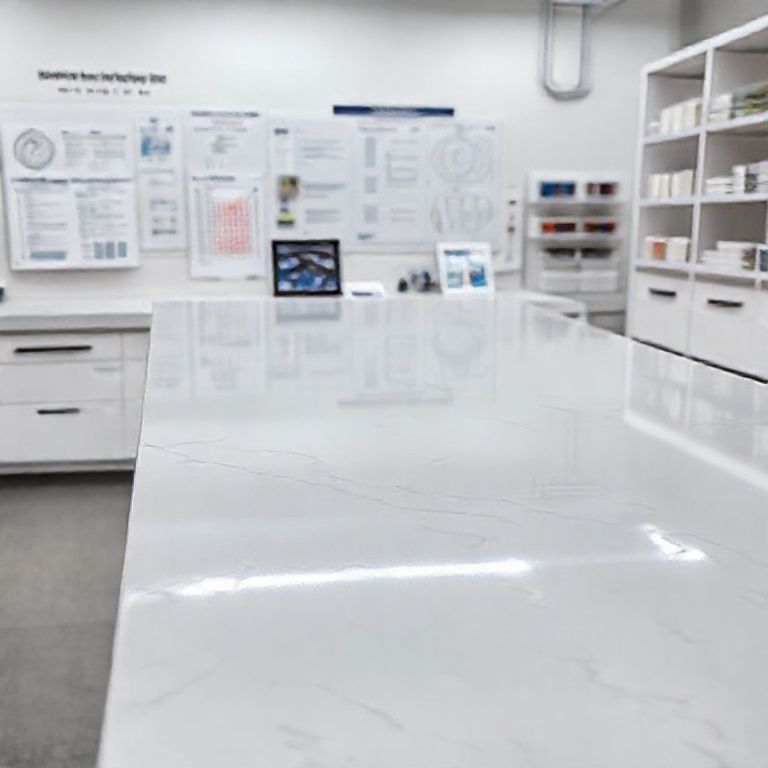
Dry-laying marble is a meticulous process that involves positioning marble tiles or slabs without the use of mortar. Instead, specialized techniques and tools are employed to secure the marble in place, allowing it to interlock with adjacent pieces for a cohesive and polished look. This method is particularly popular in modern architectural designs where clean lines and minimalistic aesthetics are paramount.
Benefits of Dry-Laying Marble
The allure of dry-laying marble lies in its numerous benefits:
Durability: Dry-laid marble installations are known for their long-lasting durability. Without the porous nature of mortar, the marble is less prone to stains, cracks, and water damage, ensuring a more resilient surface.
Aesthetic Appeal: The absence of visible grout lines between tiles creates a seamless and polished appearance. This aesthetic appeal is highly sought after in contemporary interior and exterior designs.
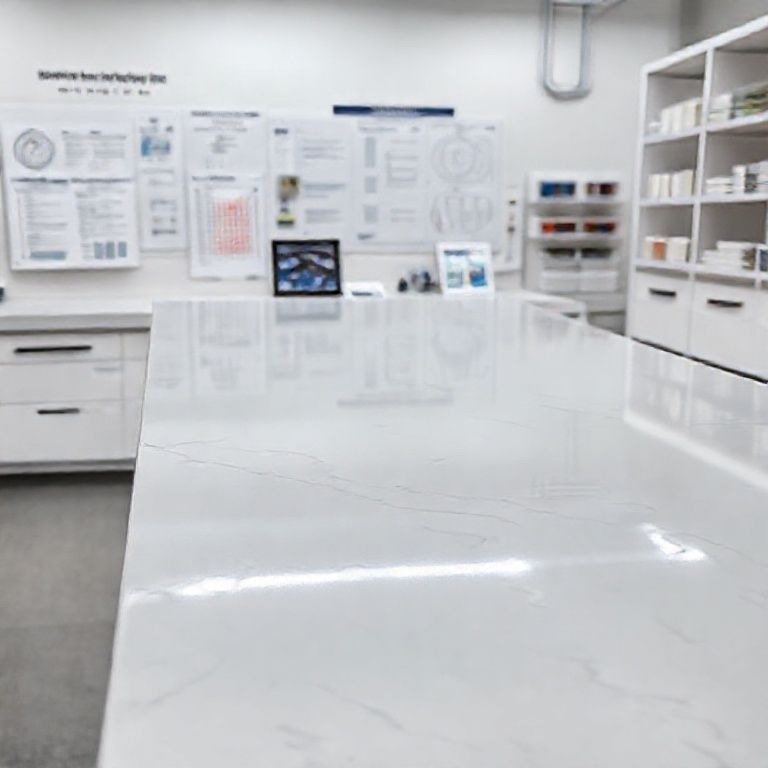
Ease of Maintenance: Dry-laid marble surfaces are easier to clean and maintain. Without mortar to trap dirt and grime, the marble remains pristine and requires minimal upkeep.
Versatility: Dry-laying can be applied to various surfaces and settings, from floors and walls to countertops and facades, offering unparalleled flexibility in design.
Techniques in Dry-Laying Marble
Dry-laying marble involves a series of precise steps to ensure that each piece is perfectly aligned and secured:
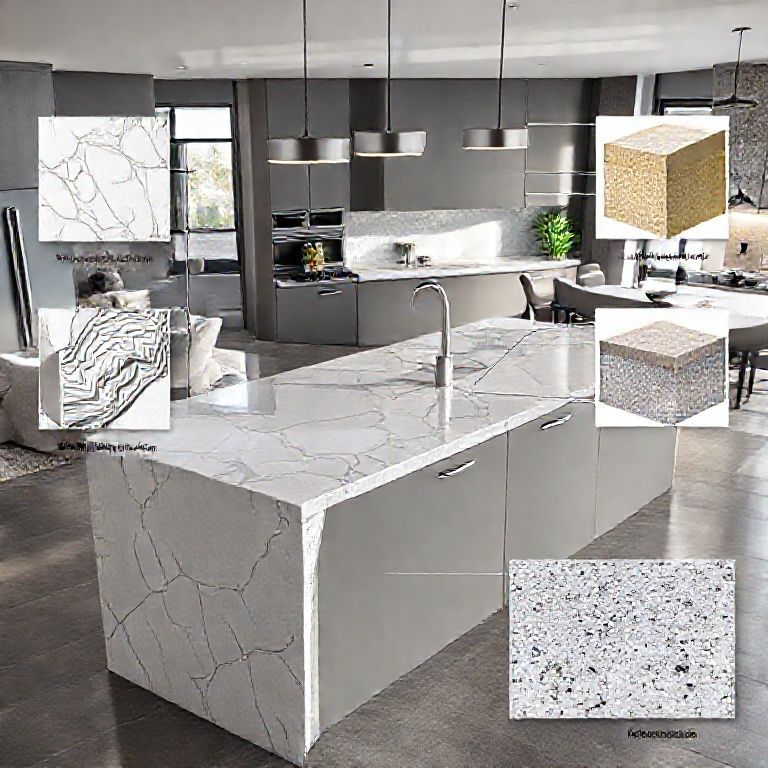
Precision Cutting: Marble tiles must be cut to exact dimensions to ensure a snug fit. Precision cutting tools and templates are essential for achieving uniform sizes.
Interlocking Mechanism: Marble pieces are designed to interlock with each other. This can be achieved through various methods, including beveling edges or using specialized clips and spacers.
Adhesive Application: In some cases, a thin layer of adhesive may be applied to the back of the marble tiles to enhance stability. However, this is not a primary component of the dry-laying process.
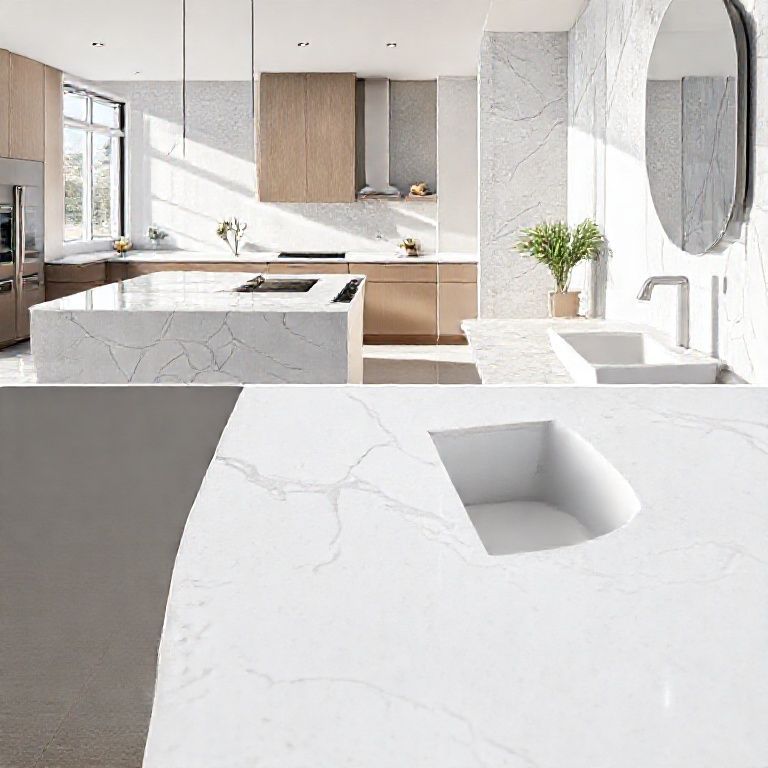
Leveling and Adjusting: As tiles are laid, they must be carefully leveled and adjusted to ensure a perfectly even surface. Leveling tools and spirit levels are crucial for this step.
Final Securing: Once all tiles are in place, they are secured using specialized clips or mechanical fasteners, ensuring a stable and secure installation.
Materials and Tools Required
To execute a successful dry-laying marble project, certain materials and tools are indispensable:
High-Quality Marble: The choice of marble is critical. It should be of superior quality, free from imperfections, and compatible with the dry-laying technique.
Precision Cutting Tools: Tools such as tile nippers, tile cutters, and wet saws are essential for cutting marble tiles to the required dimensions.
Leveling Tools: Spirit levels, laser levels, and rubber mallets are used to ensure that the marble tiles are perfectly aligned and level.
Spacers and Clips: Spacers help maintain consistent gaps between tiles, while clips provide additional support and stability.
Mechanical Fasteners: In some cases, mechanical fasteners such as screws or anchors may be used to secure the marble tiles.
Challenges in Dry-Laying Marble
While the benefits of dry-laying marble are numerous, the process is not without its challenges:
Complexity: Dry-laying marble requires a high level of skill and precision. It is a complex process that demands expertise to execute flawlessly.
Time-Consuming: The meticulous nature of dry-laying means that it can be a time-consuming process. Each tile must be carefully cut, aligned, and secured.
Risk of Imperfections: Any misalignment or imperfection can be difficult to correct once the tiles are in place. This makes accuracy and attention to detail crucial.
Cost: High-quality marble and specialized tools add to the overall cost of the project. Additionally, hiring experienced professionals may increase the expense.
Expert Tips for Successful Dry-Laying Marble
To achieve the best results in dry-laying marble, consider the following expert tips:
Hire Experienced Professionals: The expertise of skilled professionals can make a significant difference in the quality of the installation. Look for contractors with a proven track record in marble work.
Plan and Prepare: Careful planning and preparation are essential. Measure and mark the area to be covered, and ensure that all materials and tools are on hand before starting the project.
Use Quality Materials: Invest in high-quality marble and premium tools. Quality materials and tools are essential for achieving a flawless finish.
Pay Attention to Detail: Precision is key in dry-laying marble. Pay close attention to the cutting, alignment, and securing of each tile to ensure a seamless and polished result.
Test Before Installation: If possible, conduct a test installation on a small section of the area to identify and address any issues before the full installation.
By understanding the intricacies of dry-laying marble, you can appreciate the art and science behind this innovative technique. In the next part of this article, we will delve deeper into advanced techniques and explore how to maintain and care for dry-laid marble installations to ensure their longevity and beauty.
Advanced Techniques and Maintenance for Dry-Laying Marble
In the previous part, we explored the basics of dry-laying marble and the benefits it offers. Now, let’s delve deeper into the advanced techniques that can elevate your marble installation to new heights of perfection. Additionally, we will discuss essential maintenance tips to ensure that your dry-laid marble remains pristine and beautiful for years to come.
Advanced Techniques in Dry-Laying Marble
To achieve professional-grade results, consider these advanced techniques:
Customized Tile Cutting: For intricate designs and patterns, customized tile cutting is essential. Skilled artisans can cut tiles to fit complex shapes and layouts, ensuring a seamless and flawless finish.
Advanced Interlocking Systems: Utilizing advanced interlocking systems can enhance the stability and durability of the installation. These systems often involve specialized clips, spacers, and mechanical fasteners that provide secure and precise connections between tiles.
Precision Alignment Tools: Advanced leveling and alignment tools, such as laser levels and electronic spirit levels, offer unparalleled accuracy. These tools ensure that each tile is perfectly aligned, resulting in a flawless and professional finish.
Specialized Adhesives: In some cases, the use of specialized adhesives can enhance the stability of dry-laid marble. These adhesives are designed to provide a thin, even layer that enhances the interlocking mechanism without compromising the aesthetic appeal.
Integration with Other Materials: Dry-laying marble can be seamlessly integrated with other materials such as glass, metal, and wood. This integration requires careful planning and execution to ensure that all components complement each other harmoniously.
Innovative Design Applications
Dry-laying marble is not just about achieving a clean and polished finish; it also opens up a world of innovative design possibilities:
Floating Floors: Dry-laid marble can be used to create stunning floating floors. This technique involves no adhesive, allowing the marble to float above the subfloor, creating a sleek and modern look.
Wall Cladding: Dry-laying marble tiles on walls can create dramatic and elegant cladding. This technique is particularly popular in contemporary and industrial design settings.
Countertops: Dry-laid marble countertops offer a unique and stylish alternative to traditional installations. The interlocking tiles create a seamless and polished surface that is both functional and visually striking.
Staircases: Dry-laying marble tiles on staircases can create a dramatic and elegant effect. The interlocking tiles provide a stable and durable surface while maintaining a clean and modern aesthetic.
Maintenance Tips for Dry-Laid Marble
To ensure that your dry-laid marble installation remains in pristine condition, follow these maintenance tips:
Regular Cleaning: Clean the marble surface regularly using a mild, pH-neutral cleaner. Avoid using abrasive cleaners or scrubbers that can scratch the marble. Microfiber cloths are ideal for cleaning marble surfaces.
Avoid Spills and Stains: Marble is susceptible to stains and water damage. Use a marble sealant or protector to create a barrier that prevents stains and spills from penetrating the surface.
Promptly Address Spills: If spills occur, address them promptly to prevent stains. Blot the spill with a clean cloth and apply a marble cleaner to remove any residue.
Regular Inspections: Conduct regular inspections to check for any signs of wear, cracks, or damage. Early detection can prevent minor issues from becoming major problems.
Professional Maintenance: Consider hiring professionals for regular maintenance and deep cleaning. They have the expertise and equipment to ensure that your marble remains in top condition.
Longevity and Durability
Dry-laid marble installations are known for their long-lasting durability. However, to maximize their longevity, consider these additional factors:
The Art and Science of Dry-Laying Marble Engineering: Unveiling the Basics
In the realm of luxury and elegance, marble stands as a timeless classic. Its natural beauty and intricate patterns have made it a favorite for architects, designers, and homeowners alike. However, the traditional method of laying marble often involves the use of mortar, which can pose challenges in terms of maintenance and aesthetic appeal. Enter the innovative technique of dry-laying marble—a method that promises not only durability but also a seamless and aesthetically pleasing finish.
Understanding Dry-Laying Marble
Dry-laying marble is a meticulous process that involves positioning marble tiles or slabs without the use of mortar. Instead, specialized techniques and tools are employed to secure the marble in place, allowing it to interlock with adjacent pieces for a cohesive and polished look. This method is particularly popular in modern architectural designs where clean lines and minimalistic aesthetics are paramount.
Benefits of Dry-Laying Marble
The allure of dry-laying marble lies in its numerous benefits:
Durability: Dry-laid marble installations are known for their long-lasting durability. Without the porous nature of mortar, the marble is less prone to stains, cracks, and water damage, ensuring a more resilient surface.
Aesthetic Appeal: The absence of visible grout lines between tiles creates a seamless and polished appearance. This aesthetic appeal is highly sought after in contemporary interior and exterior designs.
Ease of Maintenance: Dry-laid marble surfaces are easier to clean and maintain. Without mortar to trap dirt and grime, the marble remains pristine and requires minimal upkeep.
Versatility: Dry-laying can be applied to various surfaces and settings, from floors and walls to countertops and facades, offering unparalleled flexibility in design.
Techniques in Dry-Laying Marble
Dry-laying marble involves a series of precise steps to ensure that each piece is perfectly aligned and secured:
Precision Cutting: Marble tiles must be cut to exact dimensions to ensure a snug fit. Precision cutting tools and templates are essential for achieving uniform sizes.
Interlocking Mechanism: Marble pieces are designed to interlock with each other. This can be achieved through various methods, including beveling edges or using specialized clips and spacers.
Adhesive Application: In some cases, a thin layer of adhesive may be applied to the back of the marble tiles to enhance stability. However, this is not a primary component of the dry-laying process.
Leveling and Adjusting: As tiles are laid, they must be carefully leveled and adjusted to ensure a perfectly even surface. Leveling tools and spirit levels are crucial for this step.
Final Securing: Once all tiles are in place, they are secured using specialized clips or mechanical fasteners, ensuring a stable and secure installation.
Materials and Tools Required
To execute a successful dry-laying marble project, certain materials and tools are indispensable:
High-Quality Marble: The choice of marble is critical. It should be of superior quality, free from imperfections, and compatible with the dry-laying technique.
Precision Cutting Tools: Tools such as tile nippers, tile cutters, and wet saws are essential for cutting marble tiles to the required dimensions.
Leveling Tools: Spirit levels, laser levels, and rubber mallets are used to ensure that the marble tiles are perfectly aligned and level.
Spacers and Clips: Spacers help maintain consistent gaps between tiles, while clips provide additional support and stability.
Mechanical Fasteners: In some cases, mechanical fasteners such as screws or anchors may be used to secure the marble tiles.
Challenges in Dry-Laying Marble
While the benefits of dry-laying marble are numerous, the process is not without its challenges:
Complexity: Dry-laying marble requires a high level of skill and precision. It is a complex process that demands expertise to execute flawlessly.
Time-Consuming: The meticulous nature of dry-laying means that it can be a time-consuming process. Each tile must be carefully cut, aligned, and secured.
Risk of Imperfections: Any misalignment or imperfection can be difficult to correct once the tiles are in place. This makes accuracy and attention to detail crucial.
Cost: High-quality marble and specialized tools add to the overall cost of the project. Additionally, hiring experienced professionals may increase the expense.
Expert Tips for Successful Dry-Laying Marble
To achieve the best results in dry-laying marble, consider the following expert tips:
Hire Experienced Professionals: The expertise of skilled professionals can make a significant difference in the quality of the installation. Look for contractors with a proven track record in marble work.
Plan and Prepare: Careful planning and preparation are essential. Measure and mark the area to be covered, and ensure that all materials and tools are on hand before starting the project.
Use Quality Materials: Invest in high-quality marble and premium tools. Quality materials and tools are essential for achieving a flawless finish.
Pay Attention to Detail: Precision is key in dry-laying marble. Pay close attention to the cutting, alignment, and securing of each tile to ensure a seamless and polished result.
Test Before Installation: If possible, conduct a test installation on a small section of the area to identify and address any issues before the full installation.
By understanding the intricacies of dry-laying marble, you can appreciate the art and science behind this innovative technique. In the next part of this article, we will delve deeper into advanced techniques and explore how to maintain and care for dry-laid marble installations to ensure their longevity and beauty.