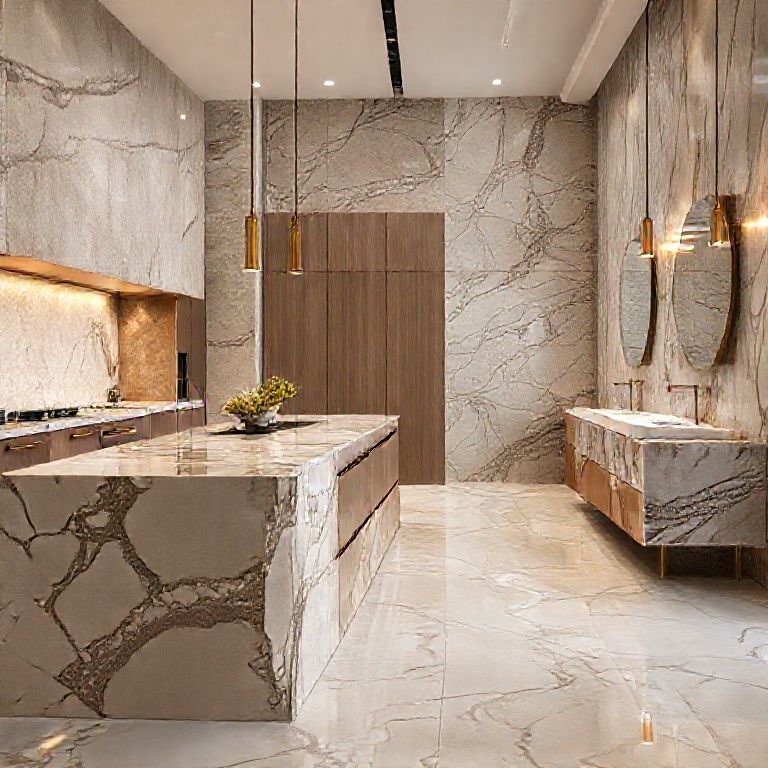
Dive into the captivating world of marble renovation with our comprehensive guide on “The Art and Science of Marble Renovation.” This detailed article explores the intricate process and techniques used to breathe new life into aged or damaged marble surfaces, ensuring they regain their former splendor. Split into two parts for easy reading, this guide covers everything from preparation to finishing touches, providing both enthusiasts and professionals with valuable insights.
marble renovation, marble restoration, marble repair, marble cleaning, marble polishing, marble maintenance, renovation techniques, marble surface treatment, restoration process, marble care
Preparation and Initial Assessment
The Art and Science of Marble Renovation: A Comprehensive Guide
Introduction to Marble Renovation
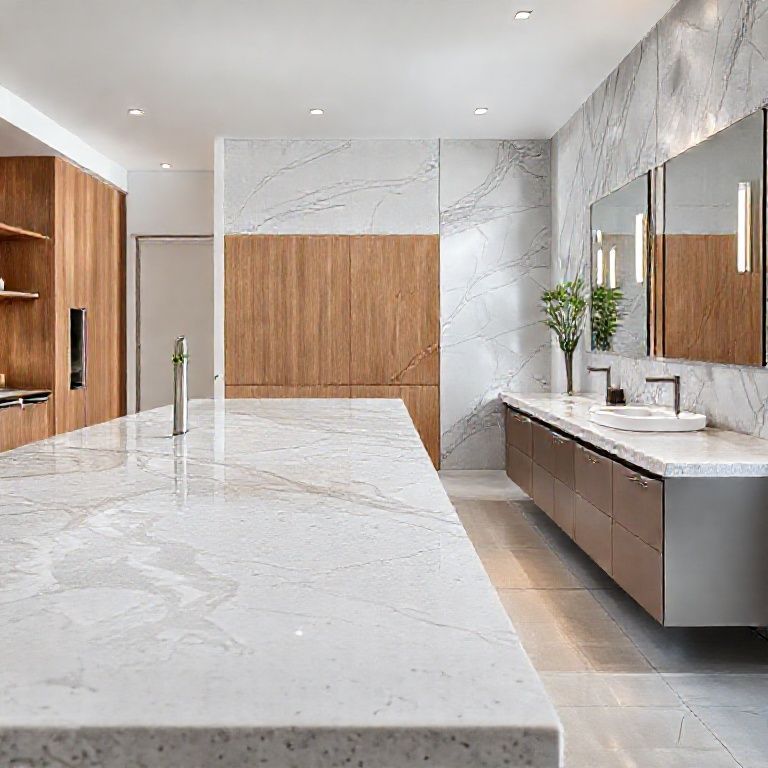
Marble, an exquisite natural stone known for its beauty and elegance, is a popular choice for floors, countertops, walls, and sculptures. However, its susceptibility to stains, scratches, and other forms of damage necessitates regular maintenance and, in some cases, professional renovation. This first part of our comprehensive guide focuses on the preparation and initial assessment phase of marble renovation.
Understanding Marble
Before diving into the renovation process, it’s essential to understand the nature of marble. Marble is a metamorphic rock composed primarily of calcium carbonate (CaCO₃) minerals, including calcite and dolomite. Its unique properties, such as its crystalline structure and high porosity, make it both beautiful and challenging to maintain.
Why Renovation is Necessary
Over time, marble surfaces can suffer from various forms of damage, including:
Stains: Organic and inorganic stains from food, beverages, and household chemicals. Scratches: Caused by everyday wear and tear or improper cleaning tools. Etching: Chemical reactions from acidic substances like lemon juice or vinegar. Weathering: Exposure to the elements can cause discoloration and dullness.
Renovation is essential to restore the marble’s original luster and prevent further deterioration.
Initial Assessment and Planning
Surface Examination: Conduct a thorough inspection to identify the extent of damage. Look for stains, scratches, etching, and other imperfections. Document these areas for precise planning.
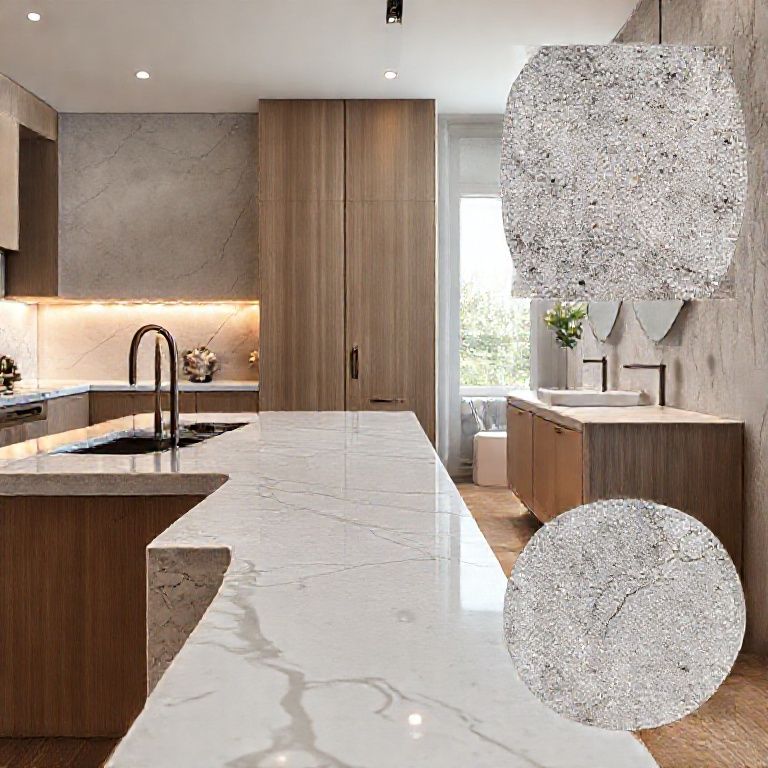
Material Identification: Determine the type of marble used. Different marbles have varying levels of porosity and require specific cleaning and renovation techniques. Common types include Carrara, Italian, and Egyptian marble.
Cleaning and Preparation:
Surface Cleaning: Start with a gentle cleaning using a pH-neutral cleaner. Avoid abrasive materials that can scratch the surface. Decontamination: Remove any loose dirt, grime, and organic material. This step is crucial to prevent contamination during the renovation process. Surface Protection: Apply a surface protector or primer to enhance adhesion and provide a uniform base for the renovation process.
Selecting the Right Tools and Chemicals
For marble renovation, specific tools and chemicals are necessary:
Cleaning Brushes: Use non-abrasive brushes to avoid scratching the marble surface. Polishing Pads: Opt for microfiber pads that are gentle yet effective. Specialized Cleaners: Choose pH-neutral, non-abrasive cleaners designed for marble. Renovation Chemicals: High-quality, non-toxic chemicals are essential for etching and polishing. These include acid-based etchants and polishing compounds.
Safety Precautions
Working with marble renovation chemicals and tools requires adherence to safety protocols:
Personal Protective Equipment (PPE): Always wear gloves, safety goggles, and a mask to protect yourself from harmful chemicals. Ventilation: Ensure the work area is well-ventilated to avoid inhaling fumes from cleaning and renovation chemicals. Proper Storage: Store chemicals and tools in a secure, labeled area away from children and pets.
Initial Renovation Steps
Etching: Apply a suitable etchant to the marble surface to remove etching caused by acidic substances. Follow the manufacturer’s instructions for application and dwell time. Cleaning: Use a pH-neutral cleaner to remove surface stains and contaminants. Rinse thoroughly with distilled water and dry with a clean microfiber cloth. Surface Preparation: Buff the surface lightly with a non-abrasive pad to ensure it is clean and ready for polishing.
Conclusion
The preparation and initial assessment phase is critical in the marble renovation process. Understanding the nature of marble, identifying the extent of damage, and selecting the right tools and chemicals set the foundation for a successful renovation. Proper safety precautions ensure that both the renovator and the marble surface are protected. This detailed preparation paves the way for the intricate and transformative polishing and finishing steps, which we will explore in the next part of our guide.
Polishing and Finishing Touches
The Art and Science of Marble Renovation: A Comprehensive Guide
Introduction
Building on the foundation laid in the preparation and initial assessment phase, this second part of our comprehensive guide delves into the intricate process of polishing and finishing marble surfaces. These steps are crucial to restoring marble to its former glory, ensuring it shines with renewed brilliance and durability.
Advanced Polishing Techniques
Micro-Polishing: This technique involves using fine-grit polishing pads and compounds to smooth out scratches and minor imperfections. The micro-polish creates a uniform surface that enhances the marble’s natural beauty.
Materials Needed: Fine-grit polishing pads, micro-polish compounds, and microfiber cloths. Application: Apply the micro-polish compound to the polishing pad and gently buff the marble surface in a circular motion. Follow up with a clean microfiber cloth to remove any residue.
Diamond Polishing: For more significant scratches and imperfections, diamond polishing is the preferred method. Diamond-tipped tools are used to polish the marble surface to a high gloss.
Materials Needed: Diamond-tipped polishing machines or hand-held tools, diamond polishing compounds, and microfiber cloths. Application: Attach the diamond tip to the polishing machine and apply the polishing compound. Use a consistent pressure and circular motion to achieve an even polish. For hand-held tools, follow the same technique with careful, controlled movements.
Restoration Techniques
Color Restoration: Over time, marble can lose its vibrant color due to exposure to the elements and cleaning agents. Color restoration techniques involve the use of colorants to rejuvenate the marble’s original hue.
Materials Needed: Colorants specific to the marble type, color restoration pads, microfiber cloths. Application: Mix the colorant with a restoration pad and apply it to the marble surface in the desired color direction. Buff the surface until the color is evenly distributed. Wipe off any excess colorant with a clean microfiber cloth.
Sealing and Protection: After polishing, sealing the marble surface is essential to protect it from future stains and damage. High-quality, non-toxic sealants create a durable barrier that enhances the marble’s longevity.
Materials Needed: Marble sealants, application pads, microfiber cloths. Application: Apply the sealant to the marble surface using an application pad. Buff the surface to ensure an even, uniform coat. Allow the sealant to cure as per the manufacturer’s instructions. Wipe off any excess sealant with a clean microfiber cloth.
Detailed Finishing Touches
Edge Finishing: Marble edges can often be overlooked during renovation. Special attention should be given to edge finishing to ensure a seamless and polished look.
Techniques: Use specialized edge finishing tools and compounds to polish the edges uniformly. Pay attention to the transitions between the marble and other materials to avoid any visible imperfections.
Final Inspection: Once the polishing and sealing processes are complete, a thorough inspection should be conducted to ensure all areas have been treated evenly and no imperfections remain.
Checklist: Examine the marble surface for any uneven areas, streaks, or residue. Address any issues immediately to maintain the quality of the renovation.
Maintenance and Care Post-Renovation
Regular Cleaning: To maintain the polished surface, regular cleaning is essential. Use pH-neutral, non-abrasive cleaners to prevent any damage to the marble.
Frequency: Clean the marble surface weekly with a soft cloth and pH-neutral cleaner. For high-traffic areas, consider more frequent cleaning to prolong the life of the renovation.
Avoiding Damage: Use appropriate cleaning tools and avoid abrasive materials. Place mats or pads under heavy objects to prevent scratches and dents.
Tips: Avoid using acidic or harsh chemicals on the marble surface. Opt for specialized marble cleaners designed to maintain the polished finish.
Conclusion
Polishing and finishing are the final and most crucial steps in the marble renovation process. Advanced polishing techniques, such as micro-polishing and diamond polishing, restore the marble’s natural beauty and shine. Restoration techniques like color restoration and sealing protect the marble from future damage, ensuring its longevity. Attention to detail during edge finishing and a final inspection guarantees a flawless finish. With proper maintenance and care post-renovation, the rejuvenated marble will continue to dazzle for years to come.
By following these detailed steps, enthusiasts and professionals can achieve a remarkable transformation in their marble surfaces, combining both the art and science of marble renovation to produce stunning results.