Unveiling the Marvel of Synthetic Marble
Introduction: In the ever-evolving world of interior design and construction, synthetic marble has emerged as a revolutionary material, captivating the imaginations of architects, designers, and homeowners alike. As a blend of artistry and innovation, synthetic marble, also known as artificial stone or cultured marble, is reshaping the landscape of luxury finishes.
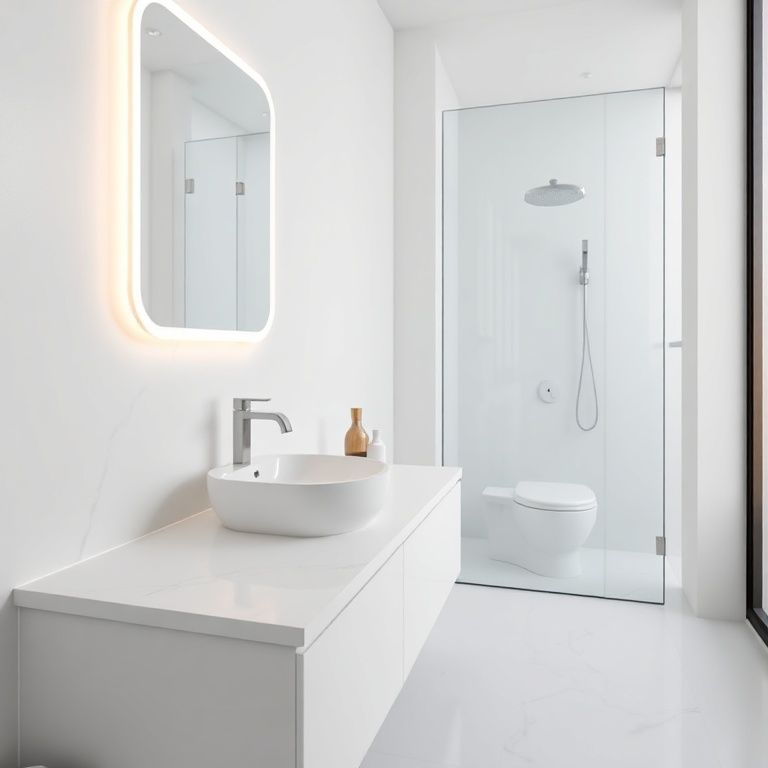
What is Synthetic Marble? Synthetic marble is a composite material made from a combination of minerals, resins, and pigments. This innovative material is engineered to mimic the appearance and feel of natural marble while offering enhanced durability and maintenance-free benefits. Unlike natural stone, which is formed over millions of years, synthetic marble is created in a controlled environment, allowing designers to customize its appearance to meet specific aesthetic needs.
Properties and Benefits:
Durability: Synthetic marble is renowned for its impressive durability. It is resistant to scratches, chips, and stains, making it an ideal choice for high-traffic areas such as kitchens and bathrooms. Unlike natural marble, which can be prone to etching from acidic substances, synthetic marble maintains its pristine appearance with minimal effort.
Aesthetic Versatility: One of the most remarkable aspects of synthetic marble is its ability to replicate a wide range of colors and patterns found in natural marble. However, what sets it apart is its capacity to offer unique designs that are impossible to achieve with natural stone. This versatility allows designers to push the boundaries of creativity, creating stunning, one-of-a-kind pieces that can elevate any space.
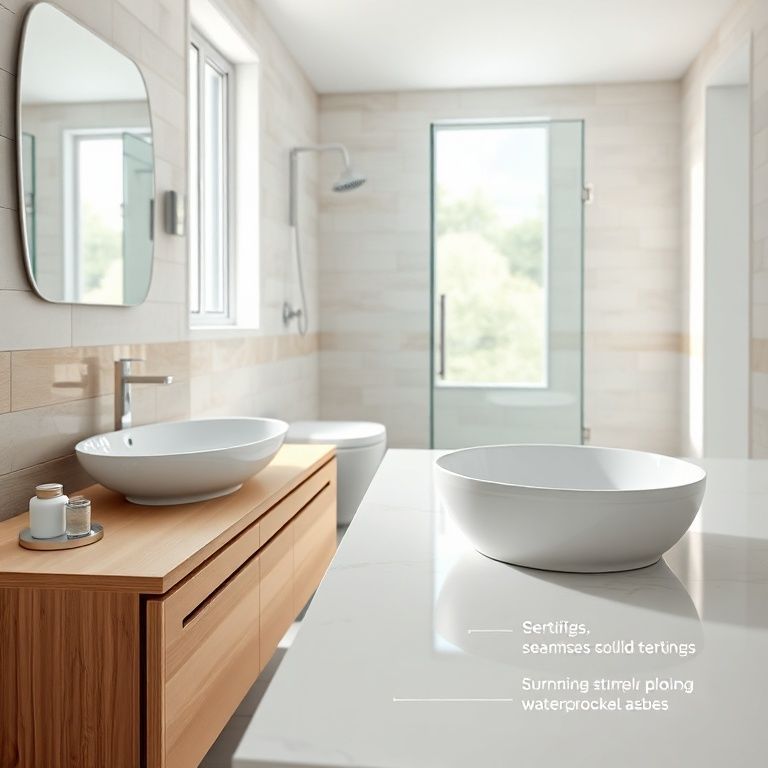
Sustainability: In an era where environmental consciousness is paramount, synthetic marble offers a sustainable alternative to traditional marble. The production process requires fewer natural resources and generates less waste compared to quarrying natural marble. Additionally, synthetic marble does not rely on the extraction of limestone, which can have significant ecological impacts.
Ease of Maintenance: One of the key advantages of synthetic marble is its low maintenance. Unlike natural marble, which requires regular sealing to protect its surface, synthetic marble does not need such treatment. This simplicity makes it an excellent choice for busy households and commercial spaces where cleaning and upkeep are critical factors.
Applications: Synthetic marble finds applications in various areas of interior design and construction. Here are some of the most popular uses:
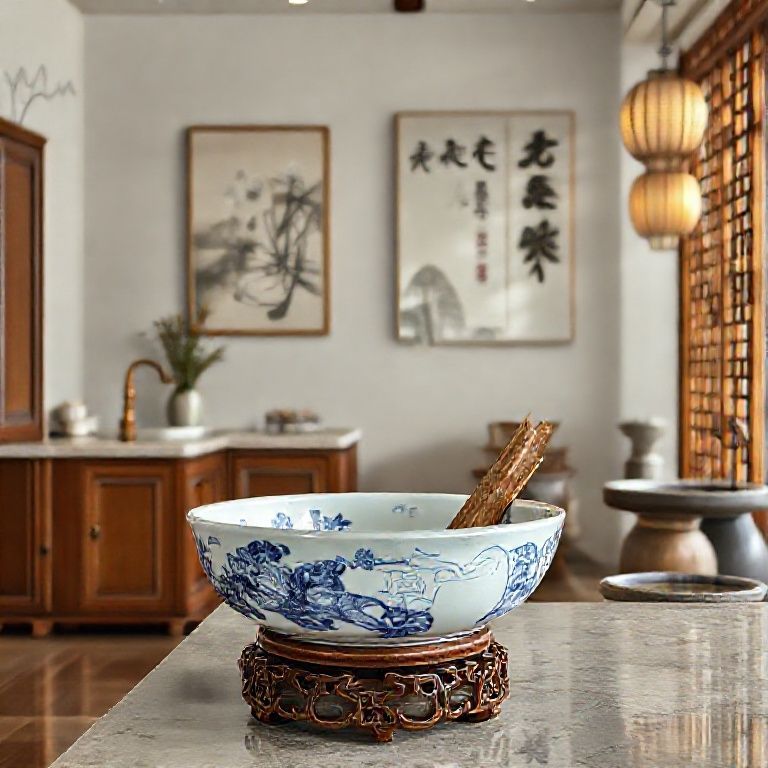
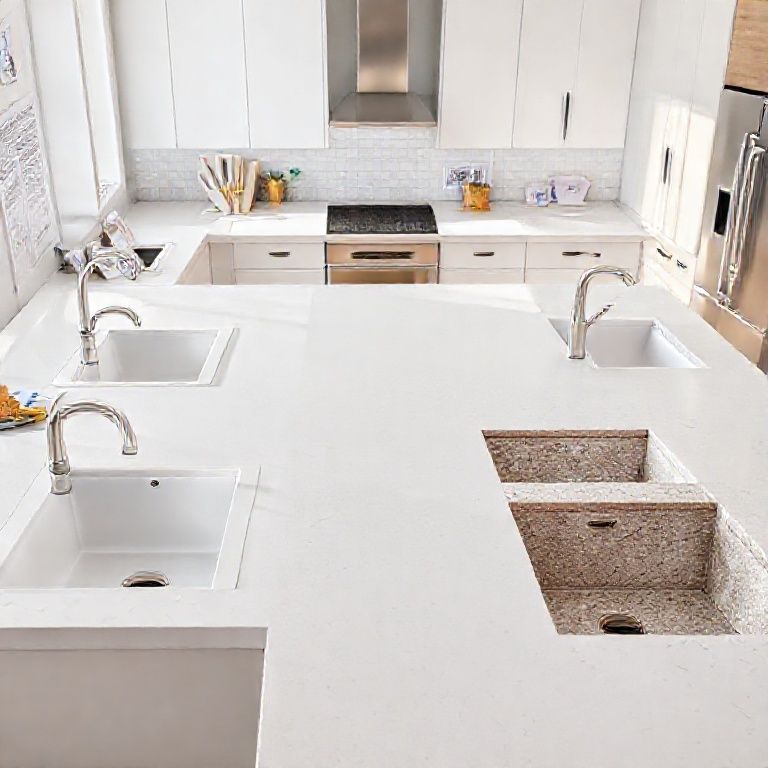
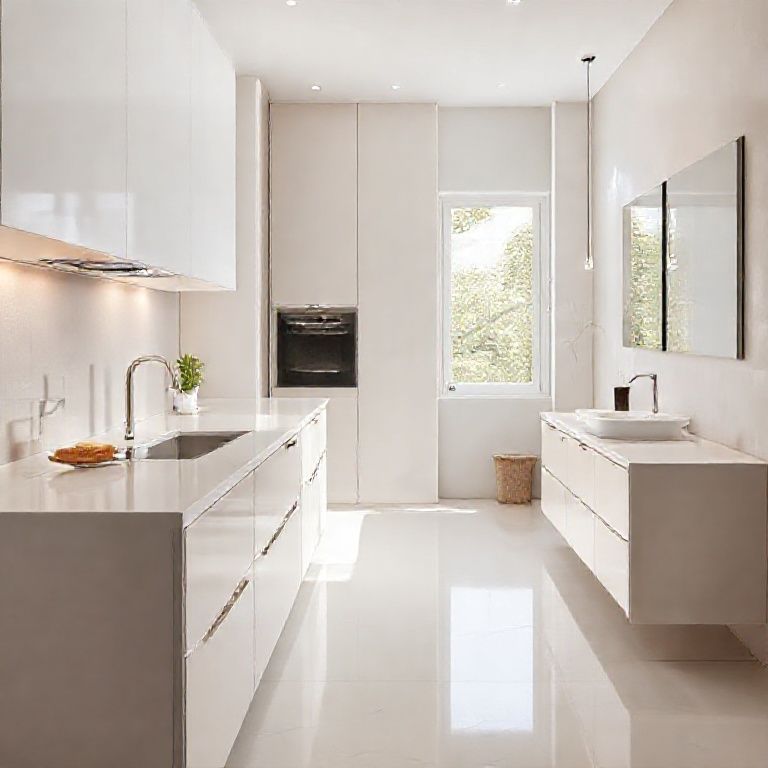
Countertops: Synthetic marble is a favorite choice for kitchen and bathroom countertops. Its robust surface withstands the rigors of daily use, while its aesthetic appeal adds a touch of elegance to any space. Whether you prefer a classic marble look or a bold, custom design, synthetic marble provides endless possibilities.
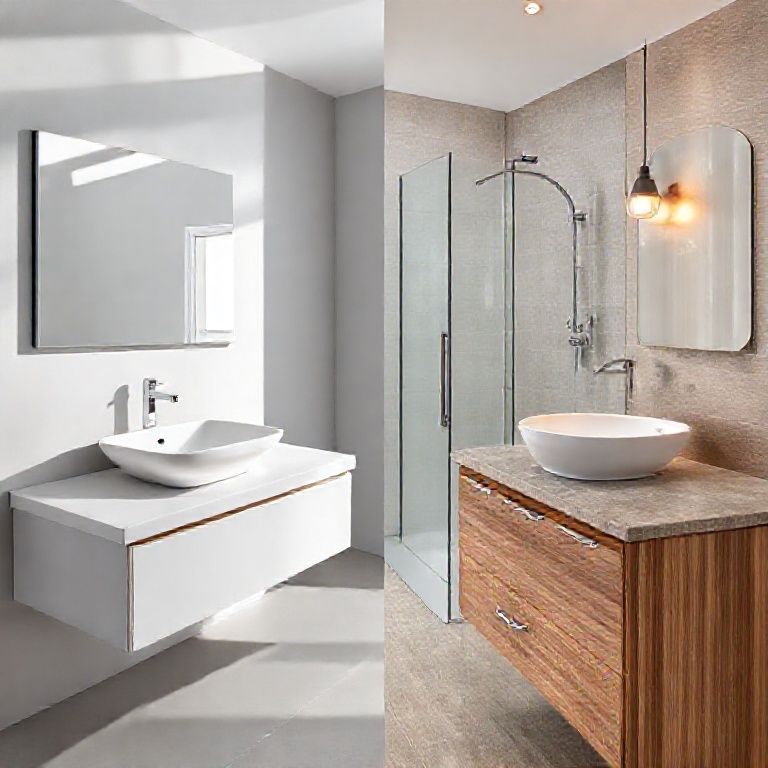
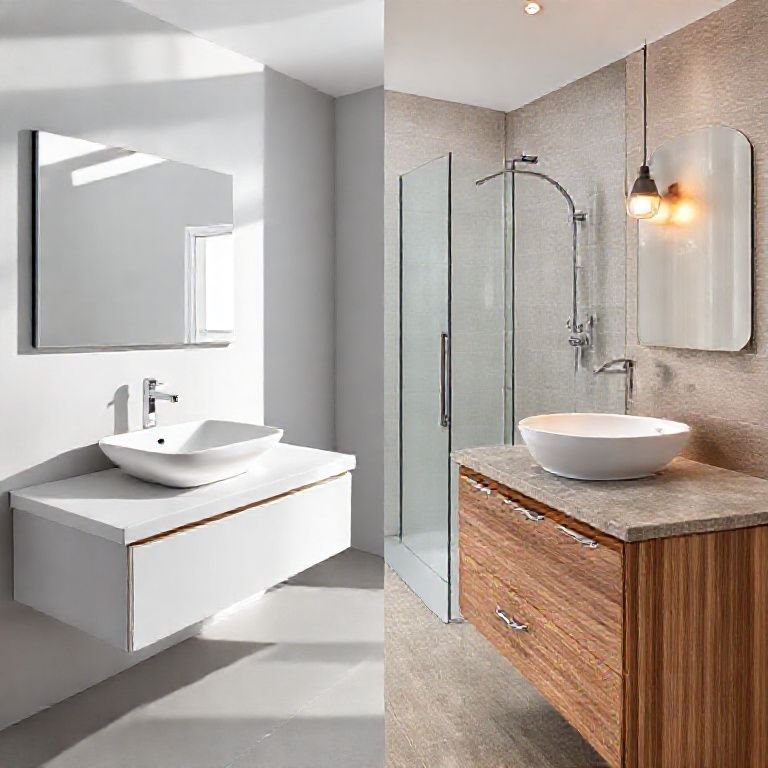
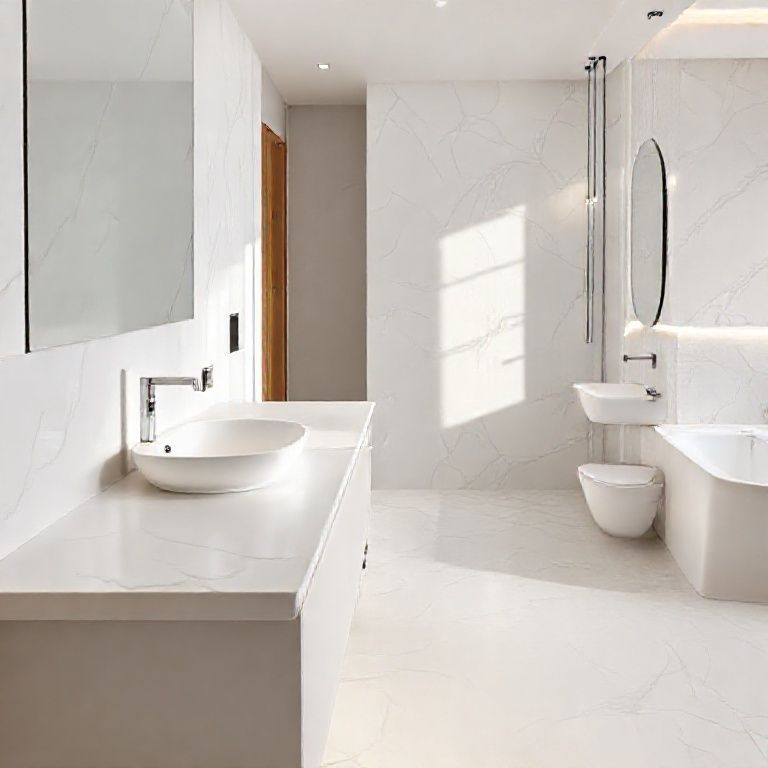
Vanity Tops: Vanity tops crafted from synthetic marble offer both beauty and practicality. They are perfect for creating a sophisticated bathroom environment, providing a sleek, modern finish that is easy to clean and maintain.
Flooring: While natural stone is commonly used for flooring, synthetic marble can also be an excellent option. Its durability and customizable designs make it a versatile choice for creating cohesive and stylish flooring solutions.
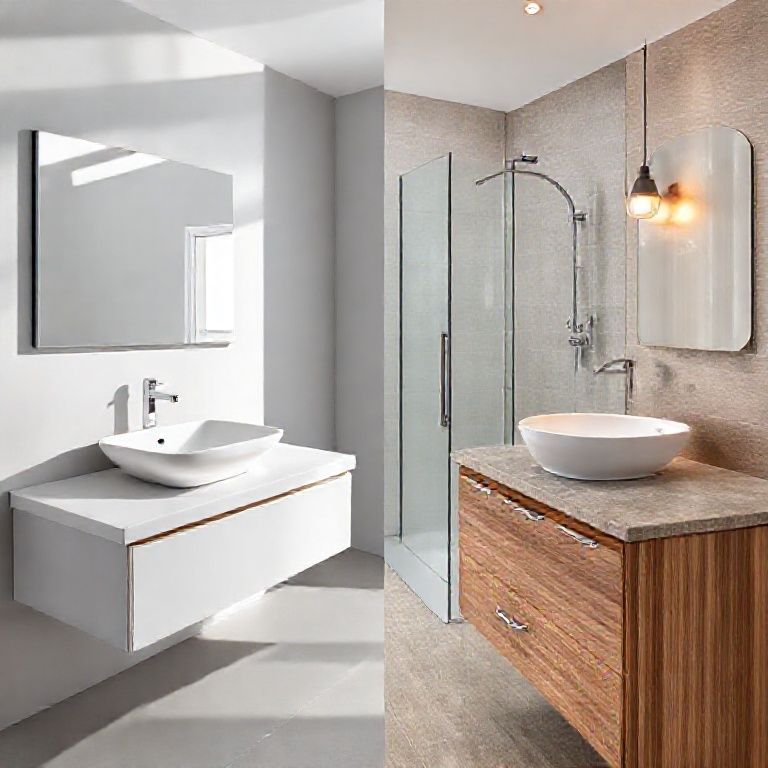
Furniture: From tabletops to cabinetry, synthetic marble is used to create high-end furniture pieces. Its resistance to scratches and stains ensures that these items retain their appearance and functionality over time.
The Future of Synthetic Marble: As technology continues to advance, the future of synthetic marble looks promising. Researchers and manufacturers are exploring new formulations to enhance its properties, such as increased thermal resistance and improved adhesive bonding. Additionally, the development of even more realistic simulations of natural marble will likely continue to blur the lines between synthetic and natural materials.
Conclusion: Synthetic marble is not just a material; it is a testament to the marriage of art and science in modern design. Its durability, aesthetic versatility, sustainability, and ease of maintenance make it an attractive option for a wide range of applications. As we look to the future, synthetic marble will undoubtedly play a significant role in shaping the aesthetics and functionality of our built environments.
The Evolution and Impact of Synthetic Marble in Modern Design
Introduction: In the dynamic field of interior design and construction, synthetic marble has made a significant impact, blending traditional aesthetics with contemporary innovation. This second part delves deeper into the evolution of synthetic marble and its transformative influence on modern design.
The Evolution of Synthetic Marble: The journey of synthetic marble began with a desire to replicate the timeless beauty of natural marble while addressing its limitations. Over the years, advancements in materials science and manufacturing processes have led to the development of synthetic marble that closely mimics the look and feel of natural stone. The evolution of synthetic marble can be traced through several key milestones:
Early Developments: The concept of creating artificial stone dates back to the early 20th century. However, it was not until the latter part of the century that significant breakthroughs in material science led to the production of synthetic marble that was both durable and aesthetically pleasing. The introduction of high-quality resins and pigments was pivotal in achieving the desired effects.
Advancements in Manufacturing: The manufacturing processes for synthetic marble have evolved tremendously. Modern techniques involve layering minerals, resins, and pigments under high pressure and temperature to create a dense, cohesive material. These advancements have resulted in a product that not only looks like natural marble but also possesses superior properties.
Customization and Innovation: One of the most significant advancements in synthetic marble is the ability to customize its appearance. Designers can now choose from a vast array of colors, patterns, and finishes to create unique pieces that cater to specific design visions. This level of customization has opened up new possibilities in interior design, allowing for more personalized and innovative projects.
Impact on Modern Design: The introduction of synthetic marble has had a profound impact on modern design, influencing various aspects of architecture, interior design, and product manufacturing.
Architectural Design: In architecture, synthetic marble has become a preferred material for both exterior and interior applications. Its durability and resistance to environmental factors make it an excellent choice for facades, terraces, and outdoor installations. Architects can also use synthetic marble to create intricate architectural details that would be impractical or impossible with natural stone.
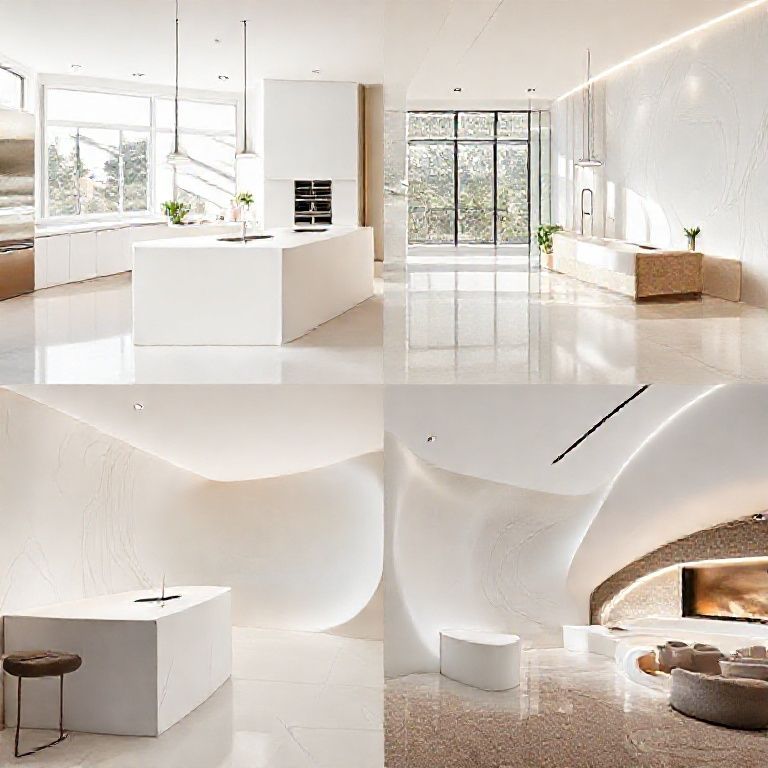
Interior Design: In interior design, synthetic marble has revolutionized the way designers approach space aesthetics. Its versatility allows for the creation of stunning, cohesive designs that can unify different areas of a home or commercial space. From kitchen countertops to bathroom vanities, synthetic marble provides a sleek, elegant finish that enhances the overall design.
Product Manufacturing: Synthetic marble has also made a significant impact in product manufacturing. It is used to create a wide range of items, from furniture to decorative pieces. The material’s durability and resistance to wear and tear make it ideal for high-quality, long-lasting products. Additionally, its customizable nature allows manufacturers to create unique designs that can meet specific market demands.
Sustainability and Ethical Considerations: As the world becomes increasingly aware of the environmental impact of construction and design, synthetic marble stands out as a sustainable and ethical choice. Its production process consumes fewer natural resources and generates less waste compared to traditional methods used for natural marble. Furthermore, synthetic marble does not rely on the extraction of limestone, which can have significant ecological consequences.
The Role of Synthetic Marble in Luxury Design: Synthetic marble has become synonymous with luxury in modern design. Its ability to replicate the beauty of natural marble while offering superior properties has made it a favorite among high-end designers and clients. The material’s versatility and customization options allow for the creation of luxury finishes that are both stunning and practical.
Case Studies: To understand the impact of synthetic marble in modern design, let’s explore some notable case studies:
Luxury Homes: In high-end residential projects, synthetic marble is often used to create opulent spaces. Its ability to mimic the look of expensive natural marble while being more durable and low-maintenance makes it an ideal choice for luxury homes. For example, a designer might use synthetic marble for a grand staircase or a lavish dining room table, ensuring that the space exudes elegance and sophistication.
Commercial Spaces: Commercial spaces, such as hotels, restaurants, and offices, also benefit from the use of synthetic marble. Its durability and resistance to stains and scratches make it perfect for high-traffic areas. In a luxury hotel, synthetic marble might be used for lobby flooring, bar counters, and bathroom fixtures, providing a cohesive and upscale aesthetic.
Art Installations: Synthetic marble has also found a place in contemporary art installations. Artists can use it to create sculptures and installations that are both visually striking and durable. The material’s versatility allows for innovative designs that can push the boundaries of traditional art forms.
Conclusion: The evolution and impact of synthetic marble in modern design are undeniable. From its early developments to its current status as a preferred material in luxury design, synthetic marble has transformed the way we perceive and use materials in construction and interior design. Its durability, aesthetic versatility, sustainability, and ease of maintenance make it an attractive choice for a wide range of applications. As technology continues to advance, synthetic marble will undoubtedly continue to继续在讨论关于人造大理石(也称为合成大理石或人造石材)的影响和未来趋势时,我们可以深入探讨其在不同领域的具体应用、对环境的影响以及技术的进一步发展。
具体应用及案例分析:
厨房和浴室: 橱柜台面: 人造大理石是厨房和浴室橱柜台面的热门选择,因其耐用、易于清洁和多样化的外观。 浴室台盆和地砖: 在浴室设计中,人造大理石常用于制作台盆和地砖,因其防水性能和耐污性。 商业建筑: 商场和餐厅: 商业空间中,人造大理石常用于地板、柜台和墙面,以提供一种高档且易于维护的表面。
办公室: 办公室内的会议室和接待区常使用人造大理石来提升空间的现代感和专业形象。 室外应用: 雕塑和装饰: 由于其可以模拟各种天然石材的外观,人造大理石也被用于户外雕塑和装饰,尤其是在公园、广场和公共建筑中。
环境影响和可持续发展:
资源节约: 减少采石对环境的破坏: 与天然大理石不同,人造大理石的生产过程不需要大规模的采石,这减少了对自然景观和生态系统的破坏。 材料回收: 在建筑物拆除时,人造大理石的组成材料可以回收和再利用,从而减少建筑垃圾的产生。 能源消耗: 生产过程: 尽管人造大理石的生产过程需要一定的能源,但其整体生命周期的能源消耗通常低于天然大理石,尤其是在长期使用和维护方面。
化学成分: 环保材料: 现代生产技术已经能够确保人造大理石的环保性,例如减少有害化学物质的使用,并且其排放物对环境的影响较小。
技术发展趋势:
先进制造技术: 纳米技术应用: 随着纳米技术的发展,人造大理石的耐用性和美观度将进一步提升,例如通过纳米涂层增加抗污和抗菌性能。 3D打印技术: 3D打印技术在人造大理石制造中的应用将带来更加复杂和精确的设计可能性。 智能化材料: 功能性添加: 未来的人造大理石可能会集成一些智能功能,如自清洁、自愈合等,提升其在智能家居和建筑中的应用。
设计创新: 多样化外观: 随着设计师对外观需求的多样化,人造大理石将不断创新,提供更多独特和复杂的图案和纹理。
人造大理石作为一种高效、环保和美观的建筑材料,正在不断发展和进步,它在未来的建筑和设计领域将发挥更加重要的作用。