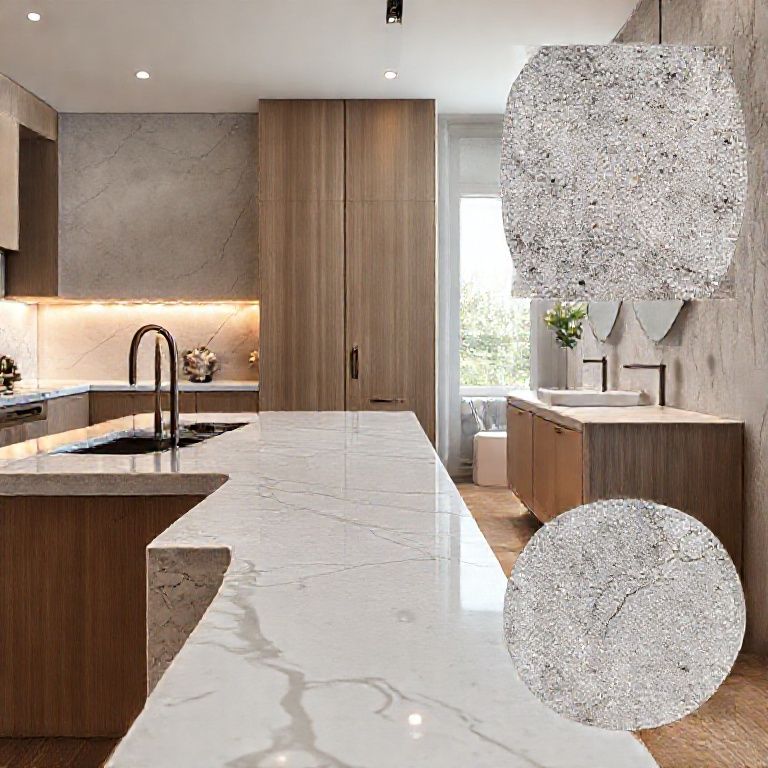
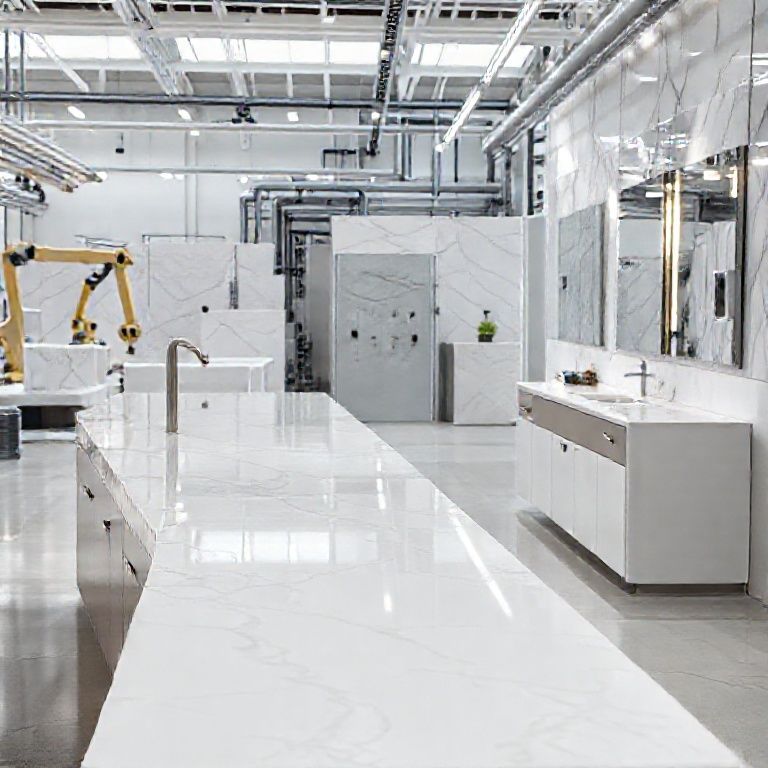
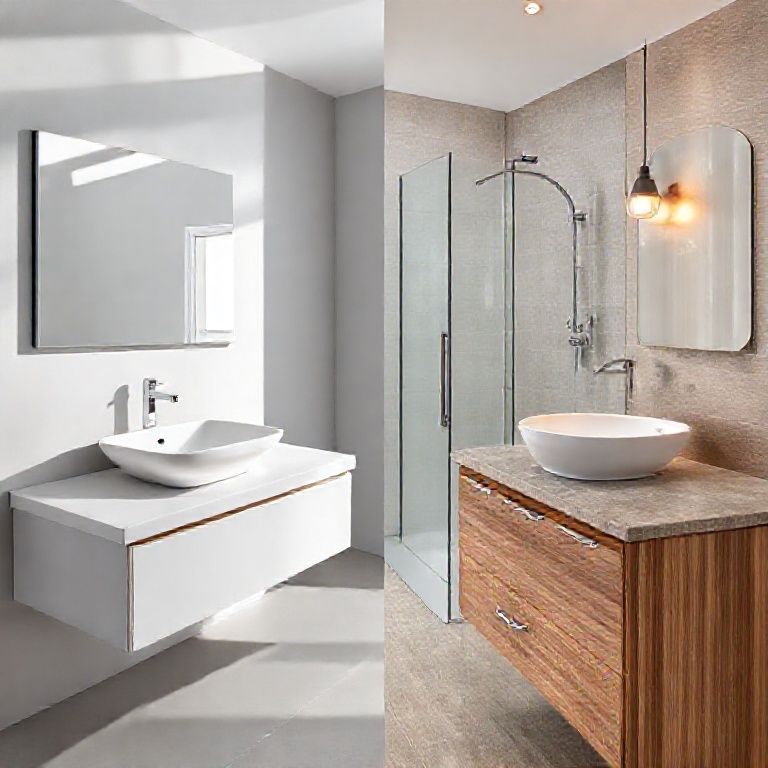
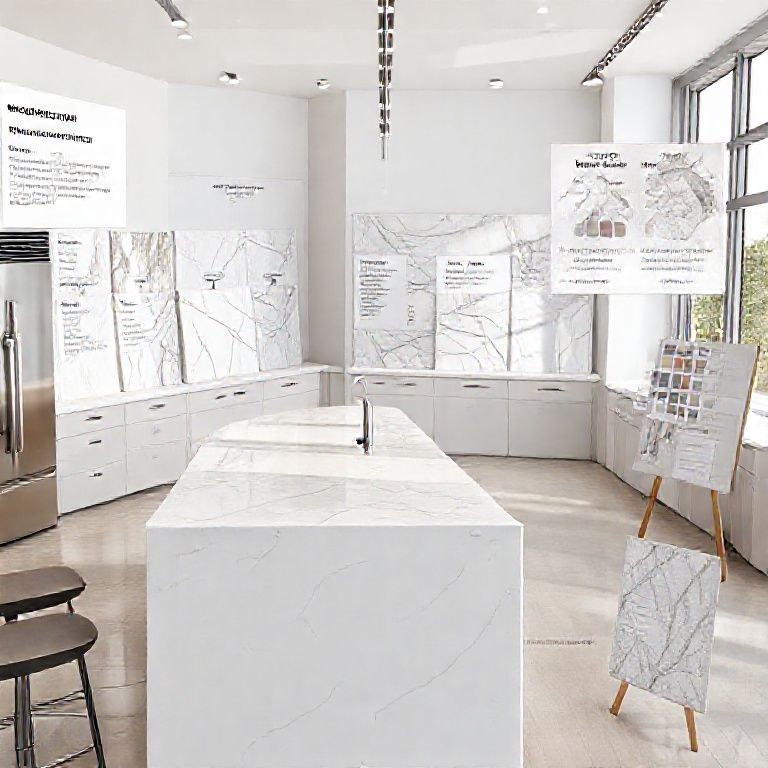
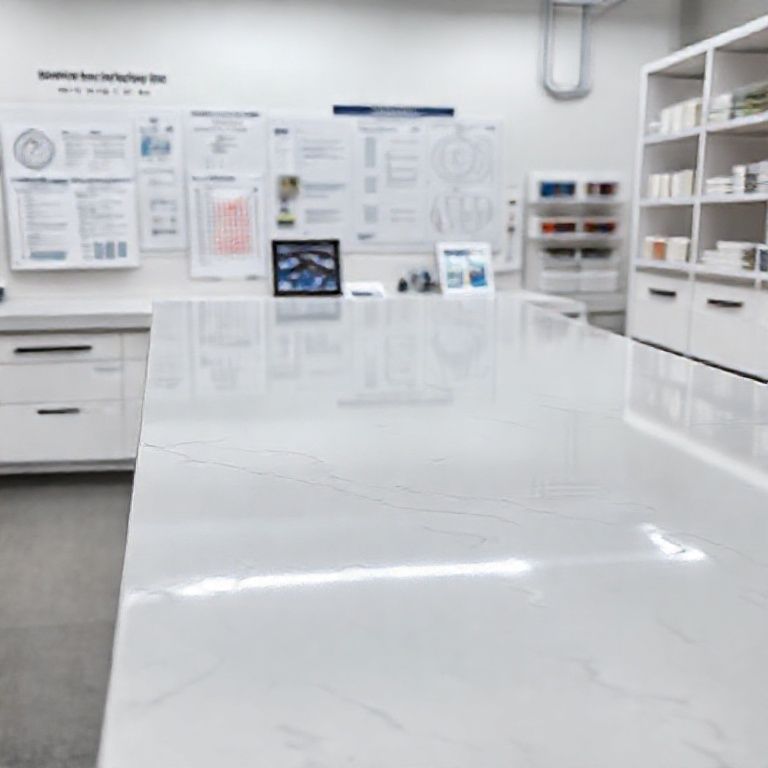
The Foundation of Synthetic Marble
In the realm of modern materials, synthetic marble stands out as a testament to human ingenuity and innovation. The process of creating “人造大理石过程” (synthetic marble) is a delicate blend of art and science that transforms simple raw materials into stunning decorative and functional products. This first part of our exploration delves into the foundational steps and scientific principles that initiate the synthetic marble journey.
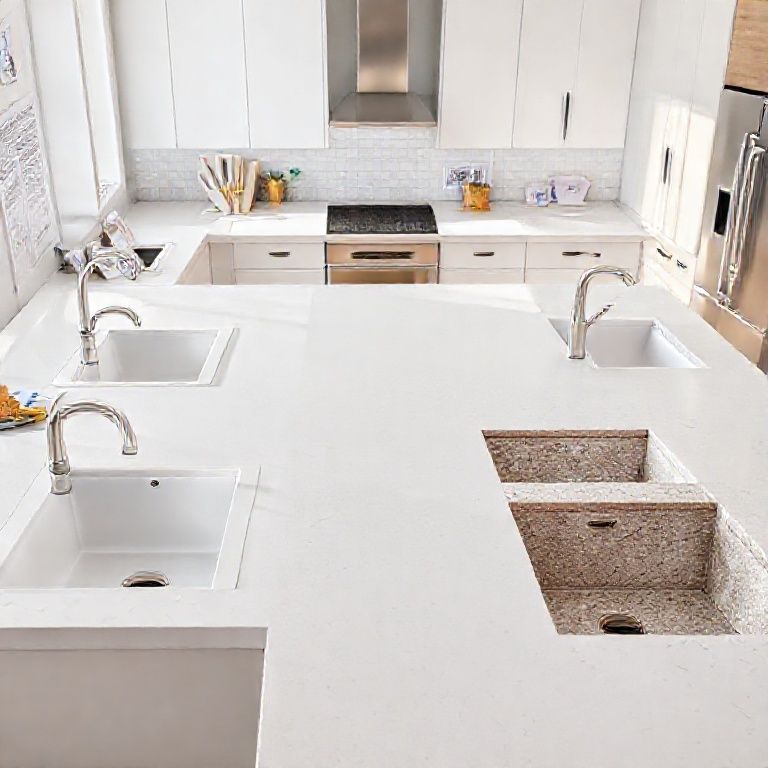
Understanding the Raw Materials
The first step in the synthetic marble process involves selecting and preparing the raw materials. Unlike natural marble, which derives its beauty from the earth’s geological processes, synthetic marble is crafted from a mixture of minerals, resins, and pigments. The primary materials used include quartz, limestone, talc, calcite, and various colored pigments. These materials are chosen for their durability, aesthetic appeal, and compatibility with synthetic processes.
The Role of Pigments and Colorants
Color is one of the defining features of marble, and achieving the perfect hue in synthetic marble requires precise mixing of pigments. These pigments can be organic or inorganic and are meticulously selected to replicate the natural colors found in marble. The process begins with the development of color formulations, where scientists mix the pigments with a base resin to create a homogeneous color paste. This step is crucial as it determines the final appearance of the synthetic marble.
Polymer Resins and Their Importance
The core of the synthetic marble process lies in the use of polymer resins. These resins act as the binding agent that holds the mineral particles together, creating a cohesive and durable product. Epoxy resins and polyester resins are commonly used due to their excellent adhesion properties and ability to withstand various environmental conditions. The choice of resin can significantly impact the texture, strength, and overall quality of the synthetic marble.
Injection Molding: Shaping the Synthetic Marble
Once the raw materials are prepared, the next step involves injecting the resin-pigment mixture into a mold. This process, known as injection molding, is a critical phase where the raw mixture is shaped into the desired form. The mold is typically made from stainless steel or aluminum and is designed to replicate the intricate patterns and textures found in natural marble. The injection molding process requires precise control over temperature, pressure, and timing to ensure that the resin fills the mold uniformly.
Curing and Setting: Achieving Durability
After molding, the synthetic marble needs to cure or set, a process that allows the resin to harden and bond the mineral particles together. Curing can be done using different methods, including heat curing and UV curing. Heat curing involves exposing the molded product to elevated temperatures, which accelerates the polymerization of the resin. UV curing, on the other hand, uses ultraviolet light to initiate the curing process. Both methods aim to achieve a strong, durable product that can withstand wear and tear.
Surface Finishing: Crafting the Final Look
The final step in the synthetic marble process is surface finishing. This phase involves smoothing and polishing the surface to achieve the desired aesthetic appeal. The surface of synthetic marble can be finished in various ways, including grinding, sanding, and polishing. The goal is to replicate the natural texture and sheen of marble while ensuring a smooth, even surface. Special finishing agents and polishes are often used to enhance the appearance and durability of the synthetic marble.

Environmental and Economic Considerations
The production of synthetic marble also involves considerations related to environmental impact and economic viability. The use of renewable resources and the reduction of waste during the manufacturing process are important factors. Additionally, the cost-effectiveness of synthetic marble compared to natural marble makes it an attractive option for various applications, from countertops to decorative panels.
Innovations and Future Directions in Synthetic Marble Production
As we continue our exploration of “人造大理石过程” (synthetic marble process), it’s essential to highlight the ongoing innovations and future directions that are shaping the industry. This second part delves into the cutting-edge techniques and advancements that are pushing the boundaries of what synthetic marble can achieve.
Advanced Manufacturing Techniques
The field of synthetic marble production is continually evolving, with advanced manufacturing techniques playing a pivotal role. Techniques such as 3D printing and additive manufacturing are being explored to create synthetic marble with unprecedented precision and complexity. These methods allow for the production of intricate designs and customized patterns that were previously impossible with traditional molding techniques.

Nanotechnology in Synthetic Marble
Nanotechnology is another area of innovation that is revolutionizing synthetic marble production. By incorporating nanomaterials into the manufacturing process, manufacturers can enhance the strength, durability, and aesthetic qualities of synthetic marble. Nanoparticles can be added to the resin mixture to improve the bonding between mineral particles, resulting in a product that is more resistant to scratches, stains, and other forms of damage.
Sustainable Practices
Sustainability is a growing concern in all aspects of material production, and synthetic marble is no exception. Manufacturers are increasingly adopting sustainable practices to reduce the environmental impact of their operations. This includes using recycled materials, minimizing waste, and implementing energy-efficient manufacturing processes. Additionally, the development of biodegradable synthetic marble is an area of active research, aiming to create products that are both high-quality and environmentally friendly.
Customization and Personalization
One of the most exciting developments in synthetic marble production is the ability to offer customization and personalization. Advanced manufacturing techniques, such as those mentioned above, allow for the creation of marble with unique designs and patterns tailored to specific client needs. This level of customization was previously unattainable with natural marble, making synthetic marble a versatile and adaptable option for a wide range of applications.
Health and Safety Considerations
With the increasing use of synthetic marble in various applications, health and safety considerations have become increasingly important. Manufacturers are focusing on ensuring that the materials used in synthetic marble production are safe and non-toxic. This includes rigorous testing and compliance with health and safety regulations. Additionally, the development of antimicrobial synthetic marble, which can resist the growth of bacteria and other pathogens, is an area of active research, particularly in high-touch surfaces like countertops and tabletops.
Applications Beyond Decorative Uses
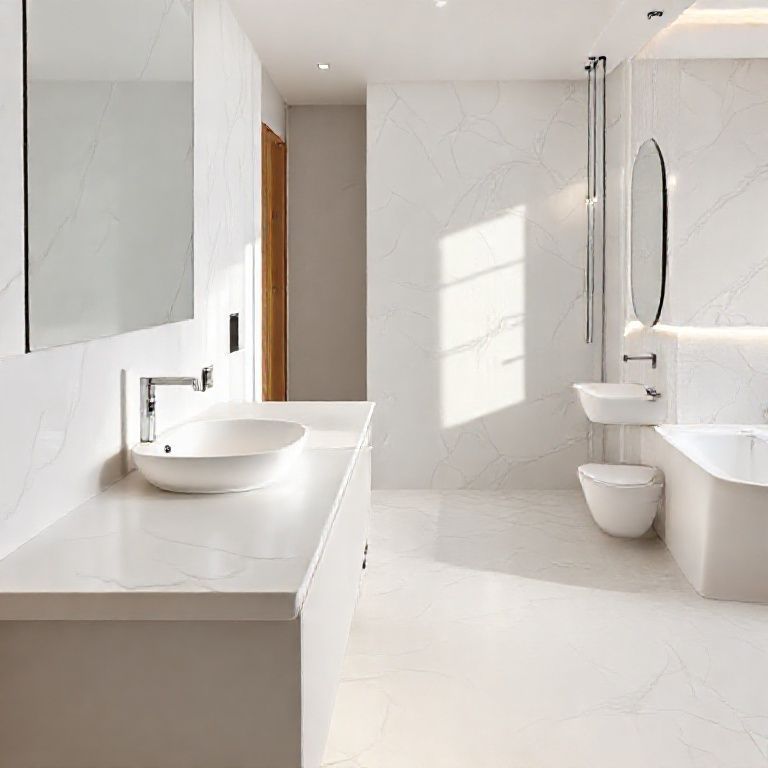
While synthetic marble is often celebrated for its decorative qualities, its applications extend far beyond aesthetics. The material’s durability, strength, and versatility make it an ideal choice for a wide range of functional uses. In addition to countertops, synthetic marble is used in flooring, wall cladding, and even architectural elements. Its ability to mimic the appearance of natural marble while offering superior performance makes it a valuable alternative in many industries.
Future Trends and Innovations
Looking to the future, the synthetic marble industry is poised for continued growth and innovation. Emerging technologies, such as advanced composite materials and smart materials, are expected to play a significant role in shaping the next generation of synthetic marble. Additionally, the integration of smart technology into synthetic marble, such as self-cleaning or self-healing surfaces, represents a frontier of potential applications that could redefine how we use and interact with this material.
Conclusion: The Evolution of Synthetic Marble
The journey of “人造大理石过程” (synthetic marble process) is a remarkable testament to human innovation and creativity. From the careful selection of raw materials to the advanced manufacturing techniques and sustainable practices, the creation of synthetic marble is a complex and multifaceted process. As we look to the future, the continuous evolution of synthetic marble promises to bring even more exciting developments and applications, solidifying its place as a versatile and valuable material in the modern world.
Whether for its aesthetic appeal, durability, or functional benefits, synthetic marble is not just a material but a symbol of the remarkable possibilities that arise when science and art converge.