The Art and Science of Artificial Marble Formulation
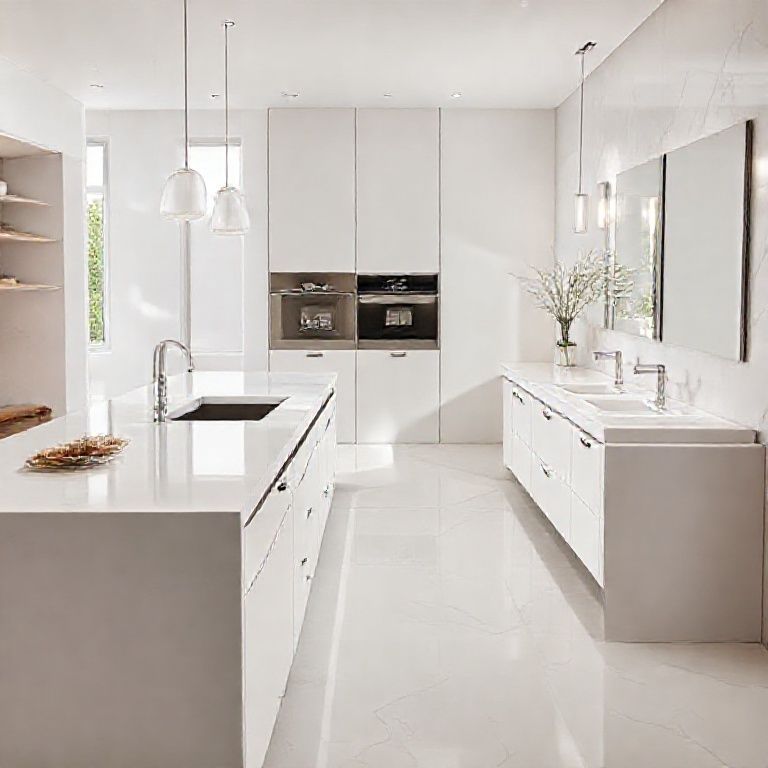
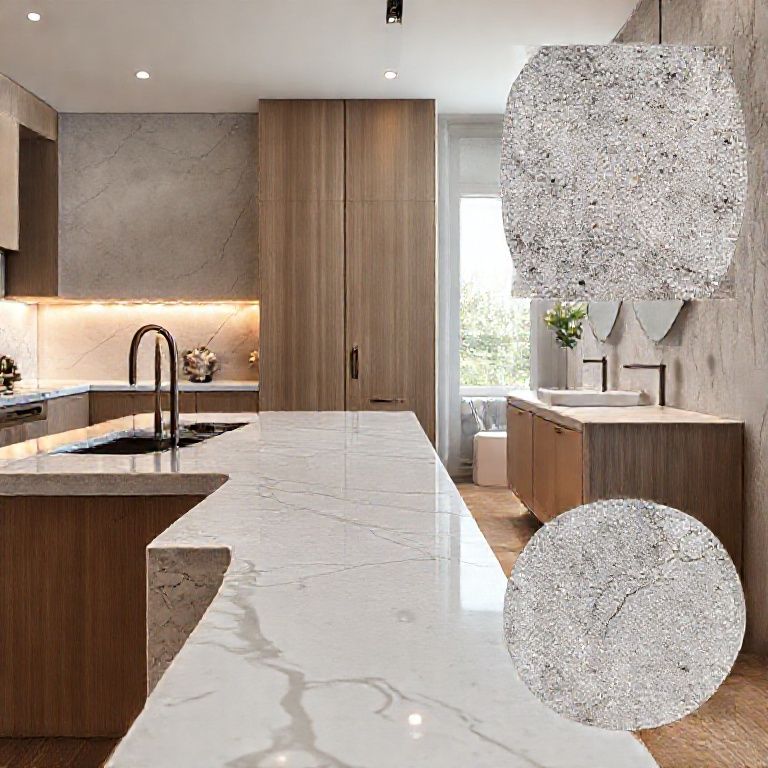
Artificial marble, often referred to as engineered stone or synthetic stone, has revolutionized the world of modern architecture and interior design. This remarkable material combines the aesthetic appeal of natural marble with the durability and versatility of contemporary composites. But what exactly goes into the formulation of artificial marble, and how does the science of material engineering contribute to its creation? Let’s delve into the intricacies of its formulation and the innovative processes that bring this beautiful material to life.
Understanding Artificial Marble: A Blend of Art and Science
Artificial marble is a composite material created by combining a variety of natural and synthetic ingredients. Its formulation is a meticulous process that requires a deep understanding of material science, chemistry, and engineering. The primary components of artificial marble include:
Alumina Trihydrate (Al₂O₃·3H₂O): This compound acts as a reinforcing agent, providing the stone with its incredible strength and durability. Alumina trihydrate is selected for its high hardness and thermal properties.
Ceramic Powders: These fine particles contribute to the texture and aesthetic quality of the final product. They are often mixed with pigments to achieve a wide range of colors and patterns.
Resins: Polymeric resins are used to bind the ceramic particles together. They act as a glue that ensures the material remains cohesive and resistant to wear and tear.
Fillers and Additives: Various fillers and additives are included to enhance specific properties such as water resistance, thermal stability, and overall mechanical strength.
The Formulation Process: Crafting the Perfect Mix
Creating the perfect formulation for artificial marble involves a delicate balance of these ingredients. Each component must be carefully measured and mixed to achieve the desired characteristics. Here’s a step-by-step look at the formulation process:
Selection of Raw Materials: The first step involves selecting high-quality raw materials. This includes sourcing pure alumina trihydrate, ceramic powders, and high-grade resins. The purity and quality of these materials are critical to the final product’s performance.
Mixing and Blending: The raw materials are mixed in precise proportions. This step requires advanced equipment to ensure uniformity. The blending process is critical as it affects the material’s texture, color, and overall appearance.
Adding Pigments: To achieve the stunning colors and patterns associated with natural marble, pigments are added during the mixing phase. The pigments are carefully selected to ensure a consistent and vibrant finish.
Incorporating Additives: Specific additives are included to enhance properties like water resistance and thermal stability. These additives are mixed thoroughly to ensure even distribution throughout the material.
The Role of Science in Formulation
The formulation of artificial marble is heavily influenced by scientific principles. The chemical interactions between the various components play a crucial role in determining the final product’s characteristics. Here are some key scientific principles at play:
Polymer Chemistry: The resins used in artificial marble are derived from polymer chemistry. The molecular structure of these resins determines their ability to bind the ceramic particles and provide strength and durability.
Thermodynamics: The curing process, which involves heating the mixture to a specific temperature, is governed by thermodynamic principles. This step is critical in achieving the desired hardness and strength of the material.
Material Science: Understanding the physical and chemical properties of the raw materials is essential. Material science principles guide the selection and combination of ingredients to achieve the best performance.
Conclusion
The formulation of artificial marble is a fascinating blend of art and science. It requires a deep understanding of material science, chemistry, and engineering to create a product that mimics the beauty of natural marble while offering superior durability and versatility. As we explore the intricate processes involved, it’s clear that the creation of artificial marble is both a scientific endeavor and a creative pursuit.
In the next part, we will delve into the manufacturing process of artificial marble, exploring the steps from raw material preparation to the final product, and how technological advancements are shaping the future of this remarkable material.
The Manufacturing Process of Artificial Marble
Once the formulation for artificial marble has been meticulously crafted, the next step is the manufacturing process. This phase involves a series of well-coordinated steps that transform the prepared mixture into a finished product ready for use in various applications. The manufacturing process of artificial marble is a marvel of modern engineering and technology, combining precision and innovation to produce a material that stands the test of time. Let’s explore the detailed steps involved in creating artificial marble and the advanced techniques that make it possible.
From Raw Material to Finished Product: The Manufacturing Journey
The manufacturing process of artificial marble can be broken down into several key stages:
Raw Material Preparation Molding Curing Finishing and Quality Control
Raw Material Preparation
Before the manufacturing process begins, the raw materials are thoroughly prepared to ensure consistency and quality. This stage involves:
Material Testing: Each batch of raw materials undergoes rigorous testing to check for purity, particle size distribution, and chemical composition. This ensures that only the highest quality materials are used in the formulation.
Mixing: The raw materials are mixed in precise proportions according to the formulation. This step requires advanced mixing equipment to achieve a uniform blend. The mixing process ensures that each component is evenly distributed throughout the mixture.
Molding
Once the raw materials are prepared, they are ready to be molded into the desired shapes and sizes. The molding process is critical as it determines the final form and dimensions of the artificial marble product. Here’s how it works:
Placing the Mixture: The prepared mixture is placed into molds. The molds are typically made from metal or high-strength plastic and are designed to replicate the desired shape of the final product.
Pressing: A hydraulic press is used to apply pressure to the mixture, compacting it into the mold. This step is crucial as it ensures the material is tightly packed, which contributes to its strength and durability.
Shaping: The mixture is shaped into the desired form, such as slabs, tiles, or countertops. The molds are often equipped with precise cutting mechanisms to achieve clean edges and accurate dimensions.
Curing
Curing is a critical phase in the manufacturing process of artificial marble. It involves heating the molded mixture to a specific temperature to activate the chemical reactions that bind the components together. Here’s how the curing process works:
Heating: The molded mixture is placed in a curing chamber where it is heated to a temperature that initiates the polymerization process of the resins. This temperature is carefully controlled to ensure optimal curing.
Maintaining Temperature: The curing chamber maintains the temperature for a specific duration to allow the resins to fully bond with the ceramic particles. This step is essential for achieving the material’s hardness and strength.
Cooling: After curing, the mixture is cooled gradually to prevent any thermal stress. The cooling process ensures that the material retains its shape and structural integrity.
Finishing and Quality Control
Once the artificial marble has been cured, it undergoes a series of finishing and quality control processes to ensure it meets the highest standards. This stage includes:
Surface Finishing: The surface of the artificial marble is smoothed and polished to achieve a beautiful and professional finish. This step may involve sanding, polishing, and even engraving to create intricate designs and patterns.
Edge Trimming: The edges of the product are trimmed to ensure clean and precise cuts. Advanced cutting equipment is used to achieve accurate and smooth edges.
Quality Control: Each piece undergoes rigorous quality control checks to ensure it meets the required specifications. This includes testing for hardness, water resistance, and overall durability. Any pieces that do not meet the standards are either reworked or discarded.
Technological Advancements in Manufacturing
The manufacturing process of artificial marble has been significantly advanced by technological innovations. Here are some of the key advancements that have shaped the industry:
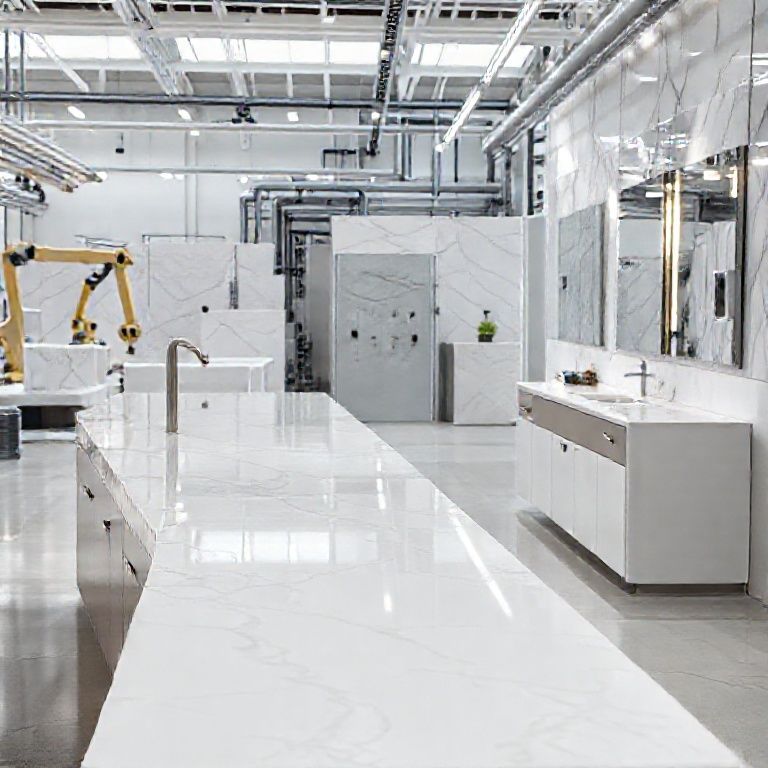
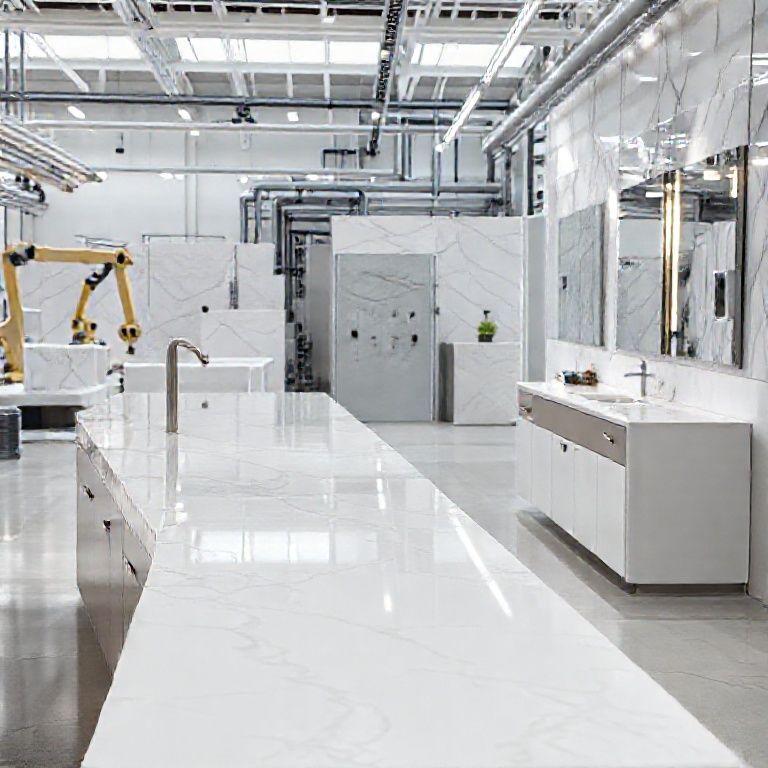
Automated Molding Systems: Modern manufacturing facilities utilize automated molding systems to ensure precision and consistency. These systems use advanced robotics and computer-aided design (CAD) to create perfectly shaped and sized pieces.
Curing Technologies: Innovations in curing technologies, such as infrared curing and vacuum curing, have improved the efficiency and quality of the curing process. These methods provide better control over temperature and pressure, resulting in superior products.
Surface Finishing Machines: Advanced surface finishing machines, such as CNC (Computer Numerical Control) machines, have revolutionized the finishing process. These machines allow for highly precise and intricate designs, enhancing the aesthetic appeal of the artificial marble.
Quality Control Systems: State-of-the-art quality control systems use advanced sensors and imaging technologies to inspect the final product. These systems can detect even the smallest imperfections, ensuring that only the highest quality pieces are sold.
Conclusion
The manufacturing process of artificial marble is a sophisticated and highly technical endeavor. It involves a series of carefully coordinated steps that transform a carefully formulated mixture into a finished product. From raw material preparation to curing and继续探讨一下这一领域,我们可以深入了解一些更具体的应用和未来发展趋势。
应用领域
1. 建筑与室内设计:
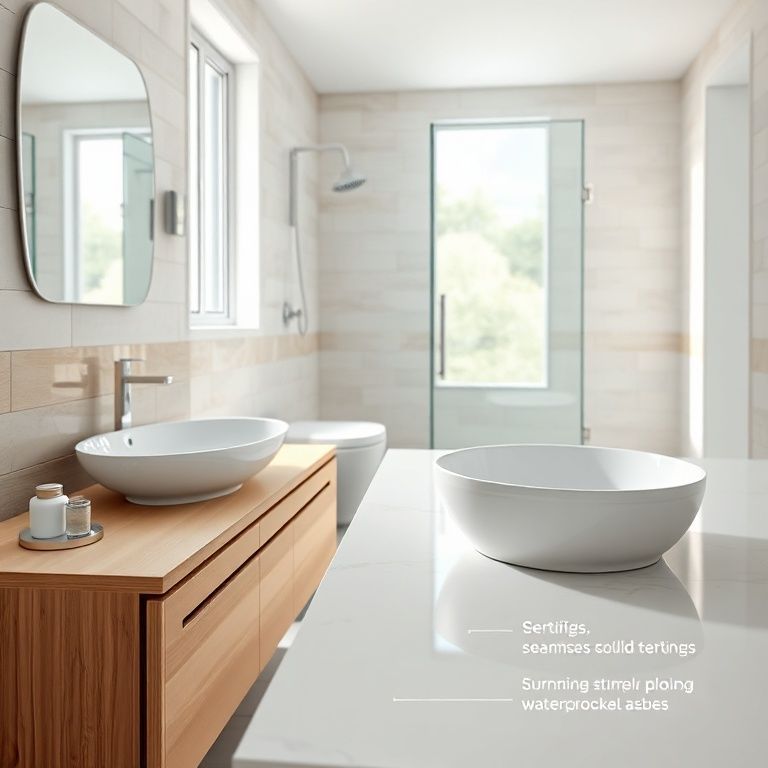
地板和墙面装饰:由于其耐用性和美观性,人造大理石广泛用于地板、墙面、橱柜台面等。 浴室和厨房:人造大理石因其抗污、防水、易清洁的特性,成为现代浴室和厨房的常见选择。 家具:高质量的人造大理石也被用于制作各种家具,如餐桌、茶几等。
2. 商业和公共设施:
办公楼和商业中心:人造大理石用于地板、墙面、楼梯等,提供高品质和耐用的环境。 医疗和教育设施:这些场所对卫生和耐用性有更高的要求,人造大理石在医院、学校等地的应用非常广泛。
3. 艺术与装饰品:
雕塑和艺术品:由于其可塑性和色彩多样性,人造大理石也被用于雕塑和各种艺术品的制作。 装饰品:如花瓶、灯具等,增加了室内的美感。
未来发展趋势
1. 环保与可持续性:
低VOC材料:未来的人造大理石材料将更加注重环保,减少挥发性有机化合物(VOC)的排放。 可回收材料:开发利用可回收材料制作的人造大理石,将进一步推动可持续发展。
2. 技术创新:
智能材料:未来的人造大理石可能会结合智能技术,具有更多功能,如感应、自洁等。 新型工艺:新的制造工艺将提高生产效率和产品质量,如3D打印技术在材料制造中的应用。
3. 个性化定制:
高度定制化:随着市场需求的多样化,未来的人造大理石将提供更高度的个性化定制服务,满足客户的特殊需求。 多样化设计:结合现代设计趋势,提供多种色彩、纹理和形状,以满足不同的装饰风格。
市场前景
随着全球建筑和装饰市场的持续增长,人造大理石的需求也将稳步上升。特别是在新兴市场,如东南亚、非洲等地,建筑业的快速发展将带动人造大理石的需求。随着环保意识的增强,更加环保和可持续的人造大理石产品将迎来更大的市场空间。
结论
人造大理石作为一种高性能、美观且耐用的材料,在建筑、室内设计、商业和公共设施等领域具有广泛的应用前景。随着技术的不断进步和市场需求的多样化,人造大理石将在未来迎来更加光明的发展前景。环保和可持续发展的趋势也将推动这一领域的创新和发展。