The Genesis of Artificial Marble
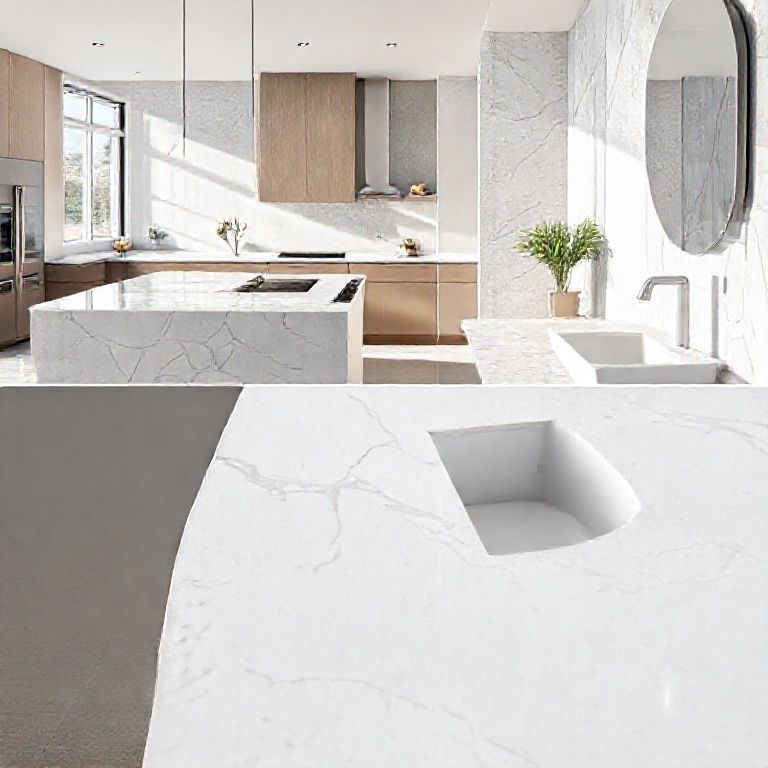
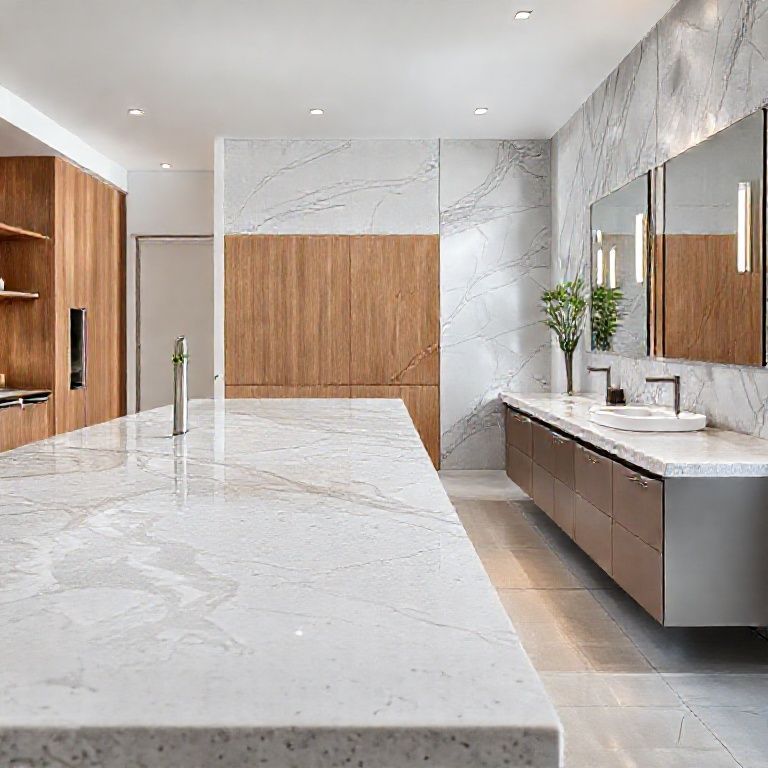
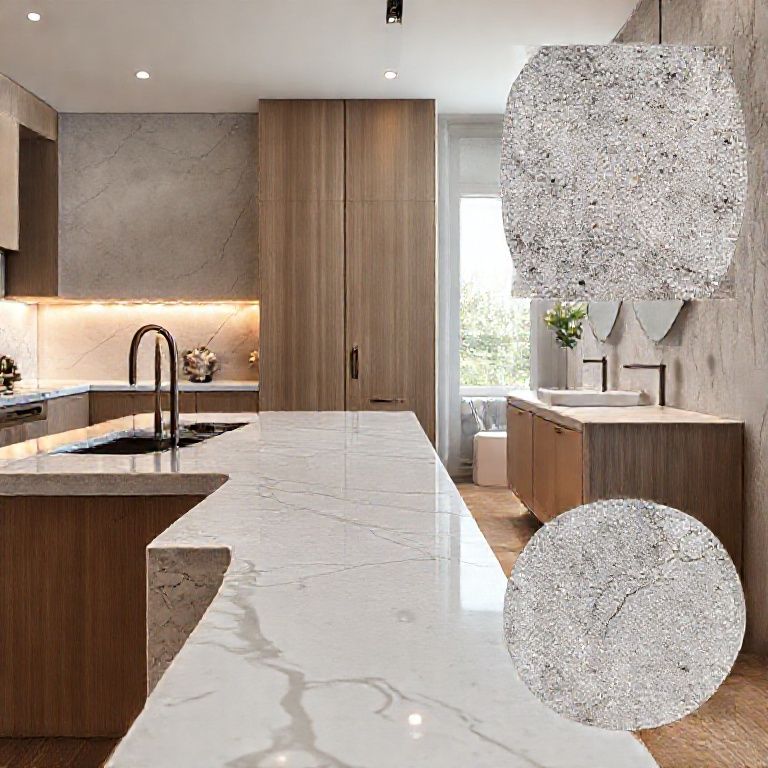
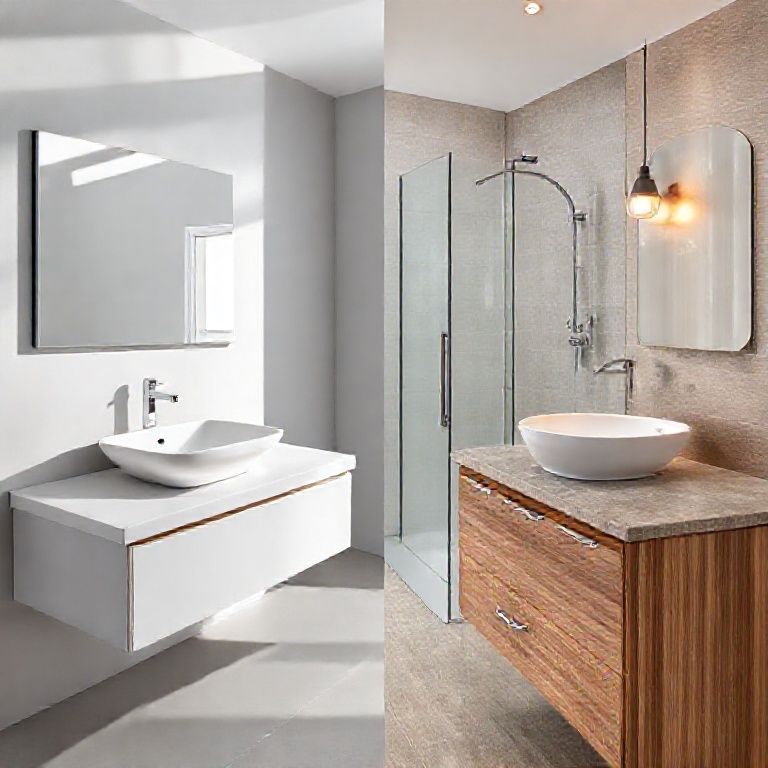
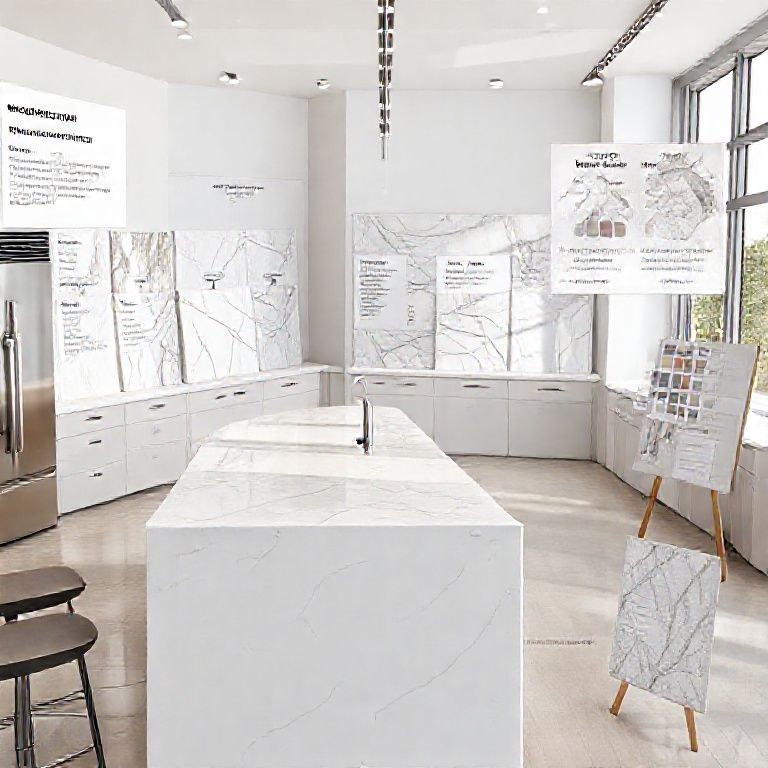
Artificial marble, a marvel of modern material science, has revolutionized the world of decorative stones. This sophisticated composite material combines the timeless elegance of natural marble with cutting-edge technology to create stunning, durable surfaces that mimic the beauty of their natural counterparts.
The Science Behind Artificial Marble
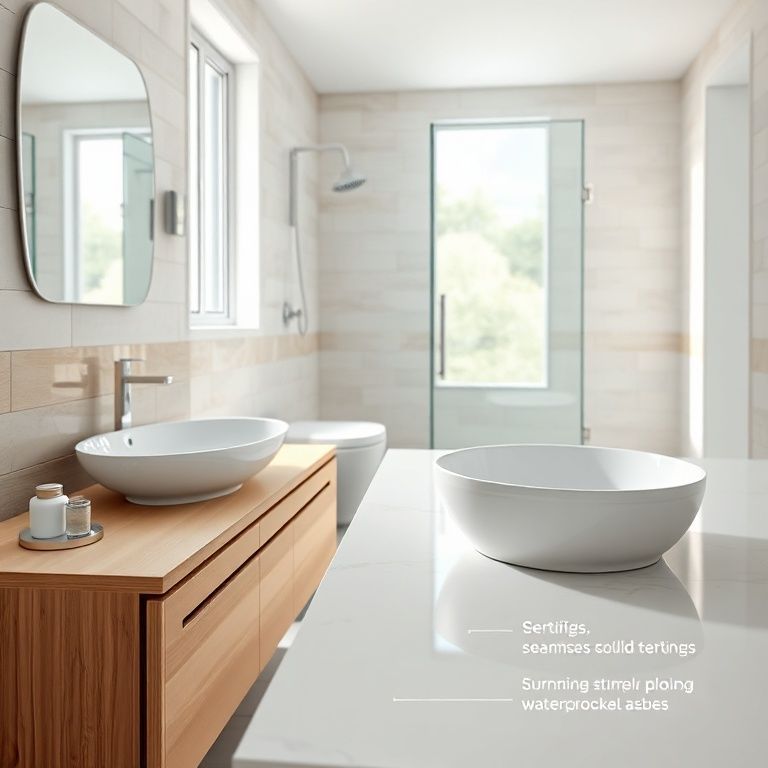
Artificial marble is primarily composed of resins, pigments, and other additives. The process begins with the meticulous selection of high-quality materials. Epoxy, polyester, or melamine resins form the backbone of the composite, providing the necessary strength and flexibility. Pigments, which can include mica, silica, and other minerals, are blended into the resin to achieve the desired color and texture.
Advanced Fabrication Techniques
Resin Mixing and Pigment Integration: The first step in artificial marble processing involves mixing the resin with pigments. This step is critical as it determines the final appearance and durability of the product. High-speed mixers ensure that the pigments are uniformly distributed throughout the resin, preventing color streaks and ensuring a consistent finish.
Mold Preparation: Precision mold preparation is essential for achieving the desired shape and texture. Molds are typically made from steel or aluminum and are intricately designed to replicate the intricate patterns found in natural marble. These molds are often coated with a release agent to facilitate easy removal of the cured product.

Curing Process: The resin-pigment mixture is poured into the mold and left to cure under specific temperature and pressure conditions. Curing can take place through various methods, including pressure curing, vacuum bagging, or using autoclaves. These methods ensure that the resin fully polymerizes, resulting in a material that is both strong and resistant to wear and tear.
Quality Control and Finishing
Once cured, the artificial marble slabs are removed from the mold and undergo a series of quality control checks. These checks ensure that the slabs meet the desired specifications in terms of size, color uniformity, and surface finish. Post-production treatments may include polishing, sanding, or coating to enhance the aesthetic appeal and durability of the slabs.
Sustainability and Innovation
One of the significant advantages of artificial marble is its sustainability. Unlike natural marble, which is a finite resource and often harvested in environmentally destructive ways, artificial marble can be produced in a controlled, sustainable manner. Innovative techniques are continually being developed to reduce waste and improve the efficiency of the manufacturing process, making it an increasingly eco-friendly choice.
Applications and Versatility
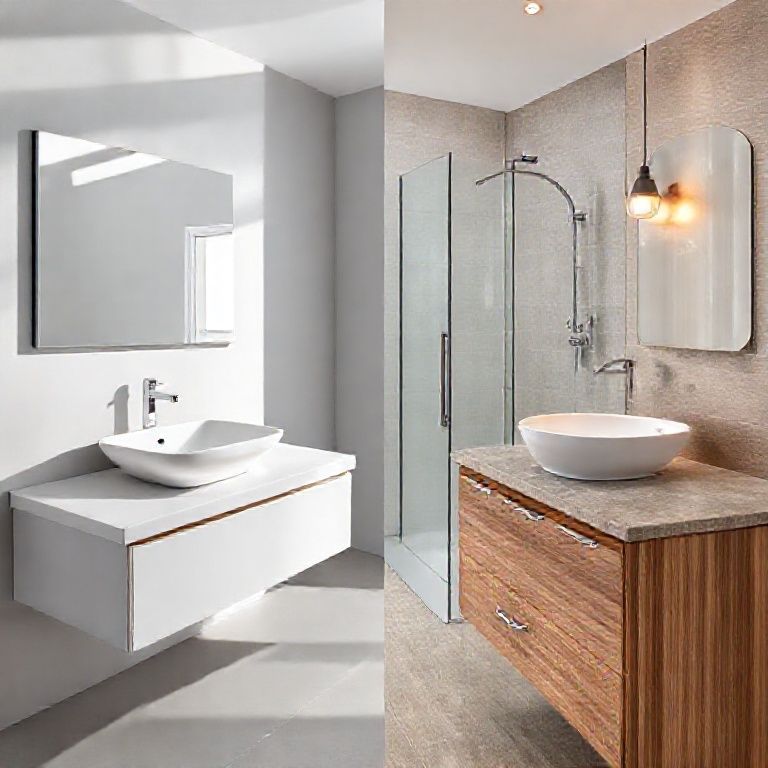
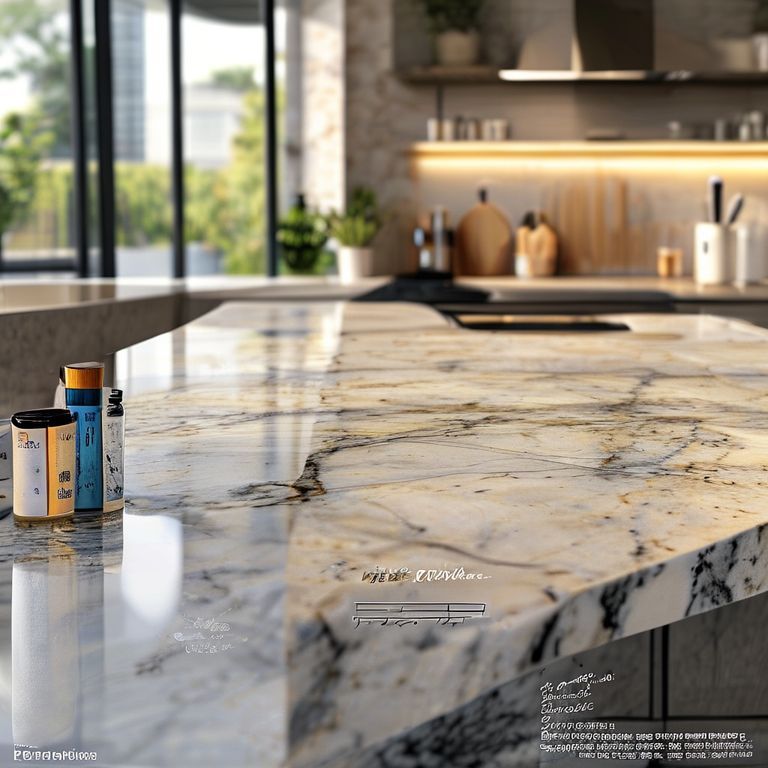
Artificial marble’s versatility makes it suitable for a wide range of applications, from countertops and tabletops to wall cladding and decorative elements. Its resistance to stains, scratches, and thermal damage makes it an excellent choice for both residential and commercial projects. The ability to create custom designs and colors further enhances its appeal to architects, designers, and homeowners.
Conclusion to Part 1
The creation of artificial marble is a testament to human ingenuity and the power of advanced material science. By combining high-quality resins and pigments with sophisticated fabrication techniques, manufacturers can produce a material that not only replicates the beauty of natural marble but also surpasses it in durability and sustainability. As we continue to explore new methods and technologies, the future of artificial marble looks promising and full of possibilities.
Mastery of Artificial Marble Processing Technology
Artificial marble processing technology is a dynamic field that continually evolves with advancements in material science and manufacturing techniques. This part delves deeper into the various processes and techniques used in the production of artificial marble, highlighting the precision and innovation that make this material so exceptional.
Precision Molding and Design
Mold Design and Fabrication:
The precision of the mold plays a pivotal role in the final appearance of the artificial marble. Advanced CAD (Computer-Aided Design) software is often used to create intricate mold designs. These molds are then fabricated using CNC (Computer Numerical Control) machining, ensuring a high degree of accuracy and consistency. The mold surface is often coated with a special material that mimics the texture of natural marble, giving the artificial product a realistic appearance.
Pattern and Texture Emulation:
Emulating the patterns and textures found in natural marble is a complex but crucial aspect of artificial marble processing. Manufacturers use a combination of physical templates and digital simulations to achieve this. High-resolution images of natural marble are scanned and processed to create a digital pattern that is then imprinted onto the mold. This ensures that each slab of artificial marble has a unique and realistic texture.
Color Matching and Pigmentation
Pigment Selection and Formulation:
Achieving a perfect color match is essential for the aesthetic appeal of artificial marble. Manufacturers select pigments that closely mimic the colors found in natural marble. These pigments are then mixed with the resin in precise proportions to create a slurry that can be poured into the mold. The formulation process is highly scientific, involving careful calculations to ensure color consistency across different batches.
Color Stability and Longevity:
Color stability is a critical factor in artificial marble production. Advanced pigments are used to ensure that the colors do not fade or change over time. This is particularly important for products that will be exposed to sunlight or high temperatures. Manufacturers often conduct extensive tests to ensure that the final product maintains its color integrity under various conditions.
Curing and Finishing Processes
Curing Techniques:
The curing process is a crucial phase in artificial marble processing. Different curing techniques are employed depending on the desired properties of the final product. Pressure curing involves applying high pressure to the mold during the curing process, resulting in a denser and more uniform material. Vacuum bagging and autoclave curing are other methods used to achieve different levels of strength and durability.
Surface Finishing:
Once the artificial marble slabs have been cured and removed from the mold, they undergo a series of finishing processes to achieve the desired surface texture and appearance. This can include sanding, polishing, and coating. Advanced polishing techniques, such as diamond polishing, are used to create a smooth and glossy finish. Coatings can be applied to enhance the durability and resistance of the slabs to stains, scratches, and thermal damage.
Innovative Manufacturing Technologies
3D Printing and Additive Manufacturing:
The advent of 3D printing and additive manufacturing has opened up new possibilities in artificial marble production. These technologies allow for the creation of complex shapes and designs that would be difficult to achieve using traditional molding techniques. 3D printing involves layering materials to build up the final product, offering unprecedented precision and flexibility.
Digital Fabrication:
Digital fabrication techniques, including CNC machining and laser cutting, are increasingly used in the production of artificial marble. These methods allow for the creation of intricate patterns and textures with high accuracy. Digital fabrication also enables the production of custom designs, giving manufacturers the ability to cater to specific client requirements.
Automation and Smart Manufacturing:
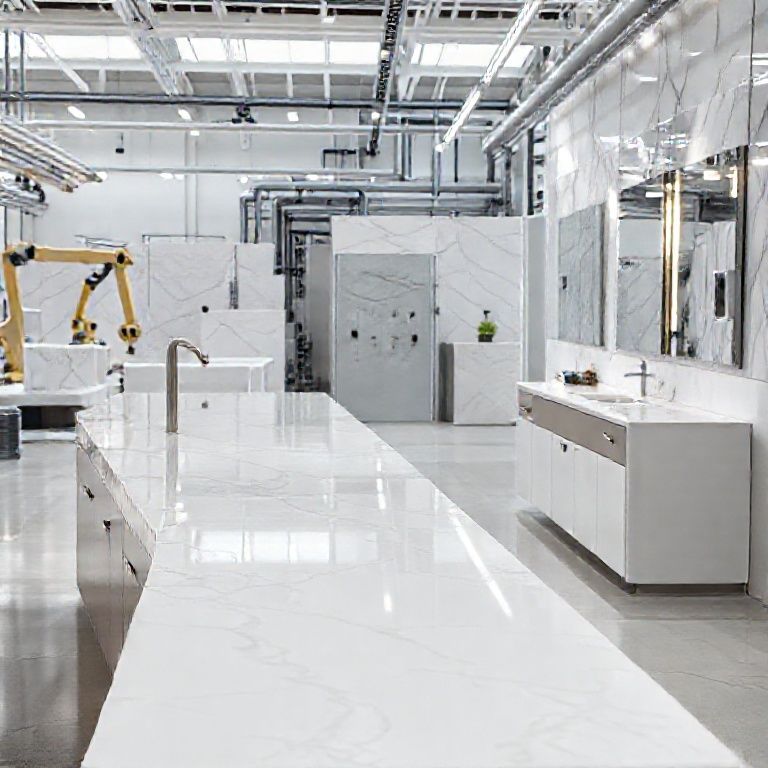
The integration of automation and smart manufacturing technologies is transforming the artificial marble industry. Automated systems can streamline the production process, reducing human error and increasing efficiency. Smart manufacturing involves the use of IoT (Internet of Things) devices and advanced analytics to monitor and optimize the production process in real-time.
Quality Control and Testing
Advanced Inspection Technologies:
Quality control is a critical aspect of artificial marble processing. Advanced inspection technologies, such as 3D scanning and laser profiling, are used to ensure that each slab meets the required specifications. These technologies can detect even the smallest imperfections, ensuring that the final product is of the highest quality.
Performance Testing:
Performance testing is conducted to ensure that the artificial marble meets the necessary standards for durability, strength, and resistance to various environmental factors. This includes tests for hardness, scratch resistance, thermal shock resistance, and chemical resistance. These tests help manufacturers to ensure that their products will perform well in real-world applications.
Sustainability and Future Trends
Eco-Friendly Materials:
As sustainability becomes a more pressing concern, manufacturers are exploring eco-friendly alternatives for the materials used in artificial marble production. This includes the use of recycled materials and the development of biodegradable resins. These innovations help to reduce the environmental impact of the manufacturing process.
Energy-Efficient Processes:
Energy efficiency is another key area of focus. Manufacturers are developing processes that require less energy to operate, such as low-temperature curing methods. These advancements help to reduce the carbon footprint of artificial marble production.
Innovative Applications:
The versatility of artificial marble continues to drive innovation in its applications. New uses are being discovered for this material, including in the automotive, aerospace, and medical industries. The ability to create custom shapes and colors makes artificial marble an ideal choice for a wide range of specialized applications.
Conclusion to Part 2
Artificial marble processing technology is a dynamic and evolving field that combines precision engineering, advanced materials science, and innovative manufacturing techniques. The meticulous processes involved in creating this stunning material ensure that it not only replicates the beauty of natural marble but also surpasses it in durability and sustainability. As technology continues to advance, the future of artificial marble looks promising, with new innovations and applications continually emerging.
This comprehensive exploration of artificial marble processing technology and techniques highlights the intricate and sophisticated processes that go into creating this remarkable material. From the initial formulation and molding to the curing, finishing, and quality control processes, each step is a testament to human ingenuity and the power of modern science.