The Intricate Methods and Initial Formulations in Artificial Marble Production
Introduction
Artificial marble, also known as synthetic stone, has revolutionized the world of luxury materials and decorative stones. This innovative material mimics the natural beauty of marble while offering superior durability and versatility. The production of artificial marble involves a blend of art and science, combining precise formulations with advanced manufacturing techniques to create an exceptional composite material. In this first part of our series, we delve into the intricate methods and initial formulations that form the backbone of artificial marble production.
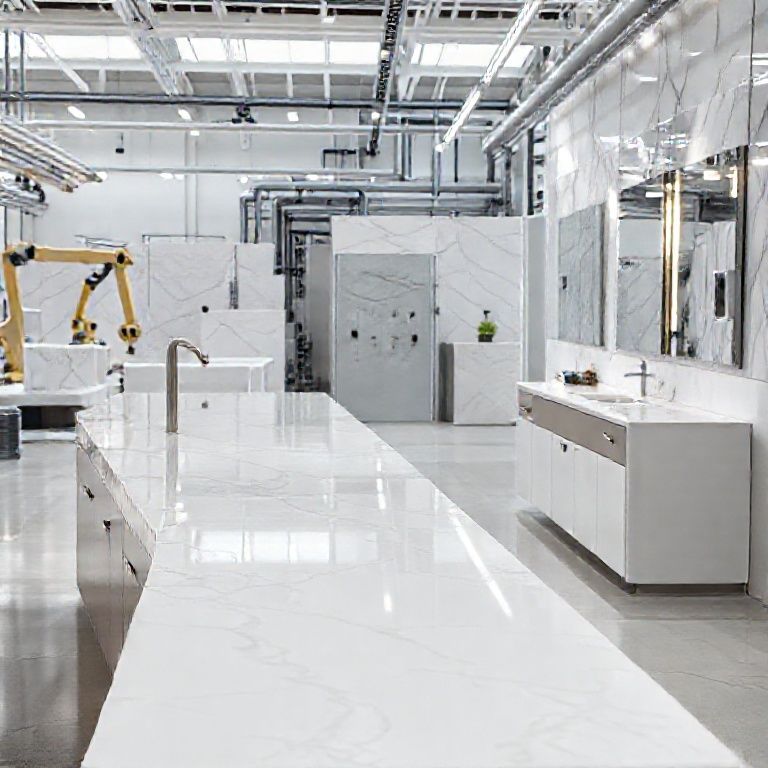
Understanding the Raw Materials
The journey of creating artificial marble begins with selecting the finest raw materials. The primary ingredients typically include:
Quartz Aggregate: High-purity quartz sand serves as the base material. It provides the necessary strength and hardness, ensuring the final product’s resilience.
Resins: Polymeric resins, particularly epoxy resins, act as the binding agents. These resins are meticulously formulated to enhance the material’s aesthetic appeal and structural integrity.
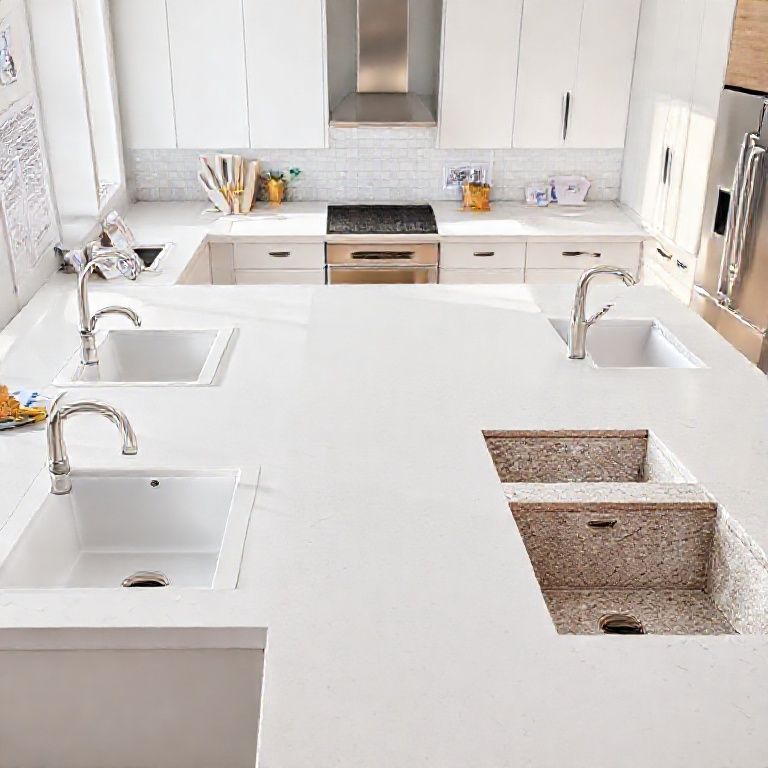
Colorants: To mimic the rich and varied colors found in natural marble, specialized colorants and pigments are used. These colorants are often organic dyes or fine powders that are uniformly dispersed within the resin.
Fillers: Additives like talc, calcite, or other fine minerals are included to adjust the material’s texture and to achieve specific aesthetic effects.
The Initial Formulation Process
The production of artificial marble starts with a carefully crafted formulation. This process involves blending these raw materials in precise ratios to achieve the desired properties:
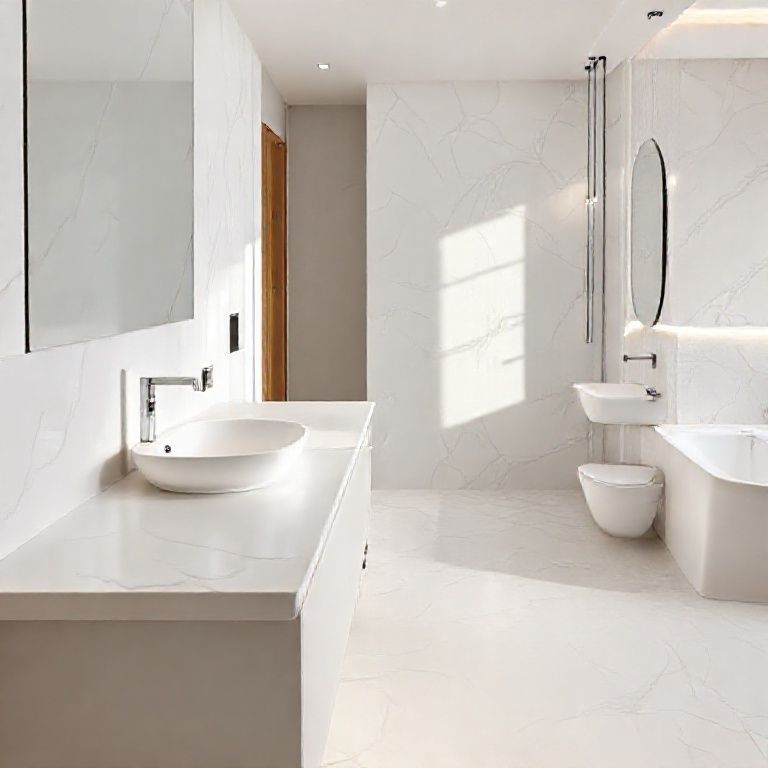
Mixing: The quartz aggregate is first mixed with the resin. This step requires meticulous control over the temperature and mixing speed to ensure a homogenous mixture.
Coloration: Colorants are added to the resin-aggregate mixture. Advanced techniques such as ultrasonic dispersion are often used to ensure that the pigments are evenly distributed, preventing any color streaks or unevenness.
Curing Agents: Curing agents are introduced to initiate the polymerization process. The choice of curing agent significantly impacts the material’s hardness, flexibility, and resistance to chemicals.

Mold Preparation
Artificial marble is typically produced using molds, which can be made from various materials such as stainless steel or aluminum. The mold design is crucial as it determines the final shape and surface texture of the artificial marble piece.
Mold Design: Sophisticated mold designs are created using computer-aided design (CAD) software. These molds often feature intricate patterns that replicate the natural beauty of marble veins.
Surface Treatment: To ensure optimal adhesion between the resin and the mold, the mold surfaces are often treated with a release agent. This prevents the artificial marble from sticking to the mold during curing, allowing for clean, precise cuts later on.
Initial Curing
Once the mixture is prepared and the mold is ready, the next step is the initial curing process:
Pouring: The resin-aggregate mixture is poured into the mold. Excess air bubbles are removed using vacuum degassing or vibration techniques to ensure a flawless finish.
First Curing Phase: The mold is then placed in a controlled environment, typically a temperature- and humidity-regulated room, where the material begins to cure. This initial curing phase solidifies the material and sets the foundation for further processing.
Conclusion
Creating artificial marble is a meticulous process that demands precision and expertise. From selecting high-quality raw materials to carefully formulating the mixture and preparing the molds, each step plays a critical role in producing a final product that rivals the beauty and durability of natural marble. As we move forward, we will explore the subsequent stages of artificial marble production, including the final curing, polishing, and application techniques.
Final Curing, Polishing, and Applications in Artificial Marble Production
Introduction
Having meticulously prepared the initial formulation and set the foundation through mold preparation and initial curing, the final stages of artificial marble production come into play. These stages are crucial for achieving the stunning finish and superior properties that make artificial marble a preferred choice in luxury construction and decorative applications. This part of our series delves into the final curing and polishing processes, as well as the diverse applications where artificial marble shines.
Final Curing
The final curing phase is essential to fully develop the strength and aesthetic qualities of the artificial marble. This process involves:
Temperature and Pressure Control: The mold with the partially cured material is subjected to a controlled temperature and pressure environment. This stage ensures complete polymerization of the resin and enhances the material’s durability.
Time Duration: The curing time can vary depending on the specific formulation and desired properties. Typically, this phase can last from several hours to a couple of days. Precise control over these variables is critical for achieving the optimal balance of hardness, flexibility, and chemical resistance.
Post-Curing Treatment: After the final curing, additional treatments such as UV curing or thermal curing may be applied to further enhance the material’s surface finish and overall quality.
Polishing Techniques
Once the final curing is complete, the artificial marble undergoes a series of polishing techniques to achieve its final, luxurious appearance:
Surface Grinding: The raw, cured marble block is first ground to remove any excess material and to begin shaping the piece. This process ensures a smooth, even surface that will serve as the base for further polishing.
Diamond Polishing: Diamond-impregnated polishing pads or wheels are used to smooth the surface and enhance the material’s luster. This step involves careful abrasion to bring out the intricate patterns and colors embedded in the material.
Buffing: After polishing, the surface is buffed to remove any remaining scratches and to achieve a high-gloss finish. This final step requires skilled craftsmanship to ensure a flawless, mirror-like surface.
Surface Treatments
Artificial marble can undergo various surface treatments to further enhance its aesthetic appeal and functional properties:
Waterproofing: A hydrophobic coating can be applied to make the artificial marble more resistant to water and stains. This treatment is particularly beneficial for surfaces that are frequently exposed to moisture.
Anti-Scratch Coatings: To protect the surface from scratches and scuffs, anti-scratch coatings can be added. These coatings create a durable, scratch-resistant layer on the surface of the marble.
Color Enhancements: Specialized dyes or pigments can be incorporated into the final product to enhance or modify the color. This allows for a wide range of aesthetic options, from deep, rich hues to subtle, natural tones.
Applications
Artificial marble’s unique properties make it an ideal choice for a variety of applications across different industries:
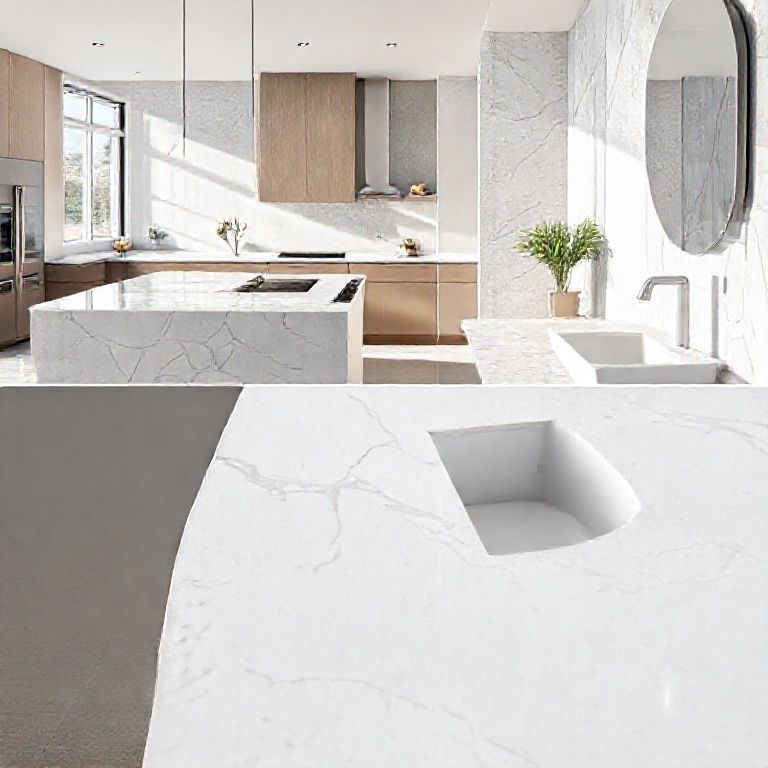
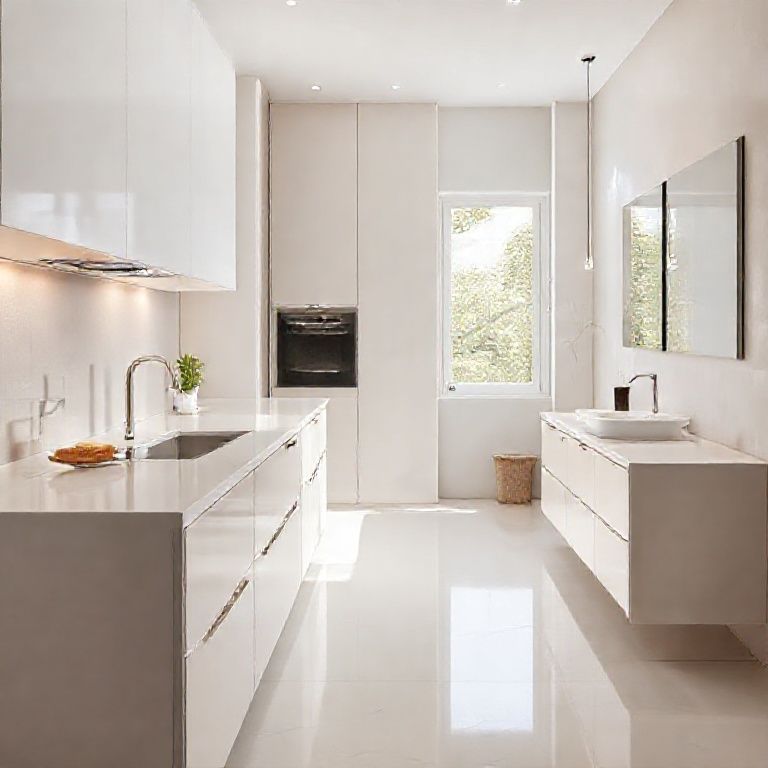
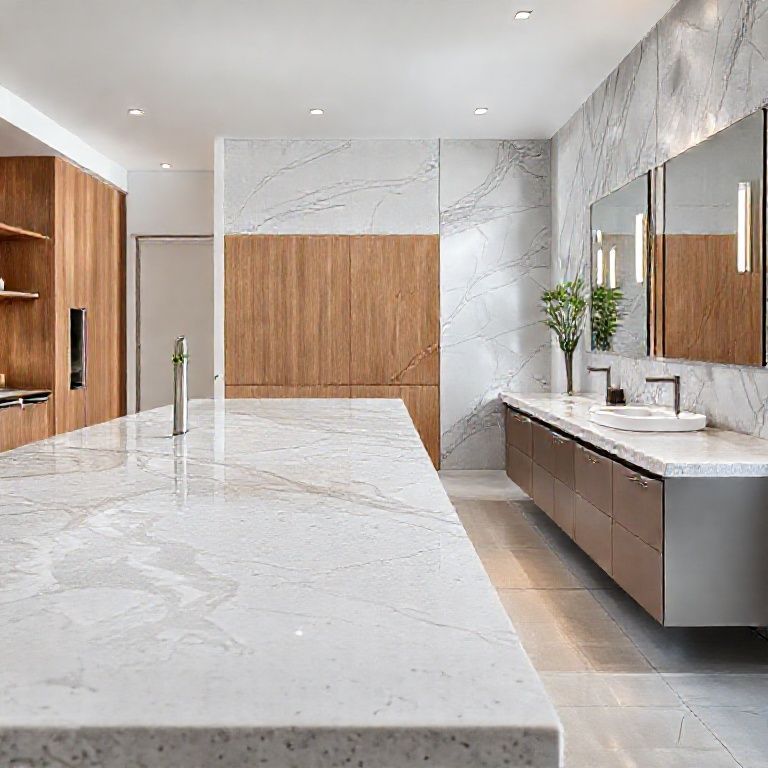
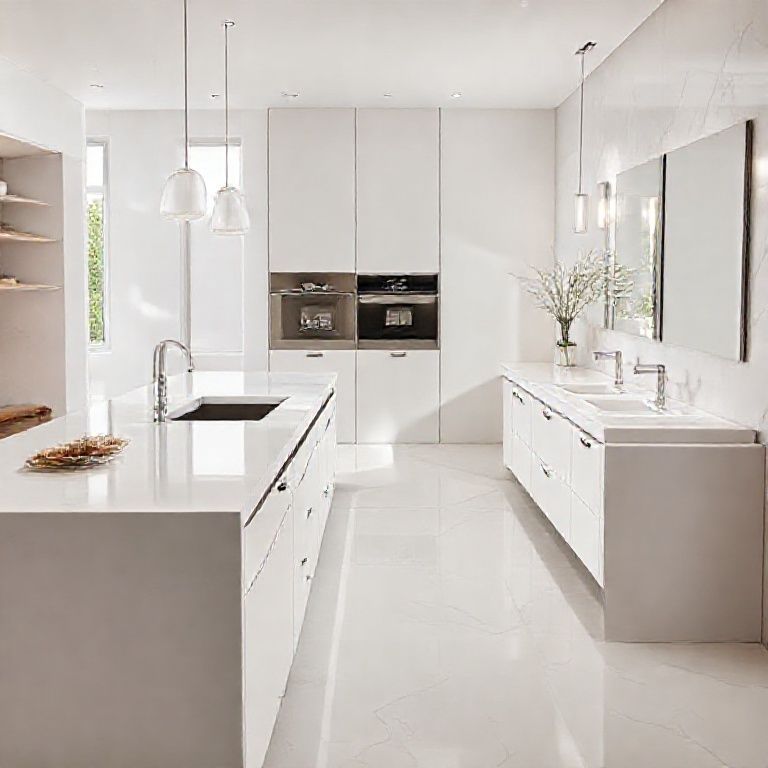
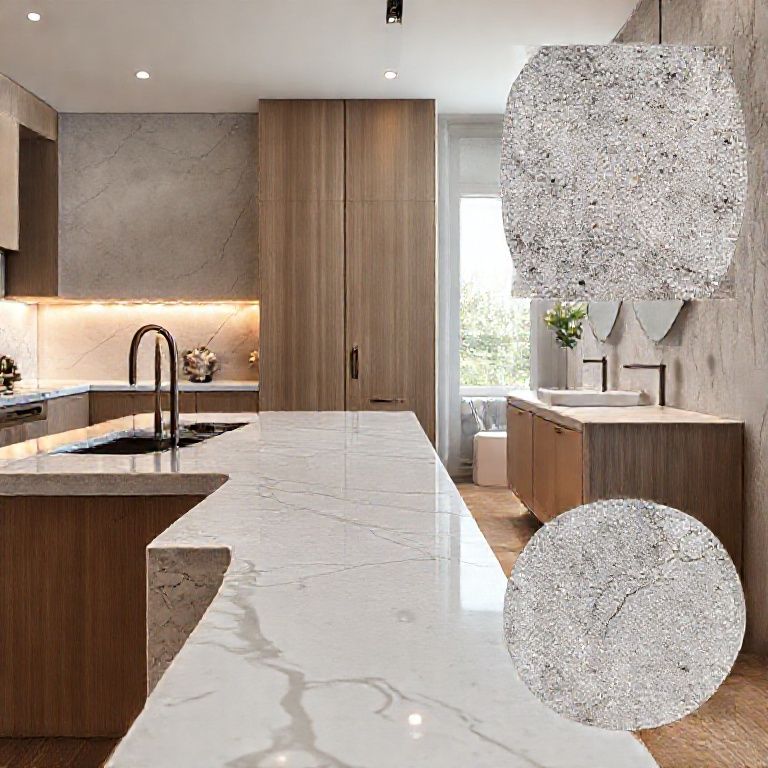
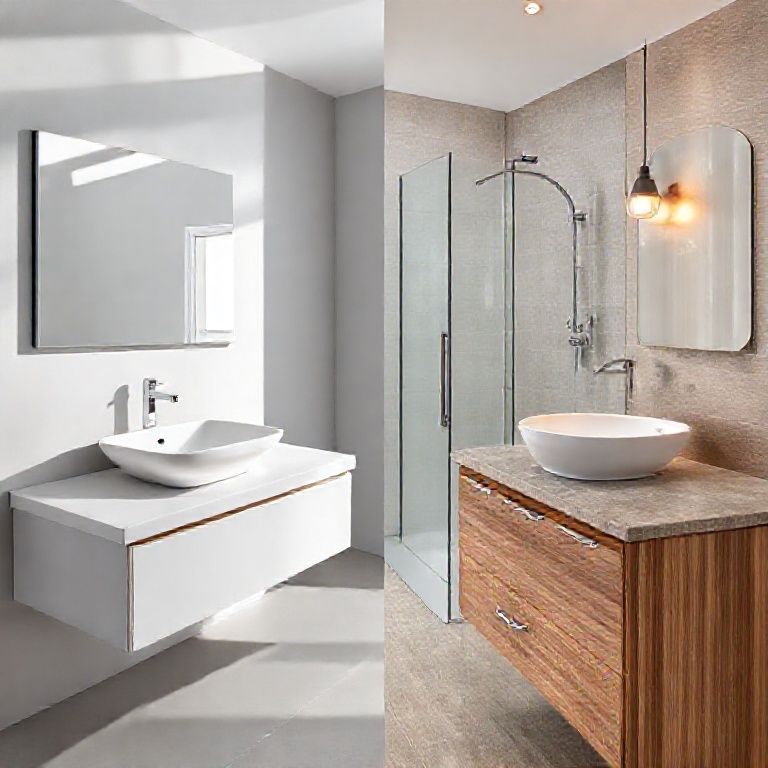
Architecture and Interior Design: Artificial marble is widely used in architectural and interior design projects. Its versatility allows designers to create stunning countertops, tabletops, facades, and decorative elements that mimic the beauty of natural marble.
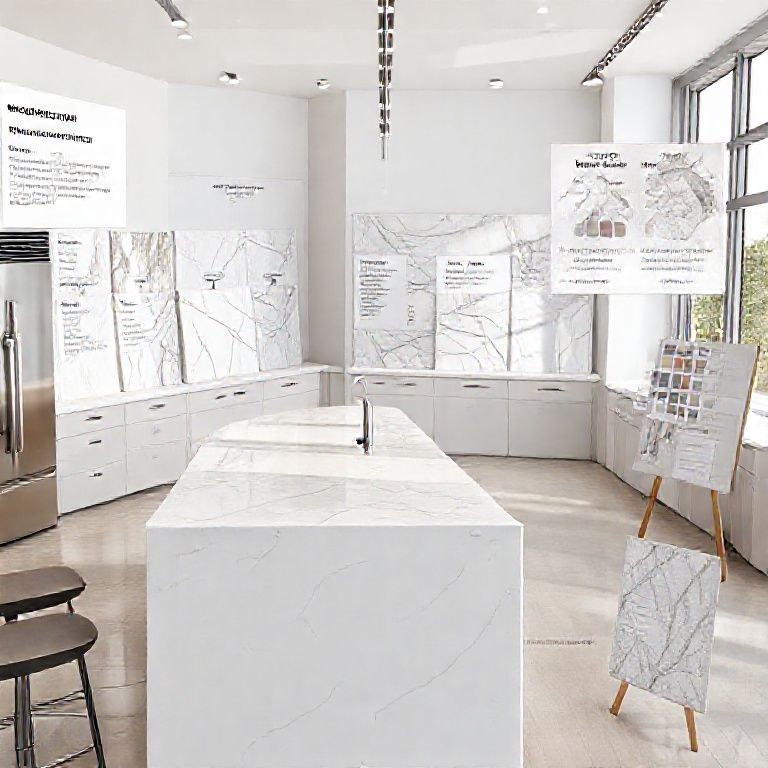
Commercial Spaces: In commercial spaces such as restaurants, hotels, and office buildings, artificial marble is prized for its durability, low maintenance, and aesthetic appeal. It provides a luxurious look without the high maintenance and cost associated with natural marble.
Luxury Goods: The high-quality finish and customizable properties of artificial marble make it a popular choice for luxury goods such as jewelry displays, display cases, and bespoke furniture.
Art and Sculpture: Artists and sculptors appreciate the malleability and color-rich properties of artificial marble. It allows for intricate designs and detailed work that can rival traditional marble sculptures.
Conclusion
The final stages of artificial marble production, from the precise final curing to the intricate polishing techniques, are essential for achieving the superior quality and aesthetic appeal of this remarkable material. By understanding these processes and applications, we can appreciate the craftsmanship and innovation involved in creating artificial marble. Whether for high-end architecture, luxury goods, or artistic endeavors, artificial marble continues to captivate and inspire with its beauty and versatility.
By exploring both the initial formulations and the final stages of artificial marble production, this article provides a comprehensive look into the intricate art and science behind this stunning material. From the meticulous selection of raw materials to the sophisticated techniques used in final curing and polishing, artificial marble exemplifies the fusion of creativity and technology in modern manufacturing.