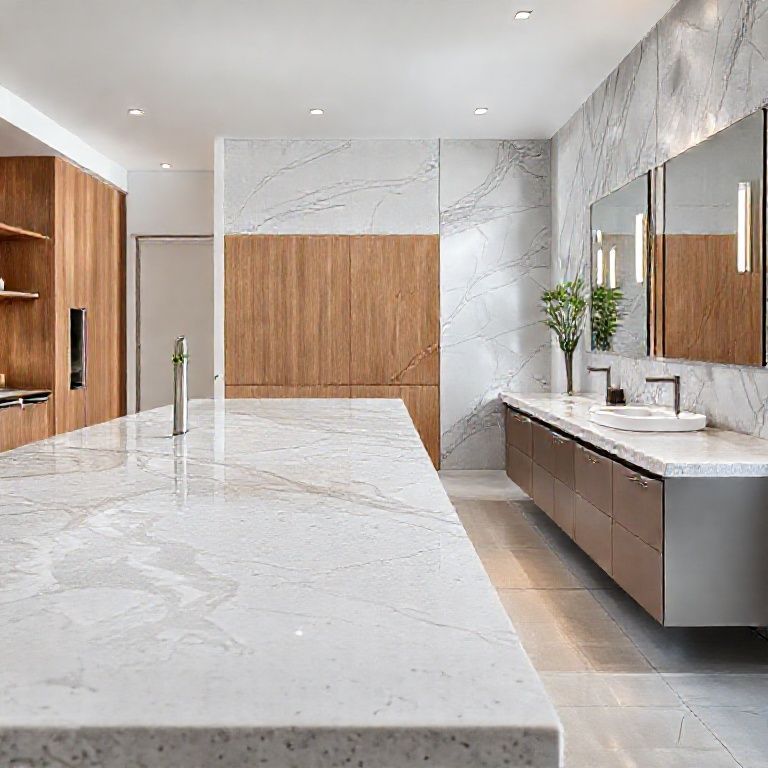
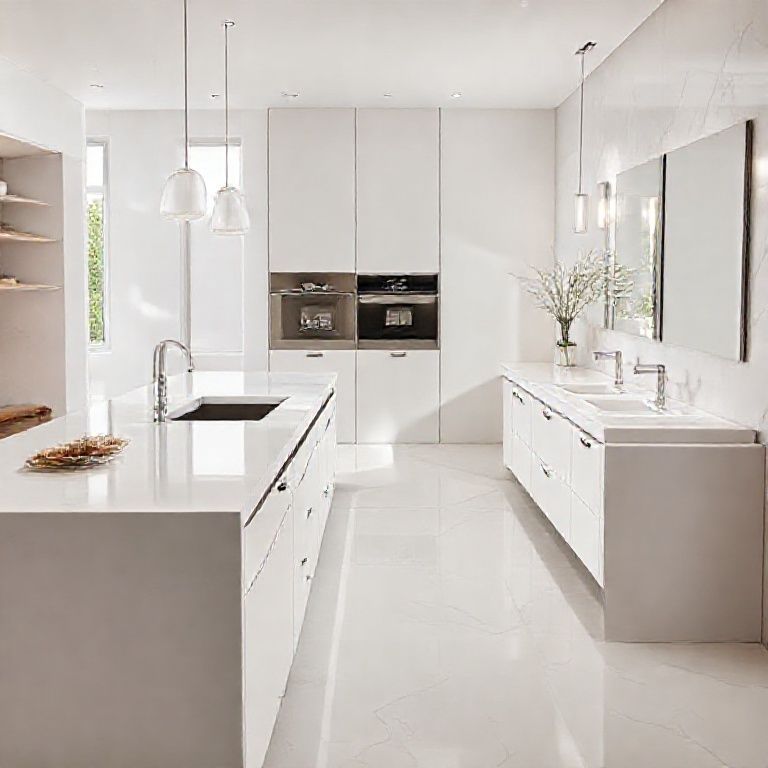
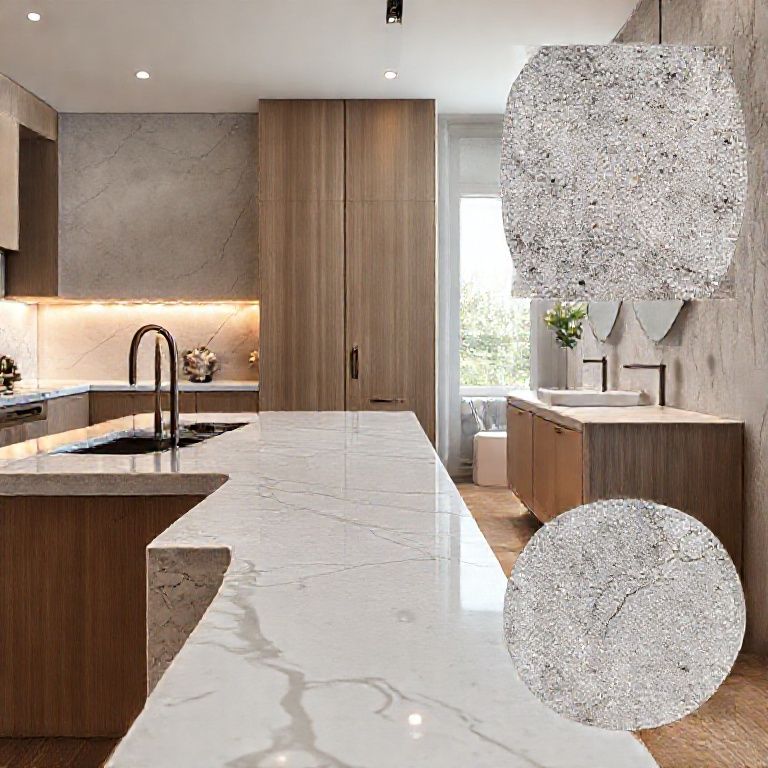
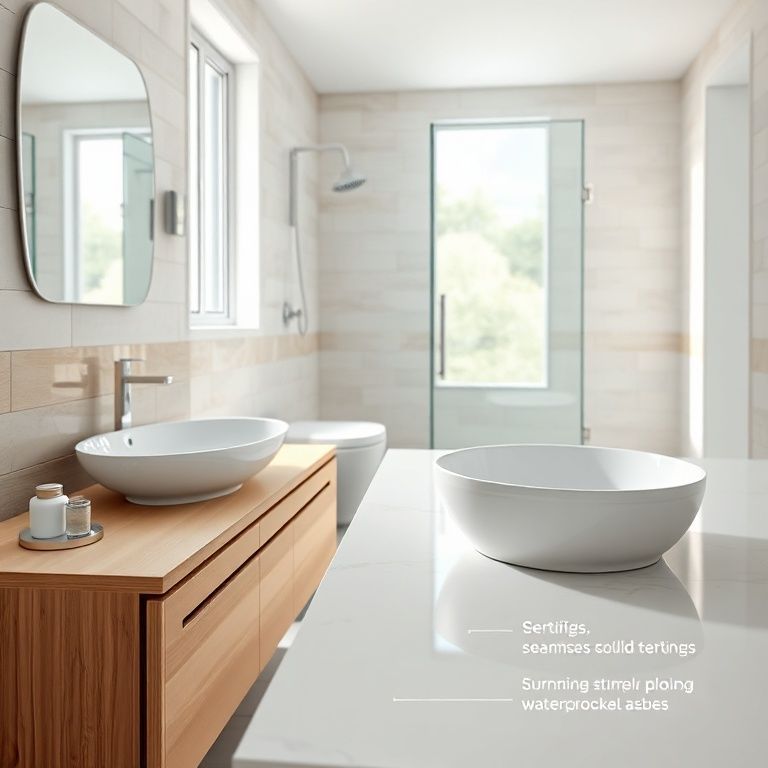
Discover the top three materials for bathroom cabinets that blend durability, elegance, and practicality. This comprehensive guide will walk you through the best choices to enhance the beauty and functionality of your bathroom space. Read on to find out why these materials stand out and how they can elevate your bathroom experience.
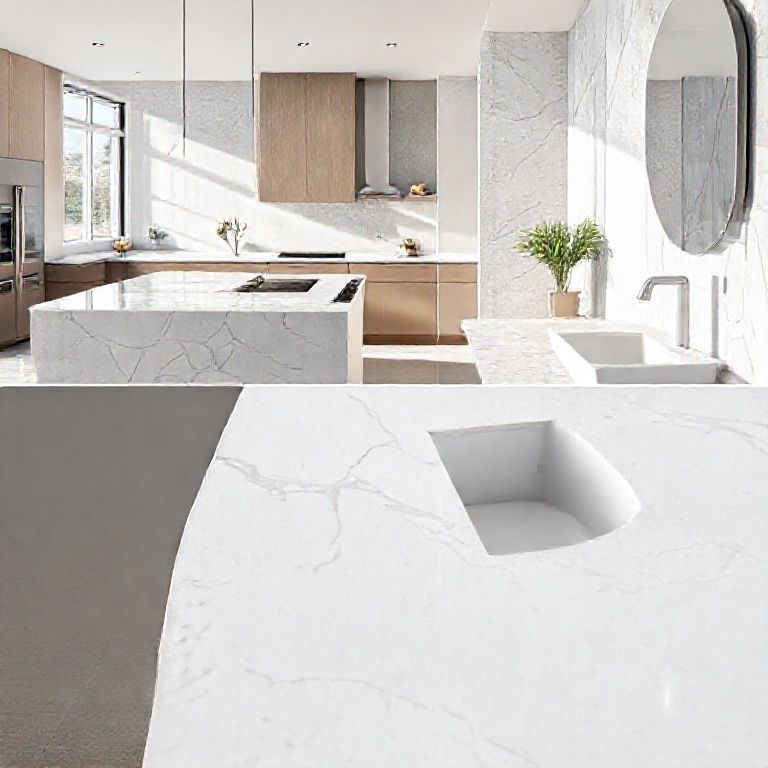
bathroom cabinets, best materials, bathroom cabinet materials, durability, elegance, practicality, cabinet materials, bathroom design, bathroom renovation, bathroom furniture
The Best Materials for Bathroom Cabinets: An Exquisite Guide
When it comes to bathroom design, the choice of materials for cabinets plays a crucial role in both aesthetics and functionality. Selecting the right material can make a world of difference in the durability, maintenance, and overall look of your bathroom. In this first part, we will explore the top three materials for bathroom cabinets that stand out for their unique attributes. Let’s dive into the details and find out why these materials are considered the best for bathroom cabinets.
1. Stainless Steel
Durability and Resilience
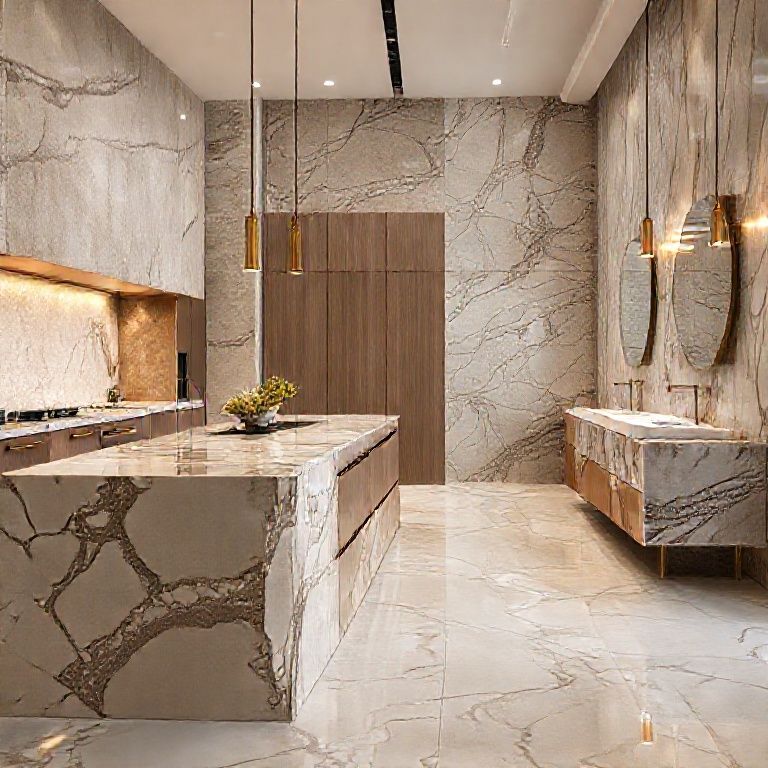
Stainless steel is a popular choice for bathroom cabinets due to its unmatched durability and resistance to moisture and corrosion. Unlike wood or other materials that can warp or decay over time, stainless steel remains resilient, maintaining its sleek, modern look even in high-humidity environments.
Easy Maintenance
One of the significant advantages of stainless steel cabinets is their ease of maintenance. Stainless steel surfaces are easy to clean and resist fingerprints and water spots, which makes them ideal for bathrooms. A simple wipe with a damp cloth and mild soap is usually sufficient to keep them looking pristine.
Versatility in Design
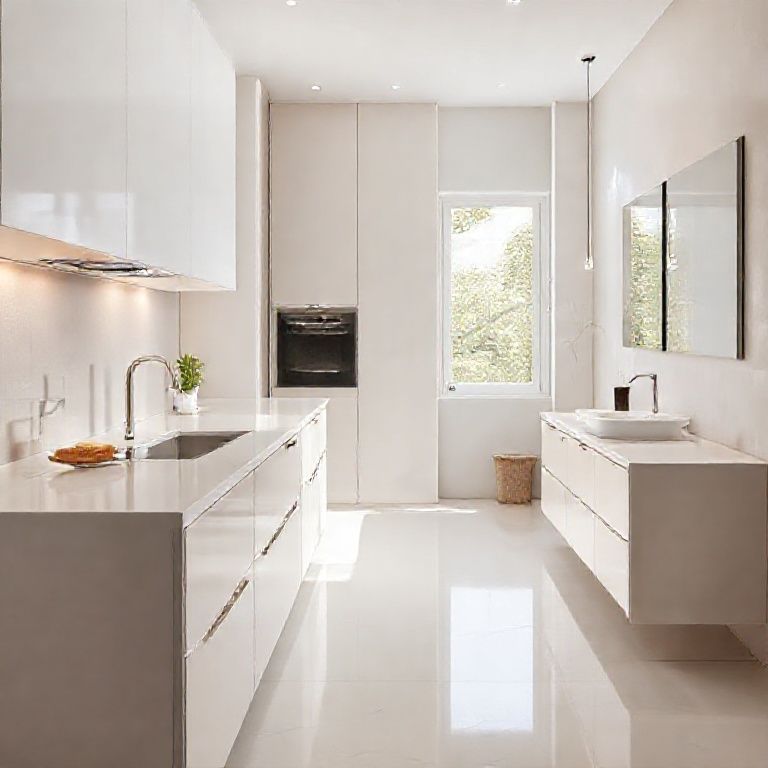
Stainless steel offers a clean, minimalist aesthetic that complements various design styles, from contemporary to industrial. It can be finished in a variety of ways, including brushed or polished finishes, to suit different tastes and preferences.
2. Quartz
Unmatched Strength
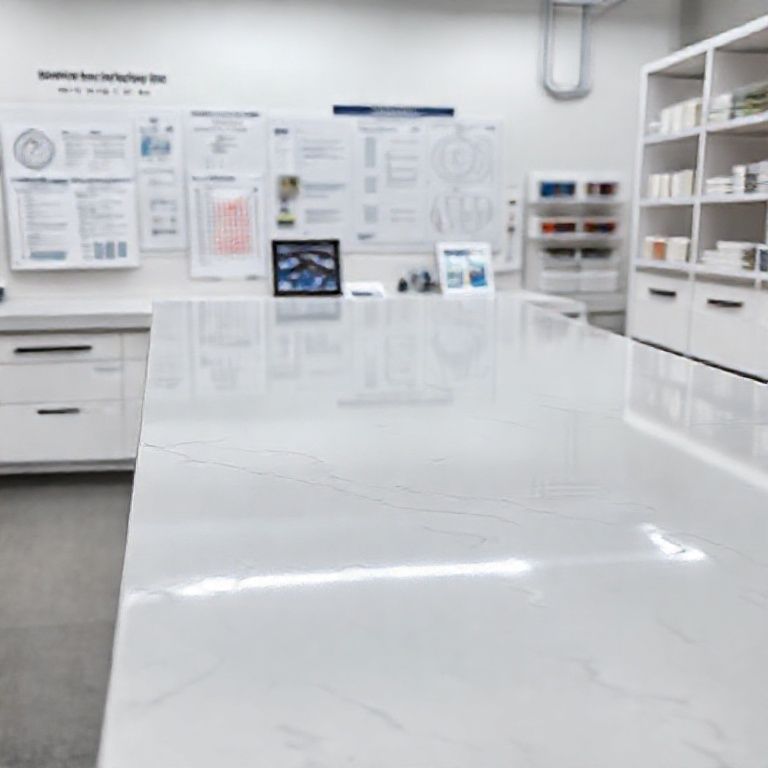
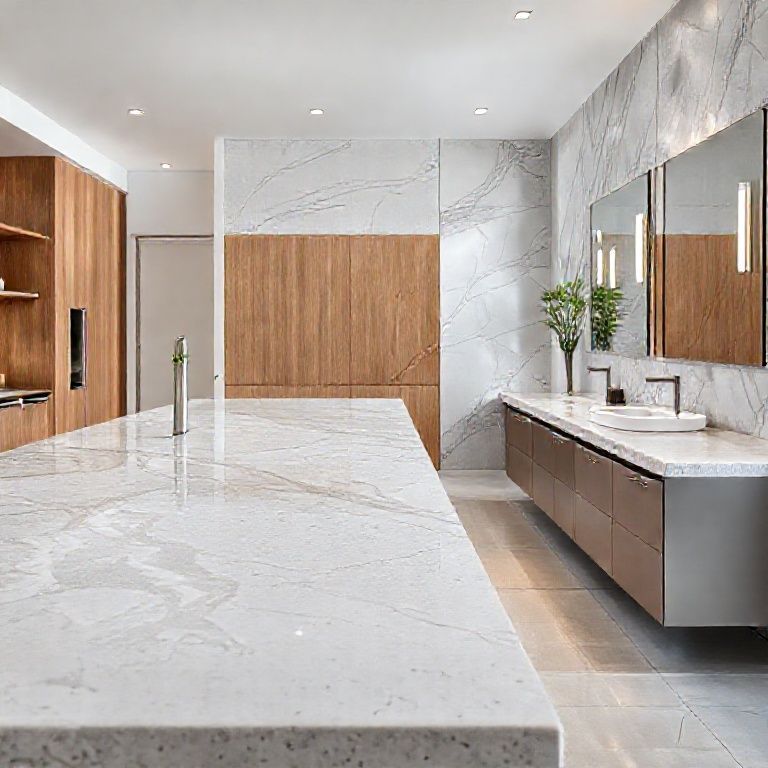
Quartz is a composite material made from 90% quartz stone and 10% resin. This combination creates a material that is incredibly strong and resistant to scratches, stains, and thermal damage. Quartz cabinets are about three times harder than granite, making them an excellent choice for high-traffic areas.
Aesthetic Appeal
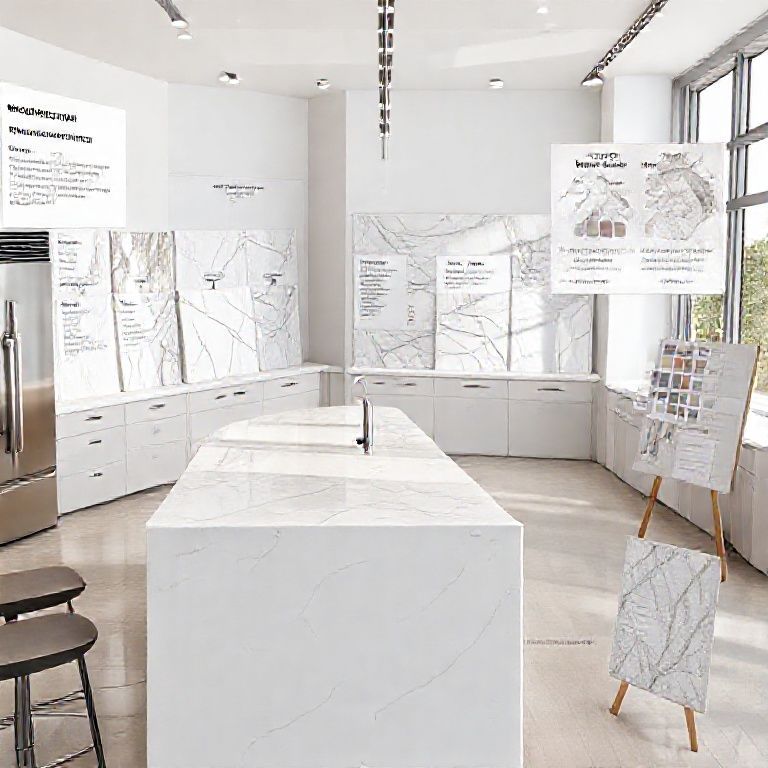
Quartz offers a wide range of colors and patterns, allowing for endless design possibilities. Whether you prefer a natural stone look or a sleek, modern finish, quartz can be customized to meet your aesthetic needs. It provides a sophisticated and elegant look that can elevate the overall design of your bathroom.
Low Maintenance
One of the standout features of quartz is its low maintenance requirements. Unlike natural stone, which can be prone to staining and requires sealing, quartz is naturally stain-resistant and does not need regular sealing. A simple wipe-down with a damp cloth is typically all that is needed to keep it looking new.
3. Solid Wood
Timeless Elegance
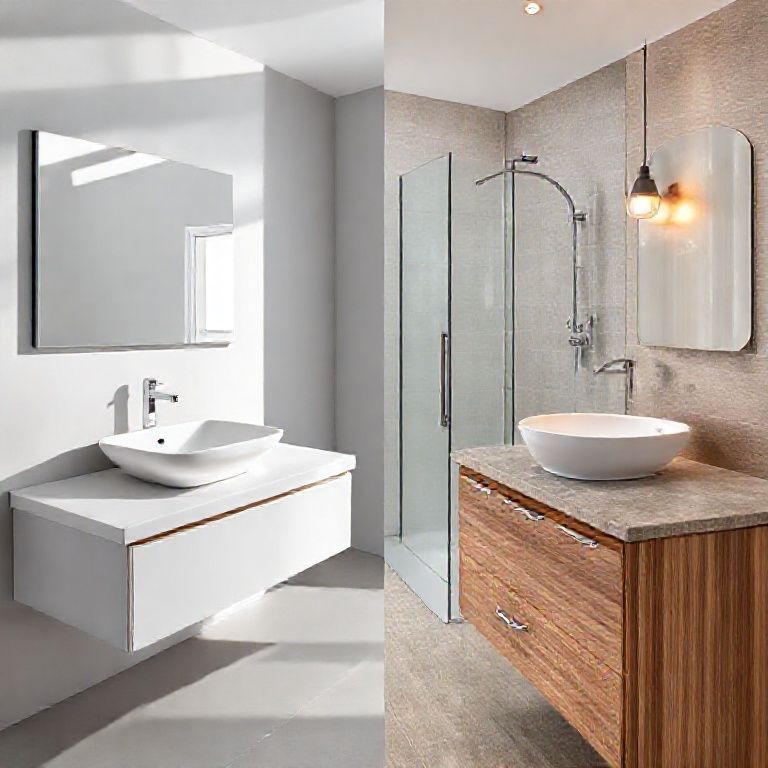
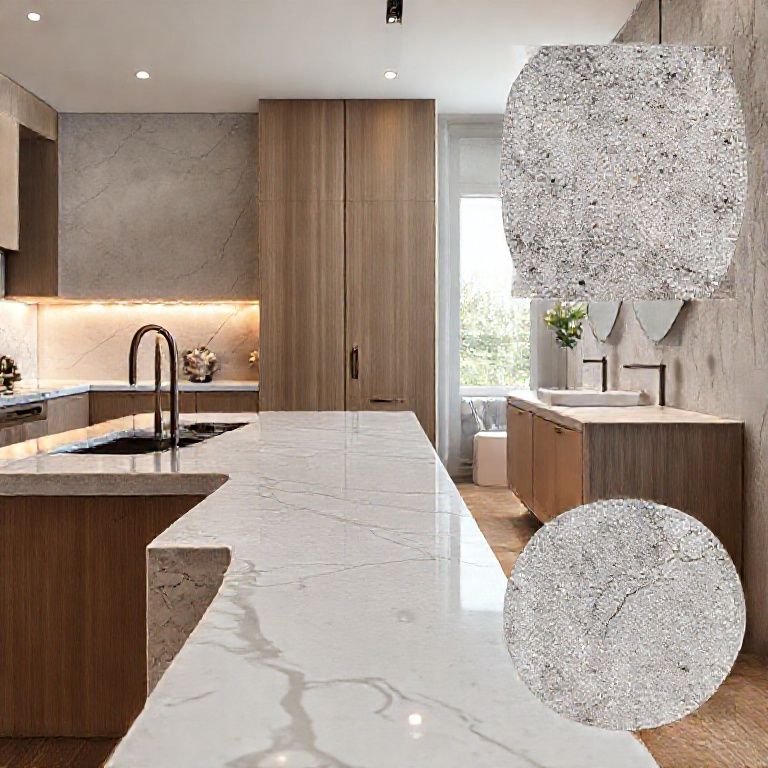
Solid wood cabinets exude timeless elegance and warmth, making them a popular choice for those who prefer a more traditional or rustic bathroom design. The natural grain patterns and rich colors of solid wood add a touch of luxury and sophistication to any space.
Customization and Versatility
Solid wood is highly customizable, allowing you to choose from a wide variety of species, finishes, and stains to match your bathroom’s existing decor. Additionally, solid wood cabinets can be refinished and sanded, offering a long-lasting solution that can adapt to changing design trends over time.
Durability with Care
While solid wood is a durable material, it does require more maintenance than some other bathroom cabinet materials. Wood cabinets are susceptible to moisture damage, so it’s essential to use quality sealants and avoid placing them directly over the bathtub or shower. Proper care and maintenance will ensure that your solid wood cabinets remain beautiful and functional for years to come.
Conclusion
Choosing the right material for your bathroom cabinets is a significant decision that can impact both the beauty and functionality of your bathroom. Stainless steel, quartz, and solid wood each offer unique benefits that cater to different preferences and needs. Whether you prioritize durability, low maintenance, or timeless elegance, these materials provide excellent options to enhance your bathroom design. In the next part, we will delve deeper into the pros and cons of each material, offering additional insights to help you make an informed decision for your bathroom renovation project.
The Best Materials for Bathroom Cabinets: An Exquisite Guide
Continuing our exploration of the top materials for bathroom cabinets, this second part will delve deeper into the pros and cons of stainless steel, quartz, and solid wood. By understanding these aspects, you will be better equipped to make an informed decision that aligns with your bathroom design goals and lifestyle.
Detailed Pros and Cons of Each Material
Stainless Steel
Pros:
Superior Durability: Stainless steel’s resistance to corrosion and warping makes it an exceptionally durable material for bathroom cabinets. Aesthetic Flexibility: It offers a sleek, modern look that can blend seamlessly with various design styles. Longevity: With minimal maintenance, stainless steel cabinets can last for decades, providing excellent value over time.
Cons:
Cost: High-quality stainless steel cabinets can be more expensive compared to other materials. Weight: Stainless steel is heavier than some alternatives, which may affect installation and design options.
Quartz
Pros:
Exceptional Strength: The composite nature of quartz makes it incredibly resistant to scratches, stains, and thermal damage. Variety of Finishes: Quartz comes in an extensive range of colors and patterns, allowing for highly customizable designs. Low Maintenance: Its natural resistance to stains and low need for sealing means it requires minimal upkeep.
Cons:
Initial Cost: Premium quartz cabinets can be costly, although they offer long-term savings due to their durability. Installation Complexity: Quartz sheets need precise cutting and installation, which might require professional expertise.
Solid Wood
Pros:
Timeless Appeal: Solid wood cabinets provide a warm, elegant, and luxurious look that timeless styles often lack. Customizability: The ability to choose from various types of wood, finishes, and stains allows for a highly personalized design. Recyclability: Wood is a renewable resource, and high-quality solid wood cabinets can often be refinished and reused.
Cons:
Maintenance Needs: Wood cabinets require more frequent maintenance to protect against moisture damage and to keep them looking new. Variability: Different types of wood can have varying levels of durability and resistance to moisture, which may affect their longevity.
Practical Considerations for Your Bathroom
When choosing a material for your bathroom cabinets, it’s essential to consider several practical aspects that align with your lifestyle and design preferences.
Moisture Resistance
Bathrooms are high-moisture environments, and the choice of material can significantly impact how well a cabinet withstands humidity. Stainless steel and quartz are both highly resistant to moisture, making them excellent choices for this environment. Solid wood, while beautiful, requires careful selection of species and finishes to ensure it can handle the humidity without warping or rotting.
Budget Considerations
While cost can be a significant factor, it’s essential to consider the long-term value and maintenance costs associated with each material. Stainless steel and quartz may have higher upfront costs but offer durability and low maintenance, which can lead to savings over time. Solid wood, although potentially less expensive initially, may require more frequent maintenance and could incur additional costs for refinishing or repairs.
Design Integration
The aesthetic of your bathroom plays a crucial role in the choice of cabinet material. Stainless steel provides a modern, minimalist look that pairs well with contemporary designs. Quartz offers versatility, allowing you to match its finish to various styles, from traditional to ultra-modern. Solid wood brings a touch of elegance and warmth, perfect for classic or rustic bathroom designs.
Installation and Accessibility
The installation process can vary significantly between materials. Stainless steel and quartz often require professional installation due to their weight and the precision needed for cutting and fitting. Solid wood, while generally easier to install, still benefits from professional expertise, especially if custom designs are involved.
Final Thoughts
Choosing the best material for your bathroom cabinets involves balancing durability, maintenance, aesthetic appeal, and budget considerations. Stainless steel, quartz, and solid wood each offer unique advantages and challenges that cater to different preferences and needs. By understanding the detailed pros and cons of each material, you can make an informed decision that enhances the beauty and functionality of your bathroom.
Whether you opt for the resilience of stainless steel, the strength of quartz, or the timeless elegance of solid wood, the right material can transform your bathroom into a luxurious and functional space that you’ll enjoy for years to come. This comprehensive guide aims to provide you with the insights you need to select the perfect material for your bathroom cabinets, ensuring a harmonious blend of style and practicality.
By exploring these materials in depth, we hope to have provided you with a thorough understanding of what makes each material suitable for bathroom cabinets. Stay tuned for more insights and design tips to help you create the bathroom of your dreams.