The Best Stone Materials for Window Sills: Quality and Affordability Explored
Understanding Window Sill Materials: A Comprehensive Overview
When it comes to choosing the perfect material for your window sills, the balance between quality and affordability is crucial. Window sills not only enhance the aesthetic appeal of your home but also serve as a functional element, protecting the underlying structure from moisture and wear. Among the myriad options available, stone materials stand out due to their durability, natural beauty, and timeless elegance.
Marble: The Epitome of Luxury
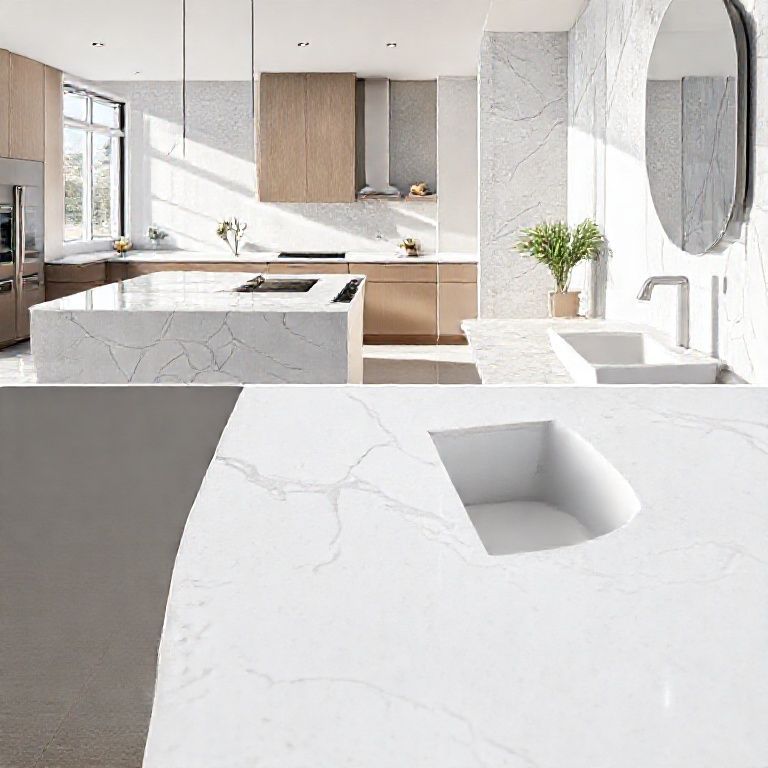
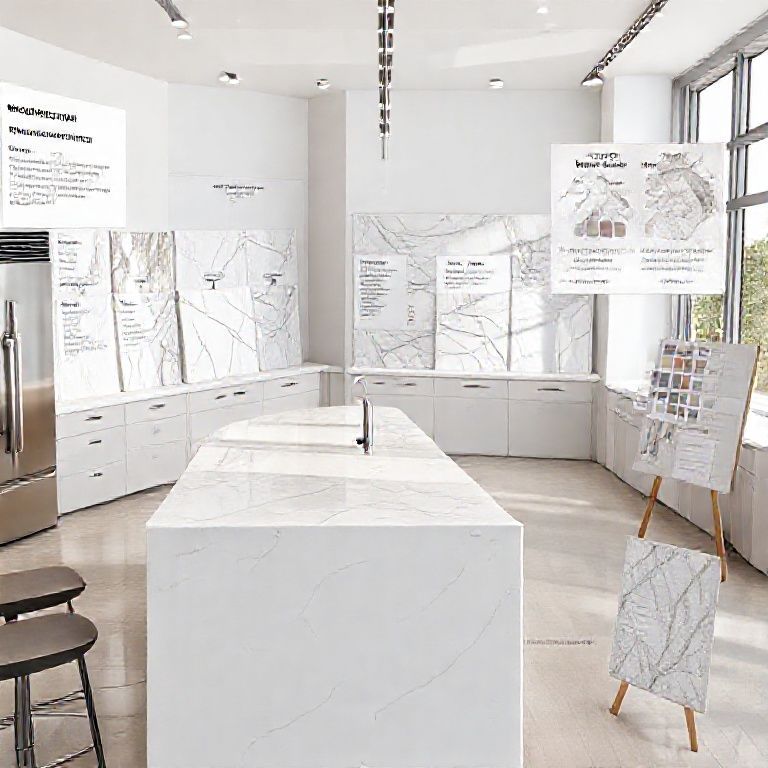
Marble is often considered the gold standard in stone materials due to its exquisite beauty and versatility. Known for its intricate veining and smooth texture, marble window sills add a touch of opulence to any space. However, it is important to note that marble can be quite expensive due to its premium quality.
Pros:
Unparalleled aesthetic appeal
Durable and long-lasting
Available in a variety of colors and patterns
Cons:
High cost
Requires regular maintenance to prevent staining
Granite: The Robust Choice
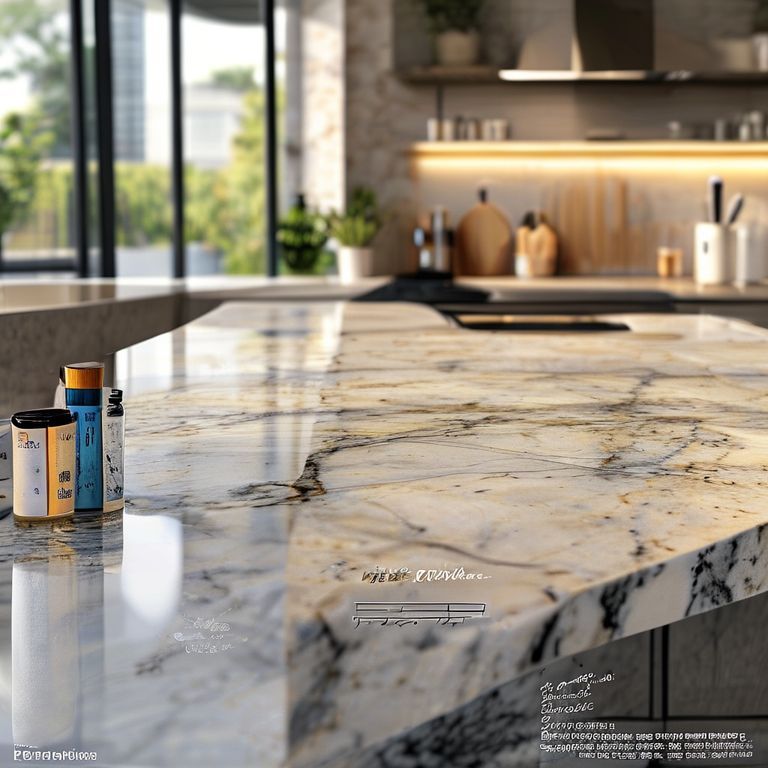
Granite is renowned for its strength and durability, making it an excellent choice for window sills. Its dense and crystalline structure provides resistance against scratches, chips, and temperature fluctuations. While granite is more affordable than marble, it still falls into the higher end of the stone material spectrum.
Pros:
Extremely durable and long-lasting
Low maintenance
Available in a wide range of colors and finishes
Cons:
Heavier than some other stone options
Requires sealing to protect against stains
Quartzite: A Modern Alternative
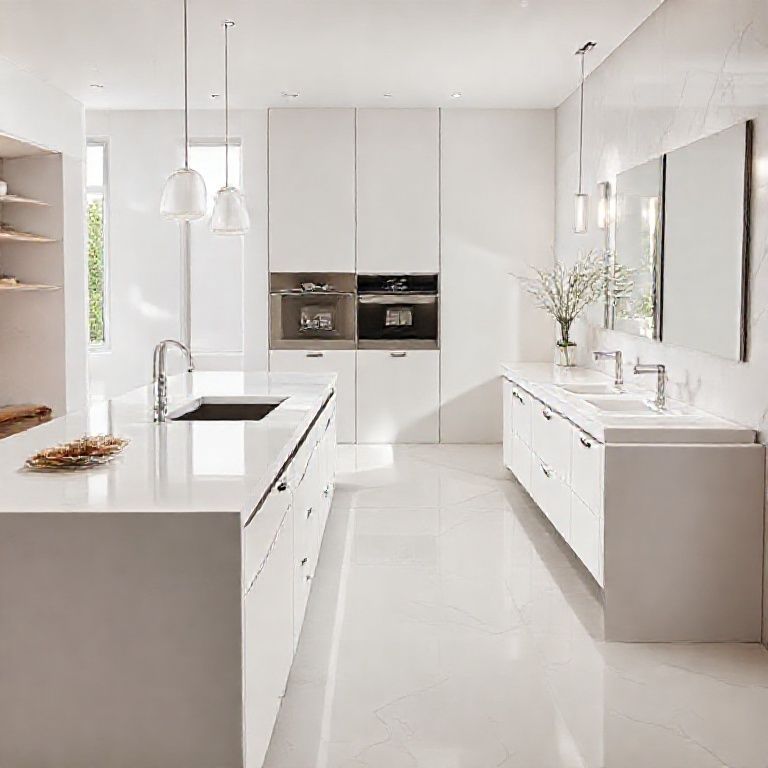
For those looking for a modern and contemporary option, quartzite is an excellent choice. This synthetic stone is made from a mixture of quartz sand and resin, offering a blend of durability and aesthetic flexibility. Quartzite is available in a vast array of colors and patterns, making it a versatile option for various design styles.
Pros:
Durable and scratch-resistant
Available in numerous colors and patterns
Low maintenance
Cons:
Less traditional look compared to natural stones
Slightly higher cost compared to some natural stones
Slate: The Time-Honored Classic
Slate has been used for centuries due to its natural beauty and durability. This natural stone is known for its thin, layered appearance and can come in a variety of colors ranging from grey to green to black. Slate is a cost-effective option that still provides excellent durability and a classic look.
Pros:
Affordable
Durable and weather-resistant
Available in various colors
Cons:
Can be heavy
Requires sealing to prevent staining
Limestone: Budget-Friendly and Beautiful
Limestone is a cost-effective stone material that offers a beautiful, natural look. It is often used for its rustic charm and is known for its warm, earthy tones. While it is less durable than marble or granite, it is still a solid choice for those looking to balance quality and price.
Pros:
Budget-friendly
Available in various colors
Easy to work with
Cons:
Less durable than other stone options
Requires regular maintenance to prevent staining
Balancing Quality and Affordability: Tips for Choosing the Best Stone
When selecting the right stone for your window sills, it’s essential to consider both the aesthetic appeal and the budget. Here are some tips to help you make an informed decision:
Assess Your Budget: Determine how much you are willing to spend on your window sills. This will help narrow down your options and guide you toward the most suitable material.
Evaluate Durability: Consider the wear and tear your window sills will undergo. Opt for more durable materials if your home is in an area with high foot traffic or harsh weather conditions.
Maintenance Requirements: Different stones have varying maintenance needs. Choose a stone that you are willing to maintain to ensure its longevity and appearance.
Style and Aesthetics: Ensure that the chosen stone complements your home’s architectural style and color scheme.
Long-Term Value: While initial cost is important, consider the long-term value of the material. More expensive materials often provide better durability and require less frequent replacement.
Conclusion
Choosing the right stone for your window sills involves a careful consideration of quality, durability, and cost. From the luxurious marble to the budget-friendly limestone, each material offers unique benefits and drawbacks. By understanding your needs and preferences, you can select a stone that not only enhances the beauty of your home but also provides lasting value.
In the next part of our guide, we will delve deeper into specific maintenance tips and cost considerations for each type of stone, ensuring your window sills remain in pristine condition for years to come.
The Best Stone Materials for Window Sills: Quality and Affordability Explored
Maintenance Tips for Different Stone Materials
Maintaining your window sills is crucial to preserving their beauty and longevity. Here are some specific maintenance tips for each type of stone to ensure they remain in pristine condition.
Marble Maintenance:
Marble, with its beautiful veining and smooth surface, requires regular care to prevent staining and maintain its luster.
Cleaning: Use a mild soap and water solution and a soft cloth to clean marble. Avoid using abrasive cleaners or sponges that can scratch the surface. Stain Prevention: Regularly apply a marble sealant to protect against spills and stains. Repair: If scratches occur, marble can be polished or resurfaced by professionals.
Granite Maintenance:
Granite’s durability makes it low-maintenance, but it still requires some care to keep its appearance sharp.
Cleaning: Use a mixture of water and vinegar or a granite-specific cleaner to wipe down the surface. Avoid using abrasive materials. Stain Prevention: Granite should be sealed periodically to prevent staining. Repair: Minor scratches can be polished out, while deeper issues may require professional resurfacing.
Quartzite Maintenance:
Quartzite’s synthetic nature makes it highly resistant to stains and scratches.
Cleaning: A simple wipe-down with a damp cloth and mild soap is usually sufficient. Stain Prevention: Quartzite does not require sealing, making it easy to maintain. Repair: Minor imperfections can be polished out, while larger issues may need professional attention.
Slate Maintenance:
Slate’s natural beauty requires careful maintenance to keep it looking its best.
Cleaning: Clean slate with a soft cloth and mild soap and water solution. Stain Prevention: Regular sealing can help protect against stains. Repair: Slate can be split into thinner pieces if damaged, but professional repair may be needed for significant issues.
Limestone Maintenance:
Limestone’s affordability comes with the need for regular maintenance to prevent staining and weather damage.
Cleaning: Clean limestone with a mild soap and water solution, avoiding abrasive cleaners. Stain Prevention: Regular sealing can help protect against stains. Repair: Minor repairs can be done with matching stone, but significant damage may require professional assistance.
Cost Considerations: Balancing Quality and Price
Understanding the cost implications of different stone materials is crucial for making an informed decision. Here’s a closer look at the cost considerations for each type of stone:
Marble:
Initial Cost: High, due to its luxury appeal and intricate veining. Long-Term Cost: Moderate, as regular sealing and occasional maintenance are required. Value: High, for its aesthetic appeal and durability.
Granite:
Granite:
Initial Cost: High, due to its robust nature and variety of color options. Long-Term Cost: Low to moderate, with periodic sealing required but minimal maintenance otherwise. Value: High, due to its durability and low maintenance.
Quartzite:
Initial Cost: Moderate to high, depending on the color and finish. Long-Term Cost: Low, as quartzite is highly resistant to stains and scratches. Value: High, for its durability, low maintenance, and aesthetic versatility.
Slate:
Initial Cost: Low to moderate, offering a classic look at an affordable price. Long-Term Cost: Moderate, requiring regular sealing and occasional repairs. Value: High, for its timeless appearance and reasonable durability.
Limestone:
Initial Cost: Low, providing a rustic charm at a budget-friendly price. Long-Term Cost: Moderate, needing regular maintenance and sealing to prevent staining. Value: High, for its budget-friendly price and rustic aesthetic.
Making the Right Choice: Final Considerations
Choosing the right stone for your window sills involves weighing several factors:
Budget: Consider your overall budget for both the initial cost and long-term maintenance expenses. Durability: Think about the wear and tear your window sills will face. If your home is in an area with harsh weather or heavy foot traffic, a more durable material might be worth the higher initial cost. Maintenance: Reflect on how much time and effort you’re willing to put into maintaining your window sills. Some stones require more upkeep than others. Style and Aesthetics: Ensure the chosen stone complements your home’s architectural style and color scheme.
Conclusion
Selecting the right stone for your window sills involves a careful balance of quality, durability, and affordability. By understanding the specific needs and maintenance requirements of different stone types, you can make an informed decision that enhances the beauty and longevity of your home’s window sills. Whether you opt for the luxurious marble, the robust granite, the versatile quartzite, the classic slate, or the budget-friendly limestone, each option offers unique benefits that can complement your home’s design and aesthetic.
In the end, the best stone for your window sills is one that aligns with your budget, maintenance preferences, and desired style. With this guide, you’re well-equipped to make a choice that will not only elevate your home’s appearance but also provide enduring value for years to come.
Thank you for joining us on this exploration of the best stone materials for window sills. For more detailed insights and design inspirations, stay tuned for our upcoming articles. Happy renovating!