Introduction to Artificial Marble
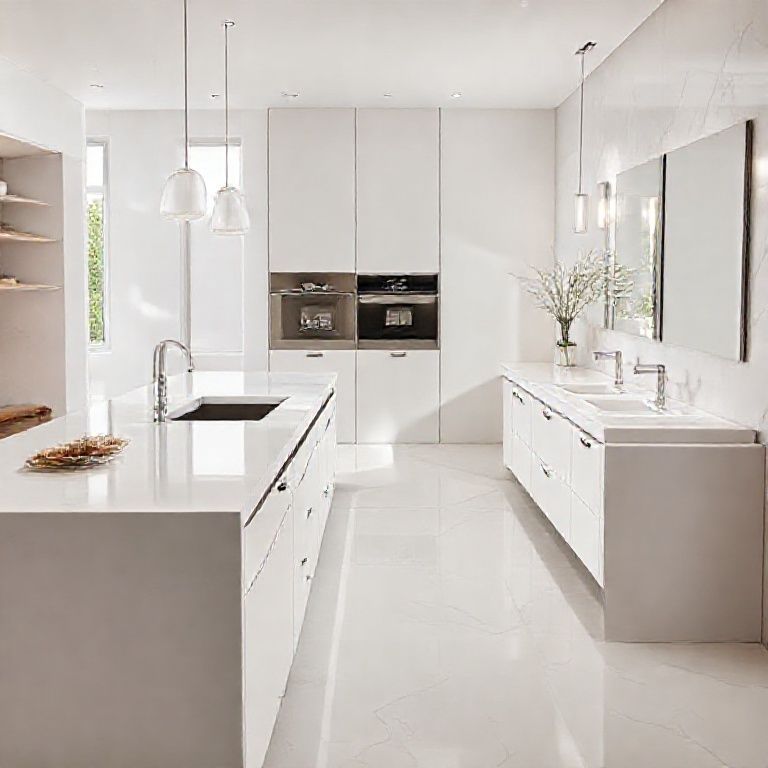
In the realm of modern construction and interior design, artificial marble stands out as a remarkable innovation that blends the aesthetic appeal of natural marble with unparalleled durability and versatility. The allure of artificial marble lies in its ability to replicate the intricate beauty and timeless elegance of traditional stone while offering practical advantages that make it a preferred choice for contemporary applications.
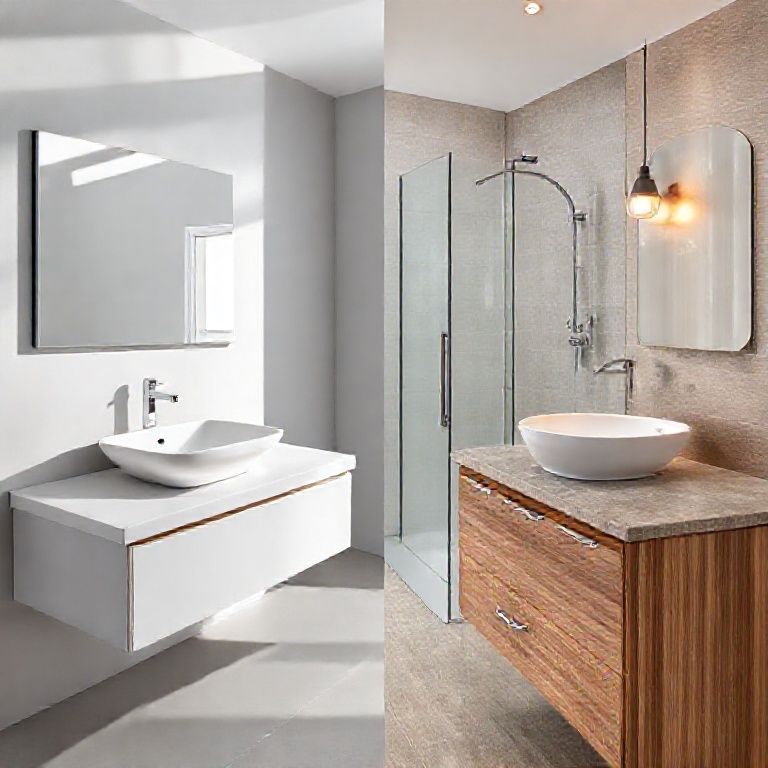
The Composition of Artificial Marble
At the heart of artificial marble lies a sophisticated blend of materials, each meticulously chosen to achieve the desired characteristics. The primary ingredients include:
Calcium Silicate: This forms the backbone of the artificial marble composition, providing the necessary strength and hardness. Silicon Dioxide: Known for its durability and resistance to scratching, silicon dioxide is a critical component. Aluminum Oxide: Adds to the overall hardness and resilience of the material. Plasticizers: These are added to enhance the flexibility and workability of the material during the manufacturing process. Color Pigments: To achieve the rich and varied hues that mimic natural marble.
The precise proportions of these ingredients are kept confidential by manufacturers, but the synergy between them is crucial in producing a material that is both visually stunning and functionally superior.
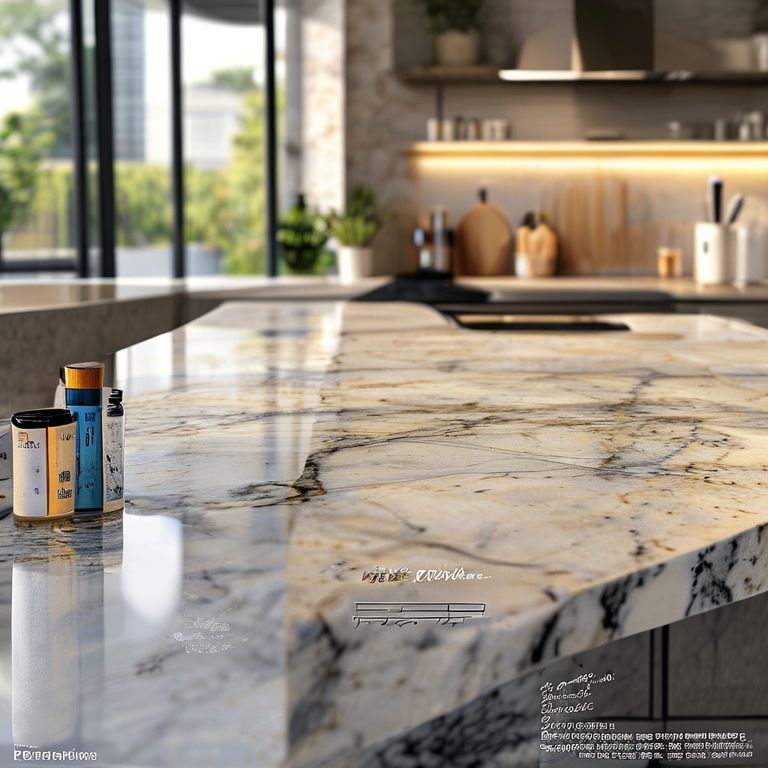
The Production Process: An Overview
The production of artificial marble is a multi-stage process that combines advanced technology with careful craftsmanship. The following stages outline the journey from raw materials to finished product:
Material Preparation: High-grade raw materials are sourced and blended in controlled environments to ensure uniformity and consistency. Mixing: The ingredients are thoroughly mixed in large industrial mixers to achieve a homogeneous composition. Molding: The mixed material is then poured into molds where it takes shape. These molds are often intricately designed to replicate the patterns and textures of natural marble. Curing: Once molded, the material undergoes a curing process that allows it to harden and set. This often involves exposure to high temperatures and controlled environments to enhance its durability. Finishing: The cured product is then polished and finished to achieve the desired surface quality. This step often includes cutting, sanding, and applying protective coatings to ensure longevity.
Innovations in Artificial Marble Production
The field of artificial marble manufacturing is continually evolving with advancements in technology. Innovations such as:
Nanotechnology: Enhances the material’s strength and resistance to wear. Advanced Molding Techniques: Allows for the creation of more complex and realistic patterns. Eco-friendly Materials: Introduces sustainable options that reduce environmental impact.
These innovations are driving the industry towards more efficient, durable, and sustainable production methods.
Applications of Artificial Marble
Artificial marble finds applications in various sectors due to its versatility and aesthetic appeal. Some of the most common uses include:
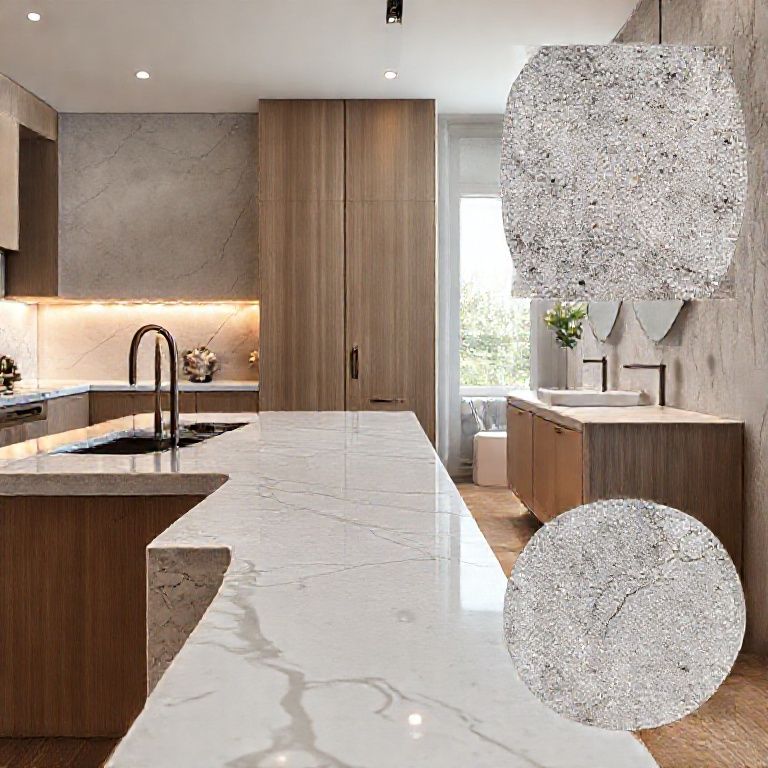
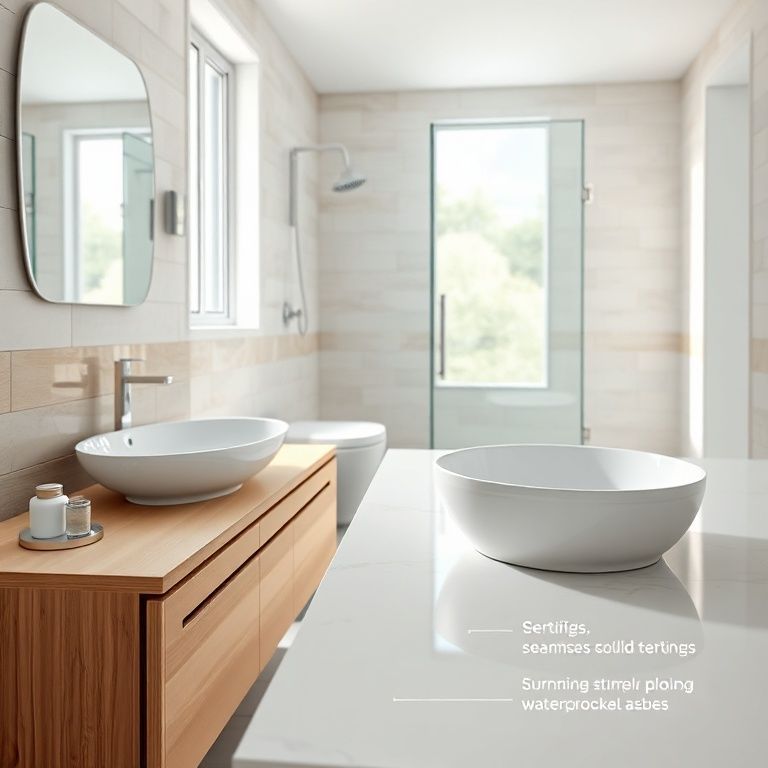
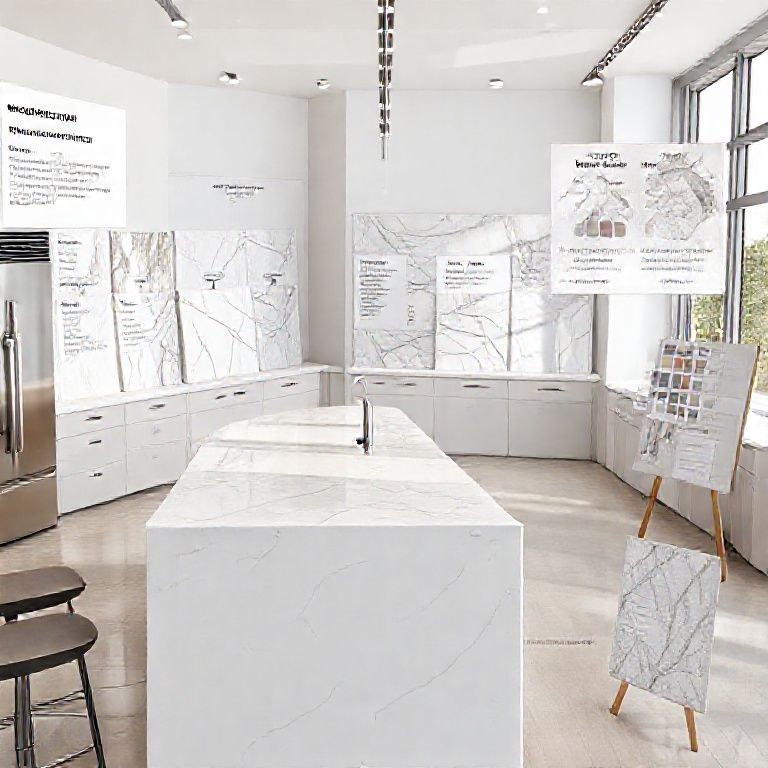
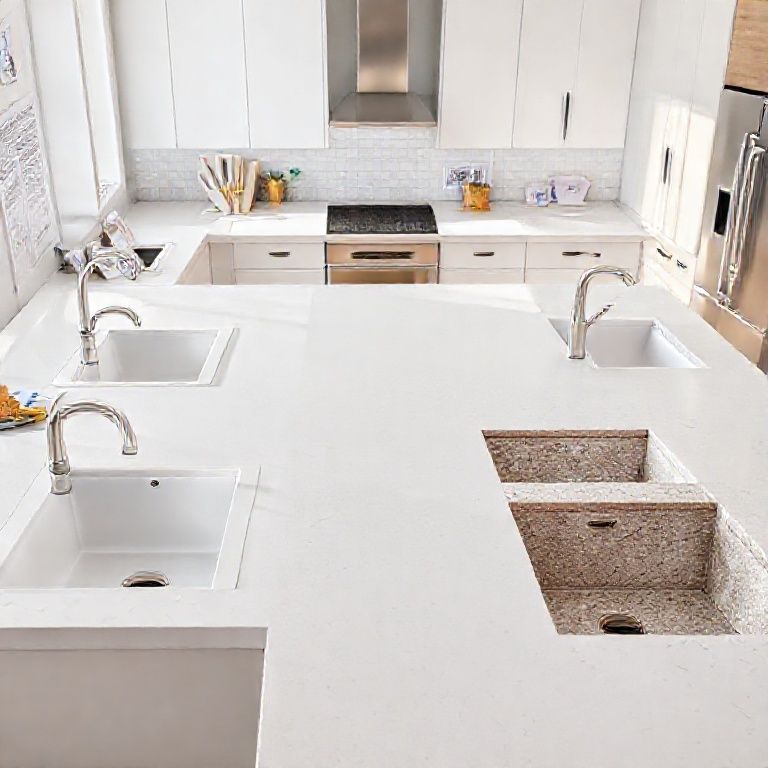
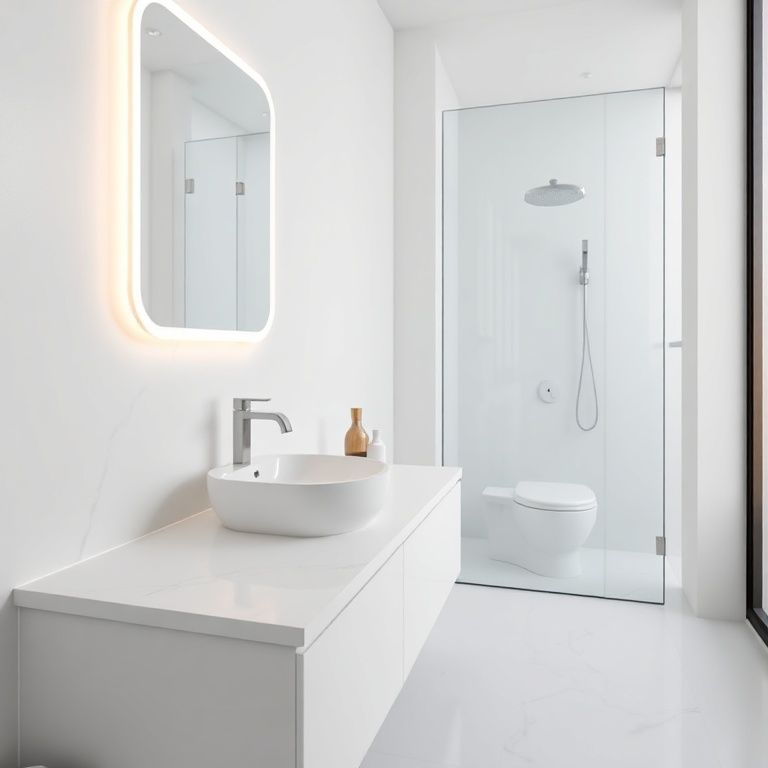
Interior Design: Used in countertops, kitchen islands, and bathroom vanities. Commercial Spaces: Ideal for high-traffic areas such as hotels, restaurants, and office buildings. Exterior Applications: While primarily an indoor material, artificial marble can also be used for exterior cladding and facades in certain climates.
Conclusion to Part 1
The journey of creating artificial marble is a fascinating blend of science, art, and innovation. From its carefully crafted formulation to its meticulous production process, artificial marble stands as a testament to human ingenuity. As we delve deeper into the intricacies of this material in the next part, we will explore more about its applications and the future trends in artificial marble manufacturing.
The Role of Technology in Artificial Marble Manufacturing
As we continue our exploration of artificial marble, it’s essential to delve into the technological advancements that are shaping the industry. From automated molding processes to precision curing techniques, technology plays a pivotal role in enhancing the quality and efficiency of artificial marble production.
Automation in Production
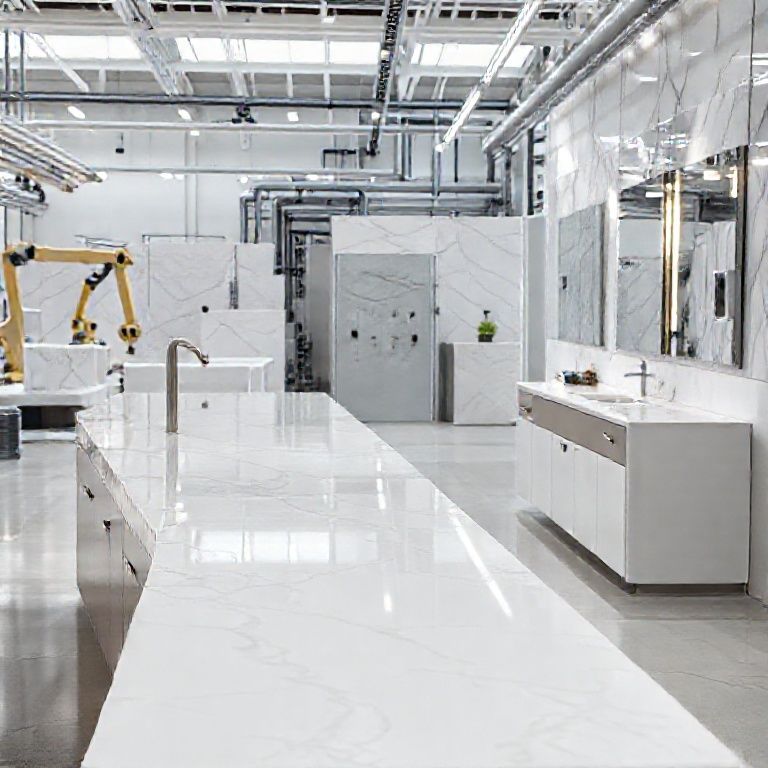
Modern artificial marble manufacturing plants are equipped with state-of-the-art machinery that automates many of the production steps. This not only increases efficiency but also ensures consistent quality across all products. Key automation technologies include:
Advanced Molding Machines: These machines can produce complex shapes and patterns with precision, replicating the intricate designs found in natural marble. Curing Ovens: Automated curing ovens provide controlled temperature and humidity environments that ensure the material hardens uniformly. Finishing Equipment: High-speed polishing machines and automated sanding systems ensure that each piece of artificial marble achieves the desired surface finish.
Quality Control and Assurance
Maintaining high standards of quality is crucial in artificial marble manufacturing. To achieve this, manufacturers employ rigorous quality control measures throughout the production process. These include:
Raw Material Testing: Ensuring that each batch of raw materials meets strict quality standards. In-process Inspections: Regular checks during the manufacturing process to identify and rectify any deviations from quality standards. Final Product Testing: Comprehensive testing of finished products to verify their strength, durability, and aesthetic appeal.
Sustainability in Production
Sustainability is a growing concern in the manufacturing industry, and artificial marble production is no exception. Manufacturers are increasingly adopting eco-friendly practices to reduce their environmental footprint. Some of these practices include:
Use of Recycled Materials: Incorporating recycled aggregates and other materials into the production process. Energy-efficient Processes: Implementing energy-efficient machinery and processes to reduce energy consumption. Waste Management: Developing systems to minimize waste and recycle by-products from the manufacturing process.
The Future of Artificial Marble Manufacturing
The future of artificial marble manufacturing looks promising with continuous advancements in technology and a growing focus on sustainability. Some of the trends shaping the future include:
Smart Manufacturing: The integration of smart technologies such as IoT (Internet of Things) and AI (Artificial Intelligence) to enhance production efficiency and quality control. Customization: Offering more customizable options to meet the diverse needs of consumers and industries. Eco-friendly Innovations: Continued development of sustainable production methods and materials that minimize environmental impact.
Applications and Benefits of Artificial Marble
Artificial marble’s versatility makes it an attractive choice for a wide range of applications. Let’s explore some of its key benefits and use cases in more detail.
1. Aesthetic Appeal
One of the primary reasons artificial marble is favored in both residential and commercial settings is its stunning aesthetic appeal. The material can be produced in a wide array of colors and patterns that closely mimic natural marble. This allows designers to create visually striking interiors and exteriors without compromising on durability.
2. Durability
Artificial marble is known for its superior durability compared to natural stone. It is resistant to scratches, stains, and moisture, making it ideal for high-traffic areas such as kitchens, bathrooms, and commercial spaces. Its hardness ensures a long lifespan, reducing the need for frequent maintenance and replacements.
3. Cost-Effectiveness
While the initial cost of artificial marble might be higher than some other materials, its long-term benefits make it a cost-effective choice. The reduced need for repairs and maintenance, coupled with its high durability, translates to significant savings over time.
4. Versatility
Artificial marble’s versatility extends to its use in various forms such as countertops, tiles, veneers, and even large architectural elements. Its ability to be molded into intricate shapes and patterns makes it suitable for both traditional and modern design aesthetics.
5. Easy Maintenance
One of the standout benefits of artificial marble is its ease of maintenance. Unlike natural stone, which requires regular sealing and care to prevent staining and damage, artificial marble is low-maintenance. A simple wipe-down with a damp cloth is often sufficient to keep it looking pristine.
Trends in Artificial Marble Usage
The use of artificial marble is on the rise, driven by its combination of beauty, durability, and practicality. Some notable trends include:
Luxury Interior Design: High-end residential and commercial projects are increasingly opting for artificial marble to add a touch of luxury and elegance. Eco-friendly Construction: With a growing emphasis on sustainability, eco-friendly artificial marble is becoming popular among environmentally conscious builders and designers. Customization: The ability to customize colors, patterns, and textures makes artificial marble a preferred choice for bespoke and unique design projects.
Conclusion to Part 2
The world of artificial marble is a testament to human creativity and technological advancement. From its sophisticated formulation to the cutting-edge production processes, artificial marble continues to revolutionize the landscape of modern materials. As we look to the future, the ongoing integration of smart technologies and sustainable practices promises to further enhance the quality, efficiency, and appeal of artificial marble, cementing its place as a versatile and enduring choice in construction and design.
Note: This article is intended to provide an informative overview of artificial marble, focusing on its formulation, production process, and applications. For specific technical details or commercial inquiries, please refer to industry experts or manufacturers.