Discover the nuanced differences between artificial and natural marble in this comprehensive guide. From their origins to their applications, learn how to distinguish between these two stunning materials. Whether you’re a homeowner, a designer, or a curious enthusiast, this detailed exploration will provide you with the knowledge to make informed choices.
artificial marble, natural marble, countertop materials, stone differentiation, marble comparison, artificial vs natural marble, durable marble, luxury marble, countertop selection, marble quality
The Origins and Composition
The Art of Distinction: Understanding Artificial vs. Natural Marble
When it comes to choosing materials for countertops, flooring, and other architectural elements, marble stands out as a luxurious and enduring choice. However, not all marble is created equal. To truly appreciate the nuances that set artificial marble apart from natural marble, one must delve into their origins and compositions. This detailed examination will guide you through the fundamental characteristics that define these two types of marble, helping you make an informed decision that suits your needs.
Artificial Marble: The Synthetic Marvel
Artificial marble, often referred to as engineered stone, is a composite material created through a meticulous manufacturing process. This type of marble is made by combining mineral fillers, such as calcite, with resins, pigments, and other additives. The result is a product that mimics the appearance and texture of natural marble while offering a host of advantages in terms of durability, color consistency, and cost-effectiveness.
Composition and Manufacturing: The process begins with a mixture of powdered natural stone and resin. This blend is then poured into molds and subjected to high pressure and temperatures, allowing it to cure and harden into a solid form. The color and design are achieved through the use of dyes and pigments that are integrated into the resin during the manufacturing process. Advantages: One of the most notable benefits of artificial marble is its uniformity. Because it is manufactured in controlled environments, artificial marble offers a consistent color and finish across entire slabs. It is also more resistant to stains and scratches compared to natural marble, making it an excellent choice for high-traffic areas like kitchens and bathrooms. Applications: Artificial marble is widely used in countertops, sinks, and backsplashes due to its aesthetic appeal and practical benefits. Its versatility allows it to be used in a variety of settings, from modern kitchen designs to classic bathroom renovations.
Natural Marble: The Timeless Beauty
Natural marble, on the other hand, is a metamorphic rock that has been formed over millions of years through the intense pressure and heat that transform limestone. This natural process results in a material that is prized for its unique patterns, colors, and textures.
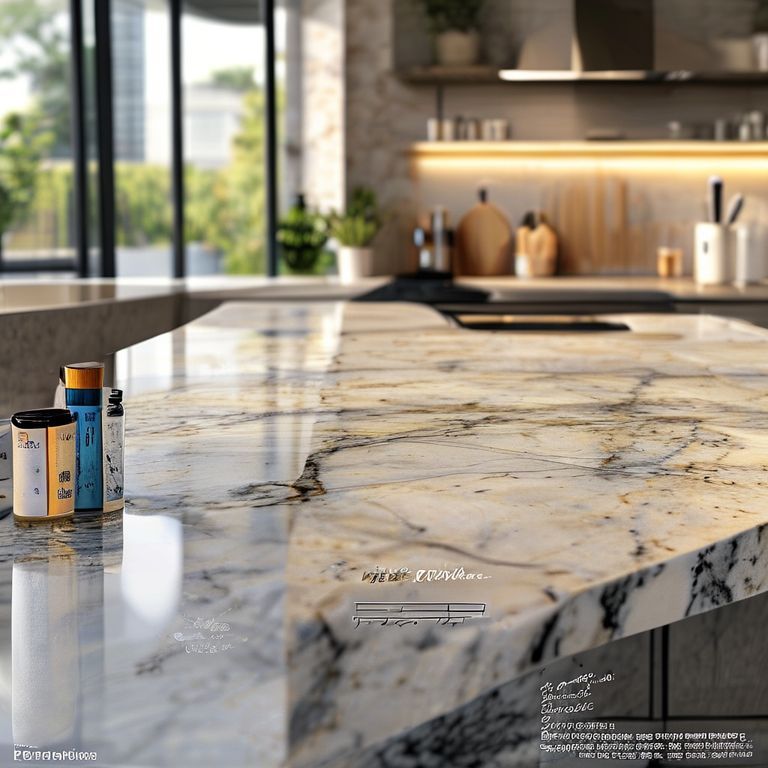
Composition and Formation: Natural marble is composed primarily of calcium carbonate, which forms intricate patterns and colors due to the presence of impurities and varying mineral compositions. These natural variations create a one-of-a-kind appearance that cannot be replicated by artificial means. Advantages: The most significant advantage of natural marble is its unparalleled aesthetic appeal. Each slab is unique, offering a natural beauty that is unmatched by any synthetic alternative. This uniqueness adds a sense of elegance and luxury to any space. Additionally, natural marble is known for its durability and ability to withstand heavy use, provided it is properly maintained. Applications: Natural marble is favored in high-end architectural projects, luxury homes, and public spaces where its natural beauty can be fully appreciated. It is often used for countertops, flooring, wall cladding, and decorative elements in both interior and exterior settings.
Comparative Analysis
When comparing artificial marble and natural marble, it’s essential to consider several factors that influence their respective suitability for different applications:
Cost: Artificial marble is generally more affordable than natural marble due to its synthetic nature and mass production capabilities. Natural marble, with its one-of-a-kind patterns and traditional crafting methods, tends to be more expensive. Durability: While both materials offer impressive durability, natural marble’s resistance to scratches and stains can vary significantly from slab to slab due to its natural composition. Artificial marble, however, is engineered to offer consistent durability and resistance, making it ideal for areas subject to heavy use. Maintenance: Natural marble requires regular maintenance to prevent staining and etching, often necessitating sealing treatments. Artificial marble, with its non-porous surface, is much easier to clean and maintain, requiring minimal upkeep.
Understanding these fundamental differences sets the stage for a more in-depth exploration of how to distinguish between artificial and natural marble in practical settings, which will be covered in the next part of this guide.
Identifying Artificial vs. Natural Marble
The Art of Distinction: Understanding Artificial vs. Natural Marble (Continued)
In the previous section, we explored the origins and compositions of artificial and natural marble, highlighting their distinct characteristics and advantages. Now, let’s delve deeper into how you can distinguish between these two types of marble in practical settings. This part will focus on the physical and chemical properties that can help you identify whether a marble slab is artificial or natural, as well as the techniques and tools that can aid in this identification process.
Physical Characteristics
One of the most straightforward ways to distinguish between artificial and natural marble is by examining their physical characteristics:
Color and Pattern: Natural marble exhibits a wide variety of colors and patterns due to its unique mineral composition. The veins and swirls are irregular and cannot be replicated exactly by artificial means. Artificial marble, while it can mimic these patterns, often has a more uniform appearance. The colors in artificial marble are consistent throughout the slab, whereas natural marble can have variations in color intensity and distribution. Texture: Natural marble has a distinct texture that comes from its natural formation process. The surface may have subtle variations in texture, from smooth to slightly uneven, depending on its mineral composition. Artificial marble tends to have a smoother and more polished surface due to its manufacturing process. Weight: Natural marble is generally heavier than artificial marble because it is a denser material. The weight difference can be noticeable, especially when handling large slabs.
Chemical Properties
The chemical composition of marble also provides clues to its origin:
Porosity: Natural marble is porous, meaning it can absorb liquids and stains. This porosity is a result of its natural formation and can make it more susceptible to etching and discoloration. Artificial marble, on the other hand, is non-porous due to the resin binder used in its creation, making it more resistant to stains and easier to clean. Reaction to Acids: A simple acid test can help distinguish between artificial and natural marble. Natural marble will react to acid, often dissolving or etching the surface where the acid is applied. Artificial marble does not react to acid in the same way, as its resin binder prevents the acid from penetrating the surface.
Tools and Techniques for Identification
Several tools and techniques can aid in identifying the type of marble you are examining:
Magnification: Using a magnifying glass or microscope can help reveal the subtle differences in the microstructure of natural and artificial marble. Natural marble will show irregular, vein-like patterns due to its unique mineral composition. Artificial marble will have a more uniform, crystalline structure. Ultraviolet (UV) Light: UV light can help reveal the true nature of marble by highlighting differences in the mineral composition. Natural marble will often fluoresce differently than artificial marble when exposed to UV light. Thermal Conductivity Test: This test measures how well a material conducts heat. Natural marble, being a natural stone, will have different thermal conductivity properties compared to artificial marble, which is made from a composite material. Professional Consultation: In cases where identification is challenging, consulting with a professional who specializes in stone materials can provide a definitive answer. Professionals have access to advanced equipment and expertise that can accurately determine the type of marble.
Applications and Practical Considerations
Understanding how to distinguish between artificial and natural marble is crucial for making informed decisions about their applications:
Design and Aesthetics: If the primary concern is aesthetic appeal, natural marble’s unique and varied patterns often make it the preferred choice for luxury and high-end projects. Artificial marble, with its uniform and customizable appearance, is ideal for modern and minimalist designs where consistency and ease of maintenance are key. Functionality and Durability: For functional areas where durability and low maintenance are critical, artificial marble often outperforms natural marble. Its non-porous surface and resistance to stains make it suitable for kitchens, bathrooms, and other high-traffic areas. Budget and Investment: When considering budget, artificial marble generally offers a more cost-effective solution. Natural marble’s higher price point reflects its unique and natural beauty, which may not be feasible for all budgets.
In conclusion, distinguishing between artificial and natural marble involves a detailed examination of their physical and chemical properties, aided by specialized tools and techniques. Whether you choose the timeless beauty of natural marble or the practical advantages of artificial marble, understanding these differences will help you make an informed decision that best suits your needs and preferences.
By comprehensively understanding the distinctions between artificial and natural marble, you can make well-informed choices that enhance the beauty and functionality of your spaces. Whether for a luxurious home renovation or a modern kitchen design, the right choice of marble can make all the difference.