
The Journey Begins: Understanding the Cost of Marble Flooring
In the world of interior design, marble flooring stands as a symbol of opulence, sophistication, and timeless elegance. To lay down this luxurious material in your home or commercial space, it’s essential to understand the multifaceted cost structure behind “how much does it cost to lay down a square meter of marble?”
1. The Value of Marble: Quality and Source
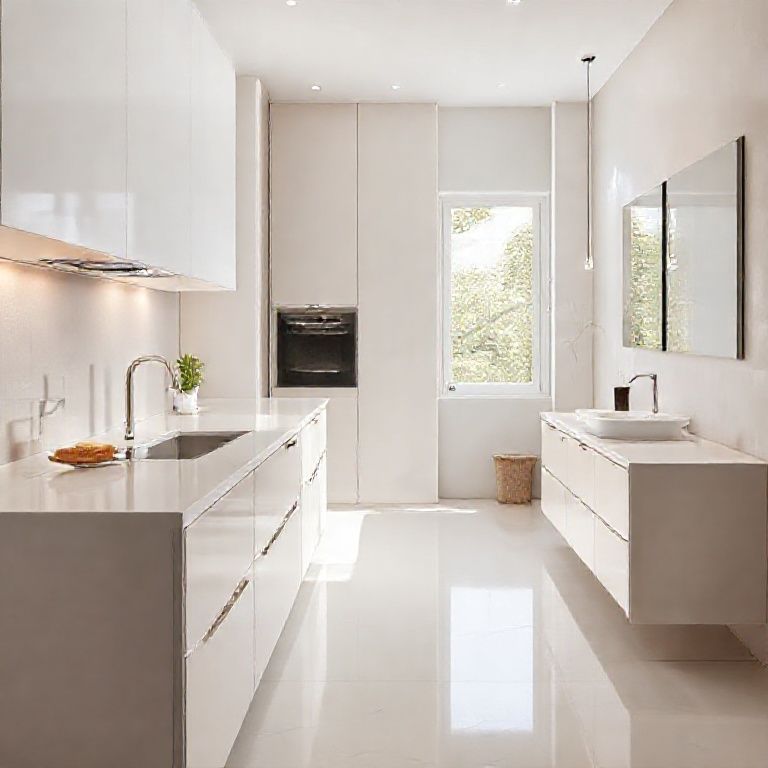
First and foremost, the type of marble used plays a critical role in determining the overall cost. Marble comes from various parts of the world, each offering unique characteristics and price points. High-end marbles like Carrara (Italy), Bianco Carrara, and Emperor (Brazil) are renowned for their striking beauty and durability, which naturally commands a higher price. Conversely, more affordable options such as onyx and travertine offer a similar aesthetic appeal at a lower cost.
2. The Craftsmanship: Cutting and Polishing
The craftsmanship involved in preparing marble tiles significantly impacts the cost. High-quality marble requires meticulous cutting and polishing to achieve the perfect finish. Artisans use specialized tools to ensure each tile meets exacting standards of precision and beauty. This level of detail doesn’t just enhance the appearance but also increases the durability and longevity of the flooring.
3. Labor Costs: The Human Element
The labor cost for installing marble flooring can vary widely based on the complexity of the installation and the skill level of the labor force. Urban areas typically have higher labor costs due to the increased demand and cost of living. Moreover, intricate designs and patterns require more time and expertise, thus driving up the overall cost. It’s important to consider not just the cost per square meter but also the overall labor expenses, which can make a significant difference in the final price.
4. Installation: Methods and Techniques
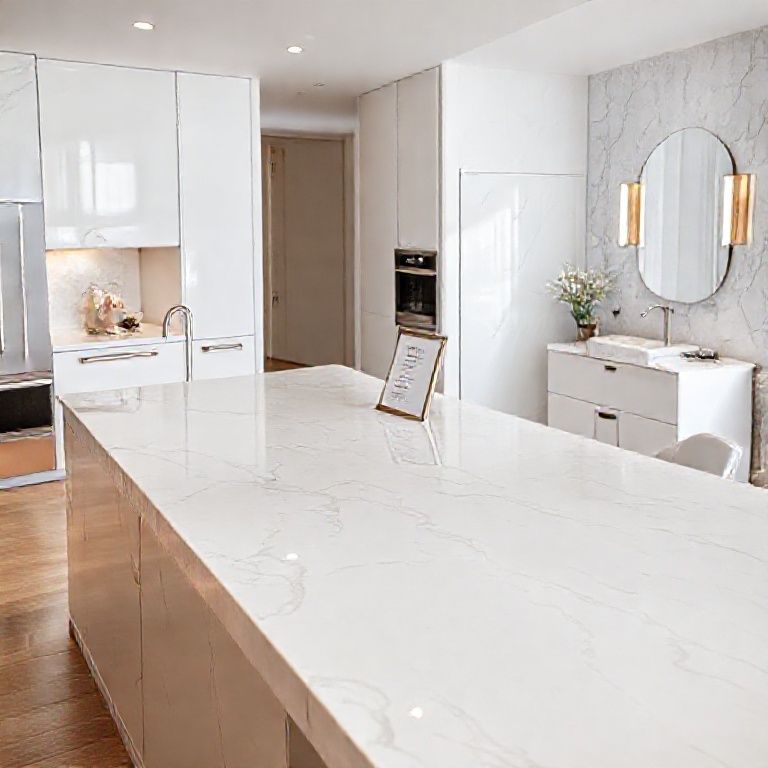
Different installation techniques can also influence the cost. Traditional methods, such as wet setting, are reliable and offer excellent adhesion, but may require more time and result in more water damage. Alternatively, modern techniques like epoxy or polyurethane grouting provide superior adhesion and flexibility but might cost more due to specialized equipment and materials. The choice of installation method affects both the initial cost and the long-term maintenance of the flooring.
5. Additional Costs: Underlayment, Adhesives, and Accessories
Don’t forget to account for additional costs such as underlayment, adhesives, and other accessories. A quality underlayment is essential for providing a stable base and ensuring the longevity of your marble flooring. Similarly, high-grade adhesives and grouts are necessary to secure the tiles and maintain their appearance over time. These often overlooked expenses can significantly affect the overall budget.
Conclusion
Understanding the cost of laying down a square meter of marble involves a comprehensive evaluation of several factors, from the type of marble to the installation technique. By considering these elements, you can make informed decisions that balance beauty and affordability, ensuring your space is adorned with a luxurious marble flooring that stands the test of time.
Navigating the Cost: Strategies for Maximizing Value in Marble Flooring
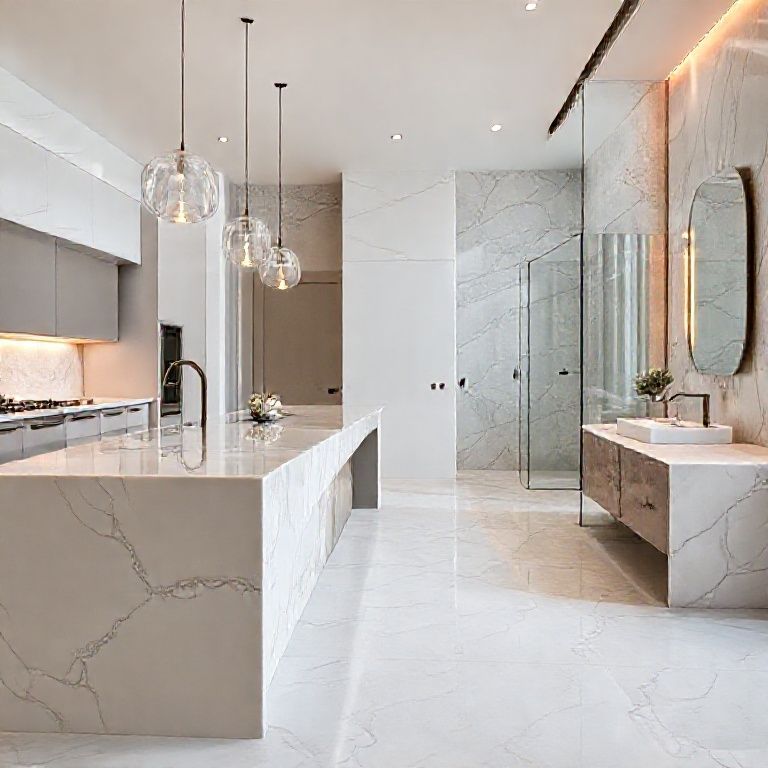
As we delve deeper into the realm of marble flooring, it’s essential to explore strategies that not only help you understand the cost but also maximize value, ensuring your investment in marble flooring yields long-lasting beauty and durability.
1. Budgeting and Planning
Effective budgeting and planning are crucial steps in determining how much you will spend on marble flooring. Start by setting a clear budget that includes not only the cost of the marble tiles but also labor, installation, and additional expenses. It’s advisable to get multiple quotes from reputable suppliers and contractors to ensure you’re getting the best value for your money.
2. Choosing the Right Marble
Selecting the right type of marble for your project is vital. While high-end marbles offer unmatched beauty, they come at a premium price. On the other hand, choosing a more affordable option doesn’t mean compromising on quality. Consider factors such as durability, maintenance requirements, and the intended use of the space when making your choice. For instance, if the flooring is in a high-traffic area, a more robust and easy-to-maintain marble might be a better option.
3. Leveraging Discounts and Offers
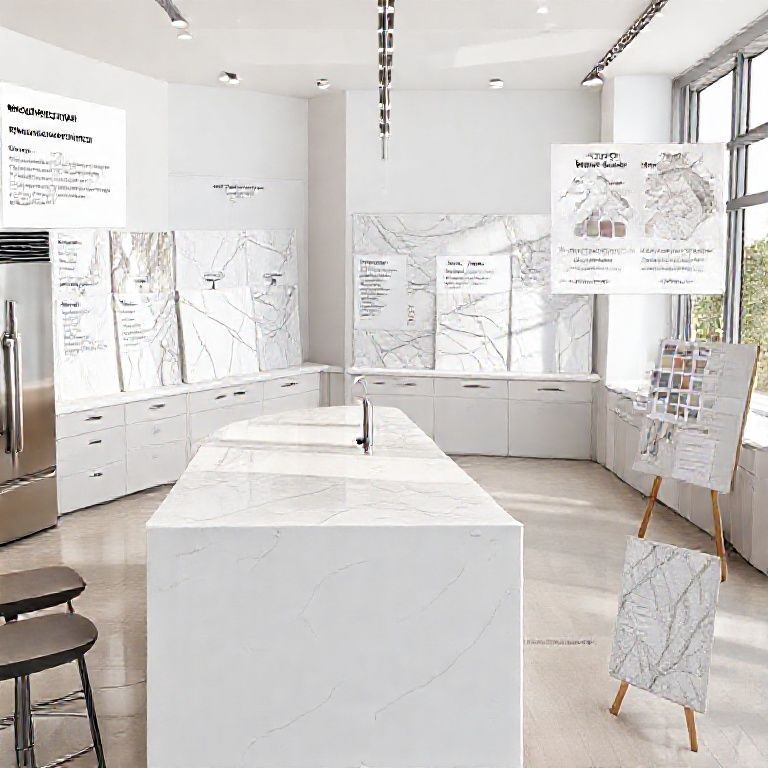
Many suppliers offer discounts and promotions that can help reduce the overall cost of your marble flooring project. Look out for seasonal sales, bulk purchase discounts, or promotional offers. Additionally, consider purchasing pre-owned or reclaimed marble, which can offer a unique aesthetic at a fraction of the cost.
4. DIY vs Professional Installation
Deciding between DIY installation and hiring a professional can significantly impact your budget. While DIY might save on labor costs, it requires a high level of skill and expertise to ensure a flawless finish. Professional installers bring years of experience, ensuring the highest quality of work and reducing the risk of costly mistakes. Weigh the pros and cons of each option carefully to make an informed decision.
5. Maintenance and Longevity
Investing in quality marble flooring is not just about the initial cost but also its long-term value. Proper maintenance can extend the life of your marble flooring, preventing costly repairs and replacements. Regular cleaning, sealing, and occasional professional upkeep can ensure your marble remains in pristine condition for years to come. Consider the cost of maintenance when budgeting for your project.
6. Custom Designs and Patterns
Custom designs and patterns can add a unique touch to your marble flooring, but they come with a price. Custom layouts, intricate patterns, and bespoke designs require additional time and expertise, thus increasing the overall cost. However, these personalized touches can significantly enhance the aesthetic appeal of your space, making the extra investment worthwhile.
7. Financing Options
For large-scale projects, exploring financing options can help manage the cost without compromising on quality. Many suppliers and contractors offer financing plans that allow you to spread the cost over time. This can make high-end marble flooring more accessible, enabling you to enjoy luxurious aesthetics without a significant upfront financial burden.
Conclusion
Navigating the cost of laying down a square meter of marble involves careful planning, informed decision-making, and a keen eye for value. By considering factors such as budget, marble selection, maintenance, and installation methods, you can ensure that your marble flooring project is both beautiful and cost-effective. Embrace these strategies to transform your space with the timeless elegance of marble, creating a lasting impression that speaks of sophistication and refinement.

