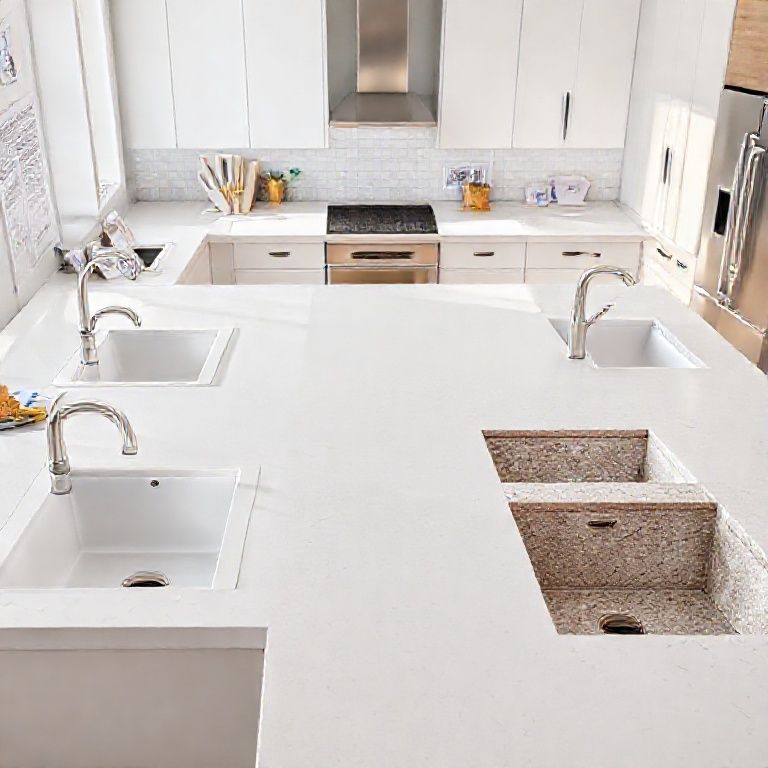
The Beauty and Functionality of Artificial Marble vs. Natural Marble
Marble, with its exquisite beauty and timeless elegance, has been a favorite material for architects, designers, and homeowners alike for centuries. Whether it’s for countertops, flooring, or decorative elements, marble adds a touch of luxury to any space. However, when it comes to choosing between artificial marble and natural marble, the decision can be quite challenging. This article will provide an in-depth comparison between the two, highlighting their respective advantages and disadvantages.
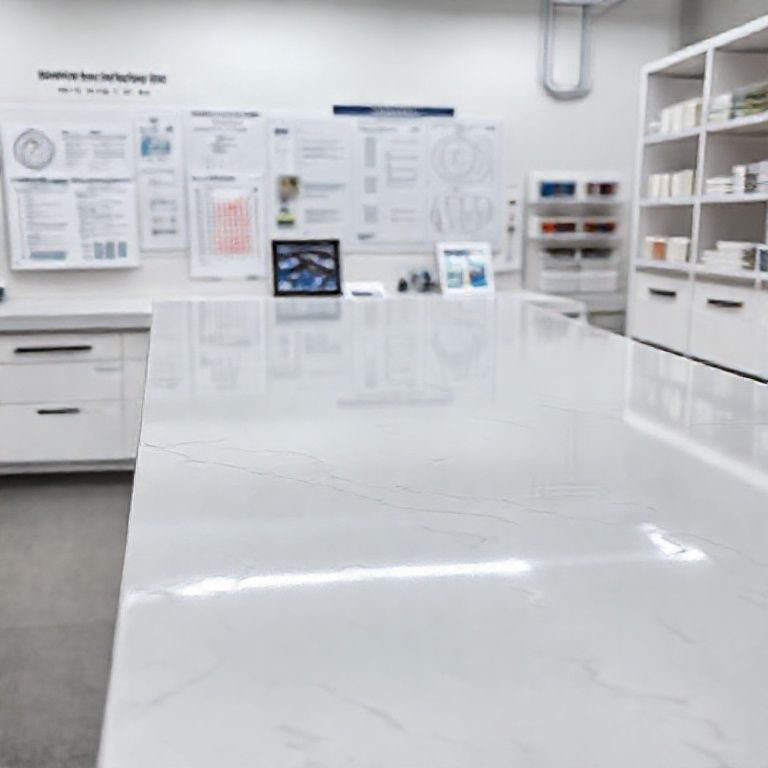
Artificial Marble: The Modern Alternative
Artificial marble, also known as cultured marble or composite marble, is a man-made material that combines resin, calcium carbonate, and other minerals to create a product that mimics the appearance of natural marble. It’s a relatively new entrant in the world of luxury materials, gaining popularity due to its cost-effectiveness and versatility.
Advantages of Artificial Marble:
Cost-Effectiveness: One of the most significant advantages of artificial marble is its affordability. Since it’s made from a combination of resin and minerals, it doesn’t require the same extensive resources as natural marble. This makes it an attractive option for those looking to enhance their space without breaking the bank.
Durability and Low Maintenance: Artificial marble is known for its durability. It’s resistant to stains, scratches, and thermal damage, which makes it an excellent choice for high-traffic areas like kitchens and bathrooms. Additionally, it doesn’t require the same level of maintenance as natural marble, such as sealing and polishing.
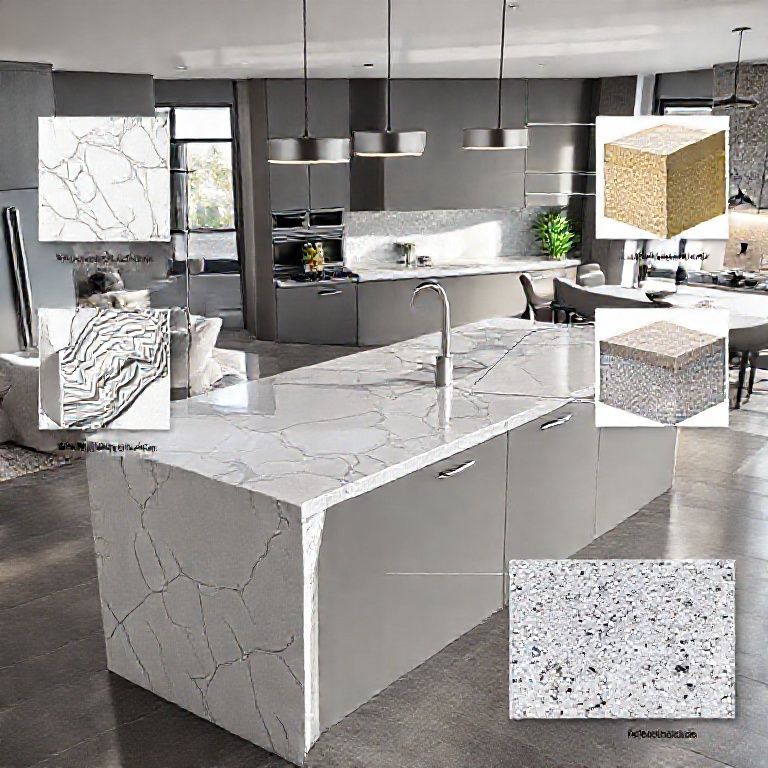
Variety and Customization: The versatility of artificial marble allows designers to create unique patterns and colors that can closely mimic natural marble. This flexibility means you can find a custom design that fits your specific aesthetic needs, without the limitations of natural stone.
Environmentally Friendly: The production of artificial marble often involves fewer environmental resources compared to natural marble. It doesn’t require the extraction of natural stone, reducing the environmental impact and the risk of damaging natural landscapes.
Disadvantages of Artificial Marble:
Heat Sensitivity: While artificial marble is resistant to scratches and stains, it is not as heat-resistant as natural marble. It can crack or discolor when exposed to high temperatures, such as from a hot pan or kettle. This makes it less suitable for areas where heat is a frequent occurrence.
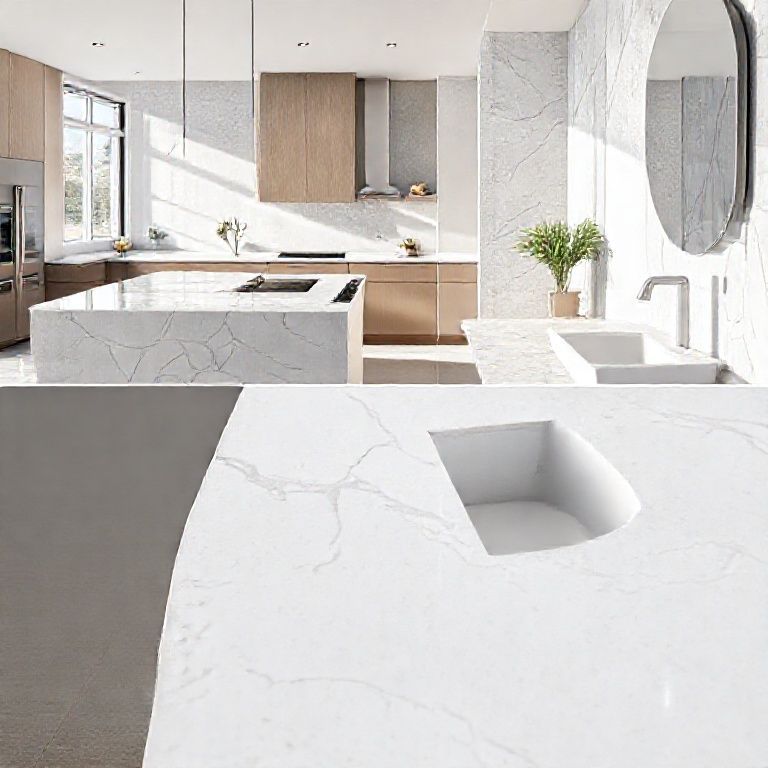
Weight: Artificial marble is heavier than natural marble, which can be a concern for installations where weight needs to be minimized, such as in certain architectural designs.
Aesthetic Authenticity: Despite its advanced manufacturing techniques, artificial marble can sometimes be less authentic in appearance. Some connoisseurs prefer the natural beauty and unique veining of genuine marble.
Natural Marble: The Timeless Classic
Natural marble, sourced from quarries around the world, has been used for thousands of years in architecture and interior design. It’s renowned for its natural beauty, intricate patterns, and timeless elegance.
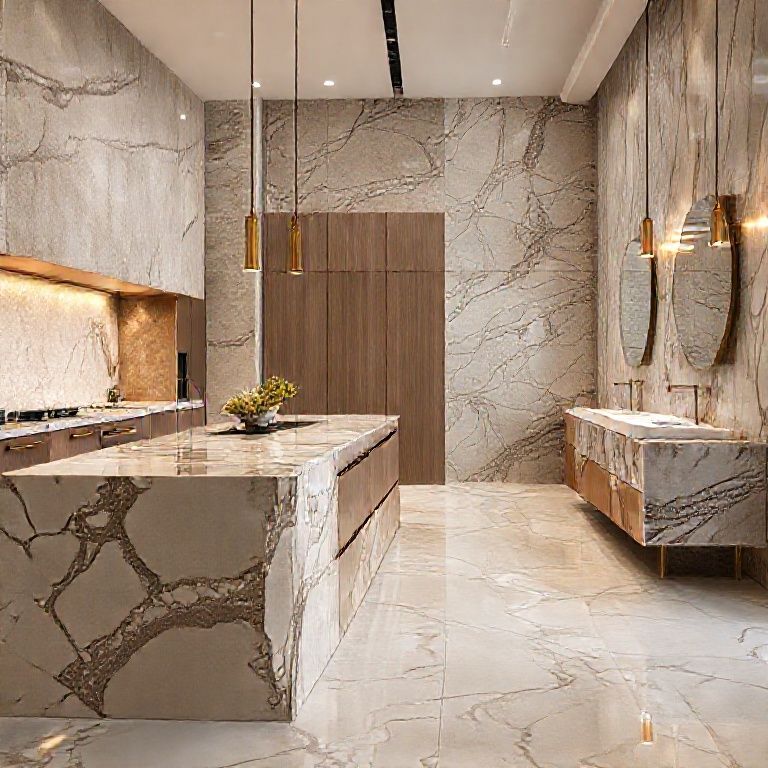
Advantages of Natural Marble:
Unique Patterns and Colors: One of the most compelling aspects of natural marble is its unique and natural beauty. Each piece of natural marble has its own distinct patterns and colors, making it one-of-a-kind. This natural variability adds a sense of authenticity and luxury that artificial marble often cannot replicate.
Heat Resistance: Natural marble is naturally resistant to heat, making it an excellent choice for areas where high temperatures are common. It’s ideal for kitchen countertops, ovens, and other areas exposed to heat.
Timelessness: The enduring appeal of natural marble lies in its timeless elegance. It has been used in some of the world’s most iconic buildings and structures, from ancient Roman temples to modern luxury homes. Its classic beauty ensures it will remain a popular choice for generations to come.
Durability: Natural marble is a durable material. While it can be prone to scratches and stains, high-quality natural marble is resistant to these issues and can last for centuries with proper maintenance.
Disadvantages of Natural Marble:
Cost: The cost of natural marble can be significantly higher than artificial marble. The price varies depending on the type and quality of the marble, as well as the labor required for installation and maintenance.
Maintenance: Natural marble requires regular maintenance to maintain its beauty and longevity. It needs to be sealed and polished regularly to protect against stains and scratches. Without proper care, it can become dull and lose its luster.
Weight: Natural marble is heavier than artificial marble, which can pose challenges for installation, especially in areas where weight needs to be minimized.
Availability: Natural marble is a finite resource, and its availability can vary based on mining operations and global supply chains. This can lead to fluctuations in price and availability.
The Beauty and Functionality of Artificial Marble vs. Natural Marble
In the previous part, we explored the advantages and disadvantages of artificial and natural marble. Now, let’s delve deeper into specific aspects of these materials, including their environmental impact, installation considerations, and suitability for various applications.
Environmental Impact
Artificial Marble:
Artificial marble is often considered an environmentally friendly alternative to natural marble. The production process typically involves fewer resources and has a lower environmental footprint. Since it’s not derived from natural quarries, it doesn’t contribute to the depletion of natural stone resources. However, the production process still involves chemicals and resins, which can pose environmental concerns if not managed properly.
Natural Marble:
The extraction of natural marble has significant environmental implications. Quarrying can lead to habitat destruction, soil erosion, and water pollution. Additionally, transporting natural marble over long distances contributes to carbon emissions. Sustainable quarrying practices and responsible sourcing can mitigate some of these impacts, but they remain a concern.
Installation Considerations
Artificial Marble:
Artificial marble is relatively easy to install. It’s available in various forms, including slabs, tiles, and sheets, which can be cut to size in the workshop. This makes it convenient for DIY projects and professional installations alike. However, its weight can make installation challenging, especially for large projects.
Natural Marble:
Installing natural marble requires more expertise and time. It’s often heavier and comes in larger blocks, which makes it more challenging to transport and install. Professional help is often needed to ensure proper installation and to handle the stone’s weight. Additionally, natural marble needs to be sealed and polished regularly, which adds to the maintenance requirements.
Suitability for Various Applications
Artificial Marble:
Artificial marble’s versatility makes it suitable for a wide range of applications. Its durability and resistance to stains and scratches make it ideal for countertops, sinks, and backsplashes in kitchens and bathrooms. It’s also a popular choice for flooring, though its heat sensitivity may limit its use in areas with high heat exposure. Artificial marble’s ability to mimic natural marble’s appearance closely makes it a popular choice for those seeking a luxurious look without the high cost.
Natural Marble:
Natural marble’s unique beauty makes it perfect for high-end applications where aesthetics and durability are paramount. It’s commonly used for countertops, flooring, and decorative elements in homes and public spaces. Natural marble’s heat resistance makes it suitable for kitchens and areas where high temperatures are frequent. Its timeless elegance ensures it remains a popular choice for luxury interiors and architecture.
Conclusion
Choosing between artificial and natural marble ultimately comes down to personal preference, budget, and specific needs. Artificial marble offers a cost-effective, durable, and versatile alternative that closely mimics the appearance of natural marble. However, natural marble’s unique beauty, heat resistance, and timeless elegance make it a popular choice for those willing to invest in a luxury material.
Both materials have their advantages and disadvantages, and understanding these can help you make an informed decision. Whether you opt for the modern convenience of artificial marble or the timeless beauty of natural marble, both materials can enhance the elegance and functionality of your space.