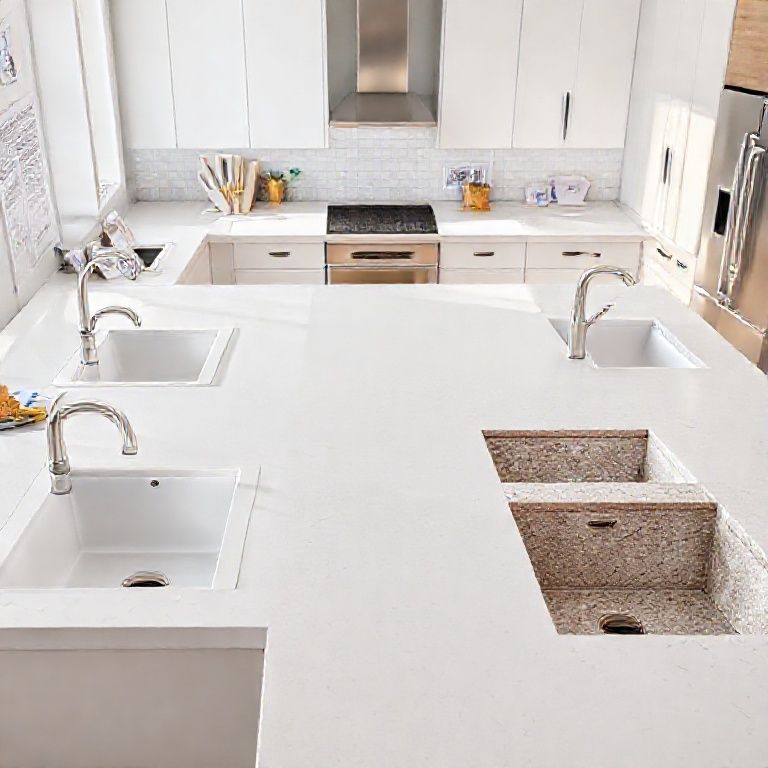
In today’s ever-evolving world of interior and exterior design, the demand for sophisticated and durable materials has never been higher. One of the most remarkable innovations in recent years is artificial marble. This material has captivated the imagination of designers, architects, and homeowners alike. This guide will explore the fascinating origins, materials, and applications of artificial marble, highlighting its advantages and versatility in modern design.
What is Artificial Marble?
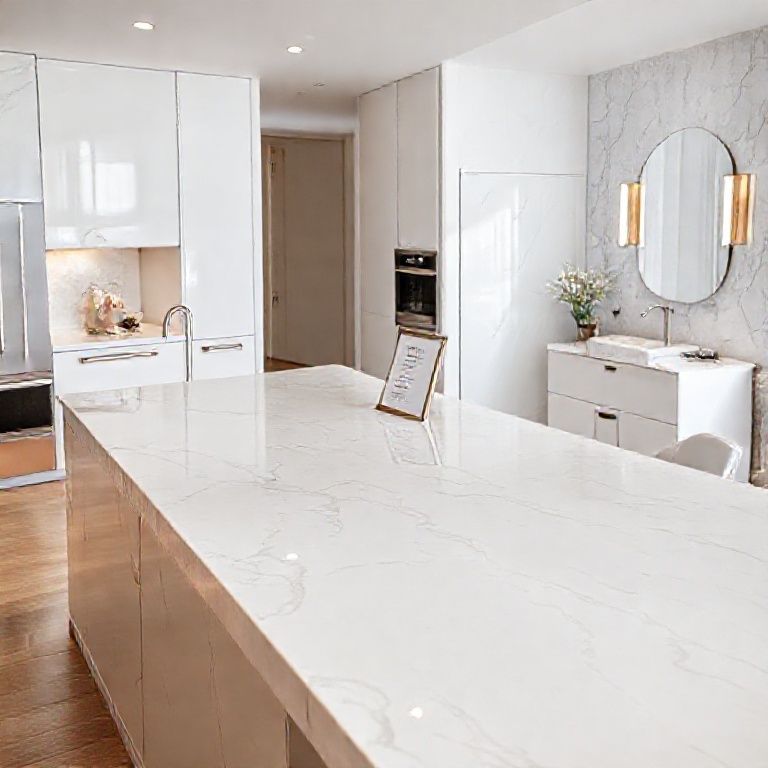
Artificial marble, often referred to as synthetic marble, is a composite material crafted from a mixture of minerals, including calcium carbonate, combined with resins and pigments. Unlike natural marble, which is a stone that forms over millions of years through geological processes, artificial marble is manufactured in controlled environments. This allows designers and manufacturers to create a wide variety of colors, patterns, and textures that mimic the beauty of natural marble while offering superior durability and functionality.
The Origins and Evolution of Artificial Marble
The concept of creating an alternative to natural stone dates back to the early 20th century when scientists and inventors first began experimenting with combining natural minerals with resins. The breakthrough came in the 1970s with the development of more sophisticated techniques that allowed for the precise control of material composition and processing. Since then, advancements in technology have led to the creation of artificial marble that closely resembles natural marble in appearance and quality.
Key Materials and Manufacturing Process
The primary components of artificial marble include:
Calcium Carbonate: A natural mineral that provides the base structure and weight of the material. Resins: Polymers that bind the calcium carbonate particles together, offering strength and flexibility. Pigments and Dyes: Used to create the rich colors and intricate patterns that replicate the natural beauty of marble.
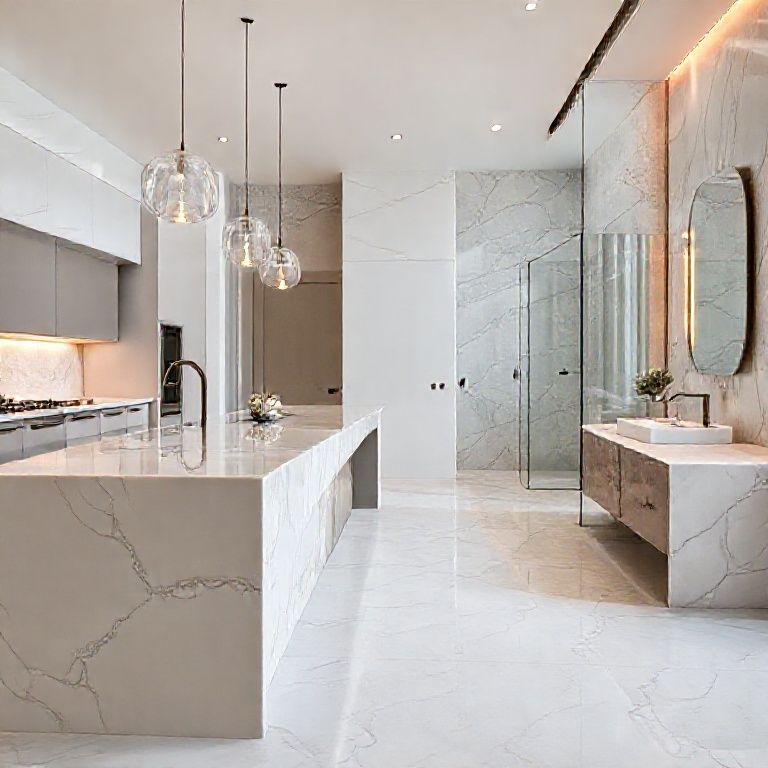
The manufacturing process involves several steps:
Mixing: The minerals and resins are blended to form a homogeneous mixture. Molding: The mixture is poured into molds and subjected to high pressure and temperature to ensure that the components are thoroughly bonded. Curing: The molded pieces are left to cure under controlled conditions, allowing the resin to fully set and the material to achieve its final form and strength.
Advantages of Artificial Marble
Durability and Maintenance
One of the most significant advantages of artificial marble is its exceptional durability. Unlike natural marble, which is prone to staining, scratching, and chipping, artificial marble is highly resistant to these forms of damage. It does not react to acids or bleaches, making it a perfect choice for high-traffic areas like kitchens and bathrooms.
Aesthetic Versatility
Artificial marble offers unparalleled versatility in terms of aesthetics. The ability to mold and dye the material allows manufacturers to create designs that mimic the unique patterns of natural marble while also offering endless possibilities for custom designs. This versatility makes artificial marble suitable for a wide range of applications, from countertops and backsplashes to tabletops, fountains, and even outdoor sculptures.
Sustainability
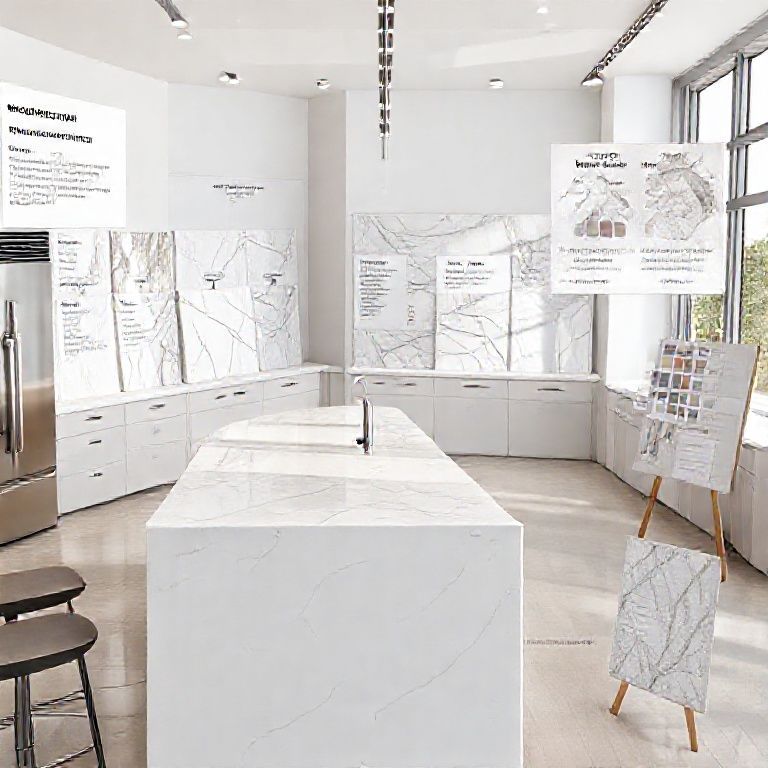
Artificial marble is a sustainable alternative to natural stone. The production process uses fewer natural resources, and the material can be recycled. Additionally, because it does not require the extraction of natural marble, it helps to preserve the environment by reducing the need for mining activities.
Applications of Artificial Marble
Interior Design
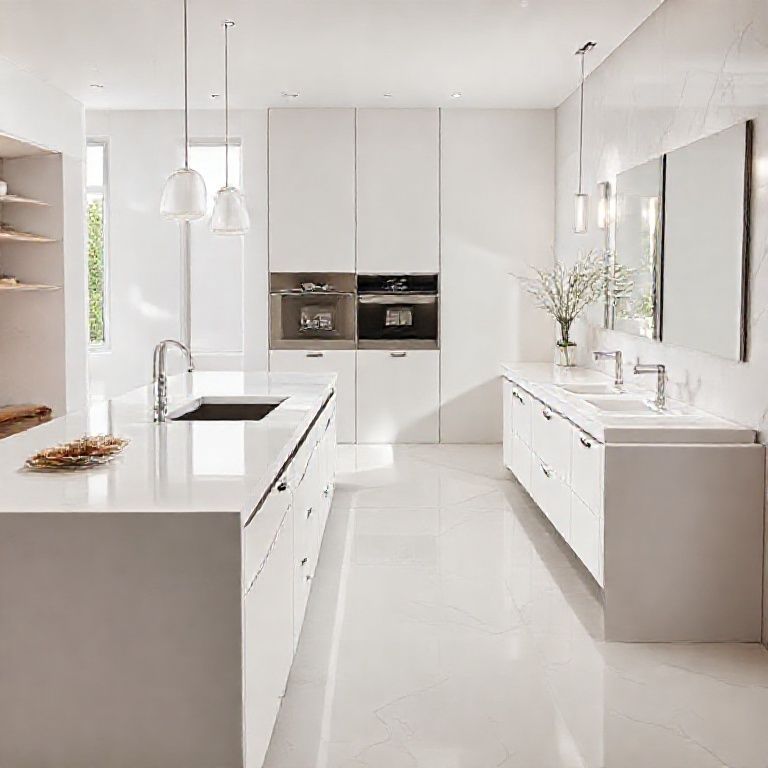
In interior design, artificial marble is a popular choice for creating elegant and functional surfaces. Its beauty and durability make it ideal for:
Countertops: Kitchen and bathroom countertops benefit from the stain resistance and easy maintenance of artificial marble. Backsplashes: The intricate patterns and colors can add a touch of luxury to any kitchen or bathroom. Tabletops: From dining tables to coffee tables, artificial marble can provide a stunning and durable surface. Vanity Tops: The material’s resistance to water and stains makes it perfect for bathroom vanities.
Exterior Design
Artificial marble also finds numerous applications in exterior design, where its durability and aesthetic appeal are highly valued. Some common uses include:
Facades: The material can be used to create stunning façades that blend the beauty of natural stone with the durability of synthetic materials. Garden Features: Artificial marble is used to create fountains, sculptures, and garden pathways that withstand the elements. Pools and Spas: The material’s resistance to water and chemicals makes it ideal for use in wet environments.
Innovations in Artificial Marble
The field of artificial marble is continuously evolving, with ongoing innovations aimed at enhancing its properties and expanding its applications. Some of the latest advancements include:
Nanotechnology: The use of nanotechnology in the production process to improve the material’s strength and resistance. 3D Printing: The ability to 3D print artificial marble components, allowing for more intricate and customized designs. Eco-friendly Materials: Development of more sustainable materials that reduce environmental impact without compromising on quality.
Conclusion
Artificial marble represents a significant advancement in the world of design materials. Its durability, aesthetic versatility, and sustainability make it an excellent choice for both interior and exterior applications. As innovation continues to drive improvements in the material, its role in modern design will undoubtedly expand, offering new possibilities for creativity and functionality. Stay tuned for the next part of our comprehensive guide, where we will delve deeper into the installation, maintenance, and future trends of artificial marble.
In our previous discussion, we explored the origins, materials, and applications of artificial marble, highlighting its advantages and versatility. Now, let’s delve deeper into how to effectively incorporate this innovative material into your projects, how to maintain its beauty and longevity, and what future trends lie ahead. This comprehensive guide aims to provide valuable insights for homeowners, designers, and contractors who are considering artificial marble for their next design project.
Installation of Artificial Marble
Planning and Design
Before installation, thorough planning and design are essential to ensure the best results. Here are some key considerations:
Design Coordination: Work closely with your designer or architect to determine the best color, pattern, and size for your project. Artificial marble comes in a wide range of designs that can closely mimic natural marble, so there are many options to choose from.
Surface Preparation: Proper surface preparation is crucial for a successful installation. Clean the area thoroughly and ensure it is dry and free of any debris or grease. For new construction, make sure the base surface is smooth and level.
Cutting and Fitting: Artificial marble can be cut to size using a tile cutter or saw. Precise measurements and careful cutting are essential to ensure a perfect fit. For intricate designs, professional assistance may be required.
Installation Techniques
Artificial marble installation typically involves adhesive bonding. Here are the steps for a successful installation:
Surface Cleaning: Clean the surface where the artificial marble will be installed to remove any dust, grease, or oils. A suitable cleaner or degreaser can be used for this purpose.
Adhesive Application: Apply a high-quality adhesive specifically designed for artificial marble. Use a notched trowel to spread the adhesive evenly across the surface, ensuring it covers the entire area.
Laying the Marble: Carefully place the artificial marble pieces onto the adhesive. Press down firmly to ensure a strong bond. Use spacers to maintain even gaps between the pieces.
Curing Time: Allow the adhesive to cure according to the manufacturer’s instructions. This usually involves leaving the area undisturbed for a specified period, often several hours to a full day.
Grouting: If your installation includes grout lines, apply the grout using a grout float. Clean off any excess grout immediately and allow it to cure properly.
Sealing: Once the installation is complete and the grout has cured, it is essential to seal the artificial marble to protect it from stains and spills. Use a high-quality, penetrating sealer specifically formulated for synthetic stone.
Maintenance of Artificial Marble
Regular Cleaning
Maintaining the beauty and longevity of artificial marble requires regular cleaning. Here are some tips for keeping your artificial marble surfaces looking pristine:
Daily Cleaning: Use a soft, damp cloth and a mild detergent to clean the surface daily. Avoid using abrasive cleaners or scrubbing pads that can scratch the material.
Spot Cleaning: For minor spills and stains, blot the area with a clean, damp cloth rather than rubbing it. For tougher stains, a specialized cleaner for artificial marble can be used.
Avoiding Damage: To prevent scratches and damage, avoid using sharp objects or placing heavy items directly on the surface. Use protective mats or pads under items that can generate heat or pressure.
Periodic Sealing: Depending on the level of usage and exposure to spills, it may be necessary to reseal the artificial marble periodically. Check the manufacturer’s recommendations for the best maintenance schedule.
Future Trends in Artificial Marble
The field of artificial marble is continuously evolving, with several exciting trends emerging that promise to push the boundaries of design and functionality.
Enhanced Aesthetics
Advancements in manufacturing technology are enabling the creation of artificial marble with even more realistic and intricate designs. The use of high-definition printing and advanced resin formulations is allowing for the replication of natural stone textures and patterns with unprecedented accuracy.
Sustainability
As the focus on sustainability grows, so does the development of eco-friendly artificial marble options. Innovations in this area include the use of recycled materials and the development of low-VOC (volatile organic compounds) adhesives and sealers, which reduce harmful emissions and environmental impact.
Smart Materials
The integration of smart materials into artificial marble is another exciting trend. This includes the development of self-cleaning surfaces, which utilize nanotechnology to repel water and dirt, and antimicrobial properties to inhibit the growth of bacteria and mold.
Customization
The ability to customize artificial marble to meet specific design needs is becoming more prevalent. This includes the capability to create bespoke patterns, colors, and textures tailored to individual projects, offering unparalleled flexibility for designers and architects.
Durability Enhancements
Research and development efforts are focused on enhancing the durability and performance of artificial marble. This includes improving resistance to wear, abrasion, and chemical exposure, ensuring that the material can withstand the rigors of everyday use in both residential and commercial settings.
Conclusion
Artificial marble is a versatile and durable material that offers numerous benefits for modern design projects. From its ease of installation and low maintenance requirements to its wide range of aesthetic possibilities and sustainability features, artificial marble is poised to play an increasingly important role in the future of interior and exterior design.
By staying informed about the latest trends and advancements in artificial marble, homeowners, designers, and contractors can make informed decisions that enhance the beauty, functionality, and longevity of their projects. Whether you’re looking to add a touch of elegance to your kitchen countertop or create a stunning façade for a commercial building, artificial marble provides a compelling and innovative solution.