Content:
In recent years, artificial marble has become a staple in both commercial and residential spaces due to its striking resemblance to natural stone and its impressive durability. However, with its rise in popularity comes a series of questions concerning its safety, particularly regarding formaldehyde emissions. To unravel this mystery, it’s essential to first understand what formaldehyde is and how it may come into play in the context of artificial marble.
Understanding Formaldehyde: Formaldehyde is a colorless, pungent gas that is commonly used in the production of various building materials and household products. It’s a key component in the resins used to bind the aggregates in artificial marble. This compound is known to be toxic, with potential health risks ranging from respiratory issues to long-term effects like cancer.
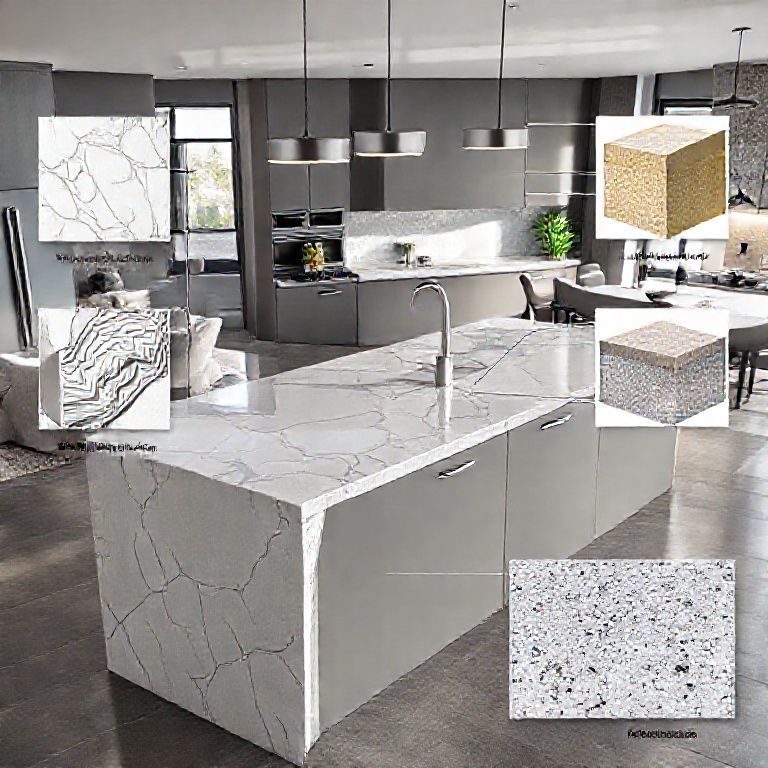
The Composition of Artificial Marble: Artificial marble is crafted by combining aggregates like quartz or limestone with resins that act as a binding agent. These resins are typically made from formaldehyde-based materials, such as phenol formaldehyde or melamine formaldehyde resins. During the manufacturing process, heat and pressure are applied to fuse these materials together, creating a robust, aesthetically pleasing stone.
Potential Sources of Formaldehyde in Artificial Marble: When it comes to the presence of formaldehyde in artificial marble, several factors come into play. The primary concern is the off-gassing of formaldehyde from the resin used to bind the stone. This off-gassing can occur in two phases: during the manufacturing process and post-installation in the home or building.
Manufacturing Phase: During the production of artificial marble, high temperatures and pressures are used to cure the resin. This process can result in the release of formaldehyde vapors. However, manufacturers often take measures to minimize these emissions through various treatment and curing processes designed to ensure that most of the formaldehyde is either bound within the stone or released before it reaches the consumer.
Post-Installation Phase: Once installed, artificial marble can continue to emit formaldehyde, albeit at a much lower rate than during manufacturing. The extent of these emissions depends on several factors, including the quality of the product, the specific type of resin used, and the environmental conditions within the space. Poor ventilation, for instance, can exacerbate formaldehyde levels, making it crucial to maintain good air circulation.
Health Risks and Safety Standards: The health risks associated with formaldehyde exposure are well-documented. Short-term exposure can cause irritation to the eyes, nose, and throat, while long-term exposure has been linked to more severe health issues, including respiratory problems and certain types of cancer. To address these concerns, various international and national organizations have set guidelines for acceptable formaldehyde levels in building materials.
Regulatory Standards: Organizations such as the European Union’s Scientific Committee on Health, Environmental and Emerging Risks (SCHEER), the U.S. Environmental Protection Agency (EPA), and the World Health Organization (WHO) have established standards to limit formaldehyde emissions from materials like artificial marble. These standards aim to ensure that products on the market do not pose undue health risks to consumers.
Testing and Certification: Many manufacturers of artificial marble undergo rigorous testing to ensure their products meet these safety standards. Certifications such as the EU’s E1 and E0 ratings, which denote low and very low formaldehyde emissions respectively, are often proudly displayed on product labels. These certifications provide consumers with assurance that the product has been tested and deemed safe according to specific criteria.
Mitigation Strategies: For those concerned about formaldehyde emissions, several strategies can be employed to minimize exposure:
Proper Ventilation: Ensuring good air circulation in the space where artificial marble is installed can help reduce formaldehyde levels by dispersing any off-gassing vapors.
Use of Low-Emission Products: Opting for artificial marble products that have undergone rigorous testing and bear low-emission certifications can provide peace of mind.
Post-Installation Curing: Allowing the newly installed artificial marble to “cure” for a period before use can help reduce initial formaldehyde emissions. This typically involves leaving the space well-ventilated for several weeks after installation.
Monitoring Indoor Air Quality: Utilizing air quality monitoring devices can help detect formaldehyde levels and ensure that they remain within safe limits.
In conclusion, while the potential for formaldehyde emissions in artificial marble exists due to the resins used in its creation, advancements in manufacturing processes, stringent regulatory standards, and effective mitigation strategies have significantly reduced these risks. Understanding the science behind this issue empowers consumers to make informed decisions and maintain healthy indoor environments.
Content:
Environmental Impact: While the primary concern with formaldehyde in artificial marble revolves around human health, it’s also essential to consider the environmental impact of its production and disposal. The manufacturing process of artificial marble involves the use of resins and adhesives that can have ecological repercussions if not managed properly. Additionally, the disposal of artificial marble at the end of its lifecycle, if not handled through recycling or responsible waste management, can contribute to environmental degradation.
Sustainable Practices: Manufacturers and consumers alike are increasingly recognizing the importance of sustainability in building material choices. To mitigate the environmental footprint, several practices can be adopted:
Eco-Friendly Resins: Some manufacturers are innovating by using eco-friendly resins that have lower formaldehyde content or are formaldehyde-free. These resins can significantly reduce the environmental impact while maintaining the durability and aesthetic qualities of artificial marble.
Recycling Programs: Supporting and participating in recycling programs for artificial marble can help ensure that materials are reused rather than contributing to landfill waste.
Sustainable Sourcing: Choosing products from manufacturers that prioritize sustainable sourcing of raw materials and adopt environmentally friendly manufacturing processes can make a significant difference.
Alternatives to Artificial Marble: For those seeking alternatives to artificial marble that offer comparable aesthetics and durability while minimizing potential formaldehyde exposure, several options are available:
Natural Stone: Materials like granite, quartzite, and slate are naturally occurring and do not contain formaldehyde. While they may be more expensive and less versatile than artificial marble, they offer a timeless and eco-friendly option.
Bamboo: Bamboo is a rapidly renewable resource that has gained popularity for countertops and flooring. It is not only durable but also has a low environmental impact due to its fast growth rate.
Cork: Cork is another sustainable alternative that is highly durable and resistant to scratches and stains. It also offers excellent acoustic insulation and is a renewable resource.
Ceramic Tile: Ceramic tiles are a versatile and cost-effective option that can mimic the appearance of stone. They do not contain formaldehyde and are generally low maintenance.
Consumer Awareness and Education: Educating oneself about the materials used in home improvement projects is crucial for making informed decisions that prioritize both aesthetics and safety. Consumer awareness can drive manufacturers to adopt better practices and innovate safer products. Here are some ways to stay informed:
Research Certifications: Look for certifications that indicate low formaldehyde emissions and adherence to safety standards. These certifications can be a reliable indicator of a product’s safety.
Ask Questions: Don’t hesitate to ask manufacturers about the materials they use, their formaldehyde content, and any steps they take to mitigate emissions. Transparent communication is key to ensuring you’re making a safe choice.
Read Reviews: Customer reviews and ratings can provide insights into the performance and safety of specific products. While individual experiences may vary, a pattern of positive or negative feedback can be instructive.
Stay Updated: Follow industry news and updates from regulatory bodies to stay informed about the latest research and guidelines regarding formaldehyde emissions in building materials.
Conclusion: The question of whether artificial marble contains formaldehyde and why it might be a concern is multifaceted. While the potential for formaldehyde emissions exists due to the resins used in its production, advancements in manufacturing,制造工艺、严格的安全标准以及有效的减排措施都大大降低了这种风险。
消费者的警觉性和对健康的关注仍然是确保室内环境安全的重要因素。
未来展望:创新与责任
随着环保和健康意识的不断增强,建材行业正朝着更加环保和安全的方向发展。在未来,我们可以期待看到更多创新材料的出现,这些材料不仅在性能上能够与传统人造大理石相媲美,同时在环保和健康方面也更加友好。
绿色材料的研发: 研发新型低甲醛或无甲醛的材料,采用可再生资源,减少有害物质的使用。例如,基于生物基材料的人造石,这些材料不仅能够满足美观和耐用的要求,还能减少对环境和人体的危害。
先进的制造技术: 采用更加先进的制造技术,例如低温制成工艺,可以有效减少甲醛等有害物质的释放。通过改进设备和工艺,减少制造过程中的污染和废弃物排放。
循环经济: 推动建材产业的循环经济模式,推广材料的回收和再利用,减少资源消耗和环境负担。例如,在建筑拆除过程中,回收再利用建材,将废弃材料进行再加工,用于新的建筑项目。
与企业合作: 和企业的合作至关重要。可以通过制定更加严格的环保和安全标准,推动建材行业的发展。企业应积极响应政策,加强研发创新,提升产品的环保性能。
消费者的角色
消费者在推动建材产业向更健康、更环保的方向发展中也扮演着重要角色。消费者可以通过以下几种方式来促进这一转变:
选择绿色产品: 优先选择经过认证的低甲醛或无甲醛产品,支持环保和安全的建材品牌。
提高环保意识: 了解和关注建材的环保和健康信息,在购买和使用过程中,尽量选择对环境和人体无害的材料。
反馈与建议: 通过反馈机制向供应商和制造商提出建议,推动他们改进产品和工艺,减少对环境和人体的影响。
总结
尽管人造大理石在一定程度上存在甲醛释放的潜在风险,但通过科学的制造工艺、严格的标准和有效的减排措施,这种风险已经得到了有效控制。随着技术的进步和消费者环保意识的提升,建材行业将朝着更加健康和可持续的方向发展。消费者的选择和监督将继续推动行业的进步,确保我们的生活环境更加安全和健康。