The Controversy Surrounding Formaldehyde in Artificial Marble: Unveiling the Truth
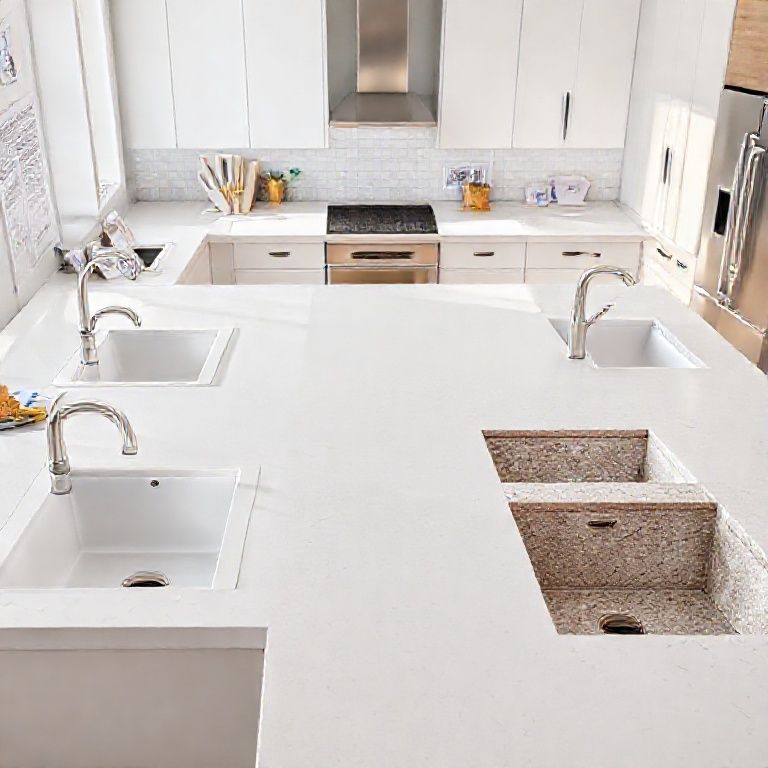
In the realm of modern construction and interior design, artificial marble stands out as a popular choice for countertops, flooring, and various decorative elements. With its stunning aesthetic appeal and durability, it has become a favored material for both commercial and residential spaces. However, lurking beneath its glossy surface is a controversy that has raised significant concerns among consumers and health experts alike: the presence of formaldehyde in artificial marble.
What is Artificial Marble?
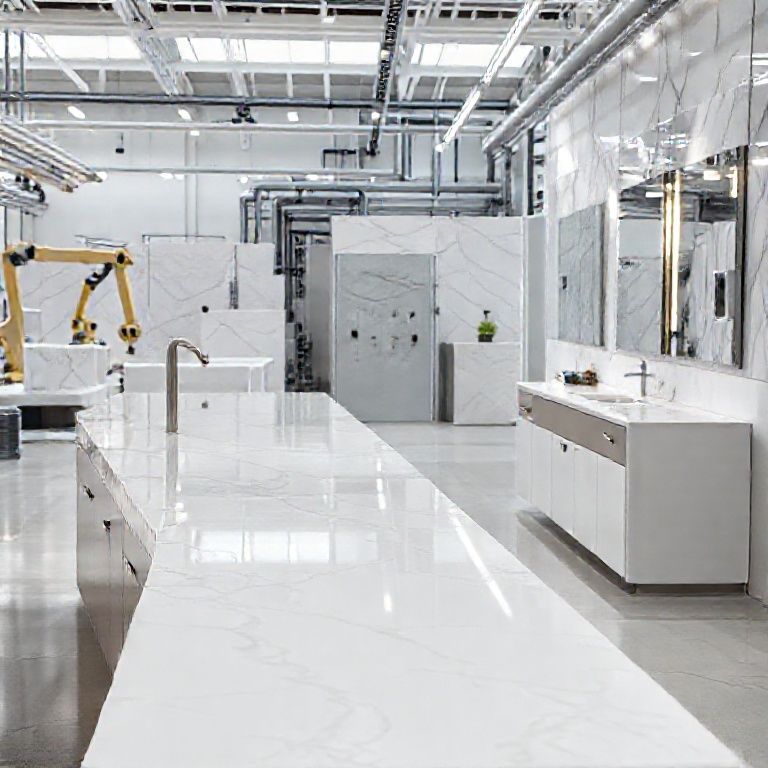
Artificial marble, often referred to as synthetic stone, is a composite material made from natural stone chips, such as quartz, calcite, or marble, combined with a binder. This mixture is fused together under high pressure and temperature to create a durable, solid surface that closely mimics the appearance of natural marble. The primary advantage of artificial marble lies in its versatility, strength, and cost-effectiveness compared to traditional marble.
Formaldehyde: The Silent Pollutant
Formaldehyde is a colorless, pungent gas that is widely used in various industrial processes, including the production of building materials, textiles, and household products. It is a known carcinogen and is listed by the International Agency for Research on Cancer (IARC) as a Group 1 carcinogen. In the context of artificial marble, formaldehyde is often used as a binder to hold the stone particles together during the manufacturing process.
The Health Risks
When artificial marble is installed in indoor environments, such as homes or offices, there is a potential for formaldehyde to leach out and contaminate the air. This poses several health risks, including:
Respiratory Issues: Formaldehyde exposure can lead to irritation of the respiratory tract, resulting in symptoms such as coughing, sneezing, and throat irritation.
Allergic Reactions: Some individuals may develop allergic reactions, such as skin rashes or respiratory allergies, due to formaldehyde exposure.
Long-Term Health Effects: Chronic exposure to formaldehyde has been linked to serious health conditions, including cancer, particularly nasopharyngeal cancer and leukemia.
Detection and Measurement
To assess the formaldehyde content in artificial marble, several methods are employed, including:
Gas Chromatography: This advanced analytical technique measures the concentration of formaldehyde in a sample with high accuracy.
Visual Inspection: While not as precise, visual inspection can sometimes identify signs of formaldehyde leaching, such as a musty odor or visible mold growth.
Regulatory Standards
Various countries have established regulatory standards to limit the formaldehyde emissions from building materials, including artificial marble. For instance, the European Union has set stringent limits under the Construction Products Regulation (CPR), while the United States follows guidelines set by the Environmental Protection Agency (EPA).
Addressing the Concerns
Manufacturers and industry experts are continually working to address the concerns surrounding formaldehyde in artificial marble. Some of the measures taken include:
Alternative Binders: Research is ongoing to develop and use alternative binders that do not release formaldehyde during the manufacturing process.
Improved Production Techniques: Advanced manufacturing techniques aim to reduce the amount of formaldehyde used and improve the overall safety of the material.
Post-Installation Treatment: Some manufacturers offer post-installation treatments to help reduce formaldehyde emissions once the artificial marble is installed.
Consumer Awareness and Choices
For consumers, being informed is key to making safe choices. Here are some steps to consider when selecting artificial marble:
Check Certifications: Look for products that meet recognized safety standards and certifications, such as those from the European Commission or the American National Standards Institute (ANSI).
Request Test Reports: Ask for formaldehyde emission test reports and look for products with low formaldehyde levels.
Ventilation: Ensure proper ventilation in areas where artificial marble is installed to help disperse any formaldehyde that may be released.
Conclusion
The debate over formaldehyde in artificial marble is complex and multifaceted, involving scientific research, regulatory standards, and consumer health concerns. While there are valid concerns regarding formaldehyde emissions, advancements in technology and manufacturing are paving the way for safer alternatives. As awareness and regulation continue to evolve, consumers can make informed decisions that prioritize both aesthetics and health safety.
In the next part of this series, we will delve deeper into the latest innovations in artificial marble production, examining how new technologies are addressing formaldehyde concerns and what this means for the future of interior design and construction.
Cutting-Edge Innovations in Artificial Marble Production: A New Era of Safety
As we continue our journey through the world of artificial marble, it’s essential to look ahead at the cutting-edge innovations that are transforming the industry. These advancements not only address longstanding concerns about formaldehyde emissions but also set new benchmarks for safety, durability, and sustainability. In this part, we’ll explore the revolutionary materials, advanced manufacturing processes, and new safety standards that are redefining artificial marble for the modern era.
Revolutionary Materials
One of the most significant strides in the artificial marble industry is the development of revolutionary materials that do not rely on formaldehyde as a binder. These new materials are designed to mimic the strength and aesthetic appeal of traditional marble while eliminating harmful emissions. Some of these innovative materials include:
Polyurethane-Based Binders: Polyurethane binders offer a formaldehyde-free alternative that provides excellent adhesion and durability. These binders are being increasingly used in the production of artificial marble to ensure both safety and performance.
Silicone Elastomers: Silicone elastomers are another promising material that offers a formaldehyde-free solution. These binders provide excellent resistance to wear, chemical exposure, and temperature fluctuations, making them ideal for artificial marble applications.
Resin Composites: Advanced resin composites are being developed that combine the best properties of various materials to create a durable, low-emission product. These composites often use bio-based or plant-based resins that are both safe and environmentally friendly.
Advanced Manufacturing Techniques
The production process itself is also evolving to address formaldehyde concerns and enhance the quality of artificial marble. Here are some of the advanced manufacturing techniques being adopted:
Cold Press Technology: Unlike traditional hot pressing, cold press technology uses lower temperatures to fuse the stone particles together. This method significantly reduces the need for formaldehyde as a binder, resulting in a safer product.
3D Printing: 3D printing technology is being explored to create artificial marble with precise control over material composition and structure. This allows for the development of customized designs while minimizing the use of harmful chemicals.
Injection Molding: Injection molding techniques are being refined to produce artificial marble with high precision and minimal waste. This method also allows for the incorporation of alternative binders that do not release formaldehyde.
Setting New Safety Standards
As the industry continues to innovate, new safety standards are being established to ensure that artificial marble meets the highest levels of health and safety. These standards are being developed in collaboration with regulatory bodies, industry experts, and consumer advocacy groups. Some of the key safety standards include:
Formaldehyde Emission Limits: Regulatory bodies such as the European Commission and the EPA have set strict limits on formaldehyde emissions from artificial marble. Manufacturers must adhere to these limits to ensure compliance and consumer safety.
Certification Programs: New certification programs are emerging to verify the safety of artificial marble products. These programs often include rigorous testing and validation processes to confirm that products meet established safety standards.
Consumer Education Initiatives: Industry associations and manufacturers are launching educational initiatives to inform consumers about the safety and benefits of modern artificial marble. These initiatives aim to build trust and confidence in the material by providing accurate and transparent information.
Sustainable and Eco-Friendly Alternatives
In addition to addressing formaldehyde concerns, the artificial marble industry is also focusing on sustainability and eco-friendliness. Here are some of the eco-friendly innovations that are shaping the future of the industry:
Recycled Materials: The use of recycled materials in artificial marble production is gaining traction. By incorporating recycled stone and other sustainable materials, manufacturers can reduce waste and environmental impact.
Low-VOC Formulations: Volatile organic compounds (VOCs) are another concern in the production of building materials. New formulations of artificial marble are being developed to minimize VOC emissions, further enhancing indoor air quality.
Eco-Friendly Packaging: Sustainable packaging solutions are being implemented to reduce the environmental footprint of artificial marble products. This includes the use of recyclable and biodegradable packaging materials.
Consumer Benefits
For consumers, these innovations offer numerous benefits, including:
Health Safety: The reduction of formaldehyde and other harmful chemicals在当今快速发展的建筑和室内设计领域,消费者对健康和安全的关注越来越高。新一代的人造大理石材料正在应对这一需求,提供了一种既美观又安全的解决方案。
1. 更高的健康安全性
新一代人造大理石材料通过使用先进的无甲醛或低甲醛的粘合剂和材料,大大降低了有害化学物质的释放。这意味着安装和使用这种材料的家庭和办公室将拥有更清洁、更健康的室内空气质量。
2. 卓越的耐用性和耐污性
人造大理石因其高强度和耐用性而受到青睐。新一代材料不仅在硬度和抗刮擦方面表现出色,还具有优异的耐污性。这意味着它们更容易清洁和维护,不易留下指纹和污渍,从而提升了其在厨房和浴室等高使用频率区域的实用性。
3. 多样化的设计选择
现代人造大理石以其丰富的颜色和图案而著称,模拟了天然大理石的外观,同时提供更多样化的设计选择。新材料还可以通过特殊处理和技术来实现更复杂的设计,满足不同消费者的审美需求。
4. 环保和可持续性
随着环保意识的增强,选择环保型人造大理石成为越来越多人的选择。新一代材料在生产过程中减少了对环境的影响,并且很多材料来源于可再生资源或经过回收利用。这不仅有助于减少建筑行业的碳足迹,还能为消费者提供一种更加环保的选择。
5. 安装和维护的便利性
新一代人造大理石材料通常具有良好的成型性和可塑性,便于现场安装和定制设计。其耐水性和耐化学性能也使得后期的维护工作更加简单,减少了因材料老化或损坏带来的麻烦。
6. 经济性
尽管人造大理石的初始成本可能高于一些传统材料,但其长久的耐用性和低维护需求使其成为一个经济实惠的长期选择。减少了频繁更换和维护的费用,从而为消费者节省了开支。
新一代人造大理石不仅在外观和功能上超越了传统材料,还在健康安全、环保和经济性方面提供了多重优势。对于那些重视室内环境质量和可持续发展的消费者来说,这种材料无疑是一个理想的选择。