Understanding Artificial Marble: Composition and Pricing Factors
Artificial marble, often referred to as artificial stone, has emerged as a popular alternative to traditional natural marble. This synthetic material combines various minerals, resins, and pigments to mimic the appearance and durability of natural marble. In this section, we’ll explore the composition of artificial marble and the factors influencing its cost per square meter.
The Composition of Artificial Marble
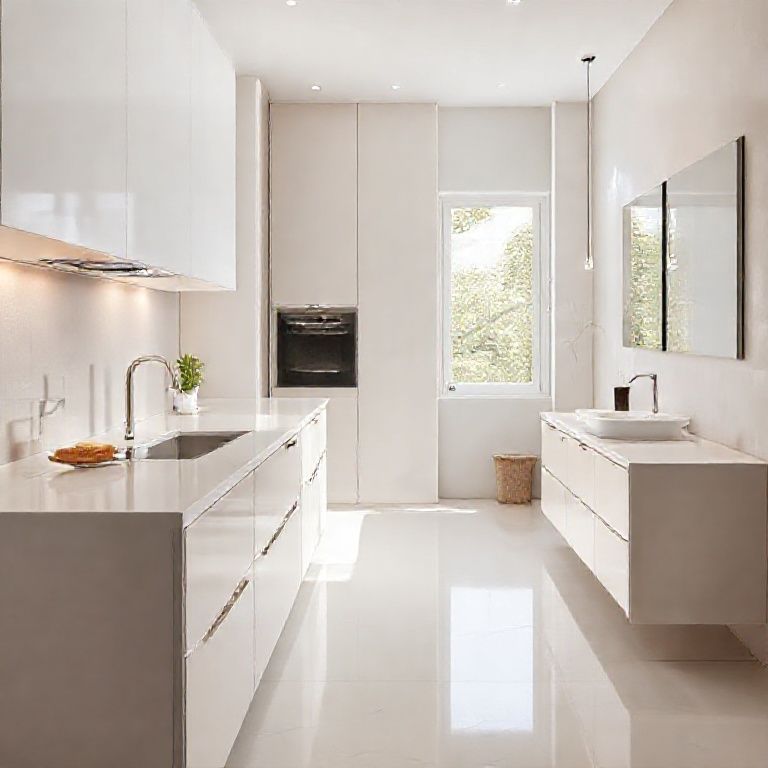
Artificial marble is a composite material typically made from a mixture of limestone, quartz, marble chips, and other natural minerals. The process involves combining these ingredients with resins and pigments to create a material that closely resembles natural marble. The key components include:
Limestone: Provides the base structure and contributes to the stone’s aesthetic appeal. Quartz: Adds hardness and durability, ensuring the material can withstand wear and tear. Resins: Act as a binding agent, holding the minerals together and enhancing the material’s strength. Pigments: Used to achieve the desired color and finish, allowing for a wide range of design options.
Factors Influencing Artificial Marble Pricing
The cost of artificial marble per square meter is influenced by several key factors:
Quality of Materials: Higher-quality raw materials and advanced manufacturing processes result in a more durable and aesthetically pleasing product, which naturally increases the cost. Design Complexity: The complexity of the design, including color patterns and finishes, can significantly impact the overall cost. Customized designs often require more time and resources, leading to higher expenses. Production Method: The manufacturing technique used plays a crucial role in determining the final price. Advanced methods that enhance durability and appearance will typically be more expensive. Brand Reputation: Established brands with a reputation for quality and reliability often charge premium prices due to their proven track record and customer trust. Market Demand: Like any product, market demand can affect pricing. In regions where artificial marble is highly sought after, prices may be higher due to increased demand.
Comparing Artificial Marble to Natural Marble
When considering the cost of artificial marble versus natural marble, it’s important to recognize the advantages and disadvantages of each:
Advantages of Artificial Marble:
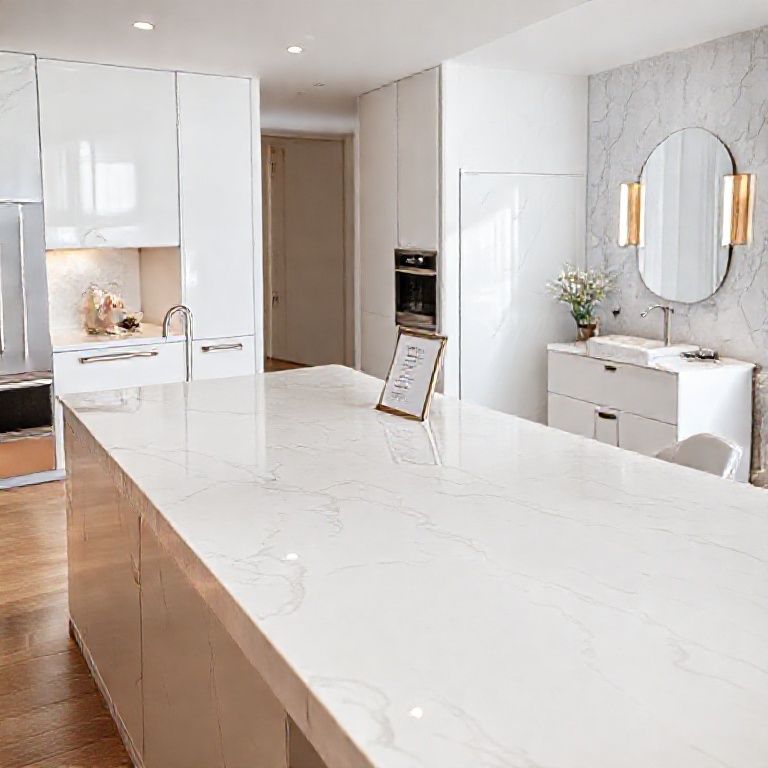
Cost-Effective: Artificial marble is generally more affordable than natural marble, making it an attractive option for various applications. Durability: Although it can mimic the appearance of natural marble, artificial marble often offers superior durability and resistance to scratches, stains, and chips. Customization: The ability to create a wide range of colors and patterns allows for extensive customization, catering to diverse design preferences. Maintenance: Artificial marble requires less maintenance compared to natural marble, which often needs regular sealing to prevent staining.
Disadvantages of Artificial Marble:
Environmental Impact: The production process of artificial marble can have a higher environmental impact compared to natural marble mining. Heat Resistance: Artificial marble may not perform as well as natural marble in high-heat environments, such as commercial kitchens.
Applications of Artificial Marble
Artificial marble finds applications in various industries due to its versatility and cost-effectiveness. Some of the most common uses include:
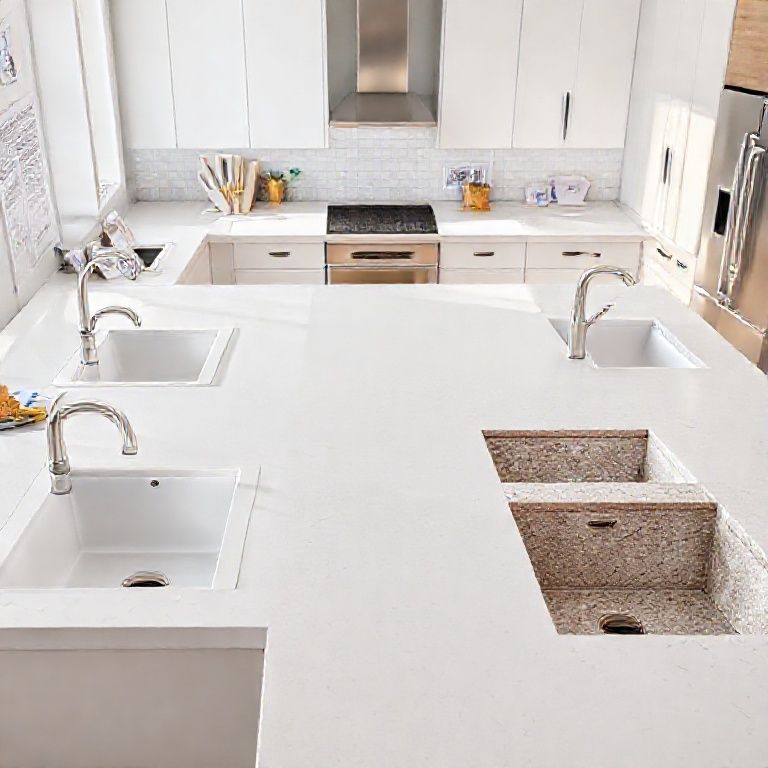
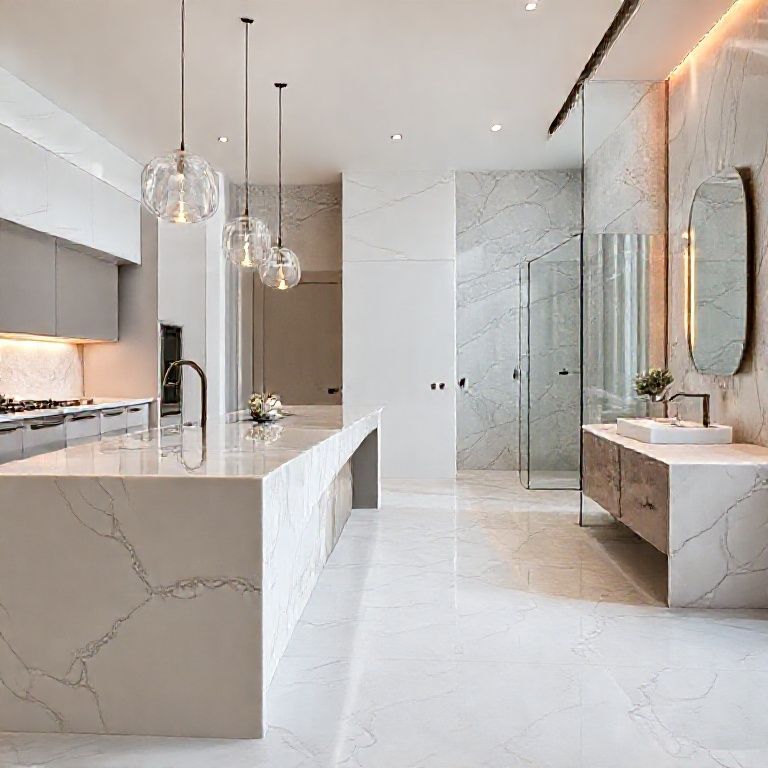
Interior Design: Widely used in countertops, backsplashes, and tabletops in homes and commercial spaces. Commercial Kitchens: Ideal for areas requiring high durability and resistance to spills and stains. Public Spaces: Frequently used in public buildings, such as airports, hospitals, and government offices, where aesthetics and durability are paramount. Furniture: Utilized in the creation of furniture pieces, such as dining tables and bar stools, offering a luxurious appearance at a lower cost.
Conclusion of Part 1
Understanding the composition and pricing factors of artificial marble is crucial for making informed decisions about its use in various applications. While it may cost less than natural marble, artificial marble offers numerous benefits in terms of durability, customization, and ease of maintenance. In the next part, we will delve deeper into the cost comparisons, real-world examples, and long-term value of artificial marble.
Cost Comparisons, Real-World Examples, and Long-Term Value
In this second part, we’ll continue our exploration of artificial marble by comparing its costs to natural marble, examining real-world examples of its use, and discussing its long-term value and benefits.
Cost Comparisons: Artificial vs. Natural Marble
When comparing the cost of artificial marble to natural marble, several factors come into play. Here’s a detailed breakdown:
Initial Cost: Artificial Marble: Typically ranges from $20 to $40 per square meter, depending on quality, design, and location. Natural Marble: Prices vary significantly based on the type of marble and its rarity. Common varieties like Carrara marble can cost between $100 to $300 per square meter, while exotic marbles can exceed $500 per square meter. Installation Costs: Artificial Marble: Generally lower installation costs due to its lightweight and ease of handling. Natural Marble: Often requires specialized installers due to its weight and the need for precise cutting and fitting. Maintenance Costs: Artificial Marble: Minimal maintenance costs as it doesn’t require sealing or regular cleaning. Natural Marble: Higher maintenance costs due to the need for regular sealing, cleaning, and potential repairs. Durability: Artificial Marble: Offers excellent durability, with some grades rivaling or even surpassing natural marble in resistance to scratches and stains. Natural Marble: While beautiful, natural marble is more prone to staining, etching, and chipping, which can lead to higher long-term maintenance costs.
Real-World Examples
Let’s explore some real-world examples where artificial marble has been used successfully:
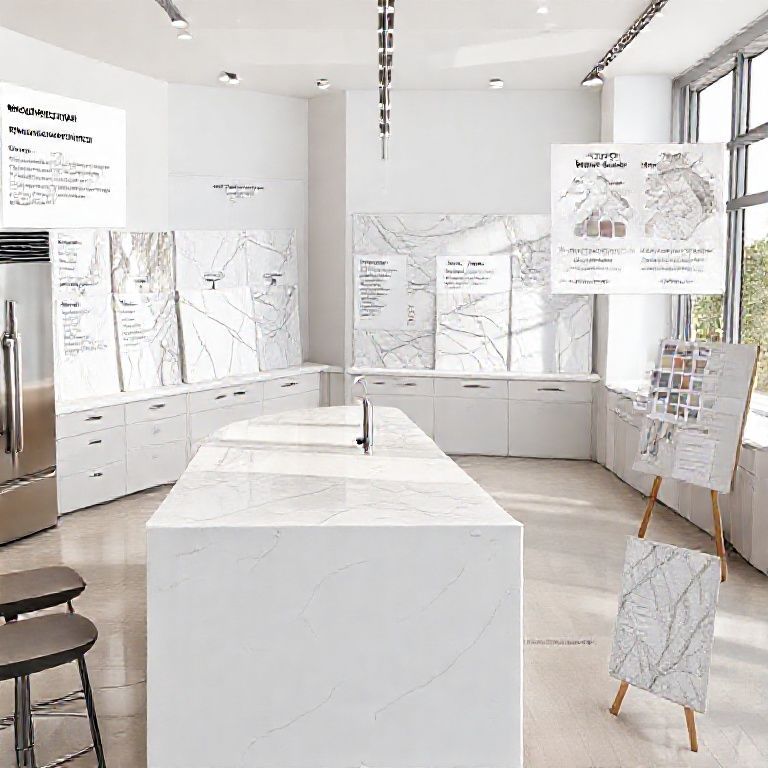
Residential Homes: Example: A modern kitchen in a high-end residential home features artificial marble countertops. The design includes intricate patterns and vibrant colors that mimic high-end natural marble, all at a fraction of the cost. Benefit: The homeowner enjoys a luxurious kitchen without the high maintenance and cost associated with natural marble. Commercial Spaces: Example: A high-traffic commercial kitchen in a restaurant uses artificial marble for countertops and backsplashes. The material’s durability ensures it withstands frequent use and cleaning, while its cost-effectiveness makes it a practical choice. Benefit: The restaurant maintains a professional and aesthetically pleasing environment without the high costs and maintenance issues of natural marble. Public Buildings: Example: An airport’s main terminal features artificial marble flooring in high-traffic areas. The material’s durability and resistance to spills make it ideal for such environments. Benefit: The airport can maintain a clean and professional appearance with minimal maintenance costs.
Long-Term Value and Benefits
Artificial marble offers substantial long-term value and benefits that make it an attractive choice for many projects:
Cost Savings: Initial Investment: Artificial marble’s lower initial cost means less upfront expense, making it accessible for a wide range of budgets. Maintenance: The minimal maintenance required for artificial marble translates to significant long-term savings. Durability: Resistance: Artificial marble’s enhanced resistance to scratches, stains, and chips ensures a longer lifespan compared to natural marble, reducing the need for frequent replacements. Customization: Design Flexibility: The ability to create a wide range of colors, patterns, and textures allows for highly customized designs that can match any aesthetic vision. Environmental Impact: Sustainability: While the production of artificial marble has a higher environmental impact compared to natural marble mining, advancements in manufacturing processes are continually reducing this effect. Additionally, the longer lifespan of artificial marble can offset its environmental footprint over time.
Conclusion of Part 2
The cost comparison between artificial and natural marble highlights the significant advantages of artificial marble in terms of initial cost, maintenance, and durability. Real-world examples demonstrate its successful application in various settings, from residential homes to commercial spaces and public buildings. The long-term value of artificial marble lies in its cost savings, durability, design flexibility, and potential environmental benefits.
In conclusion, when considering “How much does artificial marble cost per square meter?” it’s clear that while the initial cost may be lower than natural marble, the overall value and benefits make artificial marble an excellent choice for many projects. By understanding the factors influencing its cost and the advantages it offers, you can make informed decisions that enhance both the aesthetics and functionality of your space.