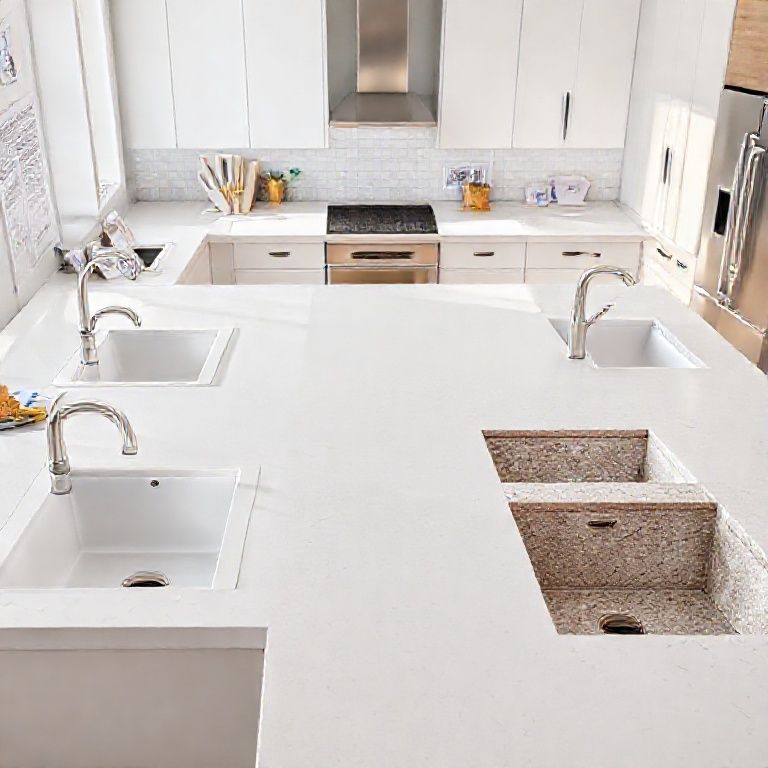
The Cost-Effective Choice: Is Artificial Marble Cheaper Than Natural Marble?
In the realm of home renovation and interior design, marble is often considered a luxurious and timeless choice for countertops, flooring, and decorative elements. However, the decision between artificial marble and natural marble can hinge significantly on budget and design preferences. This article delves into whether artificial marble is a more affordable option compared to its natural counterpart.
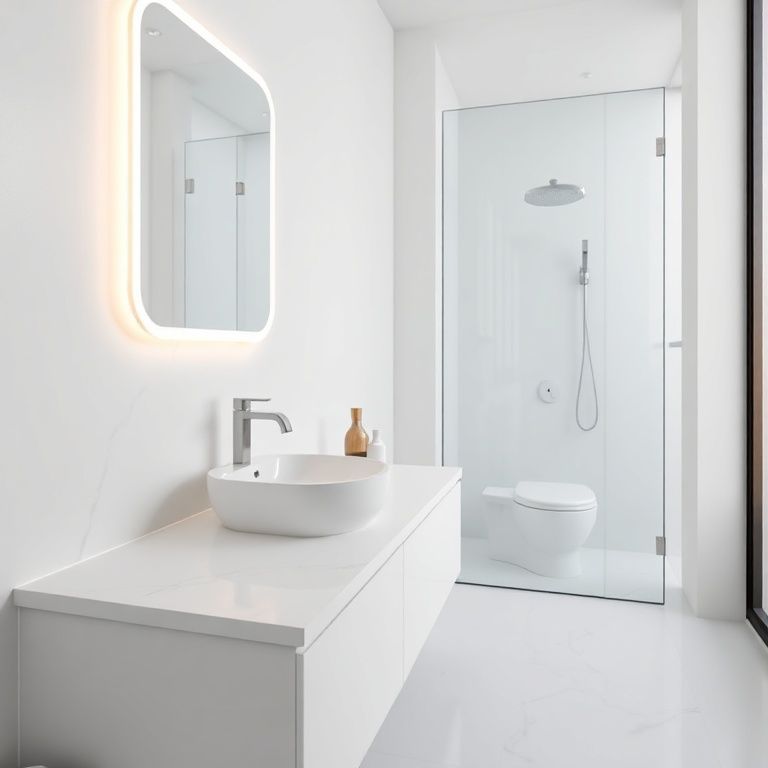
Understanding Artificial Marble
Artificial marble, also known as cultured marble or quartz, is a composite material crafted from a combination of resin, pigments, and other natural materials such as calcite, silica, and marble dust. The process involves pouring the mixture into molds and allowing it to cure, resulting in a material that mimics the appearance of natural marble.
Cost Factors of Artificial Marble
Manufacturing Costs: Artificial marble is generally more affordable due to lower manufacturing costs. The production process is less labor-intensive and can be easily scaled to meet high demand. This efficiency translates into lower prices for consumers.
Material Composition: The use of resin and other materials means artificial marble is less expensive than the extraction and processing costs associated with natural marble.
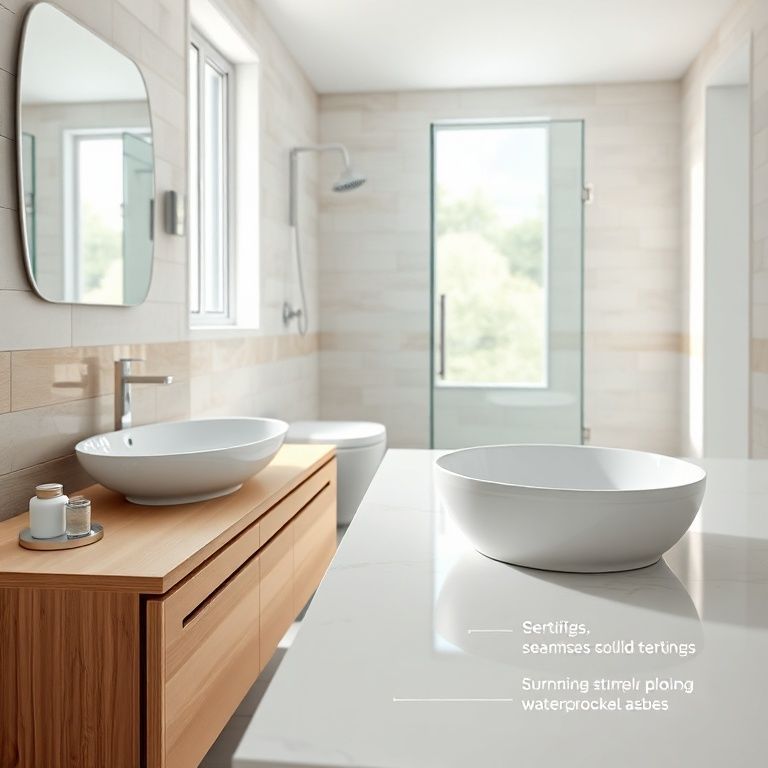
Market Prices: On average, artificial marble ranges from $20 to $50 per square foot, depending on the quality and design. This price range makes it a popular choice for budget-conscious homeowners and designers.
Understanding Natural Marble
Natural marble is a metamorphic rock formed from the transformation of limestone under high pressure and temperature. It boasts a unique and beautiful pattern that varies with each slab, offering a sense of authenticity and luxury.
Cost Factors of Natural Marble
Extraction and Processing: The primary expense in natural marble is the cost of mining and transporting the raw material. Once extracted, it undergoes further processing to achieve the desired finish, adding to the overall cost.
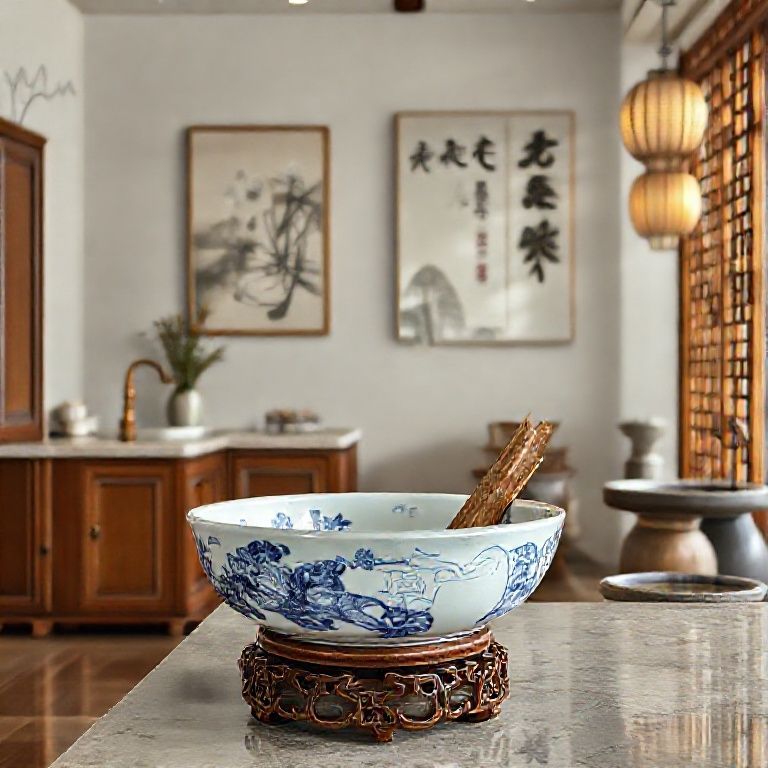
Variability in Pricing: Natural marble prices can vary significantly depending on the type, quality, and origin. High-end varieties like Carrara marble can cost anywhere from $100 to $300 per square foot, while more common types may range from $40 to $80 per square foot.
Rarity and Demand: Limited availability and high demand for certain types of natural marble drive up the prices. This scarcity is due to the finite nature of the resource and the labor-intensive process required to extract and refine it.
Durability and Maintenance
While cost is a crucial factor, durability and maintenance also play significant roles in the choice between artificial and natural marble.
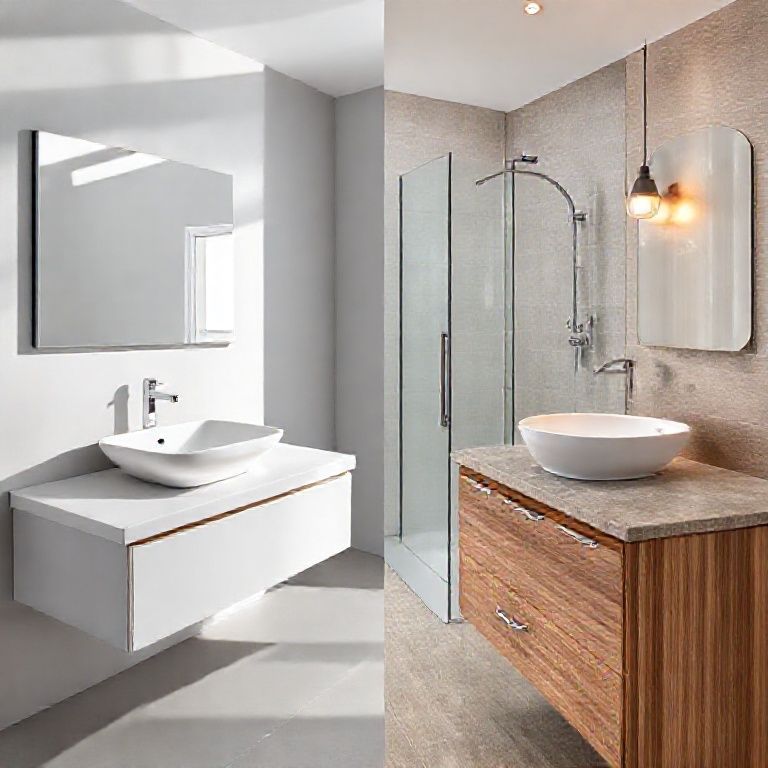
Durability of Artificial Marble
Artificial marble is known for its durability and resistance to staining and scratching. The resin-based composition provides a smooth, solid surface that maintains its appearance over time. It is also resistant to thermal shock, making it suitable for areas with high heat exposure.
Maintenance of Artificial Marble
Artificial marble requires minimal maintenance. Cleaning involves simple wiping with a damp cloth and mild soap. It’s also resistant to acidic spills, which makes it ideal for kitchens and other high-traffic areas.
Durability of Natural Marble
Natural marble, while aesthetically stunning, is softer and more prone to staining and scratching compared to artificial marble. It requires regular sealing to protect its surface and maintain its appearance. Despite these challenges, natural marble offers a timeless elegance that many find irresistible.
Maintenance of Natural Marble
Maintaining natural marble involves more effort. Regular sealing and careful cleaning with pH-neutral products are necessary to prevent stains and damage. Acidic substances should be avoided, as they can etch the surface, leading to long-term deterioration.
Aesthetic Appeal
Both artificial and natural marble offer unique aesthetic qualities that can complement various design styles.
Aesthetic Appeal of Artificial Marble
Artificial marble can be engineered to mimic the appearance of natural marble closely, with a wide range of colors and patterns. Its consistency and uniformity make it ideal for large-scale projects where a uniform look is desired.
Aesthetic Appeal of Natural Marble
Natural marble’s appeal lies in its unique, one-of-a-kind patterns and textures. Each slab has its own character, providing a bespoke touch that can add a sense of luxury and authenticity to a space.
Environmental Impact
The production and extraction of materials also have environmental implications, which should be considered in the decision-making process.
Environmental Impact of Artificial Marble
The manufacturing process for artificial marble, while less expensive, involves the use of synthetic materials and resins. The production of these materials can have environmental impacts related to chemical waste and energy consumption. However, advancements in technology are continually improving the sustainability of these processes.
Environmental Impact of Natural Marble
Extracting natural marble involves significant environmental impacts, including habitat disruption and the use of heavy machinery that can cause soil erosion and other ecological damage. Additionally, the transportation of natural marble from its source to the end-user adds to its carbon footprint.
Conclusion
When deciding between artificial and natural marble, it’s essential to weigh cost, durability, maintenance, aesthetic appeal, and environmental impact. Artificial marble offers a cost-effective, durable, and low-maintenance alternative that can closely mimic the beauty of natural marble. On the other hand, natural marble provides a unique, authentic aesthetic that many find irreplaceable, albeit at a higher cost and with more maintenance requirements.
The choice between artificial and natural marble ultimately depends on your budget, design vision, and personal preferences. By understanding the differences and benefits of each, you can make an informed decision that enhances the beauty and functionality of your space.
The Cost-Effective Choice: Is Artificial Marble Cheaper Than Natural Marble?
In the continuing discussion about the cost-effectiveness of artificial versus natural marble, it’s essential to delve deeper into the long-term financial implications, performance, and environmental considerations that accompany each material. This exploration will help you make a well-rounded decision that aligns with both your budget and your design aspirations.
Long-Term Financial Implications
Artificial Marble
Initial Investment vs. Longevity: While artificial marble has a lower initial cost, its longevity and resistance to wear and tear often make it a more economical choice in the long run. The durability of artificial marble means fewer repairs and replacements, which can translate into significant savings over time.
Warranty and Guarantees: Many manufacturers offer warranties for artificial marble products, often ranging from 10 to 20 years. This provides assurance that the material will maintain its appearance and integrity over the long term, adding to its value proposition.
Natural Marble
Initial Costs and Hidden Expenses: The higher initial cost of natural marble is often accompanied by hidden expenses related to maintenance, such as regular sealing and the use of specialized cleaning products. Over time, these ongoing costs can add up, making natural marble less economical despite its premium upfront price.
Depreciation and Value Retention: While natural marble retains its aesthetic value over time, its susceptibility to damage can lead to depreciation in value if not properly maintained. The need for frequent professional cleaning and sealing can be both costly and inconvenient.
Performance and Durability
Artificial Marble
Resistance to Stains and Scratches: Artificial marble’s resin-based composition provides excellent resistance to stains, scratches, and thermal shock. This makes it a practical choice for high-traffic areas where durability is crucial.
Consistency and Uniformity: The manufacturing process allows for consistent and uniform appearance across large installations. This ensures that the marble’s look is maintained without the variability that can come with natural marble.
Natural Marble
Aesthetic Uniqueness: The unique patterns and textures of natural marble offer an unparalleled aesthetic that can elevate the design of any space. However, this uniqueness comes with the drawback of being more prone to staining, scratching, and damage.
Maintenance Challenges: The natural nature of marble means it requires regular sealing to protect against stains and etching from acidic substances. This need for maintenance can be both time-consuming and costly, impacting its long-term durability and value.
Environmental Considerations
Artificial Marble
Production Impact: The production of artificial marble involves synthetic materials and resins, which can have environmental impacts related to chemical waste and energy consumption. However, advancements in manufacturing technology are continually improving the sustainability of these processes.
End-of-Life Management: Artificial marble can be recycled, although the recycling process is not as widespread as it is for other materials. Proper disposal and recycling options should be considered when making long-term plans for your home.
Natural Marble
Extraction and Habitat Disruption: The extraction of natural marble involves significant environmental impacts, including habitat disruption, soil erosion, and the use of heavy machinery. This process can have lasting negative effects on local ecosystems.
Transportation Emissions: The transportation of natural marble from its source to the end-user adds to its carbon footprint. The distance traveled and the mode of transportation used can significantly impact its environmental sustainability.
Aesthetic and Design Flexibility
Artificial Marble
设计灵活性
人造大理石
多样化的颜色和图案:由于人造大理石是通过混合各种材料制成的,设计师可以创造出几乎任何颜色和图案。无论是经典的白色,还是复杂的花纹,人造大理石都能提供灵活的选择。
大型单块制作:人造大理石可以制成非常大的单块,这为设计师提供了更多的创作空间,无需拼接多个小块。这种大块设计更适合大面积的装饰,比如墙面和地板。
天然大理石
独特的自然纹理:天然大理石的最大魅力在于其独特的自然纹理和颜色。每一块天然大理石都是独一无二的,这种独特性使其在高端设计中非常受欢迎。
传统美学:由于其自然的外观,天然大理石常被用于传统和经典的建筑设计中,以传递一种永恒的优雅感。
美学吸引力
人造大理石
现代感:人造大理石通常给人一种现代、时尚的感觉。其一致性和多样性使其适合各种现代设计风格,从简约到奢华都有应对。
高效的可加工性:由于其柔性和可加工性,人造大理石可以被切割、雕刻和打磨成各种形状和尺寸,这对于创新设计来说是极大的优势。
天然大理石
高端与奢华感:天然大理石通常被视为高端材料,能够增加空间的奢华感。其自然的美感和独特性使其成为高端建筑和室内设计中的首选。
历史与文化价值:天然大理石在历史上常被用于重要建筑和雕塑,因此它承载着丰富的文化和历史价值,这种价值在现代设计中也非常受重视。
总结
在选择人造大理石还是天然大理石时,需要综合考虑成本、耐用性、设计灵活性和美学吸引力等因素。人造大理石因其经济实惠、耐用性高和设计灵活性强,适合于需要大规模装饰和现代设计风格的项目。而天然大理石则因其独特的自然美感和高端感,适合那些追求独特性和经典美学价值的项目。
无论选择哪一种,最终的决定都应根据具体的项目需求和个人喜好来做出。