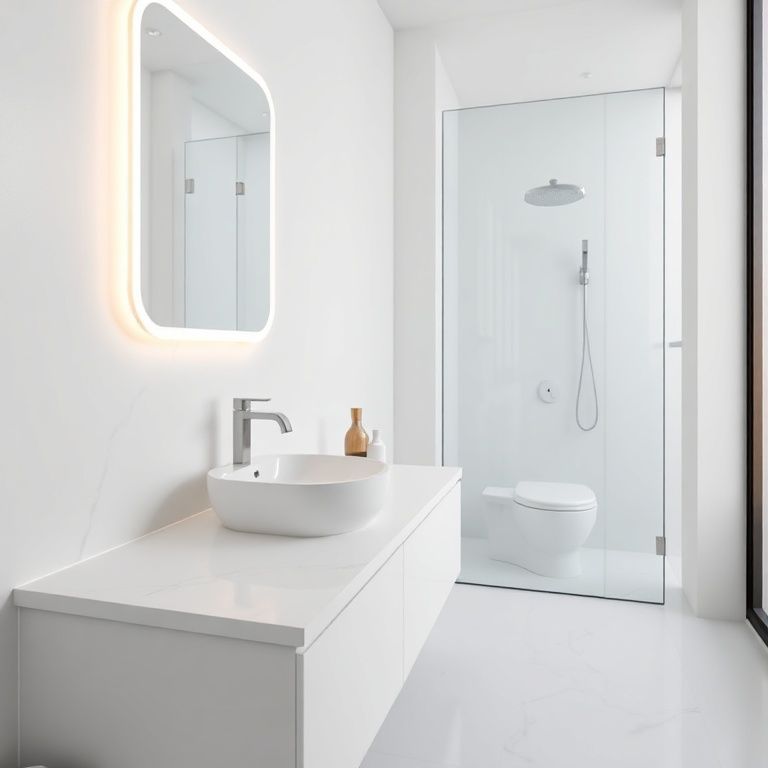
Introduction to Artificial Marble
In the realm of modern interior design, artificial marble stands as a testament to innovation, blending the timeless beauty of natural stone with the unparalleled durability of synthetic materials. This revolutionary material has revolutionized the way we think about countertops, flooring, and decorative surfaces in homes and commercial spaces alike. But how exactly is artificial marble made? Let us embark on an enlightening journey through the fascinating world of material science and craftsmanship that brings this stunning creation to life.
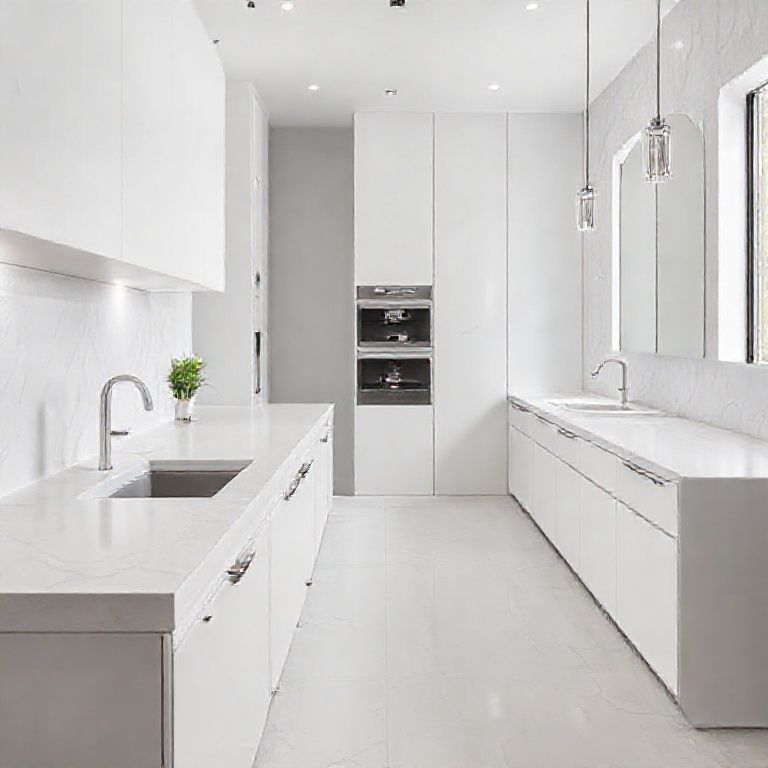
The Raw Materials: The Foundation of Artificial Marble
The journey of artificial marble begins with the selection of high-quality raw materials. The primary component is usually a mixture of fine-grade quartz, resins, and pigments. Quartz, a naturally abundant mineral known for its exceptional hardness and resistance to scratching, forms the backbone of this synthetic stone. Resins, typically made from polyester or epoxy, act as the binding agent that holds the quartz particles together, creating a solid and cohesive structure.
The Pigmentation Process: Crafting Color and Texture
One of the most intriguing aspects of artificial marble production is the pigmentation process. To mimic the natural beauty and diversity of marble, manufacturers use a variety of pigments and dyes. These pigments are carefully mixed with the quartz and resin to create a rich and vibrant color that mirrors the intricate patterns found in natural stone. This process involves meticulous blending and testing to ensure the final product has the desired aesthetic appeal and consistency.
Molding and Curing: Shaping the Artificial Marble
Once the raw materials are thoroughly mixed, the next step is to shape them into the desired forms. This is typically done using advanced molding techniques. The mixture is poured into molds that replicate the desired shapes, such as countertops, tiles, or decorative elements. The molds are then placed in a curing chamber, where the material undergoes a series of controlled heat and pressure treatments. This process, known as curing, solidifies the material and enhances its strength and durability.
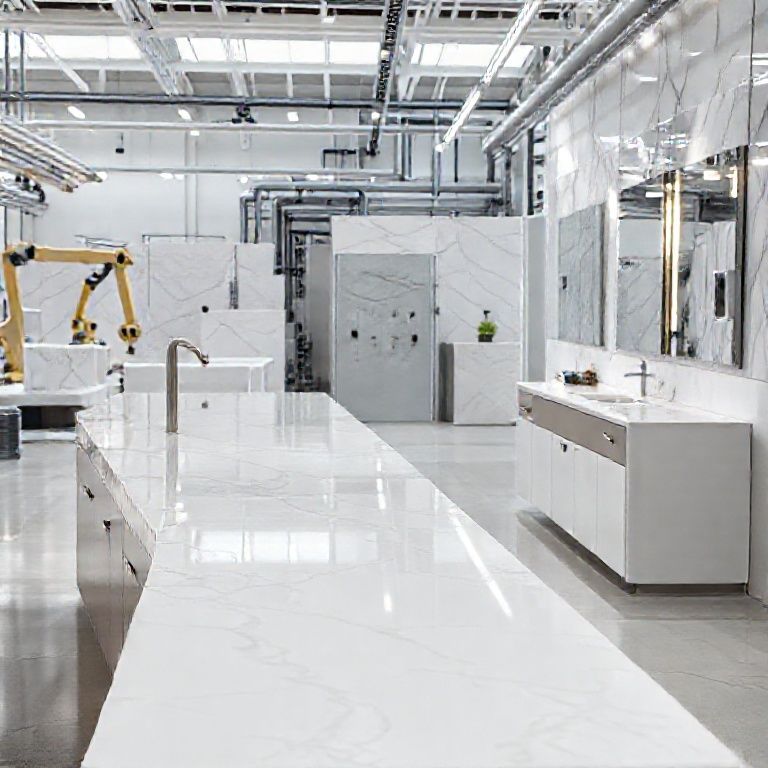
Polishing and Finishing: Achieving the Final Look
The curing process is followed by a series of precision polishing and finishing steps. The raw, solidified blocks are carefully cut and shaped to the exact dimensions required for various applications. Each piece undergoes a meticulous polishing process to achieve a smooth, glossy surface that showcases the intricate beauty of the artificial marble. This involves using a series of abrasive materials and polishing compounds to gradually refine the surface to its final shine and texture.
The Benefits of Artificial Marble
Artificial marble offers numerous advantages over natural stone. Its durability, resistance to stains and scratches, and ability to withstand high temperatures make it an excellent choice for high-traffic areas like kitchens and bathrooms. Additionally, artificial marble is easy to clean and maintain, requiring only a simple wipe with a damp cloth to keep it looking pristine.
Conclusion to Part 1
In this first part of our exploration, we have delved into the foundational aspects of artificial marble production, from the selection of raw materials to the intricate molding and curing processes. The next part will continue our journey by uncovering the advanced technology and innovative techniques that further enhance the quality and versatility of artificial marble. Stay tuned as we continue to unveil the fascinating science and craftsmanship behind this remarkable material.
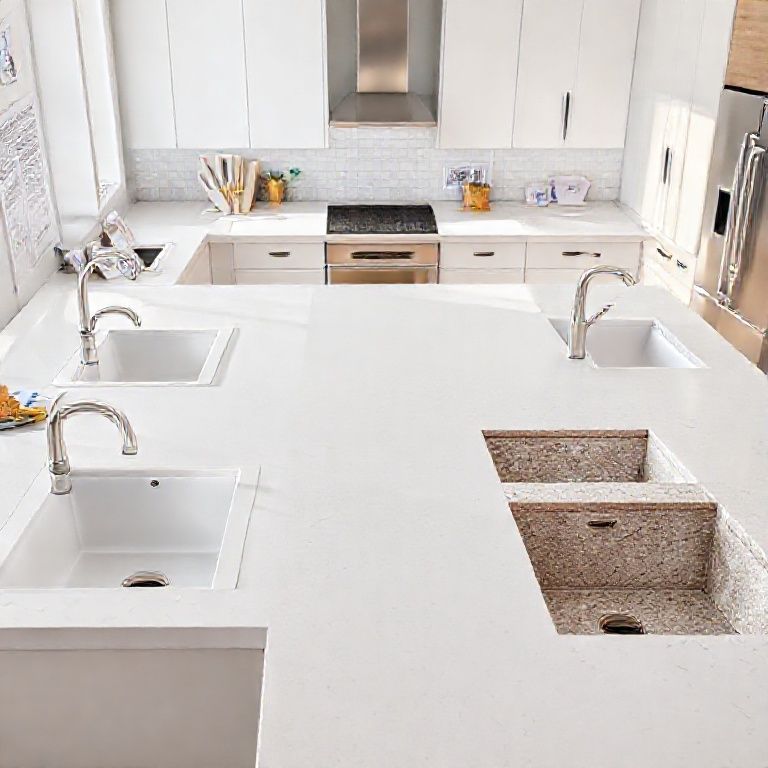
Advanced Technology and Innovation in Artificial Marble Production
As we continue our exploration into the world of artificial marble, it’s crucial to highlight the cutting-edge technology and innovative processes that elevate this material to new heights of quality and versatility. From precision engineering to advanced finishing techniques, the production of artificial marble is a marvel of modern material science.
Precision Engineering: Crafting Perfect Shapes and Sizes
The production of artificial marble heavily relies on precision engineering to ensure that each piece meets exacting standards of quality and accuracy. Advanced machinery and computer-aided design (CAD) software are employed to create molds and cut the material with exceptional precision. This level of accuracy ensures that each piece of artificial marble fits perfectly into any space, whether it’s a kitchen countertop, a bathroom sink, or a decorative feature in a high-end interior design project.
Nanotechnology: Enhancing Strength and Durability
One of the most exciting advancements in artificial marble production is the integration of nanotechnology. By incorporating nanoparticles into the resin and pigment mixture, manufacturers can significantly enhance the strength, durability, and resistance of the material. These tiny particles create a more robust and cohesive structure, making artificial marble even more resilient to scratches, stains, and thermal damage.
Eco-Friendly Production: Sustainable Practices
In an era where sustainability is paramount, the production of artificial marble has also evolved to incorporate eco-friendly practices. Manufacturers are increasingly using recycled materials and reducing waste during the manufacturing process. Additionally, the use of low-VOC (volatile organic compounds) resins and pigments minimizes the environmental impact, ensuring that this beautiful material can be enjoyed without compromising ecological balance.
Advanced Finishing Techniques: Polishing to Perfection
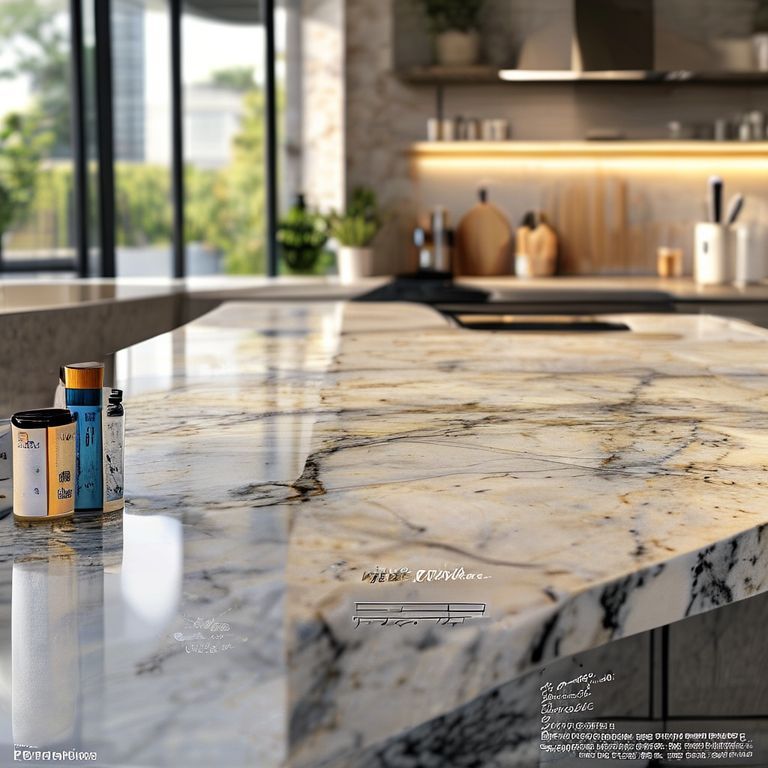
The finishing process of artificial marble is a critical stage that determines its final appearance and texture. Modern finishing techniques involve the use of high-precision polishing machines equipped with advanced abrasive materials. These machines can achieve a range of finishes, from a high-gloss mirror finish to a softer, more matte texture, depending on the desired aesthetic. The precision of these machines ensures that each piece of artificial marble is polished to perfection, highlighting its intricate patterns and vibrant colors.
Customization and Versatility: Tailoring to Your Needs
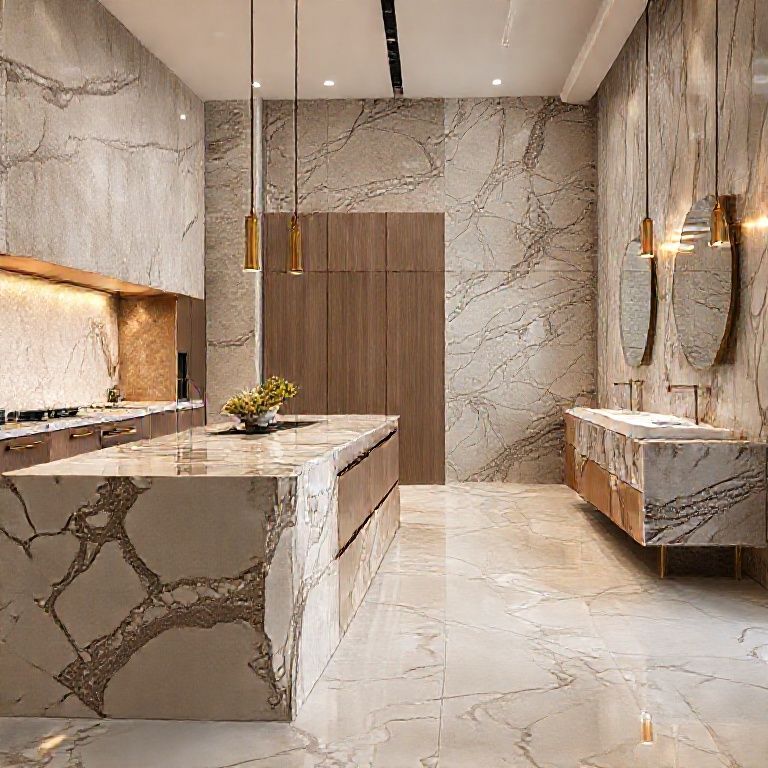
One of the most remarkable aspects of artificial marble is its versatility and the ability to customize it to meet specific design requirements. Manufacturers can create bespoke pieces that mimic the appearance of various natural stones, including granite, limestone, and even exotic marbles. This flexibility allows designers and homeowners to choose the exact look and feel they desire, from the classic elegance of traditional marble to the unique patterns of bespoke creations.
The Role of Quality Control: Ensuring Excellence
Maintaining high standards of quality is paramount in the production of artificial marble. Rigorous quality control processes are in place to ensure that each piece meets stringent criteria for strength, durability, and aesthetic appeal. Samples are tested throughout the production process, and any deviations are promptly addressed to maintain the highest level of excellence.
Applications and Trends in Interior Design
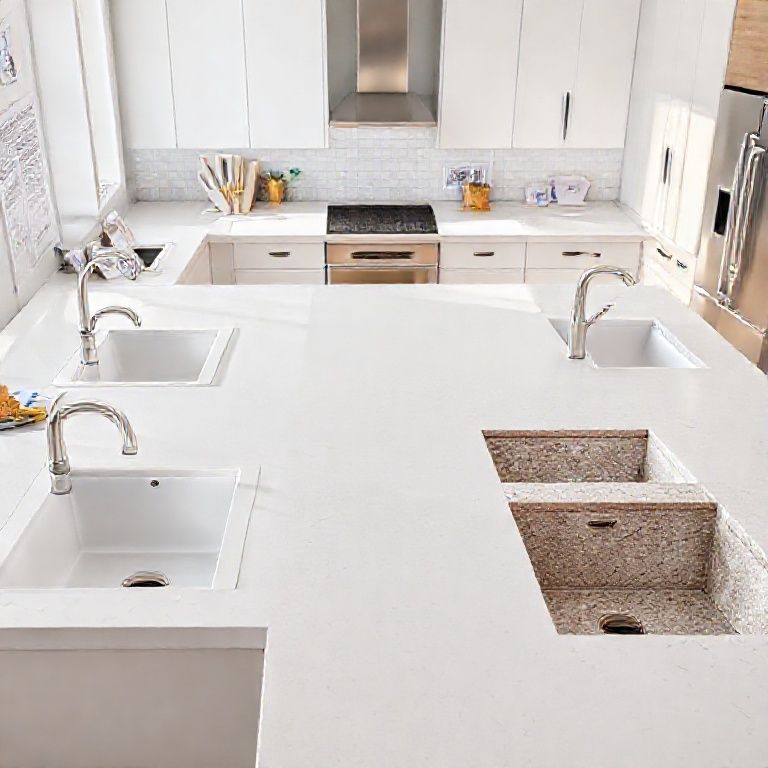
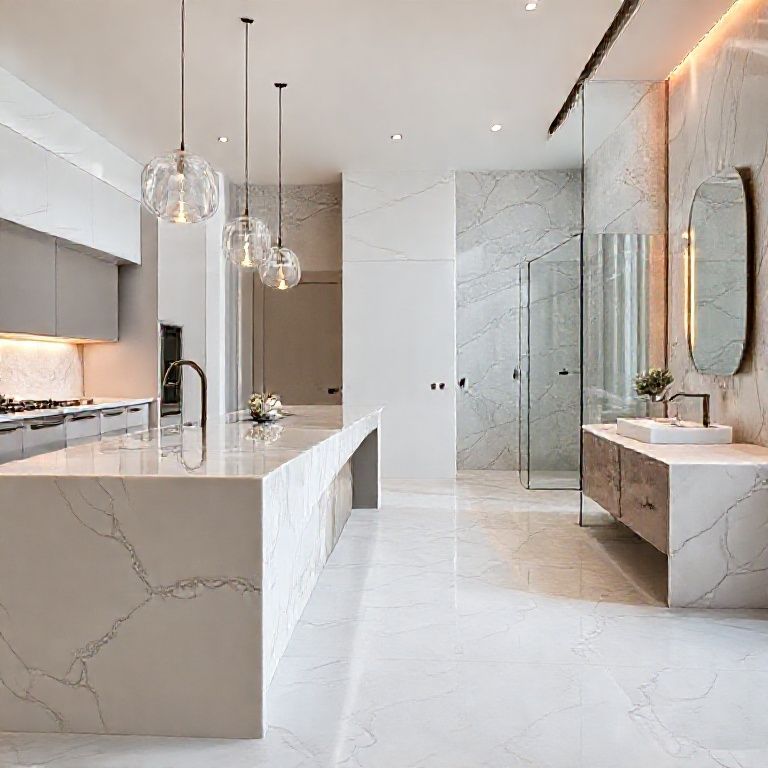
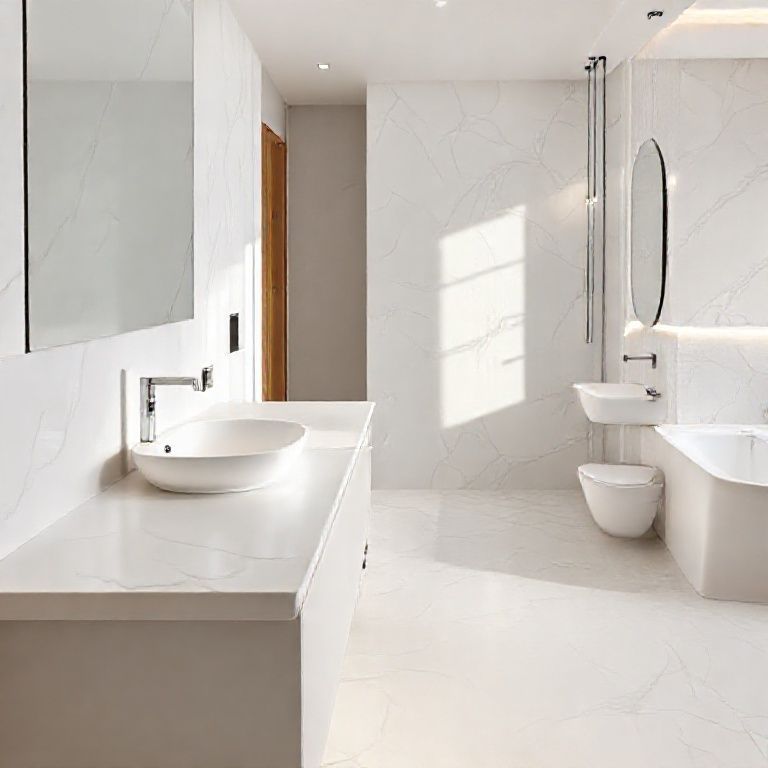
The applications of artificial marble are vast and continually expanding. In interior design, it is commonly used for countertops, backsplashes, sinks, vanities, and decorative elements. Its versatility makes it an ideal choice for both residential and commercial spaces, where it can add a touch of luxury and sophistication. Trends in interior design are increasingly favoring the use of artificial marble due to its stunning beauty and practical benefits, making it a popular choice among designers and homeowners alike.
Conclusion to Part 2
In the second part of our exploration, we have uncovered the advanced technology and innovative techniques that elevate artificial marble to new heights of quality and versatility. From precision engineering and nanotechnology to eco-friendly practices and cutting-edge finishing methods, the production of artificial marble is a testament to modern material science and craftsmanship. As we conclude, it’s clear that artificial marble is not just a material but a remarkable fusion of art and science, offering endless possibilities for interior design and home renovation.
Final Thoughts
The journey of artificial marble from raw materials to finished product is a fascinating blend of science, technology, and artistry. It’s a testament to human ingenuity and our ability to create materials that not only mirror the beauty of nature but also surpass it in durability and versatility. As we continue to push the boundaries of material science, artificial marble will undoubtedly remain a beloved choice for those seeking the perfect blend of beauty and functionality in their interior design projects.