Part 1
The Origins and Composition of Engineered Marble vs. Natural Marble
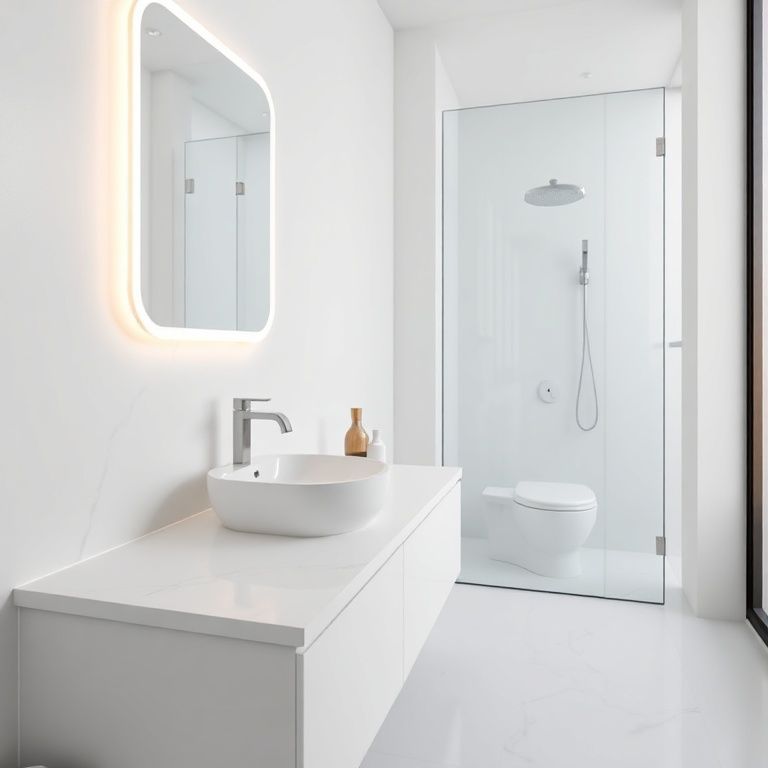
When it comes to selecting materials for countertops, flooring, and other interior design elements, marble often stands out for its elegance and timeless appeal. However, the market offers two primary types of marble: engineered marble and natural marble. Understanding the origins and composition of these two materials is crucial for discerning buyers and professionals alike.
Engineered Marble: A Modern Creation
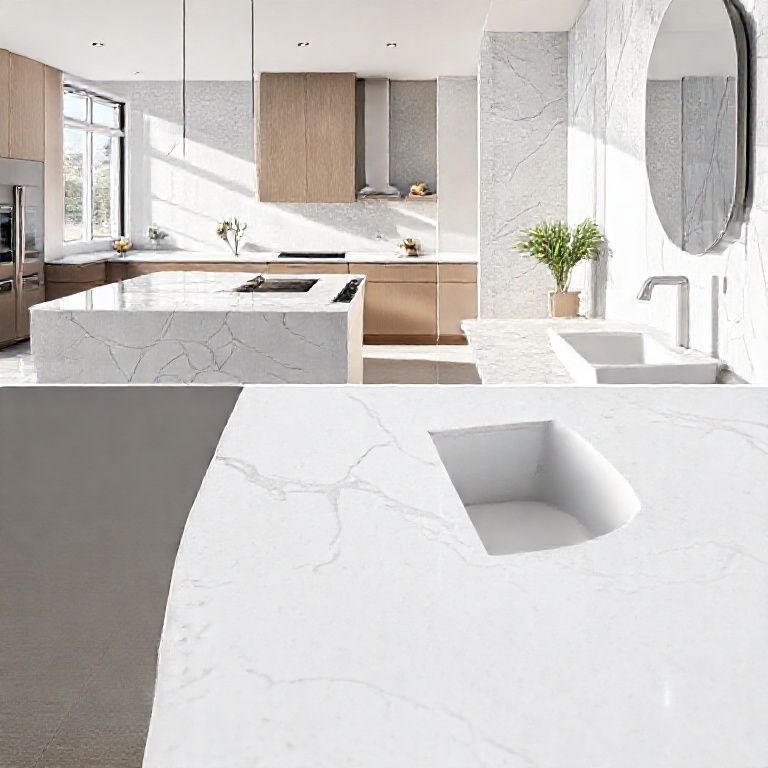
Engineered marble, also known as synthetic or composite marble, is a relatively modern innovation in the world of stone materials. It is created by combining natural stone, usually calcite, with resins and other binding agents. This process involves layering the stone and resins, followed by compressing and heating them to form a solid surface. The final product is a homogeneous slab that mimics the appearance of natural marble but with superior uniformity and consistency.
The primary advantage of engineered marble is its consistent quality. Since it is manufactured under controlled conditions, every slab is uniform in color, texture, and thickness, eliminating the natural variations found in natural marble. This makes engineered marble an ideal choice for large-scale projects where uniformity is essential.
Natural Marble: A Timeless Tradition
In contrast, natural marble is a true geological wonder. It forms deep within the Earth over millions of years through the process of metamorphism, where limestone is subjected to intense heat and pressure. This process creates the intricate patterns and rich colors that define natural marble.
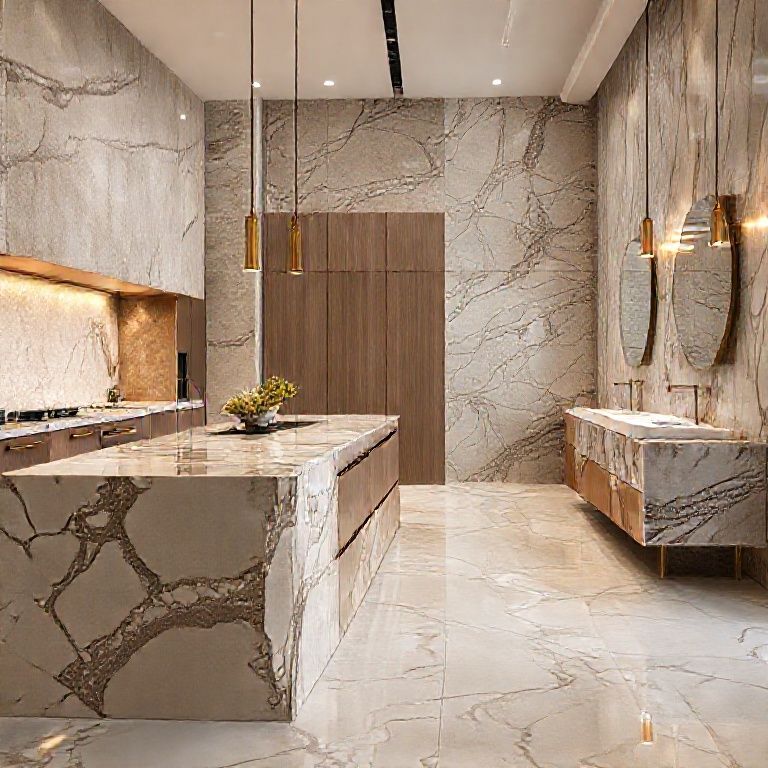
Natural marble’s appeal lies in its unique and often one-of-a-kind characteristics. Each slab is distinct, with variations in color, veining, and texture that contribute to its aesthetic value. This uniqueness makes natural marble a popular choice for high-end interiors and architectural elements where individuality and authenticity are prized.
Comparing Durability: Engineered vs. Natural Marble
When considering durability, both engineered and natural marble have their strengths and weaknesses. Durability refers to the material’s ability to withstand wear, impact, and environmental factors over time.
Engineered Marble: The Durability Advantage
One of the standout features of engineered marble is its durability. Because it is a homogeneous material, engineered marble is more resistant to scratches, chips, and stains than natural marble. The resins used in its creation provide a harder surface that can better resist the daily wear and tear of household use. Additionally, engineered marble slabs are typically uniform in thickness, which means they have fewer weak spots that could lead to breakage.
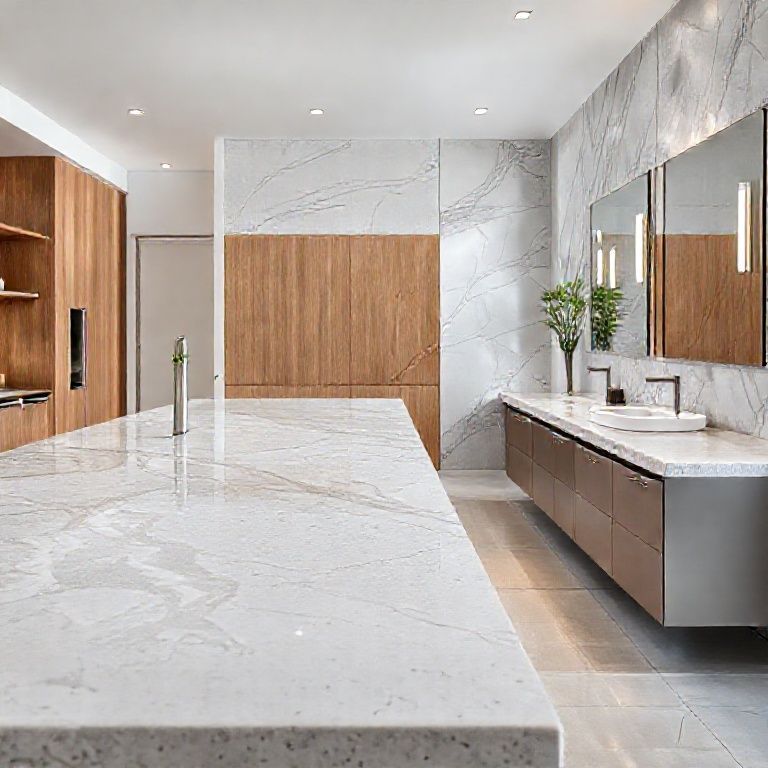
However, the durability of engineered marble can vary depending on the quality of the resins and the manufacturing process. High-quality engineered marble can last for many years with proper maintenance.
Natural Marble: The Flawed Perfection
Natural marble, while beautiful, is more prone to scratches, chips, and stains due to its natural composition. The veins and patterns in natural marble can sometimes create weak spots that are more susceptible to damage. However, the natural beauty of these imperfections often makes natural marble a preferred choice for those who value authenticity and the unique character that comes with it.
To enhance the durability of natural marble, it often requires sealing or regular maintenance to protect its surface from wear and staining. Despite these needs, many homeowners and designers are willing to make this effort to enjoy the timeless beauty of natural marble.
Maintenance: Engineered Marble vs. Natural Marble
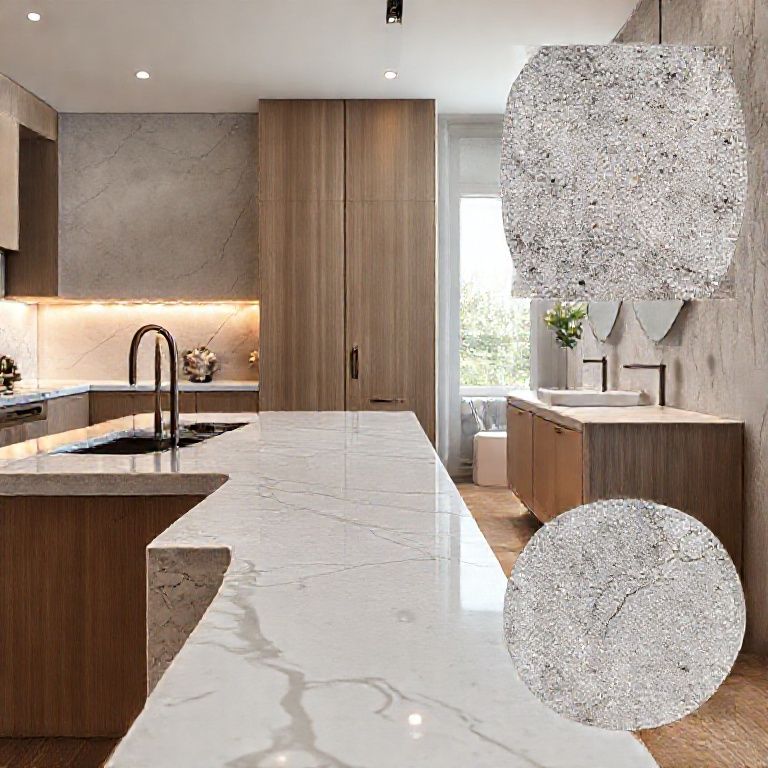
Maintenance is another critical factor when choosing between engineered marble and natural marble. While both types of marble require care to maintain their appearance and longevity, the specifics of their maintenance differ significantly.
Engineered Marble: Low Maintenance
Engineered marble generally requires less maintenance than natural marble. Because it is a solid surface made from stone and resins, it does not absorb liquids or stains easily. A simple wipe-down with a mild detergent and water can usually keep an engineered marble surface looking pristine. However, it is still important to avoid using abrasive cleaners or sharp objects on the surface, as this can scratch the material.
In addition, engineered marble does not require sealing, unlike natural marble. This reduces the need for periodic reapplication of sealants to protect the surface, making it a convenient option for busy households and commercial spaces.
Natural Marble: The Need for Regular Care
Natural marble, with its porous nature, requires more diligent maintenance to keep its beauty intact. To protect its surface from stains and wear, natural marble often needs to be sealed with a high-quality marble sealant. This should be done every 6 to 12 months, depending on the level of traffic and exposure to harsh chemicals. Regular sealing helps to create a barrier that prevents stains and moisture from penetrating the stone.
In addition to sealing, natural marble should be cleaned with a soft cloth and a mild, pH-neutral cleaner to avoid damaging the surface. It is also important to dry the surface promptly after cleaning to prevent water spots and potential damage.
Aesthetic Appeal: Engineered Marble vs. Natural Marble
The aesthetic appeal of marble is one of the primary reasons it is so popular in interior design. Both engineered and natural marble offer unique and attractive qualities, but they cater to different tastes and preferences.
Engineered Marble: The Uniform Beauty
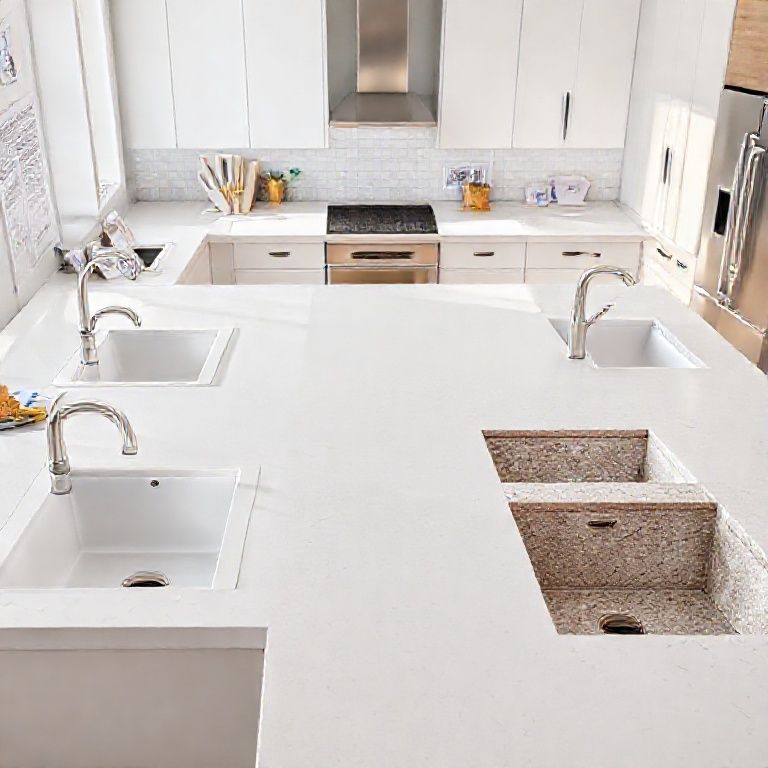
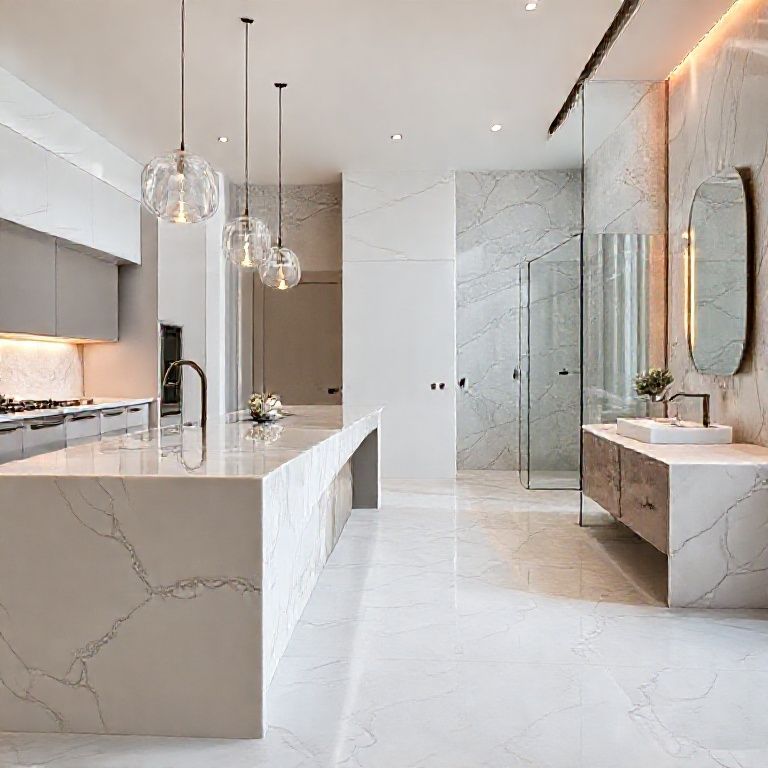
Engineered marble’s most notable aesthetic feature is its uniformity. The consistent color, texture, and thickness across a slab make engineered marble an excellent choice for large projects where a cohesive look is desired. Its appearance can closely mimic natural marble, but without the random variations that come with natural stone.
For designers and homeowners looking for a sleek, modern look, engineered marble offers a variety of colors and patterns that can be customized to fit any design scheme. It is also available in different thicknesses and sizes, providing flexibility for various applications.
Natural Marble: The Unique Charm
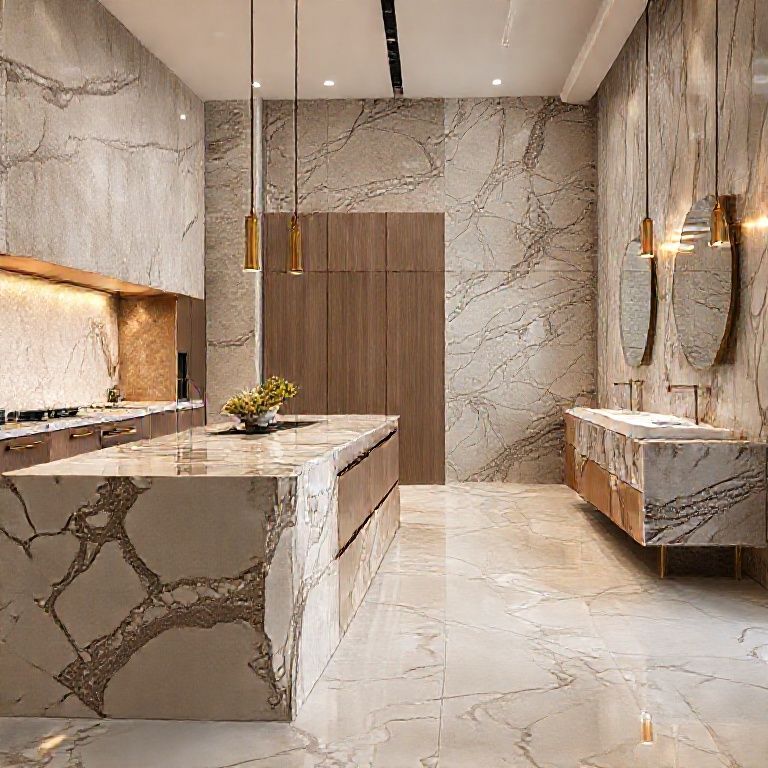
Natural marble’s appeal lies in its uniqueness and individuality. Each slab of natural marble is distinct, with its own unique patterns, colors, and veining. This makes natural marble a popular choice for high-end interiors, where the beauty of a one-of-a-kind piece is prized.
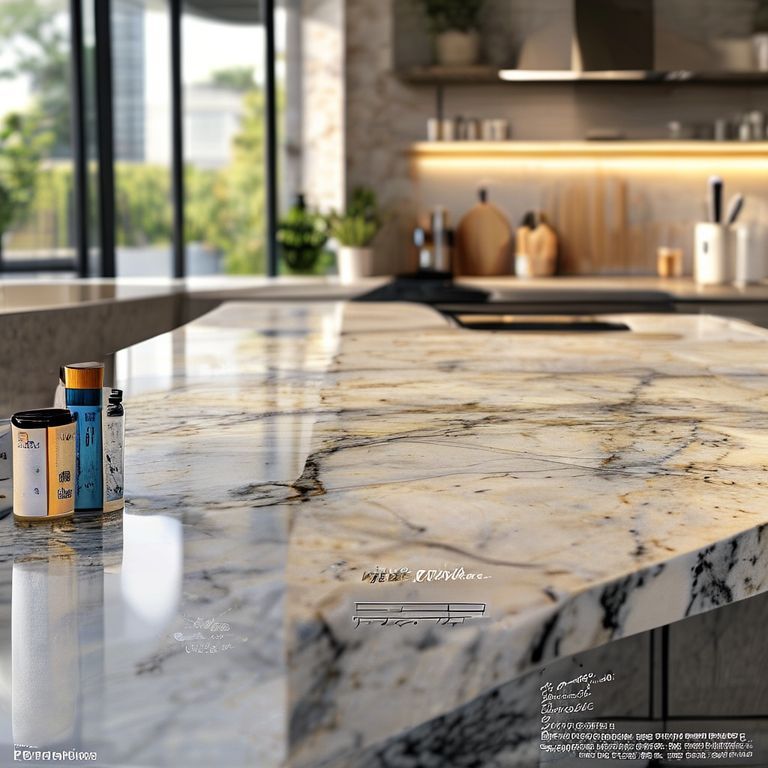
The natural beauty of marble is often highlighted by its warm, earthy tones and intricate veining, which can add a touch of luxury and elegance to any space. The imperfections in natural marble, such as small cracks or variations in color, are often seen as character traits that enhance its aesthetic value.
Cost Considerations: Engineered Marble vs. Natural Marble
When it comes to cost, both engineered and natural marble offer different value propositions. The price of each type of marble can vary widely based on factors such as quality, design, and availability.
Engineered Marble: The Affordable Option
Engineered marble is generally more affordable than natural marble. This is due to the lower cost of raw materials and the efficiency of the manufacturing process. High-quality engineered marble can offer a realistic alternative to natural marble at a fraction of the cost. For those looking for an elegant yet budget-friendly option, engineered marble is a compelling choice.
Natural Marble: The Premium Choice
Natural marble, with its unique and one-of-a-kind characteristics, often comes with a higher price tag. The cost of natural marble can vary significantly based on the type of marble, its rarity, and the level of craftsmanship involved in its processing. High-end natural marbles, such as Italian or Brazilian marble, can be particularly expensive.
For those willing to invest in a premium material, natural marble offers an unmatched level of luxury and beauty. The cost of natural marble is often justified by its timeless appeal and the prestige it brings to a space.
Conclusion: Making the Right Choice
Choosing between engineered marble and natural marble ultimately comes down to personal preference, budget, and specific project requirements. Engineered marble offers a cost-effective, durable, and low-maintenance alternative to natural marble, making it ideal for large-scale projects and busy households. Its uniform appearance can provide a modern and cohesive look that fits various design schemes.
On the other hand, natural marble’s unique beauty and individuality make it a prized choice for those who value authenticity and luxury. While it requires more maintenance and can be more expensive, the one-of-a-kind characteristics of natural marble can add a special touch of elegance and charm to any space.
By understanding the differences between engineered and natural marble, you can make an informed decision that best suits your needs and enhances the beauty of your home or commercial space. Whether you choose the uniformity of engineered marble or the unique allure of natural marble, both options offer timeless elegance and durability that can withstand the test of time.