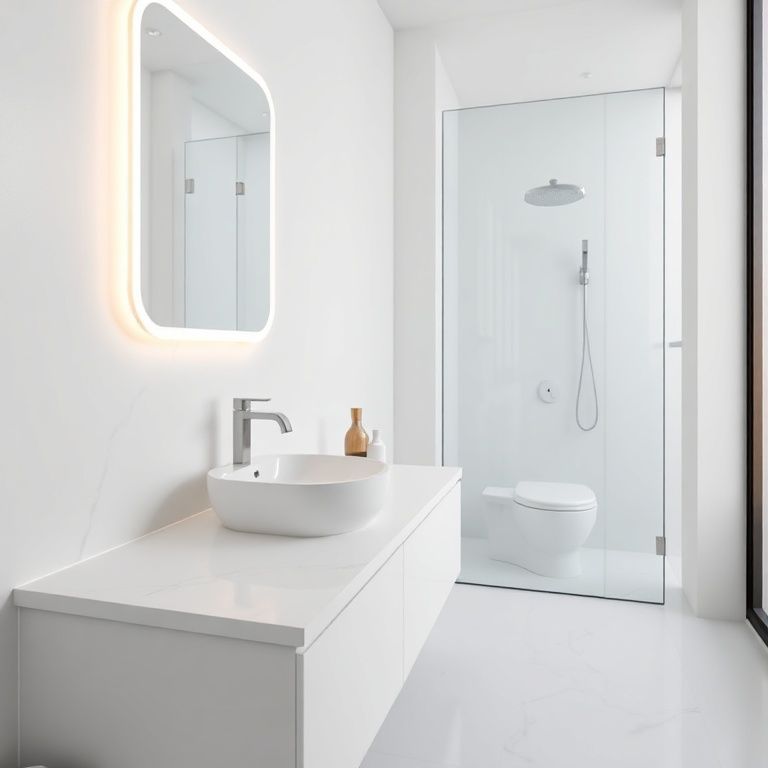
In the realm of luxury and elegance, marble stands as one of the most revered materials for both interior and exterior design. Its timeless beauty and natural veining have made it a preferred choice for architects, designers, and homeowners alike. However, achieving the perfect marble finish requires knowledge and expertise. Two popular methods often considered in marble finishing are polishing and mirror finishing. Understanding the distinction between marble polishing and mirror finish treatment is crucial to making an informed decision that best suits your aesthetic and functional needs.
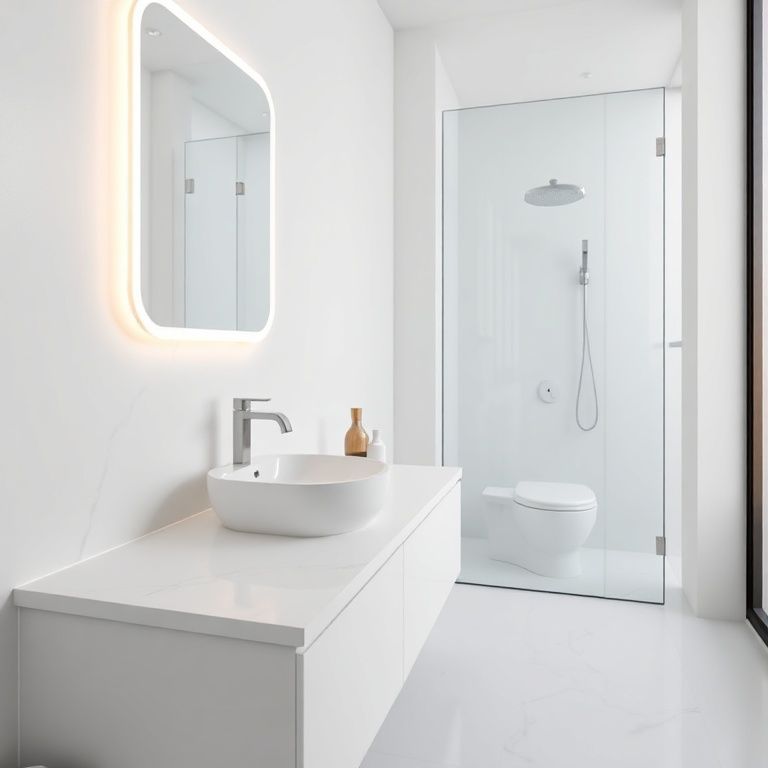
What is Marble Polishing?
Marble polishing is a technique used to enhance the natural beauty of marble by smoothing its surface and bringing out its inherent luster. This process involves the use of abrasive compounds and polishing pads that gradually wear down the surface of the marble, resulting in a shiny, glossy finish. Here’s a deeper look into the marble polishing process:
1. Preparation: The initial step involves cleaning the marble surface thoroughly to remove any dirt, oils, or contaminants. This is done using a mixture of water and a mild detergent. The surface must be completely free of any impurities as they can interfere with the polishing process.
2. Application of Abrasive Compounds: Once the marble is clean, a polishing compound is applied. This compound contains fine abrasive particles that, when rubbed onto the marble surface, start to break down the surface imperfections. The polishing pad or machine then distributes the compound evenly across the surface.
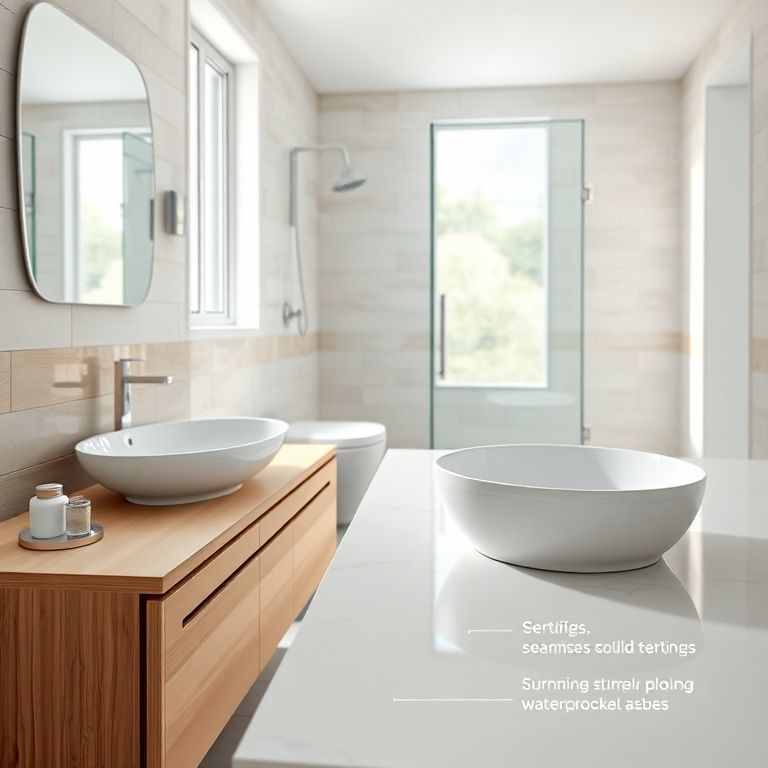
3. Polishing: The polishing pad or machine is used to rub the marble surface in a consistent, circular motion. This action gradually smooths out the surface and enhances its shine. The process continues until the desired level of polish is achieved.
4. Finishing: After polishing, a sealant may be applied to protect the marble from stains and scratches. This step is crucial as it not only preserves the polished finish but also ensures the longevity of the marble surface.
The Allure of Marble Polishing
Marble polishing offers several benefits:
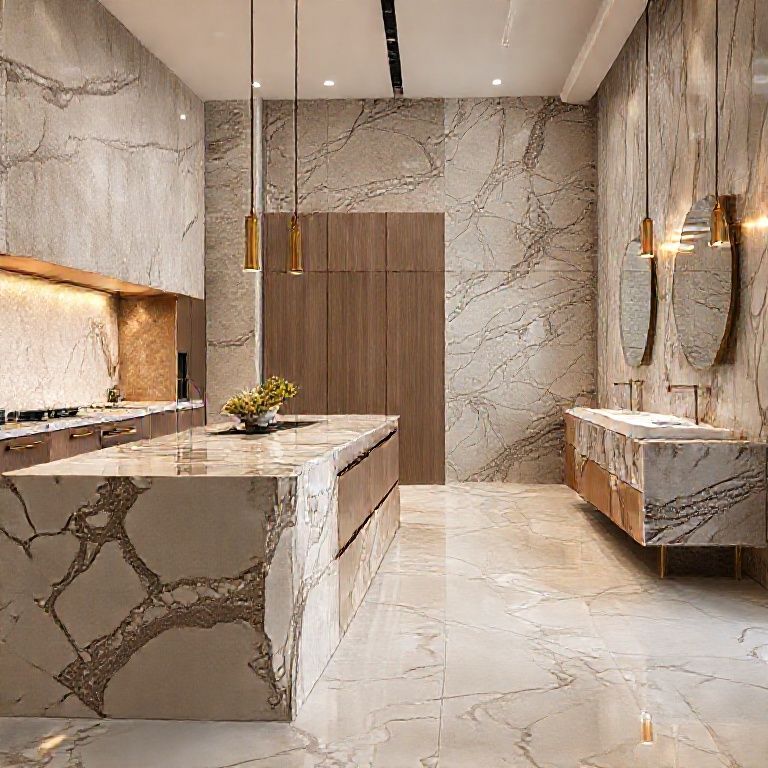
1. Enhanced Natural Beauty: Polishing brings out the natural beauty of marble by enhancing its luster and making its unique veining patterns more pronounced. This creates a visually stunning surface that exudes elegance and sophistication.
2. Durability: While polished marble is beautiful, it also requires regular maintenance to maintain its shine. However, with proper care and occasional polishing, a polished marble surface can last for many years.
3. Versatile Finish: Polishing can be tailored to achieve different levels of shine. Depending on the desired outcome, the finish can range from a soft, satin sheen to a high-gloss, mirror-like surface.
What is Mirror Finish on Marble?
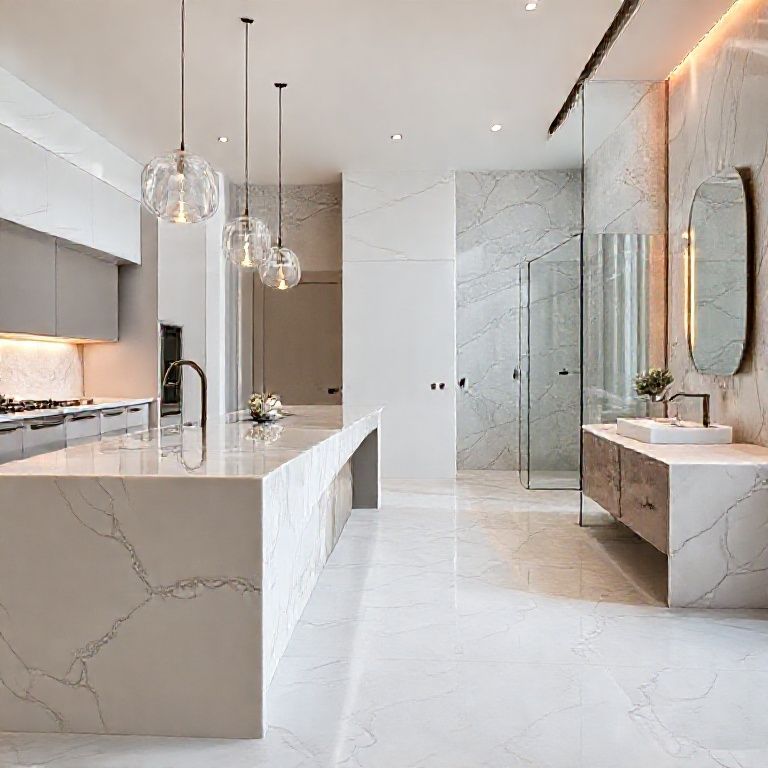
Mirror finish on marble takes the polishing process to an extreme level, creating a surface so smooth and reflective that it resembles a mirror. This technique is often used for high-end applications where a flawless, reflective surface is desired.
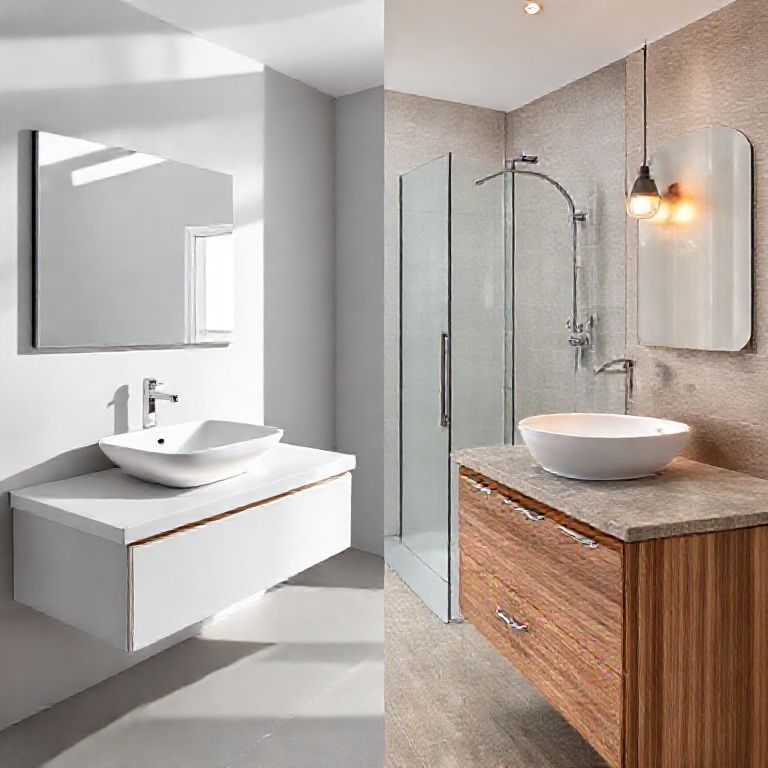
1. Preparation: Similar to polishing, the marble surface is thoroughly cleaned to remove any impurities. This step is critical as any contaminants can interfere with achieving the mirror finish.
2. Grinding: Unlike traditional polishing, mirror finish involves grinding the marble surface to an ultra-smooth state. This is typically done using a series of progressively finer abrasive compounds and polishing pads. The grinding process can be labor-intensive and requires a high level of skill to ensure a perfectly even surface.
3. Polishing: Once the surface is ground, the polishing process begins. High-quality polishing compounds and pads are used to achieve a mirror-like shine. The polishing is done in a consistent, circular motion to ensure uniformity across the entire surface.
4. Finishing: To protect the mirror finish, a high-quality sealant is applied. This sealant not only protects the surface from scratches and stains but also enhances its reflective quality.
The Distinction: Polishing vs. Mirror Finish
The primary distinction between marble polishing and mirror finish lies in the level of surface smoothness and reflectivity:
1. Surface Smoothness: Polishing aims to achieve a smooth, glossy surface, while mirror finish seeks to create an ultra-smooth, almost flawless surface. Mirror finish involves a more intensive grinding process to ensure the marble surface is as smooth as possible.
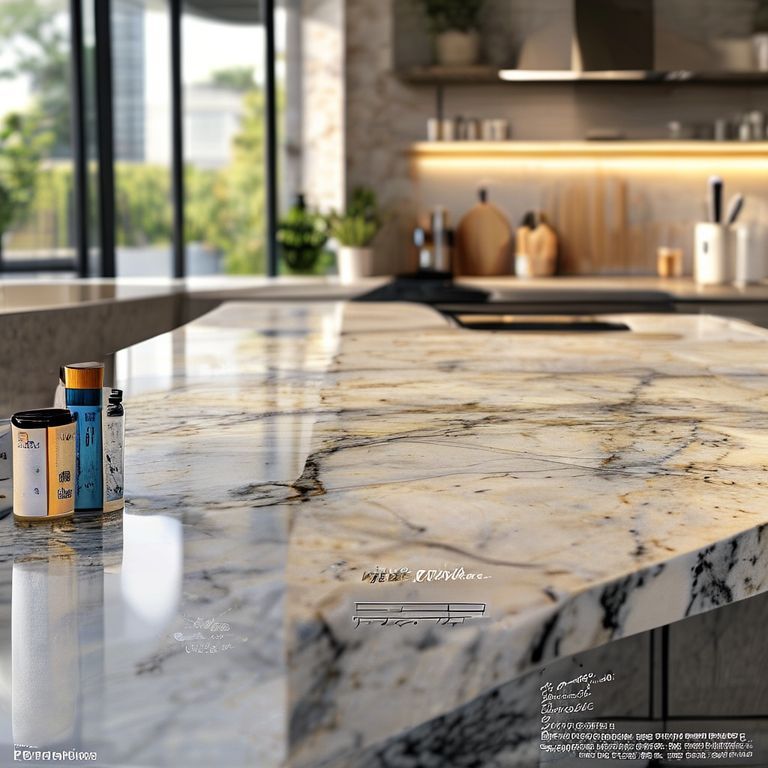
2. Reflectivity: Mirror finish is designed to be highly reflective, akin to a mirror. This means that any light that hits the surface will reflect almost perfectly, creating a dazzling, mirror-like effect. Polishing, on the other hand, aims for a glossy finish that may not be as reflective as mirror finish.
3. Maintenance: Polished marble requires regular maintenance to keep its shine, but it is generally easier to maintain than mirror finish marble. Mirror finish, due to its extreme smoothness, can be more challenging to clean and maintain. Any scratches or stains can be more visible on a mirror finish surface.
4. Aesthetic Appeal: Both polished and mirror finish marbles offer stunning aesthetic appeal, but they cater to different design preferences. Polished marble exudes elegance and sophistication, while mirror finish marble offers a modern, high-gloss, reflective finish that can add drama and luxury to any space.
Choosing Between Polishing and Mirror Finish
When deciding between marble polishing and mirror finish, several factors should be considered:
1. Design Preferences: Consider the overall design and aesthetic of your space. If you prefer a classic, elegant look, polished marble may be the better choice. For a more contemporary, high-end appearance, mirror finish marble could be ideal.
2. Functionality: Think about the practical aspects of the marble surface. Polished marble is generally easier to maintain and clean. Mirror finish, while visually stunning, requires more meticulous care to preserve its reflective quality.
3. Budget: Mirror finish is typically more labor-intensive and therefore more expensive than polishing. If budget is a concern, polished marble may be a more cost-effective option.
4. Durability: Both polished and mirror finish marbles are durable materials, but mirror finish can be more susceptible to scratches and stains. Regular maintenance will help ensure the longevity of either finish.
Conclusion
The distinction between marble polishing and mirror finish lies in the level of surface smoothness, reflectivity, and the maintenance required. Polishing offers a glossy, elegant finish that enhances the natural beauty of marble, while mirror finish provides an ultra-smooth, reflective surface that can add a dramatic touch to any space. Understanding these differences will help you make an informed decision that aligns with your design vision, functional needs, and budget.
As we continue our exploration in the next part, we will delve deeper into the specific techniques, benefits, and considerations for each finishing method, ensuring you have all the information needed to achieve the perfect marble finish for your next project.
The Distinction Between Marble Polishing and Mirror Finish: A Detailed Examination
As we continue our in-depth exploration of marble finishing techniques, it’s essential to delve further into the specifics of marble polishing and mirror finish. This part will provide a comprehensive overview of the techniques, benefits, and considerations for each method, ensuring you have a thorough understanding of how to achieve the perfect marble finish for your project.
Techniques and Processes
Marble Polishing Techniques
1. Cleaning and Preparation: The first step in marble polishing is thorough cleaning. This involves using a combination of water and a mild detergent to remove all dirt, oils, and contaminants from the marble surface. Any impurities can interfere with the polishing process and affect the final result. Once the surface is clean, it is dried with a soft cloth to remove any moisture.
2. Application of Abrasive Compounds: Next, an abrasive polishing compound is applied to the marble surface. This compound contains fine abrasive particles that help to smooth out the surface imperfections. The compound is spread evenly across the marble using a polishing pad or machine.
3. Polishing: The polishing pad or machine is used to rub the marble surface in a consistent, circular motion. This action gradually wears down the surface, smoothing it out and enhancing its shine. The polishing process continues until the desired level of polish is achieved. The intensity of the polishing can vary based on the desired finish, ranging from a soft, satin sheen to a high-gloss surface.
4. Finishing: Once the marble is polished to the desired level, a sealant may be applied to protect the surface. This sealant helps to prevent stains and scratches, preserving the polished finish for a longer period. The sealant is typically applied with a soft cloth and left to dry before the marble is put back into use.
Mirror Finish Techniques
1. Cleaning and Preparation: Mirror finish requires a similar initial cleaning process as polishing. The marble surface must be thoroughly cleaned to remove any dirt, oils, or contaminants. This ensures that the polishing and grinding processes can achieve the best possible results.
2. Grinding: The grinding process is more intensive than the polishing process. It involves using progressively finer abrasive compounds and polishing pads to smooth the surface of the marble to an almost flawless state. This process can be labor-intensive and requires a high level of skill to ensure an even surface.
3. Polishing: Once the surface is ground to a smooth state, the polishing继续下来,我们将深入探讨镜面处理(mirror finish)的技术细节以及它们在实际应用中的优势和挑战。
镜面处理技术细节
1. 清洁和准备: 镜面处理的第一步与大理石抛光类似,需要对大理石表面进行彻底清洁。使用水和温和的洗涤剂清除表面的污垢、油脂和杂质。任何杂质都会干扰抛光过程,影响最终的效果。清洁后,用干净的软布将表面擦干,确保没有残留的水分。
2. 研磨: 镜面处理的关键步骤是研磨。研磨过程需要使用一系列的更细的研磨膏和抛光垫,以逐渐平滑大理石的表面。这个过程非常耗时且需要高度的技术,以确保表面平整。研磨膏和抛光垫需要在大理石表面进行持续的圆周运动,以逐步磨平表面。
3. 精细抛光: 在研磨完成后,进行精细的抛光。这一步骤使用更加细腻的抛光膏和抛光垫,进一步提高大理石表面的光滑度。抛光过程需要非常细致的操作,以确保整个表面达到镜面般的光泽。
4. 抛光保护: 为了保护镜面效果,通常会涂上一层高品质的保护层。这种保护层不仅可以抵御污渍和划痕,还能进一步增强镜面效果。保护层通常用软布涂抹均匀,然后自然风干。
镜面处理的优势和挑战
优势:
1. 高反射率: 镜面处理可以达到极高的反射率,使得光线在表面上反射得非常平滑,从而呈现出类似镜子的光泽。这种效果非常适合需要高亮度和高反射率的场合,如高端建筑设计和展示空间。
2. 视觉效果: 镜面处理能够显著提升大理石的视觉效果,使其看起来更加现代、高档和富有光泽。这种效果特别适合用于高端装修和高级建筑设计。
3. 耐用性: 尽管镜面处理较为耗时且费用较高,但其高质量的抛光和保护层能够使得大理石表面具有较高的耐用性。在正确的维护下,镜面处理的大理石可以保持其光泽和美观较长时间。
挑战:
1. 高昂的成本: 镜面处理是一项高度专业化和耗时的工作,因此成本通常远高于普通的大理石抛光。高质量的抛光和保护层需要专业的工具和材料,这会显著增加整体费用。
2. 维护要求高: 镜面处理的大理石表面对清洁和保养要求非常高。任何划痕或污渍都会破坏其镜面效果,因此需要定期的专业清洁和保养,以保持其光泽和美观。
3. 难以修复: 由于镜面处理的表面极其光滑,一旦发生划痕或污渍,修复工作会非常困难。这就需要更加小心地处理和保护这种表面。
实际应用中的考虑
在实际应用中,选择大理石抛光还是镜面处理,需要考虑多个因素,包括预算、使用环境、维护能力以及设计需求。
1. 预算: 如前所述,镜面处理成本远高于大理石抛光。如果预算有限,普通的大理石抛光可能是更为经济的选择。
2. 使用环境: 如果大理石表面处于高频使用的环境中,如厨房或浴室,那么镜面处理可能不是最佳选择。高质量的抛光虽然美观,但其对划痕和污渍的敏感性可能会导致快速磨损。在这种情况下,普通抛光可能更为实用。
3. 维护能力: 镜面处理需要定期的专业清洁和保养,如果没有足够的维护能力,这种高端表面可能无法得到有效保护。如果家庭或企业没有专业的清洁和维护团队,普通抛光可能更为可行。
4. 设计需求: 如果项目设计要求高度的视觉效果和现代感,镜面处理将是理想选择。这种处理方式能够为空间带来极高的反射率和光泽,使其显得更加高级和富有现代感。
结论
大理石抛光与镜面处理各有优势和适用场景。抛光提供了一种经济实惠且较为耐用的表面处理方法,适合大多数日常使用环境。而镜面处理则提供了极高的反射率和光泽,适用于高端设计和高要求环境。理解这两种处理方法的细节和差异,有助于您在进行大理石表面处理时做出更明智的选择。
希望这篇详细的探讨能够为您提供有价值的信息,帮助您在大理石抛光与镜面处理方面做出最佳决策。无论您选择哪种方法,都可以通过专业的工艺和维护,让大理石在您的空间中展现出其独特的美感和高端品质。