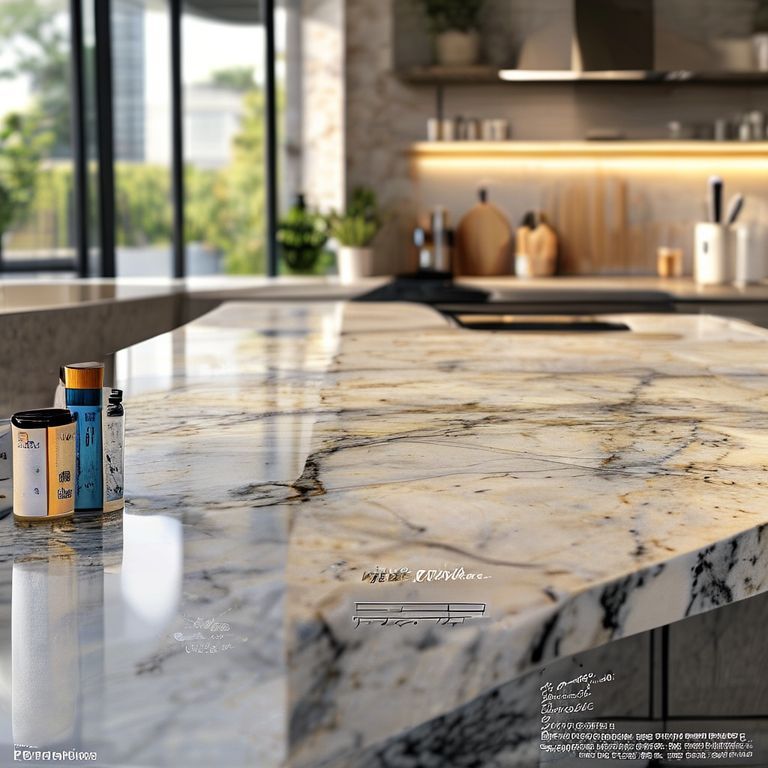
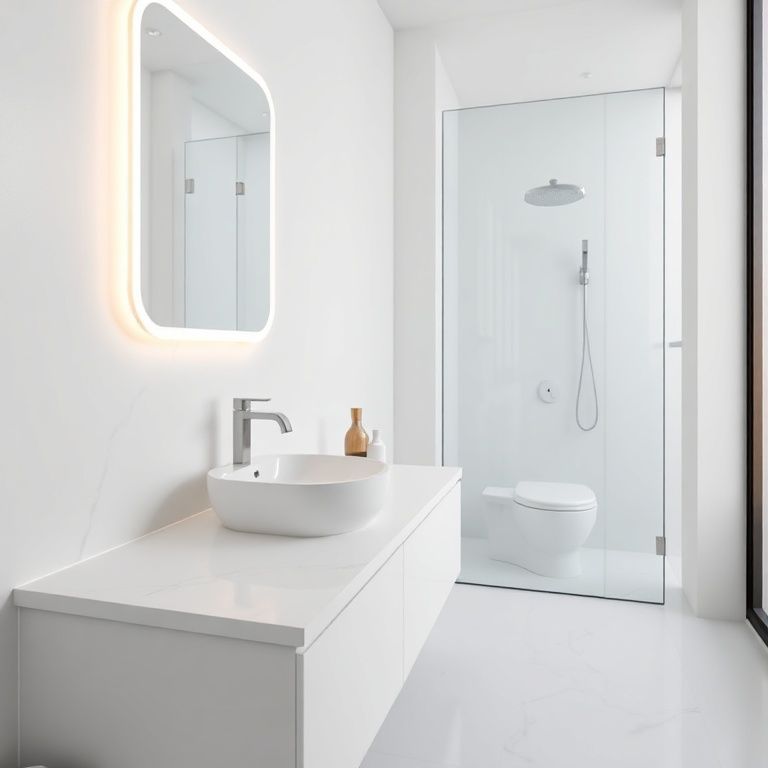
The Elegance and Cost of Dry-Fitting Marble: How Much Does It Cost Per Square Foot?
Marble, a timeless symbol of luxury and sophistication, continues to captivate both architects and homeowners with its unparalleled beauty and durability. Among various installation techniques, dry-fitting stands out as a method that emphasizes precision and minimal disturbance to the underlying surfaces. In this first part of our exploration, we will dive into the intricate art of dry-fitting marble and uncover the costs associated with this exquisite method.

Understanding Dry-Fitting Marble
Dry-fitting marble is a meticulous installation technique that involves laying out the marble pieces without any adhesive. This method allows for precise adjustments and corrections before the final setting. The process begins with carefully measuring and cutting the marble tiles to fit the desired area. Once laid out, the tiles are adjusted to ensure a perfect fit and alignment, and any gaps or discrepancies are noted. This step-by-step approach ensures that the marble layout is flawless before any adhesive is used.
The Process of Dry-Fitting
The dry-fitting process is a dance of precision and patience:
Measurement and Planning: The first step involves measuring the area where the marble will be installed. This is crucial to ensure that the correct number of tiles are cut to fit perfectly.
Cutting the Marble: Skilled craftsmen use specialized tools to cut the marble tiles, taking into account the exact measurements and the desired pattern or layout.
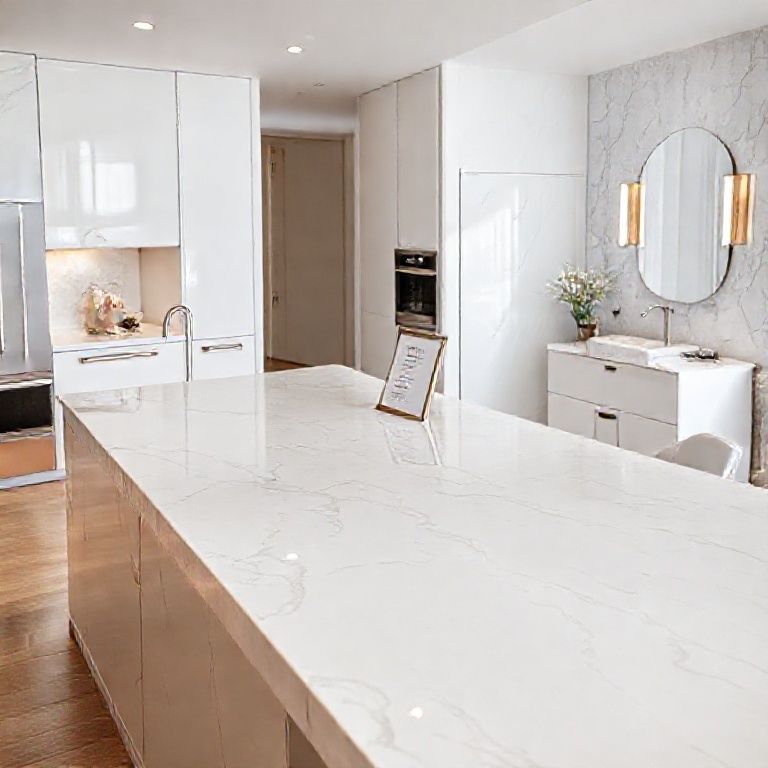
Dry-Fitting: The tiles are then laid out on the surface without adhesive. This allows the installer to make any necessary adjustments to achieve the perfect fit and alignment.
Final Setting: Once the dry-fit is complete and all adjustments have been made, the tiles are set with an appropriate adhesive, and the installation process continues.
Benefits of Dry-Fitting Marble
Dry-fitting marble offers several advantages:
Precision: The ability to make adjustments without adhesive ensures a flawless fit. Minimal Disturbance: It causes less disruption to the underlying surface compared to traditional wet-setting methods. Flexibility: Allows for corrections and changes before the final setting, ensuring the best possible outcome.
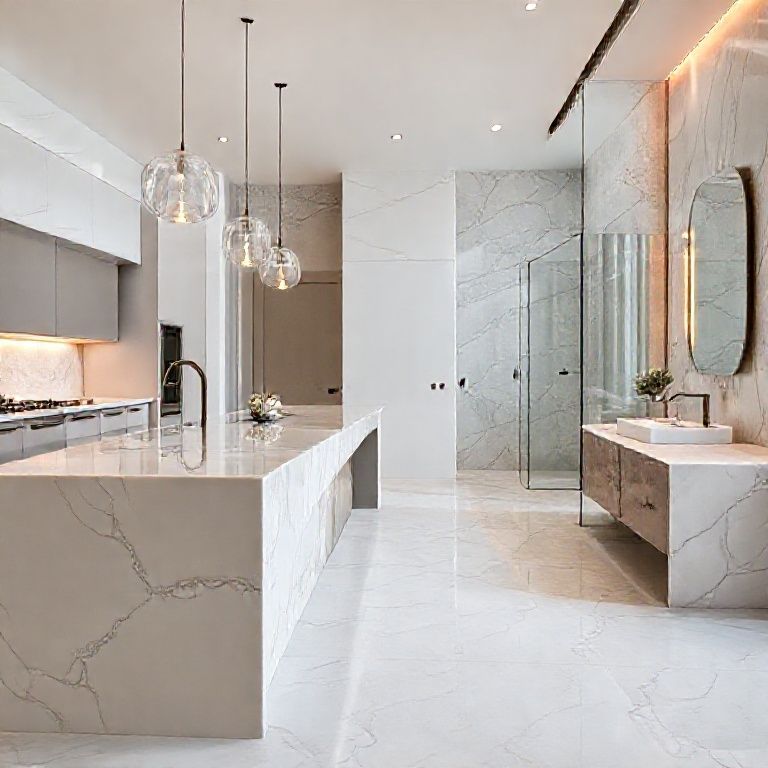
The Cost Factor: How Much Does Dry-Fitting Marble Cost Per Square Foot?
The cost of dry-fitting marble per square foot can vary based on several factors, including the type of marble, the complexity of the design, and the labor involved. Here’s a detailed breakdown:
1. Type of Marble
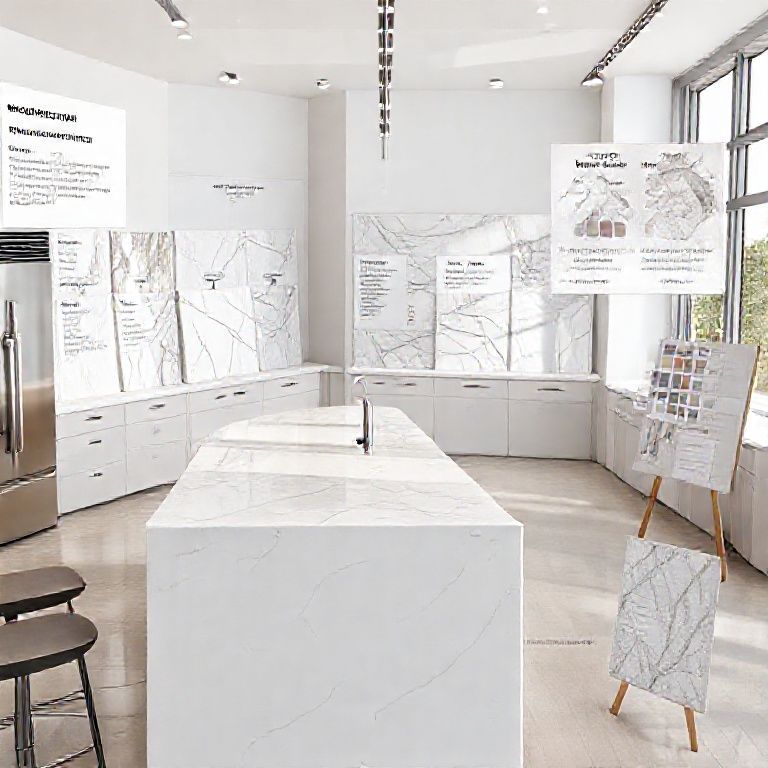
Marble comes in various types, each with its unique characteristics and price range. High-end marbles like Carrara, Botticino, and Statuario are known for their beauty and durability but come at a higher price. On the other hand, more affordable options such as Carrara grigio perlato or Calacatta offer excellent quality at a lower cost.
Premium Marbles: Carrara, Botticino, and Statuario typically cost between $30 to $80 per square foot for installation. Mid-Range Marbles: Marbles like Calacatta and Venus typically range from $20 to $50 per square foot. Budget-Friendly Marbles: Options like Carrara grigio perlato can cost as little as $15 to $30 per square foot.
2. Design Complexity
The complexity of the marble design can significantly impact the cost. Intricate patterns, mosaics, or custom layouts require more time and expertise, driving up the overall cost.
Simple Layouts: Straight lines and simple patterns can cost around $20 to $40 per square foot. Complex Patterns: Intricate designs or mosaics can range from $40 to $70 per square foot or more.
3. Labor Costs
Labor is a significant component of the total cost. Skilled labor, experience, and the time required to complete the project play a crucial role.
Experienced Installers: Highly experienced installers, especially those specializing in dry-fitting, can charge between $15 to $30 per square foot. Average Labor Costs: For more general labor, the cost can range from $10 to $25 per square foot.
4. Additional Factors
Other factors such as the size of the area, transportation costs, and any additional materials required can also affect the overall cost.
Small Areas: Smaller projects might have higher costs per square foot due to labor and material handling. Large Projects: Larger areas might see a reduced cost per square foot due to economies of scale.
Conclusion
Dry-fitting marble is a labor of love that combines artistry and precision to create stunning, durable flooring. While the cost per square foot can vary based on the type of marble, design complexity, and labor costs, the result is a beautiful and long-lasting finish that enhances any space. Understanding these factors helps homeowners and designers make informed decisions, ensuring that they achieve the perfect blend of beauty and value in their marble installations.
The Elegance and Cost of Dry-Fitting Marble: How Much Does It Cost Per Square Foot?
Continuing our detailed exploration into the world of dry-fitting marble, this second part will further delve into the various aspects of this exquisite installation method. We will examine the aesthetic benefits, maintenance considerations, and broader market trends that influence the cost of dry-fitting marble per square foot.
Aesthetic Benefits of Dry-Fitting Marble
Dry-fitting marble not only offers practical advantages but also enhances the aesthetic appeal of any space. Here’s how:
1. Flawless Fit and Precision
One of the most significant aesthetic benefits of dry-fitting is the precision it offers. By laying out the tiles without adhesive, installers can achieve a perfect fit and alignment. This meticulous approach ensures that each tile is perfectly positioned, resulting in a seamless and elegant finish that showcases the natural beauty of the marble.
2. Flexibility and Creativity
Dry-fitting allows for a high degree of flexibility and creativity in design. Installers can experiment with different layouts, patterns, and color combinations without the risk of permanent mistakes. This freedom enables the creation of unique and personalized designs that can perfectly complement the architectural style and aesthetic vision of a space.
3. Enhanced Visual Appeal
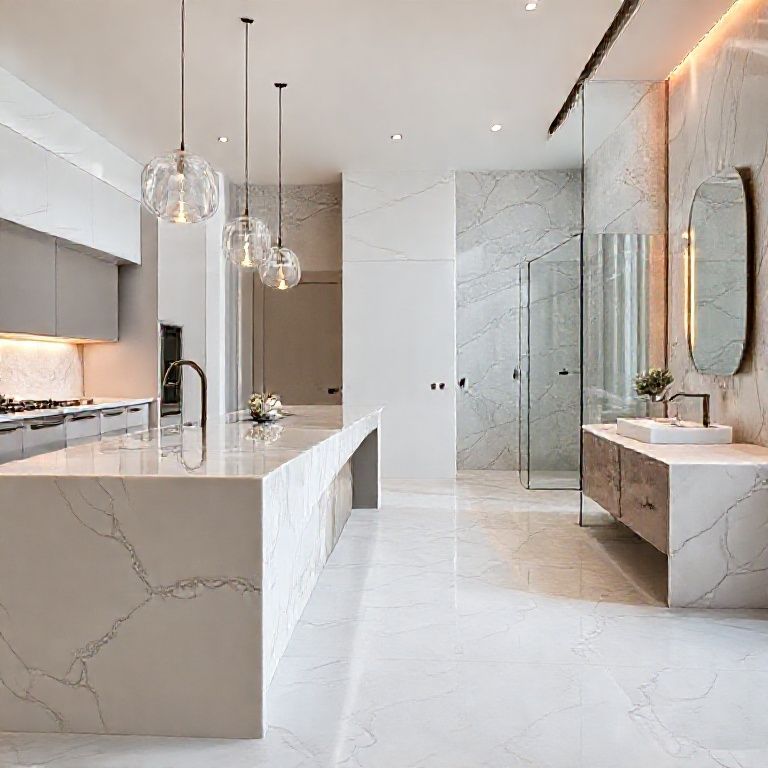
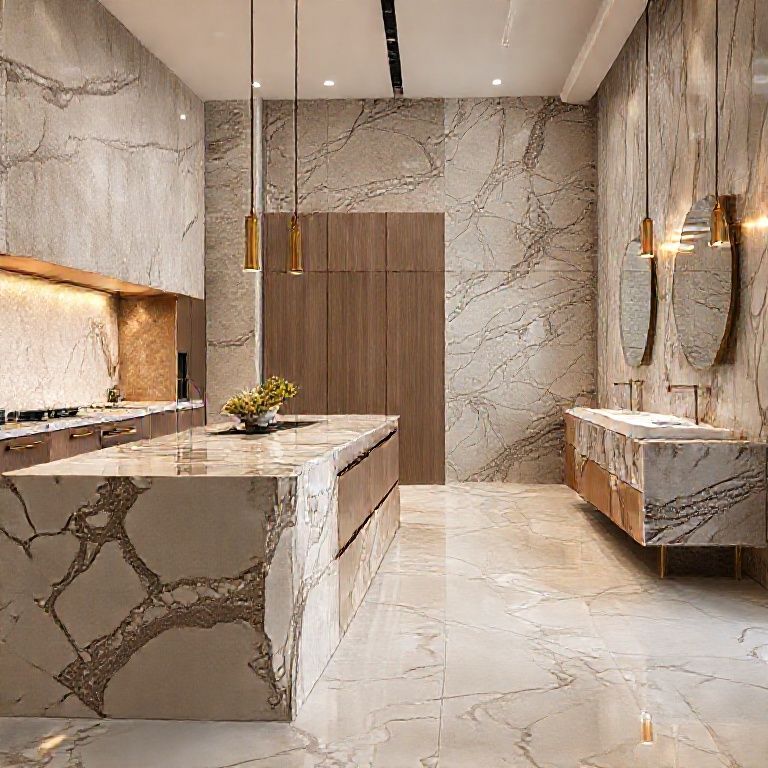
The precision and care involved in dry-fitting marble contribute to an enhanced visual appeal. The natural beauty of marble, with its unique veins, colors, and textures, is showcased in its best possible light. Dry-fitting ensures that every detail is highlighted, from the subtle variations in color to the intricate patterns, creating a stunning and luxurious visual experience.
Maintenance Considerations
Proper maintenance is essential to preserving the beauty and longevity of marble installations. Here’s how to care for dry-fitted marble:
1. Regular Cleaning
Marble is a natural stone that requires regular cleaning to maintain its beauty and prevent stains. Use a soft cloth and a mild pH-neutral cleaner to clean the marble surface. Avoid using abrasive cleaners or cloths that can scratch the marble.
2. Sealing
Sealing the marble is crucial to protect it from stains and water damage. A good quality marble sealer can be applied every 6 to 12 months, depending on the level of exposure and traffic. Regular sealing helps maintain the marble’s natural shine and color.
3. Immediate Stain Treatment
Stains on marble can be challenging to remove. It’s essential to treat stains as soon as they occur to prevent them from setting in. Use a marble stain remover specifically designed for this purpose and follow the manufacturer’s instructions carefully.
Market Trends and Cost Considerations
Understanding the broader market trends and cost considerations can help homeowners and designers make informed decisions about dry-fitting marble installations.
1. Market Demand
The demand for marble continues to grow, driven by its timeless appeal and versatility. High-end marbles remain popular for luxury installations, while mid-range and budget-friendly options cater to a broader audience. Market trends indicate a steady increase in the popularity of marble, which can influence price fluctuations.
2. Regional Variations
The cost of dry-fitting marble can vary significantly depending on the region. Factors such as local labor costs, material availability, and competition among installers can impact the final price. In metropolitan areas with a high demand for luxury installations, prices tend to be higher compared to less competitive markets.
3. Trends in Design
Current design trends often favor minimalist and sleek aesthetics, which can influence the choice of marble and the complexity of the installation. Modern designs that incorporate large, uninterrupted marble surfaces are popular, which can affect the cost per square foot due to the extensive labor and precision required.
Conclusion
Dry-fitting marble is a sophisticated and meticulous process that offers unparalleled precision, flexibility, and aesthetic benefits. While the cost per square foot can vary based on several factors, the result is a beautiful, durable, and long-lasting finish that enhances any space. Understanding the intricate details of this installation method helps homeowners and designers makeinformed decisions and appreciate the timeless beauty and elegance that dry-fitting marble can bring to their projects.
Sustainability and Eco-Friendly Considerations
As the world becomes more conscious of sustainability and environmental impact, the choice of materials and installation methods in construction and renovation projects is increasingly influenced by eco-friendly practices. Dry-fitting marble, while traditionally seen as a luxury choice, can also align with sustainable and eco-friendly principles when approached thoughtfully.
1. Sustainable Marble Sourcing
The first step towards eco-friendly marble installation is the sustainable sourcing of marble. Many marble quarries around the world are now implementing practices that minimize environmental impact. Look for marble suppliers who prioritize sustainable mining practices, such as reducing waste, conserving water, and protecting local ecosystems.
2. Low-VOC Adhesives
Volatile Organic Compounds (VOCs) are chemicals that can emit harmful fumes, contributing to air pollution and health issues. When installing dry-fitted marble, choosing adhesives with low or zero VOCs is crucial. Many modern adhesives are designed to be eco-friendly while still providing the necessary strength and durability for marble installation.
3. Energy-Efficient Installation
The installation process itself can also be optimized for energy efficiency. Using energy-efficient tools and techniques, minimizing waste during cutting and fitting, and ensuring precise adjustments during the dry-fitting phase can all contribute to a more sustainable project.
4. Longevity and Durability
Marble is renowned for its durability and longevity, which means it requires less frequent replacement compared to more fragile materials. This inherent durability contributes to a reduced environmental footprint over the lifespan of the installation.
5. Recycling and Reuse
At the end of a marble installation’s life cycle, there is an opportunity for recycling and reuse. Marble tiles can often be recycled or repurposed, reducing waste and the need for new materials. Some facilities specialize in recycling marble, allowing it to be reused in new projects.
Conclusion
Dry-fitting marble is not only a method of achieving unparalleled precision and aesthetic beauty but also a process that, when approached with sustainability in mind, can align with eco-friendly principles. By choosing sustainable marble sources, low-VOC adhesives, energy-efficient installation practices, and considering the long-term durability of marble, homeowners and designers can enjoy the timeless elegance of marble while minimizing environmental impact. This holistic approach ensures that the beauty of dry-fitted marble can be enjoyed for generations to come, harmoniously coexisting with the planet’s well-being.