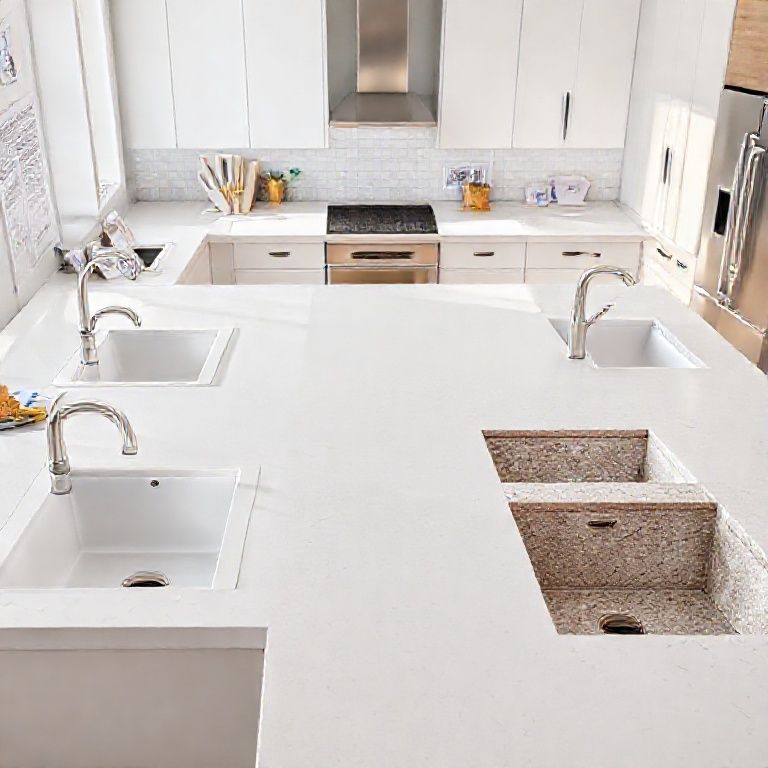
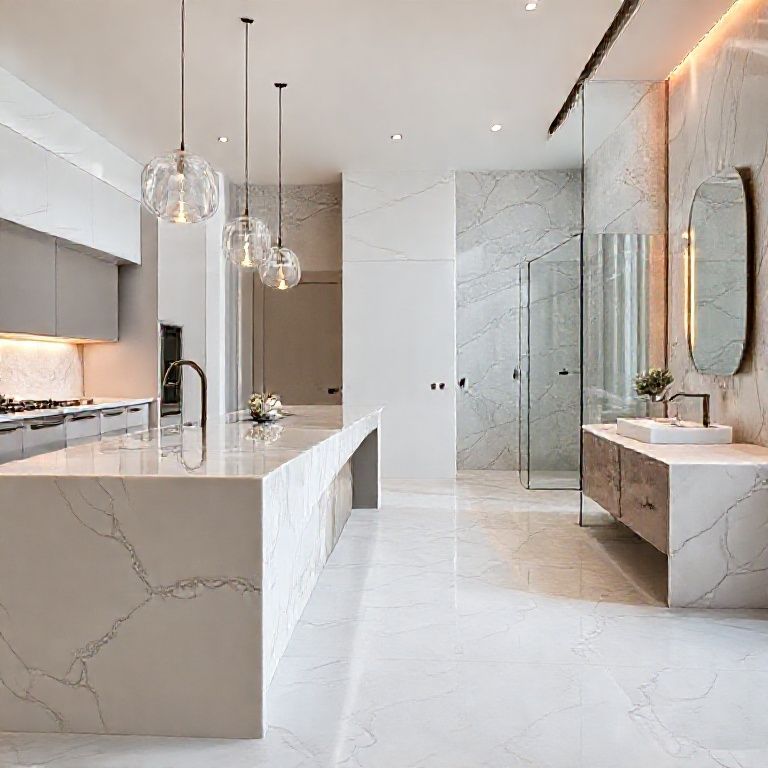
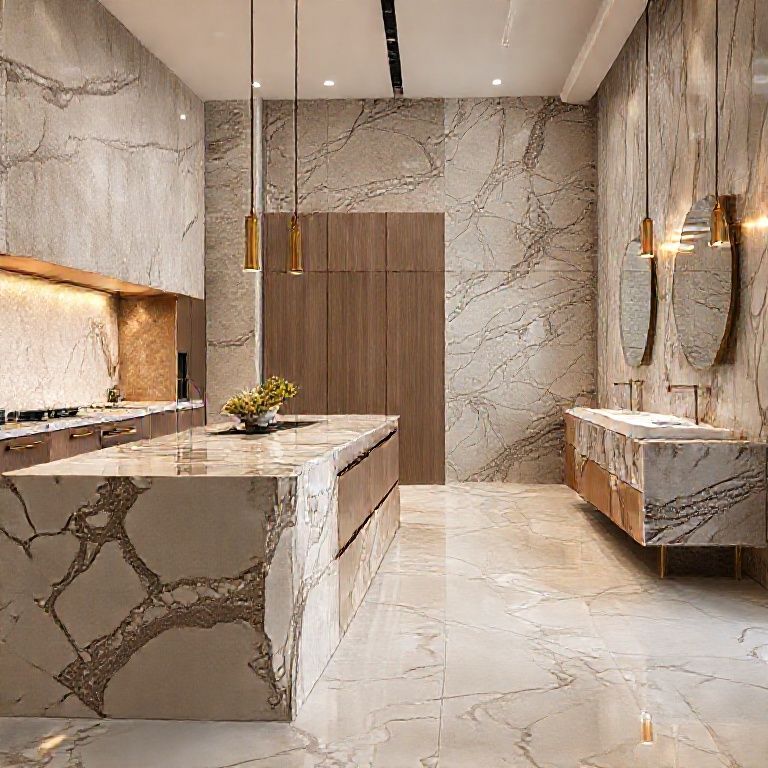
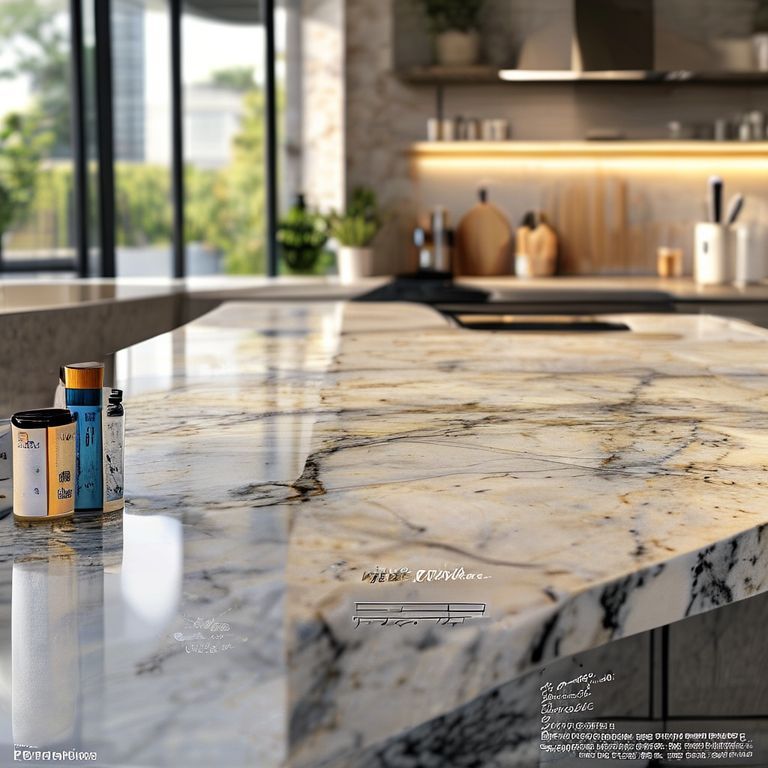
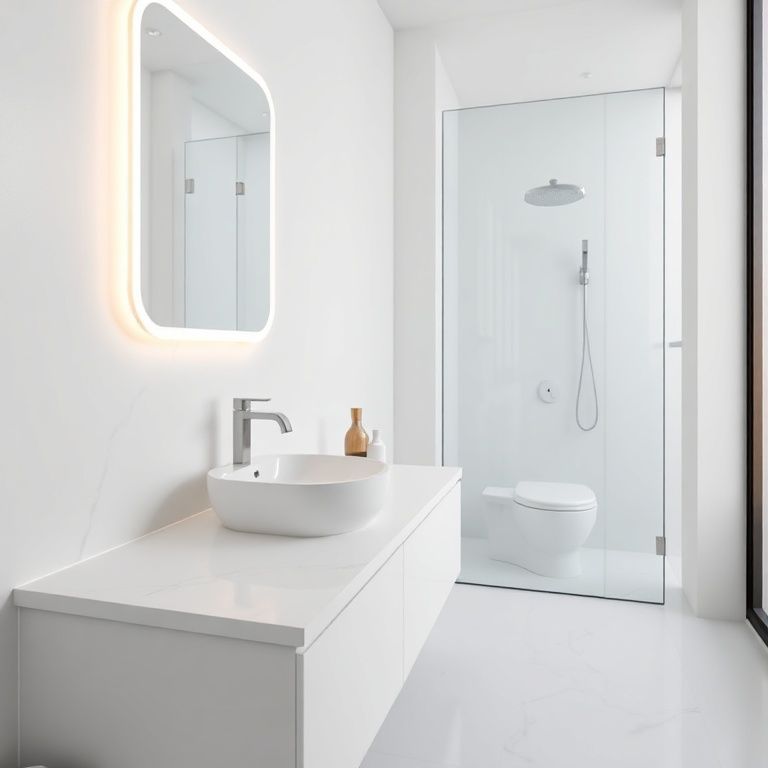
The Allure and Craftsmanship of Engineered Marble
In the realm of interior design and architecture, few materials capture the essence of luxury and timeless beauty quite like engineered marble. Known in Chinese as “人造大理石,” this sophisticated material has been transforming spaces across the globe with its stunning aesthetic and impressive durability. But what exactly is engineered marble, and why has it garnered such high regard?

Engineered marble is a composite material created by bonding together a surface layer of natural marble with a core made from a mixture of limestone and other natural stone aggregates. This innovative technique results in a product that maintains the visual charm and tactile elegance of natural marble while offering superior qualities like enhanced durability, reduced weight, and increased design flexibility.
The Craftsmanship Behind Engineered Marble
The process of crafting engineered marble involves meticulous attention to detail and a mastery of advanced techniques. Artisans start with selecting high-quality natural marble, often sourced from renowned marble-producing regions like Italy, Spain, or China. This marble is then ground into a fine powder and mixed with limestone and other natural stone aggregates, creating a composite material that is poured onto a mold.
Once the mold is set, a layer of natural marble is applied to the surface, followed by a pressing process that ensures the layers bond securely together. The result is a slab of engineered marble that perfectly replicates the intricate patterns and textures of natural marble, complete with all the luxurious nuances that come with it.
Aesthetic Appeal and Design Versatility
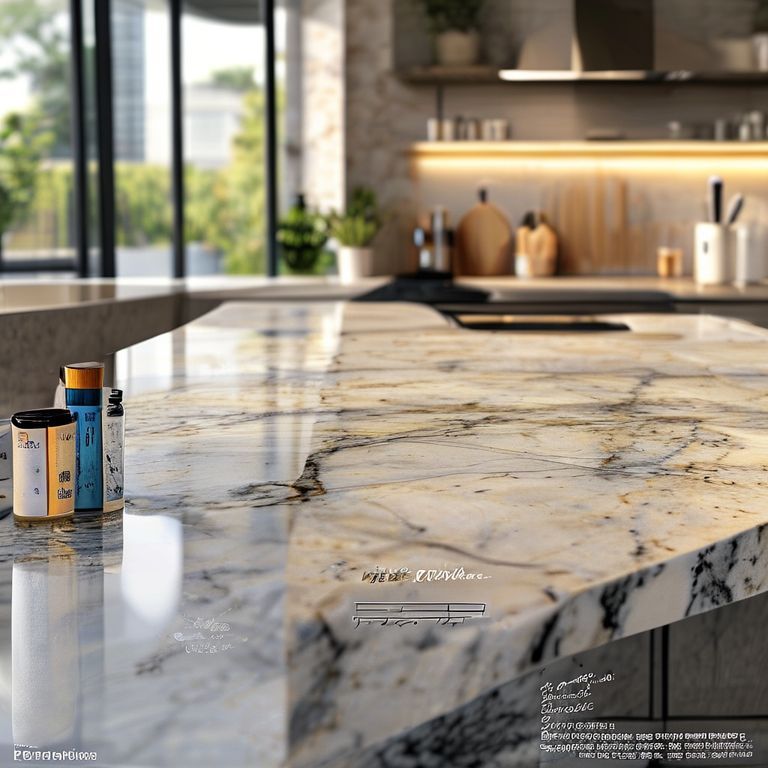
One of the primary reasons engineered marble is revered in the design world is its unparalleled aesthetic appeal. The material boasts a spectrum of colors, patterns, and finishes that can be tailored to suit any design vision. Whether you desire the rich, earthy tones of classic marble or the bold, modern hues of contemporary designs, engineered marble offers a versatile canvas for creativity.
Moreover, its unique surface allows for intricate detailing and the creation of custom shapes, making it an ideal choice for bespoke furniture, countertops, flooring, and decorative elements. The material’s ability to mimic the natural beauty of marble without the limitations of natural stone makes it a favorite among designers and architects looking to push the boundaries of their creative visions.
Durability and Maintenance
While engineered marble may look like natural marble, its durability is often superior. The core made from limestone and other aggregates provides a robust foundation that enhances the material’s overall strength and resistance to wear and tear. This makes engineered marble an excellent choice for high-traffic areas where longevity and resilience are paramount.
However, like any material, engineered marble does require proper maintenance to ensure its longevity and beauty. Regular cleaning with mild soap and water, avoiding acidic substances, and using appropriate cutting pads for tools can help maintain the material’s pristine appearance and prevent potential damage.
The Cost Factor: Is Engineered Marble Worth the Investment?
When considering the cost of engineered marble, it’s essential to weigh both the immediate financial investment and the long-term benefits it offers. While engineered marble can be more expensive than some other materials, its premium cost is justified by several factors.
Firstly, the superior durability and resistance of engineered marble mean that it requires less frequent replacement compared to other materials. This can translate to significant cost savings over time, especially for high-traffic areas where natural stone might wear out faster.
Secondly, the ability to customize engineered marble to specific design requirements often means that you can achieve a bespoke look without the higher price tag that comes with commissioning a unique piece of natural marble. This flexibility in design also means that you can often find engineered marble that closely matches the aesthetic of natural marble, making it a cost-effective alternative for those seeking luxury without the premium price.
Conclusion
In conclusion, engineered marble, or “人造大理石,” is a testament to the marriage of nature and innovation in the world of design and architecture. Its unmatched beauty, combined with superior durability and design flexibility, makes it a highly coveted material for both residential and commercial spaces. While the initial cost might be higher compared to some alternatives, the long-term benefits and the ability to achieve a luxurious look without the hefty price tag make engineered marble a worthy investment for those seeking to elevate their spaces with elegance and sophistication.
The Economic and Environmental Implications of Engineered Marble
As we continue our exploration into the world of engineered marble, commonly referred to as “人造大理石,” it’s essential to consider not only its aesthetic and functional benefits but also its broader economic and environmental implications. This second part delves deeper into these aspects, offering a holistic view of engineered marble in the modern world.
Economic Considerations: Long-Term Value and Cost Efficiency
While the upfront cost of engineered marble may be higher compared to some conventional materials, its economic benefits often extend far beyond the initial purchase price. One of the primary economic advantages of engineered marble lies in its durability and longevity. The robust core and high-quality surface layer make engineered marble significantly more resistant to scratches, chips, and other forms of damage compared to many other materials.
This enhanced durability means that engineered marble can withstand the rigors of daily use in high-traffic areas without requiring frequent replacements. In contrast, natural marble or other more fragile materials might need more frequent maintenance and replacement, leading to higher long-term costs. Consequently, the initial investment in engineered marble often translates into substantial savings over time, making it a cost-effective choice for those prioritizing both luxury and practicality.
Environmental Impact: Sustainability and Ethical Sourcing
In an era where sustainability and ethical considerations are paramount, engineered marble offers a compelling alternative to natural stone. The production process of engineered marble involves fewer environmental impacts compared to the extraction and transportation of natural stone.
Firstly, the manufacturing of engineered marble does not require the extensive quarrying of natural stone, which can have significant ecological consequences, including habitat destruction, soil erosion, and water pollution. By using limestone and other natural aggregates, the production of engineered marble places a lesser ecological footprint on the environment.
Secondly, the use of recycled materials in the production of engineered marble can contribute to a circular economy, where waste materials are repurposed into new products. This not only reduces waste but also promotes the sustainable use of natural resources.
Ethical Sourcing and Labor Practices
Another crucial aspect of the environmental and economic considerations of engineered marble is the ethical sourcing of its raw materials and the labor practices involved in its production. Many manufacturers of engineered marble adhere to strict ethical standards, ensuring that limestone and other aggregates are sourced responsibly and that labor practices are fair and humane.
This commitment to ethical sourcing extends to the manufacturing process itself, where efforts are made to minimize waste, reduce energy consumption, and ensure the safety and well-being of workers. By choosing engineered marble, consumers can support manufacturers that prioritize ethical practices, contributing to a more responsible and sustainable industry.
Customization and Design Innovation
One of the standout features of engineered marble is its ability to be customized to fit specific design requirements. Unlike natural marble, which comes in limited varieties and sizes, engineered marble can be produced in virtually any color, pattern, and shape, allowing for limitless design possibilities. This flexibility not only enables designers to bring their most creative visions to life but also ensures that the material can be tailored to suit the unique needs and preferences of each project.
The customization aspect of engineered marble also extends to its installation. The material can be fabricated into various forms, from slabs and tiles to intricate sculptures and bespoke furniture pieces. This versatility makes engineered marble an ideal choice for both large-scale commercial projects and smaller, more intimate settings.
Future Trends and Innovations
The world of engineered marble is continuously evolving, with ongoing innovations driving advancements in material science and design techniques. Future trends in the industry are likely to focus on further enhancing the sustainability and versatility of engineered marble, with manufacturers exploring new ways to reduce environmental impacts and expand the material’s design possibilities.
Advancements in nanotechnology and material engineering are expected to lead to the development of engineered marble with even greater durability, enhanced aesthetic properties, and improved resistance to environmental factors such as UV radiation and moisture. These innovations will not only make engineered marble a more attractive option for luxury applications but also open up new possibilities for its use in a wider range of environments.
Conclusion
In conclusion, engineered marble, or “人造大理石,” offers a compelling blend of economic, environmental, and aesthetic benefits that make it a highly desirable material in the modern world. Its superior durability, sustainability, ethical sourcing, and design flexibility set it apart from其他建筑材料,使其成为追求高品质和长久耐用的消费者的理想选择。
虽然初始投资可能较高,但其长期的经济效益和环保优势无疑会让人们对这一材料产生更深的认可和喜爱。
全面评价: 人造大理石的未来前景
1. 技术进步和创新
未来,随着材料科学和工程技术的进一步发展,人造大理石的制造工艺将会更加先进和精细。这不仅能够提升材料的美观性和耐用性,还可能在减少生产过程中的资源消耗和环境污染方面取得突破。例如,新一代的纳米技术可能会被引入,以进一步增强材料的抗污性和耐久性。
2. 市场需求的持续增长
随着全球对高品质生活方式和环保意识的重视,人造大理石的市场需求将持续增长。特别是在城市化进程加快的国家和地区,建筑和装修市场对高性能材料的需求也在不断增加。人造大理石以其高耐用性、低维护成本和丰富的设计可能性,成为现代建筑和装饰市场的重要组成部分。
3. 绿色建筑和可持续发展
在全球范围内,绿色建筑和可持续发展已成为重要的趋势。人造大理石在这一领域的应用前景广阔。其低维护、耐用和可再生的特性,使其成为绿色建筑材料的一个理想选择。随着更多环保认证和标准的出台,人造大理石制造商也将更多地采用环保材料和工艺,进一步提升其在可持续发展领域的地位。
4. 个性化定制
随着设计理念的多样化和个性化需求的增加,人造大理石在定制化方面的优势将更加明显。未来,消费者将能够根据自己的喜好和项目的特点,享受到更加个性化、独特的人造大理石产品。这不仅满足了高端市场的需求,还为中低端市场提供了更多的选择。
5. 国际市场的扩展
目前,人造大理石的主要市场集中在亚洲、欧洲和北美,但随着全球化进程的加快和国际贸易的便利,其他新兴市场如拉丁美洲、非洲和东南亚将成为重要的增长点。随着这些地区建筑和装饰市场的不断扩展,人造大理石的国际市场前景将更加广阔。
总结
人造大理石(人造大理石)作为一种现代化的建筑材料,其优越的性能、经济效益、环保特性和未来技术发展潜力,使其在全球市场上具有广阔的发展前景。无论是在建筑、室内设计还是装饰领域,人造大理石都将继续发挥其重要的作用,为创造更美好、更环保的生活环境贡献力量。