${part1}
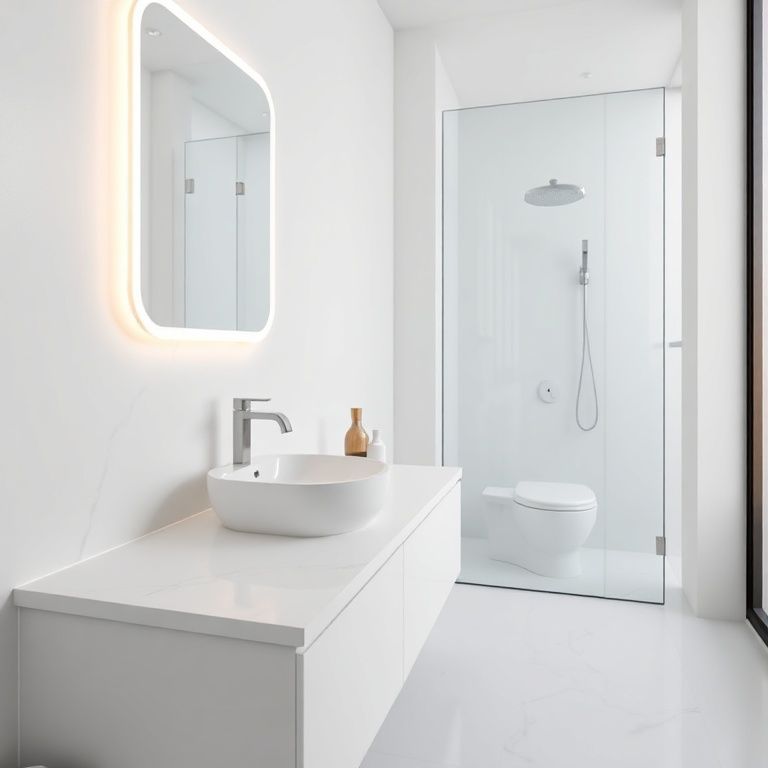
The allure of marble tile flooring has long captivated homeowners and interior designers alike. Its timeless elegance and natural beauty make it a popular choice for both residential and commercial spaces. Whether you are envisioning a pristine kitchen, an opulent bathroom, or a sophisticated living room, marble tiles offer a luxurious finish that can elevate the ambiance of any space. In this first part, we delve into the various aspects of marble tile flooring, focusing on its aesthetic appeal, types, and the cost considerations that come into play.

The Timeless Beauty of Marble Tiles
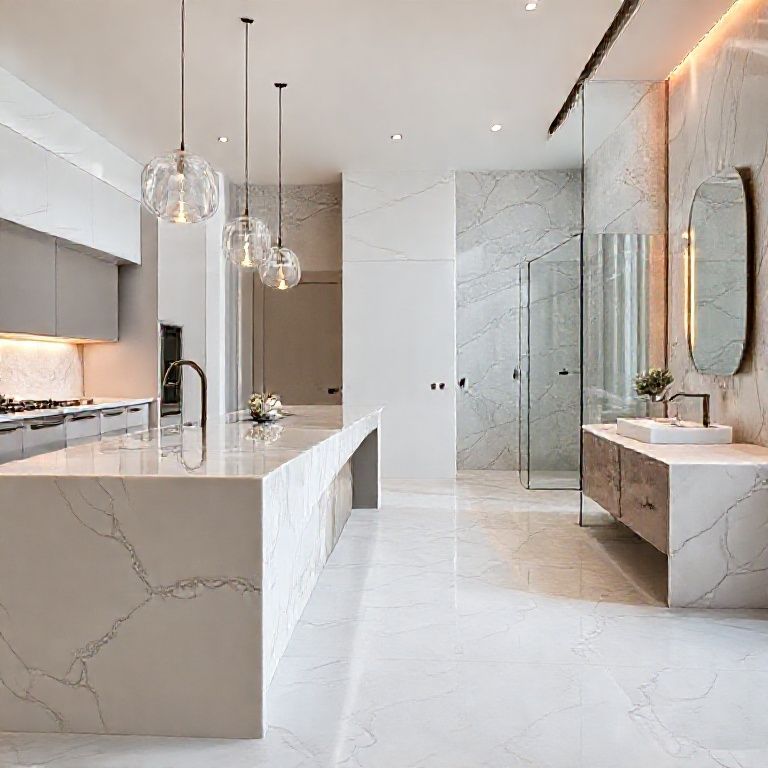
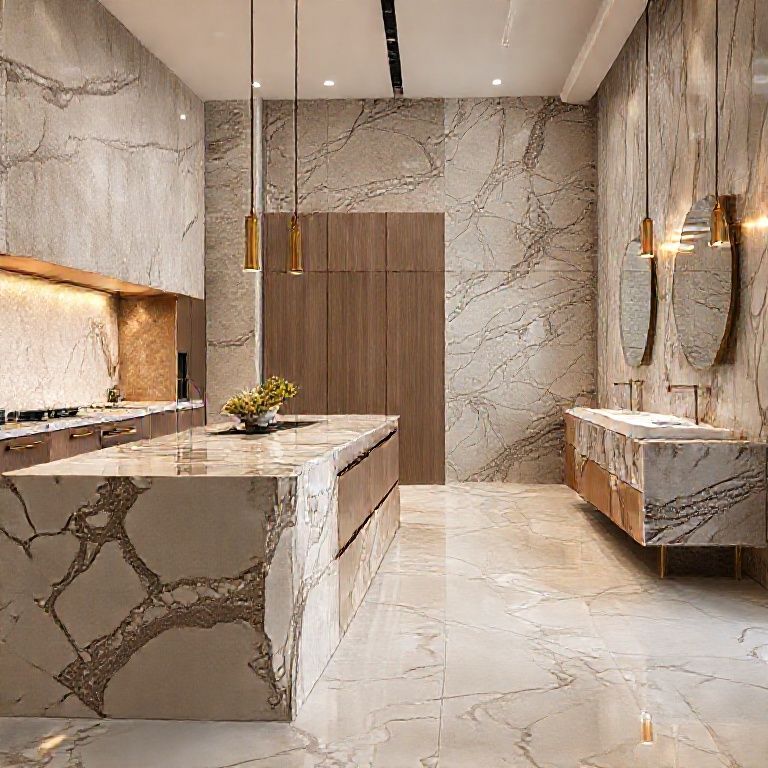
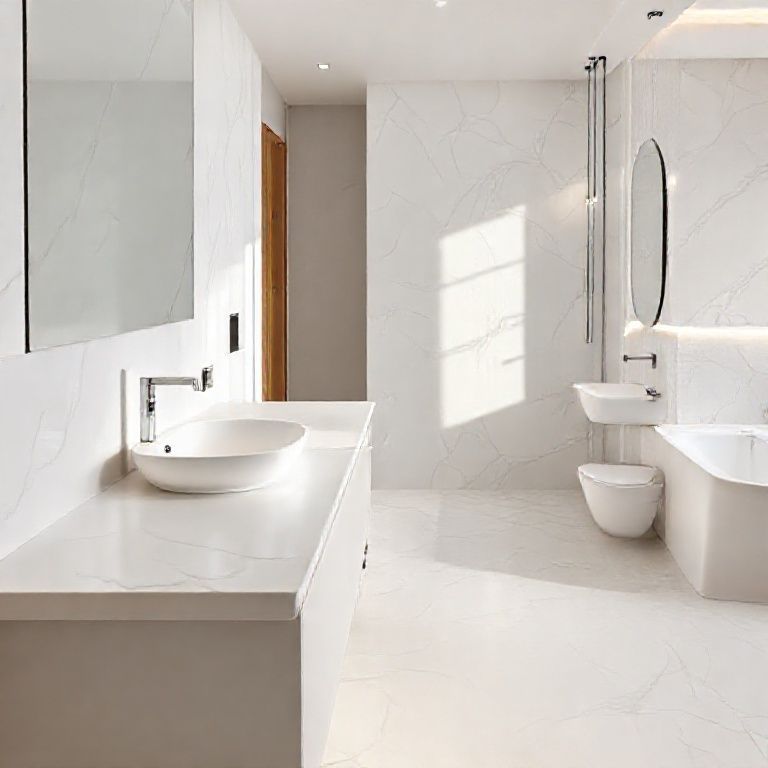
Marble, a metamorphic rock formed from limestone, is renowned for its exquisite patterns and rich colors. The natural veins and swirls that characterize marble tiles provide a unique and personalized touch to any interior space. Marble tiles come in a diverse array of colors and finishes, ranging from the classic white of Carrara to the bold hues of Italian and Indian marble. This variety allows for endless design possibilities, making marble tiles suitable for a wide range of architectural styles.
The natural luster of marble gives it a regal and sophisticated appearance, which is why it is often associated with luxury and high-end design. The durability and resistance of marble to scratches and stains further add to its appeal, making it a long-lasting choice for both residential and commercial projects.
Types of Marble Tiles
When it comes to marble tiles, there are several types to choose from, each offering its own set of benefits:
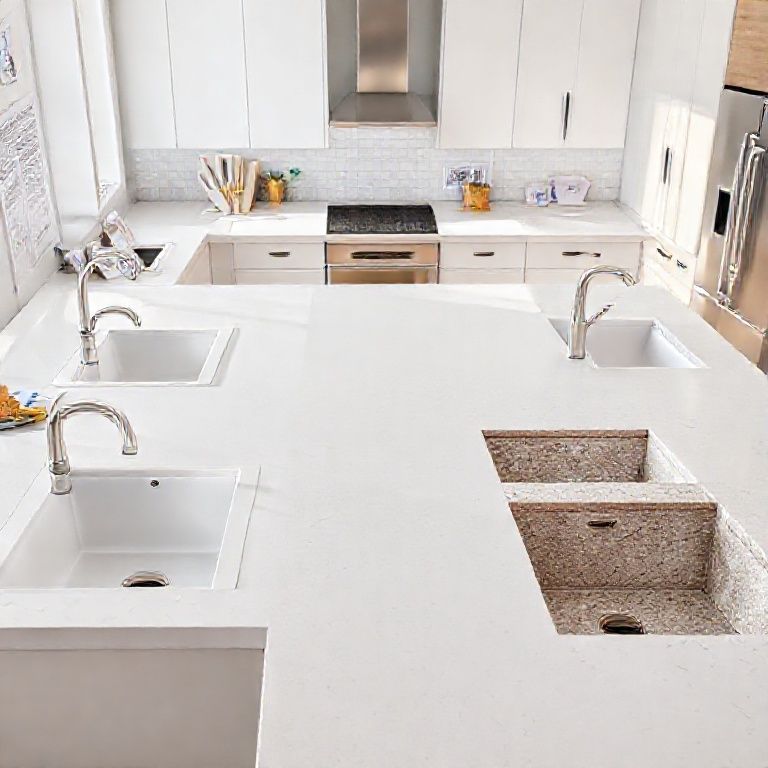
Natural Marble Tiles: These are the most traditional and authentic marble tiles, featuring the natural veins and patterns of the marble. They are highly valued for their unique appearance and timeless elegance.
Engineered Marble Tiles: These tiles are made by combining layers of natural marble with a resin binder. They offer a more uniform look and are generally more affordable than natural marble tiles.
Synthetic Marble Tiles: Made from a mixture of marble dust and resin, synthetic marble tiles are designed to mimic the look of natural marble without the high cost. They are ideal for budget-friendly projects.
Colored Marble Tiles: These tiles are dyed or treated with stains to achieve a specific color or pattern. They provide a wide range of design options and can be used to create unique and vibrant looks.
Cost Considerations
Understanding the cost of marble tile flooring is crucial for any homeowner or business owner planning a renovation project. The price of marble tiles can vary widely based on several factors, including the type of marble, the size of the tiles, the quality of the finish, and the geographic location of the project. Here are some key considerations to keep in mind when estimating the cost:
Type of Marble: Natural marble tiles are typically the most expensive due to their unique patterns and high quality. Engineered and synthetic marble tiles are generally more affordable but still offer excellent durability and appearance.
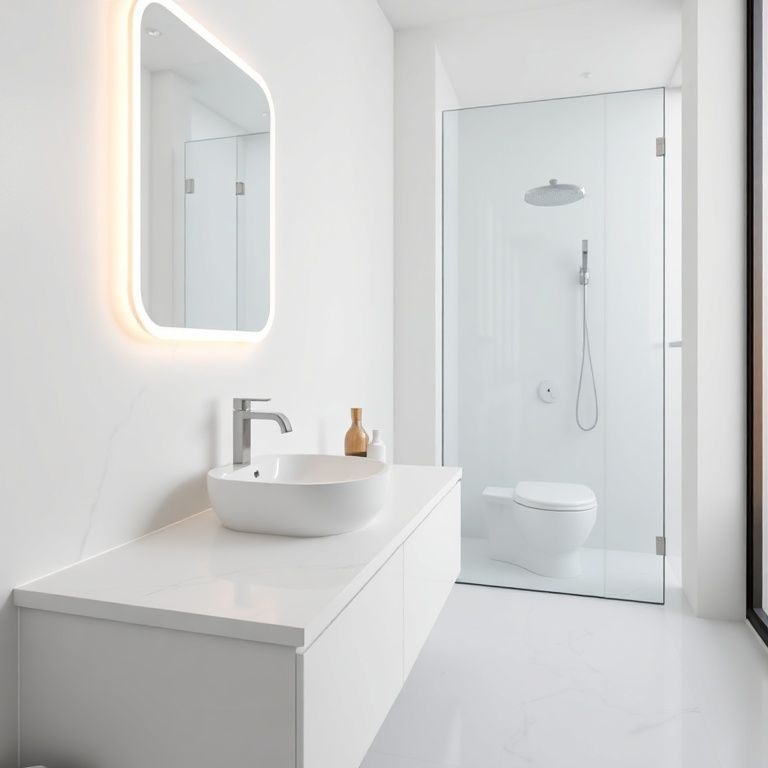
Size of Tiles: Larger tiles tend to be more expensive than smaller ones because they require fewer pieces to cover a given area. However, larger tiles can create a more cohesive and elegant look.
Quality of Finish: The finish of the marble tiles, whether it’s polished, honed, or textured, can also affect the cost. Polished tiles have a smooth, glossy finish that enhances the natural beauty of the marble, while honed and textured finishes offer a more rustic look.
Geographic Location: The cost of marble tiles can vary significantly depending on the location of the project. Factors such as local availability, transportation costs, and regional pricing can all influence the overall cost.
Labor Costs: In addition to the cost of the tiles themselves, labor costs for installation should also be taken into account. Professional installation ensures a flawless finish and can help prevent costly mistakes.
In the next part, we will explore the process of installing marble tile flooring, the benefits it offers, and the overall cost breakdown to help you make an informed decision for your home renovation project.
${part2}
The Process of Installing Marble Tile Flooring
Once you have decided to go ahead with marble tile flooring, understanding the installation process is essential to ensure a smooth and successful project. The installation of marble tiles involves several steps, each requiring careful planning and execution to achieve the best possible results.
Preparation: The first step in installing marble tiles is thorough preparation. This includes measuring the area to be tiled, ensuring that the subfloor is clean, level, and free of any imperfections. The subfloor, typically made of concrete or plywood, must be well-prepared to provide a stable base for the tiles.
Laying the Underlayment: An underlayment, such as a thin layer of plywood or a specialized tile backer board, is often installed over the subfloor. This provides additional support and a smooth surface for the tiles to adhere to.
Setting the Tiles: The actual installation of the marble tiles begins with setting the first row of tiles. This is typically done along the longest wall to ensure a straight line. The tiles are placed using a spacer to maintain even gaps between them. Once the first row is set, additional rows are added, ensuring that each tile aligns perfectly with the previous one.
Grout Lines: After all the tiles are set, a grout mixture is applied to fill the spaces between the tiles. This mixture is usually a blend of cement and water that hardens to create a durable and seamless bond between the tiles. The grout lines can be colored to complement the tiles, adding to the overall aesthetic appeal.
Sealing: Once the grout has dried, the marble tiles are sealed to protect them from stains and moisture. Sealing is an important step to ensure the longevity of the marble tiles and to maintain their appearance over time.
Benefits of Marble Tile Flooring
Installing marble tile flooring offers numerous benefits that extend beyond its aesthetic appeal. Here are some of the key advantages:
Durability: Marble tiles are highly durable and resistant to scratches, stains, and impact. This makes them an excellent choice for high-traffic areas such as kitchens and bathrooms.
Low Maintenance: While marble tiles require regular cleaning to maintain their beauty, they are relatively low-maintenance compared to other types of flooring. Simple cleaning with a mild soap and water can keep the tiles looking pristine.
Versatility: Marble tiles can be used in a variety of settings, from luxurious bathrooms and elegant kitchens to stylish living rooms and commercial spaces. Their versatility makes them a versatile choice for any design project.
Value Addition: Marble tile flooring can significantly increase the value of a home. Its timeless elegance and luxurious appearance make it a desirable feature for potential buyers, often resulting in a higher resale value.
Cost Breakdown
To provide a comprehensive understanding of the cost of marble tile flooring, let’s break down the overall expenses involved in a typical project. This will include both the material costs and the labor costs:
Material Costs: The cost of marble tiles can range from $10 to $100 per square foot, depending on the type, size, and finish. Natural marble tiles generally cost more than engineered or synthetic ones. For instance: Natural Marble: $30-$100 per square foot Engineered Marble: $10-$30 per square foot Synthetic Marble: $5-$15 per square foot
Grouting and Sealing: The cost of grout and sealants, including the materials and labor for application, typically ranges from $3 to $6 per square foot.
Labor Costs: Professional installation is essential for achieving a flawless finish. The labor cost for installing marble tiles can vary widely based on the complexity of the project and the geographic location. On average, labor costs can range from $10 to $20 per square foot.
${part2}
Factors Affecting the Overall Cost
When planning to install marble tile flooring, it’s important to consider several factors that can impact the overall cost. These factors can vary depending on the specific project requirements and geographic location. Here’s a detailed breakdown:
Type of Marble: As mentioned earlier, the type of marble you choose will significantly affect the cost. Natural marble is the most expensive due to its unique and intricate patterns, while engineered and synthetic marbles offer more affordable alternatives without sacrificing durability and appearance.
Tile Size: Larger tiles generally cost more per square foot because they require fewer pieces to cover a given area. However, larger tiles can create a more cohesive and elegant look, which may justify the higher cost in certain design scenarios.
Finish: The finish of the marble tiles can also impact the cost. Polished marble tiles have a smooth, glossy finish that enhances the natural beauty of the stone, while honed and textured finishes offer a more rustic look. Polished finishes typically cost more due to the additional labor involved in the polishing process.
Labor Costs: Professional installation is crucial for achieving a flawless finish and ensuring the longevity of the marble tiles. Labor costs can vary widely based on the complexity of the project, the skill level of the installers, and the geographic location. On average, labor costs for marble tile installation can range from $10 to $20 per square foot.
Additional Costs: Other potential costs include the underlayment, grout, sealants, and any necessary tools or equipment. These additional costs should be factored into the overall budget to ensure accurate planning.
Design and Customization Options
Marble tiles offer a wide range of design and customization options to suit various tastes and preferences. Whether you want to create a classic, timeless look or a modern, contemporary design, marble tiles can be tailored to meet your vision. Here are some design and customization options to consider:
Patterns and Colors: Marble tiles come in a variety of colors and patterns, from the classic white of Carrara to the vibrant hues of Italian and Indian marble. You can choose tiles that complement your existing decor or opt for bold and unique patterns to make a statement.
Tile Shapes: Marble tiles are available in various shapes, including rectangular, square, and hexagonal. Different shapes can create different effects, such as a more structured look with square tiles or a more natural, organic feel with hexagonal tiles.
Custom Designs: For a truly unique look, consider custom designs that incorporate your favorite colors, patterns, and shapes. Custom marble tiles can be created to match specific dimensions and designs, offering endless possibilities for creative expression.
Combined Patterns: You can combine different types of marble tiles to create a cohesive and visually appealing design. For example, you might use a light-colored marble for the main area and a darker marble for accent walls or borders.
Maintenance and Care
To ensure that your marble tile flooring maintains its beauty and longevity, proper maintenance and care are essential. Here are some tips to keep your marble tiles looking their best:
Regular Cleaning: Clean marble tiles regularly with a mild soap and water solution to remove dirt and grime. Avoid using harsh chemicals or abrasive cleaners, as these can damage the surface of the marble.
Sealing: Seal your marble tiles periodically to protect them from stains and moisture. Most marble tiles should be sealed every 6 to 12 months, depending on their exposure to moisture and traffic.
Avoiding Damage: Use coasters and trivets to protect the marble from heat and hot objects. Avoid placing heavy items directly on the tiles to prevent scratches and dents.
Professional Cleaning: For a deep clean, consider hiring a professional cleaning service that specializes in marble tile maintenance. They can use specialized techniques and equipment to clean and restore your marble tiles.
Conclusion
Marble tile flooring offers a blend of elegance, durability, and versatility that makes it a popular choice for both residential and commercial projects. From the natural beauty of natural marble to the affordability of engineered and synthetic options, there is a wide range of choices to suit any budget and design preference. While the cost of marble tile flooring can vary based on several factors, the long-lasting beauty and luxurious appeal make it a worthwhile investment for many homeowners and businesses.
By understanding the intricacies, costs, and benefits of marble tile flooring, you can make an informed decision and create a stunning, timeless space that enhances the beauty and value of your home or business. Whether you are embarking on a major renovation project or looking to add a touch of luxury to your existing space, marble tile flooring is a choice that promises to impress and inspire.
In conclusion, marble tile flooring is not just about aesthetics; it’s a statement of quality and elegance that can transform any space. By considering the various factors that influence cost and design, you can confidently choose the right marble tiles to suit your needs and create a beautiful, long-lasting flooring solution.