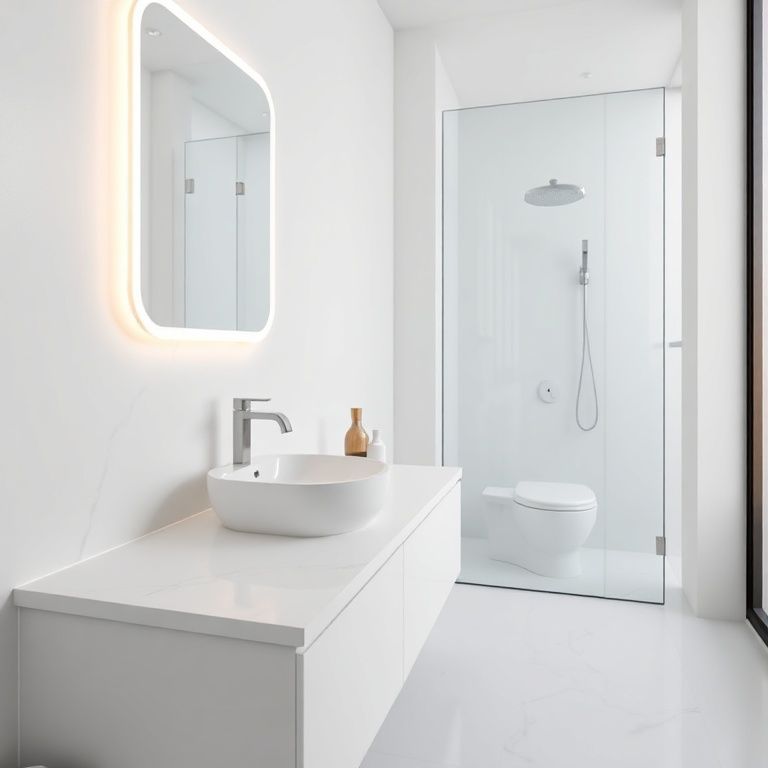
The Elegance and Value of General Marble: How Much Does Marble Cost Per Square Meter?
In the realm of luxury and timeless beauty, marble stands unrivaled as a symbol of elegance and sophistication. Known for its stunning natural patterns and versatility, marble has been a preferred choice for centuries in various applications from flooring to countertops. The question that often arises is, “How much does marble cost per square meter?” To answer this, we must explore the multifaceted world of marble, its different types, and the factors that influence its pricing.

The Timeless Appeal of Marble
Marble, a metamorphic rock formed from the transformation of limestone under pressure and heat, is celebrated for its unique, veined patterns that make every piece distinctly beautiful. It is renowned for its durability, natural beauty, and the ability to be polished to a stunning sheen. Marble’s timeless appeal is why it continues to be a preferred choice for high-end interior design and architectural projects.
Types of Marble: A Brief Overview
Marble comes in an array of colors and patterns, each type offering its unique aesthetic appeal. Some of the most popular types include:
Italian Marble: Known for its luxurious look, Italian marble is often used in high-end interior design. Varieties like Carrara and Botticino are especially prized for their classic beauty and versatility. Egyptian Marble: Famous for its historical significance, Egyptian marble like the famous Red Marble has been used in ancient monuments and is still highly sought after today. Turkish Marble: Renowned for its rich colors and intricate patterns, Turkish marble is a favorite in contemporary design. French Marble: Often used for its understated elegance, French marble offers a range of hues that add a touch of sophistication to any space.
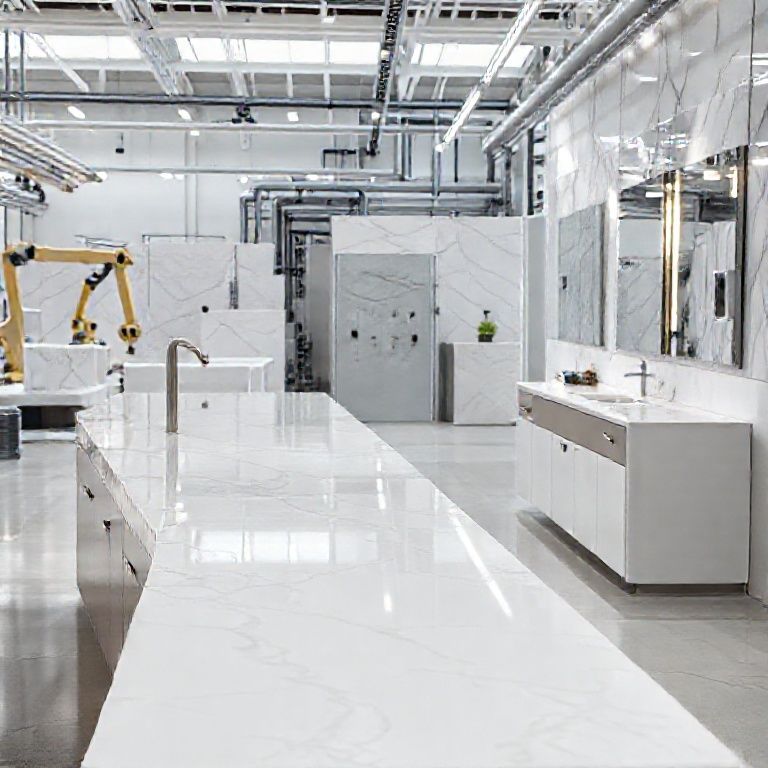
Factors Influencing Marble Pricing
When considering “how much does marble cost per square meter,” several factors come into play:
Type and Quality of Marble: The type and quality of marble significantly affect its price. Higher-quality marble with unique patterns and fewer inclusions will generally cost more. For instance, Carrara marble is often more expensive than other types due to its classic look and historical significance.
Color and Pattern: Marbles with more intricate and unique patterns or striking colors tend to be more expensive. The rarity and uniqueness of a marble’s pattern can drive up its cost per square meter.
Source and Provenance: Marble sourced from renowned quarries like Carrara in Italy or the historic mines of Egypt is typically more expensive. The reputation and history of the quarry can influence the price.
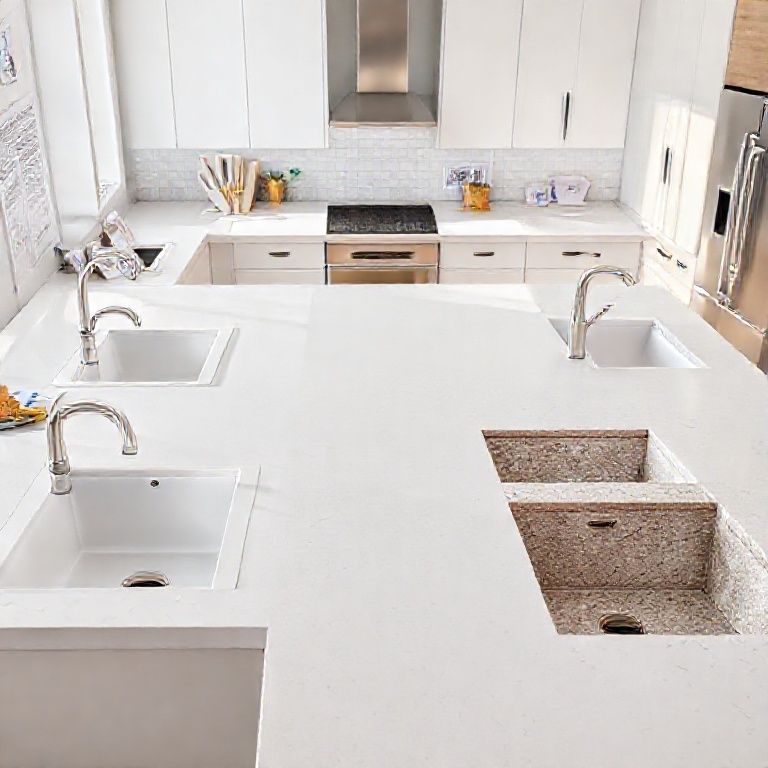
Thickness and Finish: The thickness of the marble and the finish it receives can also impact the cost. Thicker marble slabs and those that are polished to a higher sheen generally cost more.
Labor Costs: The cost of installation and any additional labor required can also affect the overall price. Marble installation, due to its delicate nature, often requires skilled labor, which can add to the expense.
Marble in Interior Design
The use of marble in interior design is not just about aesthetics; it’s also about functionality and durability. Marble’s natural beauty and resilience make it an excellent choice for high-traffic areas such as kitchens, bathrooms, and foyers. Its ability to withstand heavy use while maintaining its elegant appearance makes it a preferred material for both residential and commercial spaces.
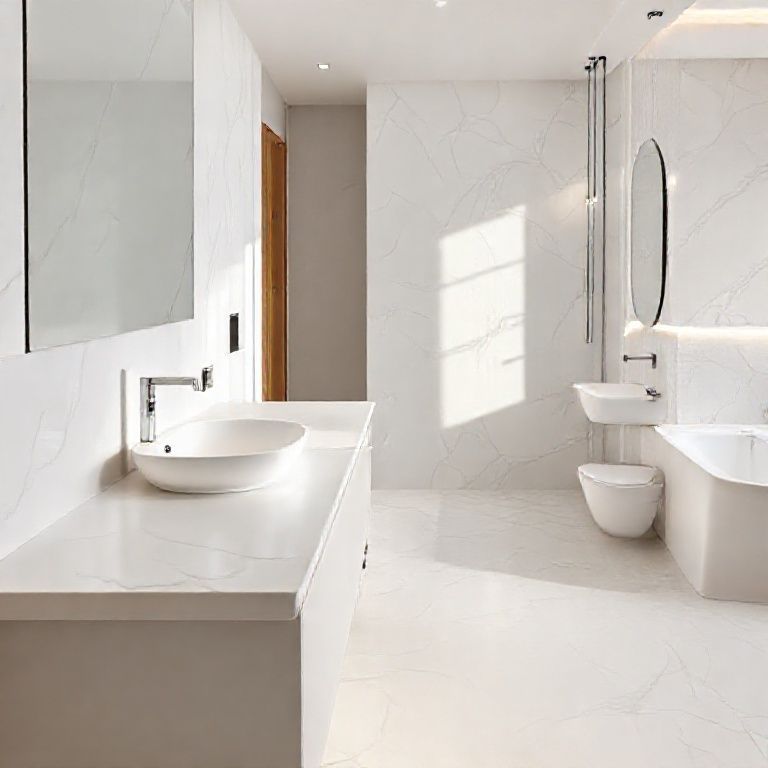
Marble Flooring: A Statement Piece
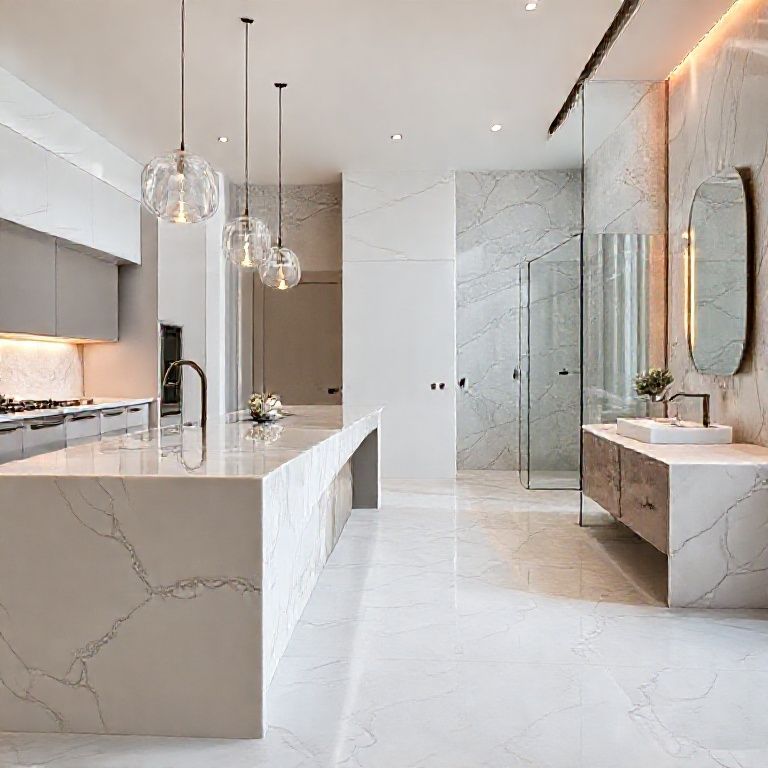
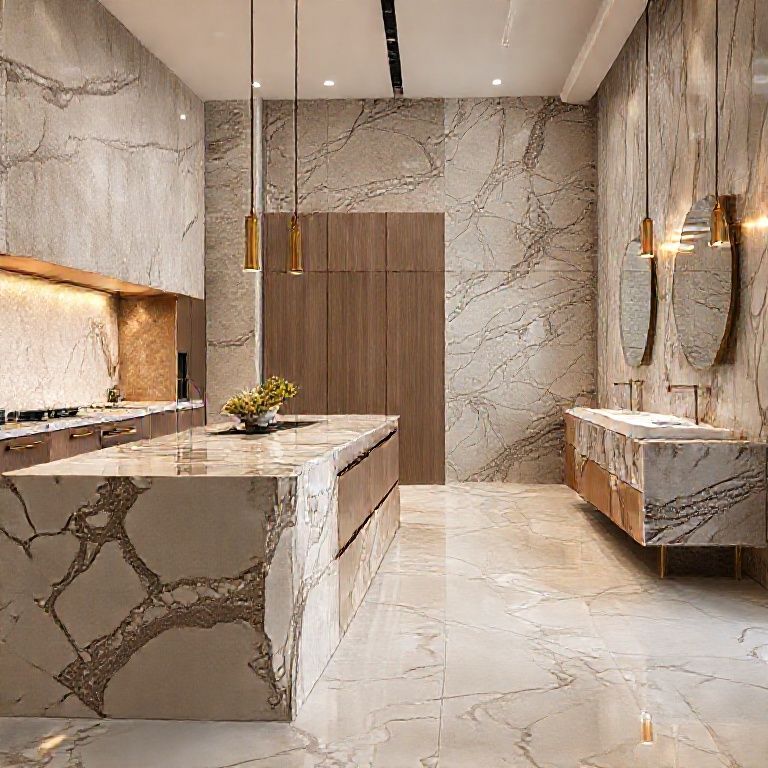
When it comes to flooring, marble can be a stunning focal point in any room. The rich colors and patterns of marble flooring can transform a space, adding warmth and elegance. Whether it’s a sleek marble floor in a modern kitchen or a classic marble tile pattern in a traditional living room, marble flooring can elevate the overall design.
Marble Countertops: Durability Meets Beauty
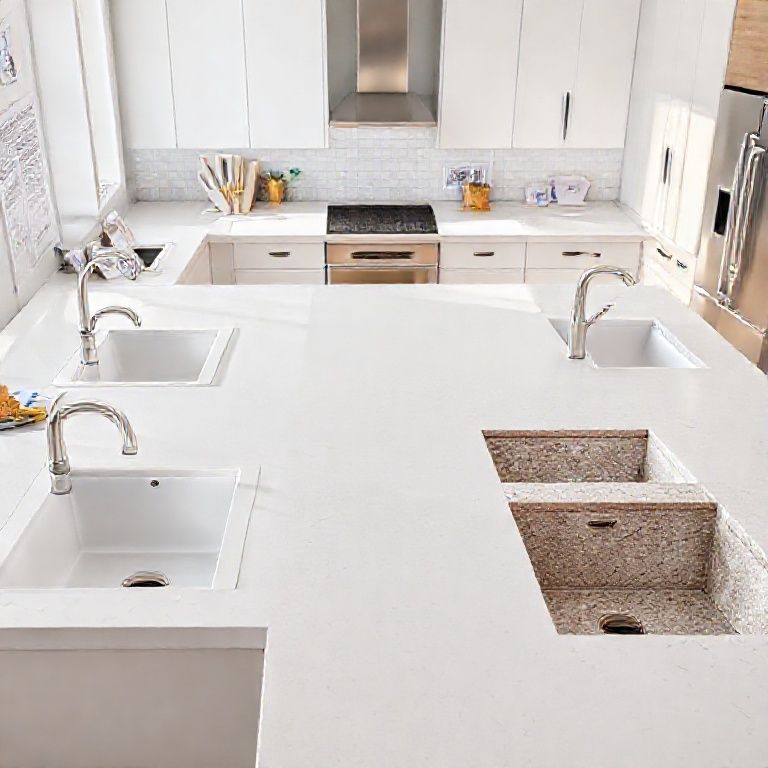
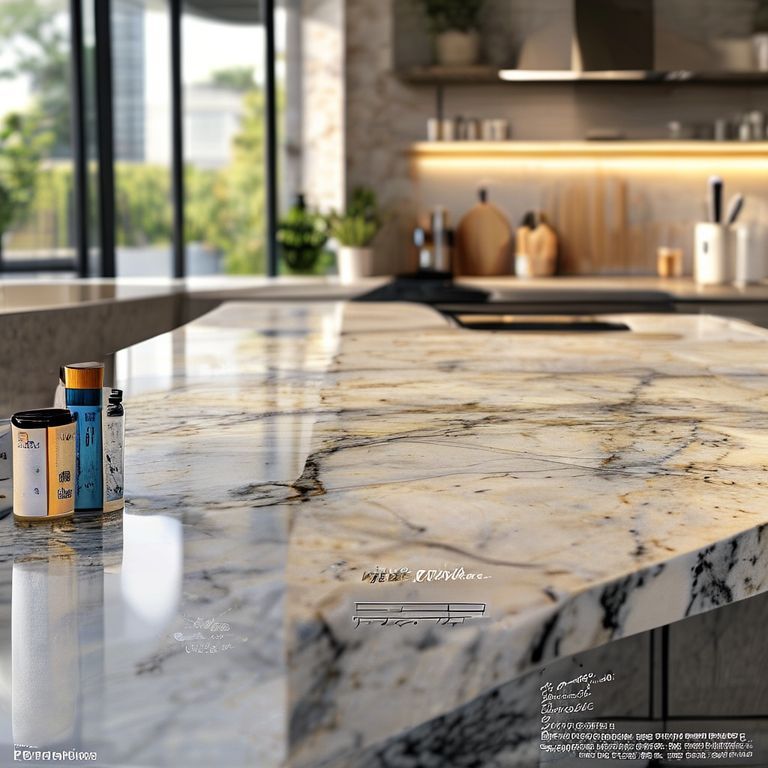
Marble countertops are another popular choice, offering a blend of beauty and functionality. They are highly durable and can withstand the daily wear and tear of kitchen use. While marble is softer than other stone types, proper sealing can help maintain its beauty and longevity. The smooth, polished surface of marble countertops provides a luxurious touch to any kitchen.
Conclusion
Understanding the cost of marble per square meter involves considering various factors, including the type, quality, and aesthetic appeal of the marble. The timeless elegance and versatility of marble make it a worthwhile investment for those seeking to add a touch of luxury to their space. In the next part of this article, we will delve deeper into the installation process, maintenance tips, and how to choose the right marble for your specific needs.
The Elegance and Value of General Marble: How Much Does Marble Cost Per Square Meter?
Continuing our exploration into the captivating world of marble, we now delve deeper into the installation process, maintenance tips, and how to choose the right marble for your specific needs. This segment aims to provide a comprehensive understanding of marble’s role in interior design and its long-term value.
Installation Process of Marble
The installation of marble requires careful planning and skilled execution to ensure durability and longevity. Here’s a closer look at the steps involved:
Preparation: Proper preparation of the surface is crucial. The area where marble will be installed must be clean, level, and free from any moisture. This ensures that the adhesive used can bond effectively with the marble.
Cutting and Fitting: Marble is a hard and brittle material, so cutting it requires specialized tools and expertise. Precision is key to ensure that the pieces fit perfectly without gaps. Custom cuts may be necessary for intricate designs or to fit around existing fixtures.
Adhesive Application: A high-quality adhesive is applied to the surface and the marble pieces are carefully placed. The adhesive must be spread evenly to ensure a strong bond. Proper curing time is essential to allow the adhesive to set properly.
Grouting and Sealing: Once the marble is in place, grout is used to fill the spaces between the pieces. Grouting helps to prevent dirt and moisture from seeping into the joints. After grouting, the surface is sealed to protect the marble from stains and scratches.
Finishing Touches: Finally, the surface is polished to achieve the desired sheen. Polishing enhances the beauty of the marble and helps to bring out its natural patterns.
Maintenance Tips for Marble
Marble, while beautiful and durable, requires proper care to maintain its elegance and longevity. Here are some essential maintenance tips:
Regular Cleaning: Use a mild, non-abrasive cleaner and a soft cloth to clean marble surfaces regularly. Avoid using harsh chemicals or abrasive scrubbers that can scratch the surface.
Immediate Stain Treatment: Marble can be susceptible to stains. If a spill occurs, it’s important to clean it immediately with a soft cloth and a gentle cleaner. For tougher stains, specialized marble cleaners can be used.
Regular Sealing: Over time, the protective seal on marble can wear off. Regular sealing with a high-quality marble sealant can help to protect the surface from stains and prolong its lifespan.
Avoiding Heat Sources: Marble can be damaged by direct heat. Avoid placing hot pots or pans directly on marble countertops and use trivets or heat-resistant pads to protect the surface.
Using Protective Pads: When placing items on marble surfaces, use protective pads to prevent scratches and dents.
Choosing the Right Marble for Your Needs
Selecting the right type of marble for your specific project involves considering several factors:
Purpose of Use: Different areas of a home or building have different needs. For high-traffic areas like kitchens and bathrooms, consider more durable types of marble. For decorative purposes, such as walls or flooring in living rooms, a more aesthetic marble type might be chosen.
Color and Pattern: The color and pattern of the marble should complement the existing décor and the overall design theme. It’s important to choose a marble that enhances the aesthetic appeal of the space.
Budget: Marble prices can vary significantly based on the type and quality. It’s important to set a budget and consider the cost per square meter. Remember that investing in higher-quality marble often leads to better durability and a more stunning appearance.
Installation and Maintenance Considerations: Consider the ease of installation and maintenance when choosing a type of marble. Some types may require more frequent sealing or have specific maintenance needs.
The Long-Term Value of Marble
The investment in marble, despite its higher upfront cost, often pays off in the long run. Marble’s durability, natural beauty, and timeless appeal make it a valuable addition to any space. Its ability to withstand wear and tear while maintaining its elegant appearance ensures that it remains a popular choice for both new constructions and renovations.
Conclusion
In conclusion, the cost of marble per square meter is influenced by a variety of factors including type, quality, color, and installation requirements. Proper installation, regular maintenance, and choosing the right type of marble based on your needs can maximize the beauty and longevity of your marble investment. The elegance and value of marble make it a worthwhile choice for those looking to add a touch of luxury to their space. Whether it’s for flooring,当然,继续我们之前的讨论,关于大理石的价格和其在室内设计中的应用。
大理石的长期投资价值
大理石不仅在短期内为空间带来美感,在长期使用中也展现出其独特的价值。虽然大理石的初始成本较高,但其耐用性和持久的美感使其成为一项值得投资的材料。以下几点进一步阐述了大理石的长期投资价值:
耐用性和耐磨性:大理石具有出色的耐用性,能够经受住日常的使用和磨损。特别是经过专业安装和保养的大理石,其耐用性进一步提高,使其在高频使用的区域,如厨房和浴室,依然能够保持良好的状态。
保值性:由于大理石的独特美感和耐用性,它在房地产市场上具有较强的保值性。许多房主因此能够在出售房产时获得较高的回报,因为大理石的使用往往会提升房产的整体价值。
易于清洁和维护:尽管大理石需要定期的保养,但其实际维护并不复杂。适当的清洁和定期的密封处理可以使大理石保持其光泽和美观。相比于一些其他材料,大理石在日常清洁上更加方便。
大理石在室内设计中的多样化应用
地板和墙面:大理石地板和墙面能够赋予空间一种高贵和典雅的氛围。无论是传统的复古风格还是现代简约风格,大理石都能够适应并提升设计效果。
厨房和浴室台面:大理石台面因其耐用性和美观性,常被用于厨房和浴室。它们不仅能够承受高温和湿度,还能提供一种高级感,使这些功能区域显得更加优雅。
家具和装饰品:大理石也被广泛用于制作家具和装饰品。例如,大理石桌面、椅背、书架等,不仅增添了空间的质感,还提供了独特的视觉效果。
艺术品和装饰:大理石还常用于雕塑和艺术品,为室内空间增添了一种古典的艺术氛围。这些装饰品不仅是美学上的亮点,还能提升空间的文化氛围。
环境和可持续性考虑
随着环保意识的增强,选择材料时的环境和可持续性考虑变得越来越重要。大理石在这方面有一些优点和缺点:
优点:大理石是天然材料,经过开采和加工后即可使用,不需要大量的化学处理。其耐久性和长寿命意味着更少的更换和废弃,从而减少了环境负担。
缺点:大理石的开采对环境可能会造成一定的影响,如土地破坏和生态系统破坏。因此,选择来自可持续管理的矿区的大理石,或者选购环保认证的产品,可以在一定程度上缓解这些问题。
大理石以其独特的美感、耐用性和多样化的应用场景,成为室内设计中的一个重要选择。无论是在提升空间美观性,还是在长期投资价值方面,大理石都展现出其不可忽视的价值。