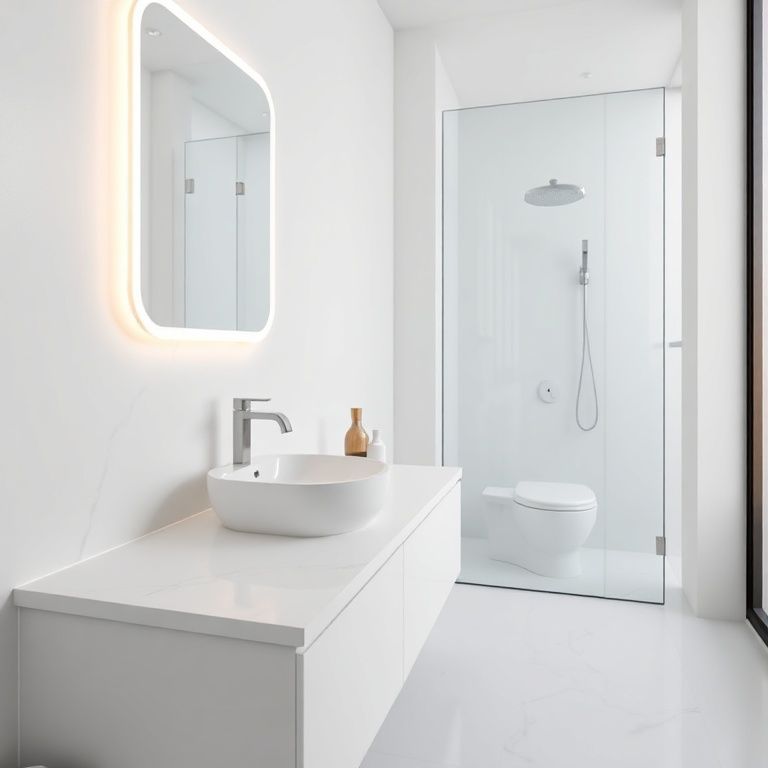
The Allure of Marble: An Introduction to Marble Unit Price Per Ton
Marble, with its timeless elegance and striking beauty, has been a cornerstone in luxury construction and design for centuries. From ancient temples to modern high-rises, marble’s versatility and durability make it a favored choice for architects, designers, and builders around the globe. However, understanding the intricacies of marble unit price per ton is essential for anyone looking to incorporate this magnificent material into their projects.

Factors Influencing Marble Unit Price Per Ton
The price of marble per ton can vary significantly based on several factors. These include the type of marble, its color, quality, and the region where it is sourced. Marble is categorized into various types, each offering unique characteristics that appeal to different design preferences.
Types of Marble: Marble Varieties: Marble is derived from metamorphosed limestone, and its varieties include Carrara, Bianco, and Rosso. Each type has its own unique aesthetic appeal and suitability for different applications. Color and Pattern: Marble’s color and pattern play a crucial role in determining its unit price. Marbles with rare and vibrant colors often command higher prices due to their exclusivity. Quality and Purity: Veining and Grain: The presence of intricate veining and a consistent grain can enhance the visual appeal of marble, thus increasing its value. Flaws and Imperfections: Marble with fewer imperfections is generally more expensive due to the higher demand for flawless surfaces in high-end applications. Source and Extraction: Geographical Location: Marble sourced from renowned quarries such as those in Italy, Spain, or Turkey tends to be more expensive due to their historical significance and the quality of their marble. Extraction Methods: The method of extraction and processing also influences the price. Sustainable and ethical extraction methods can affect the cost. Market Demand and Supply: Global Trends: The global demand for marble, influenced by trends in interior design, architecture, and luxury goods, affects the unit price per ton. Economic Factors: Fluctuations in the global economy, such as changes in currency values and trade policies, can also impact the cost of marble.
Marble in Modern Construction and Design
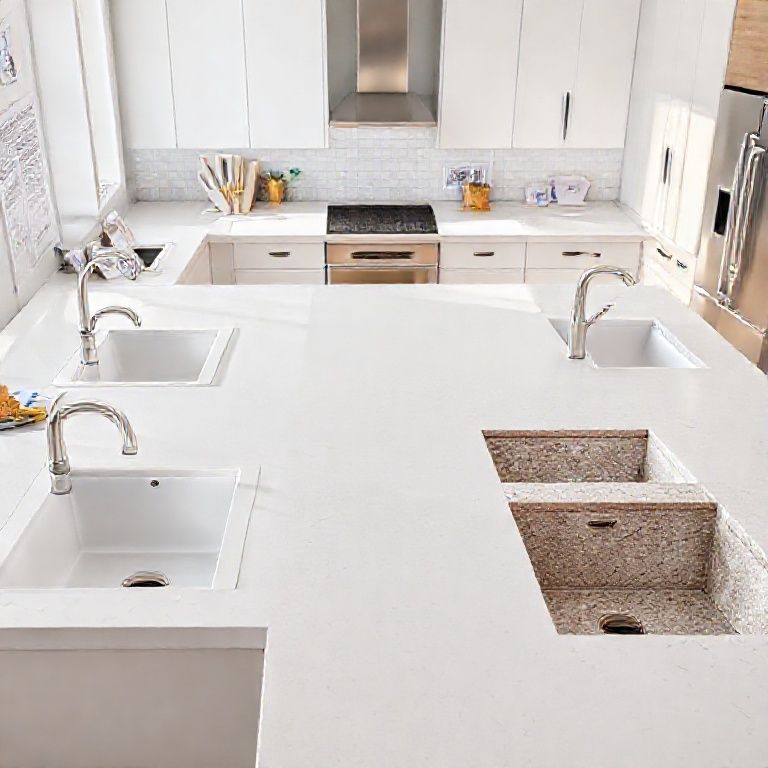
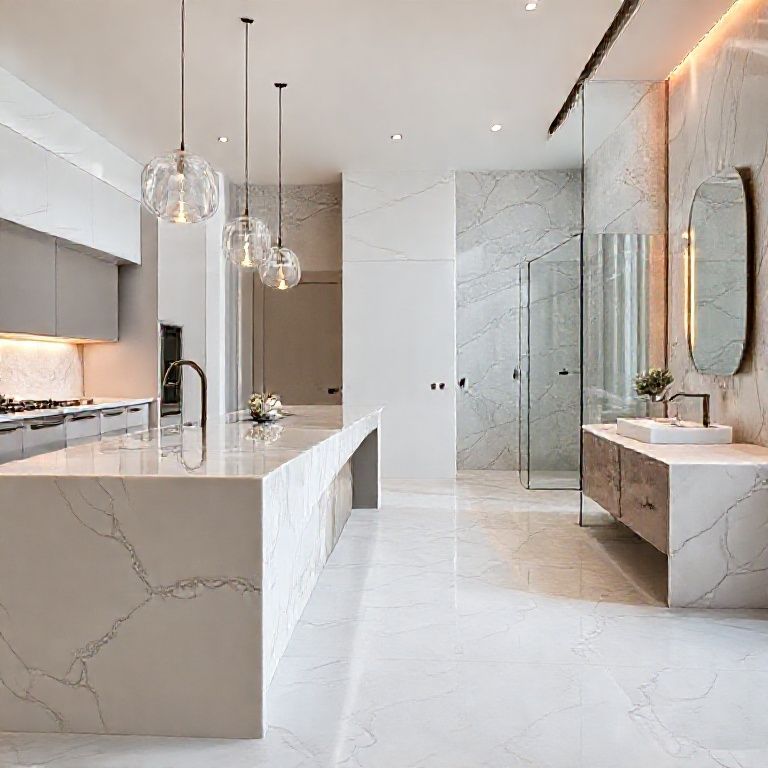
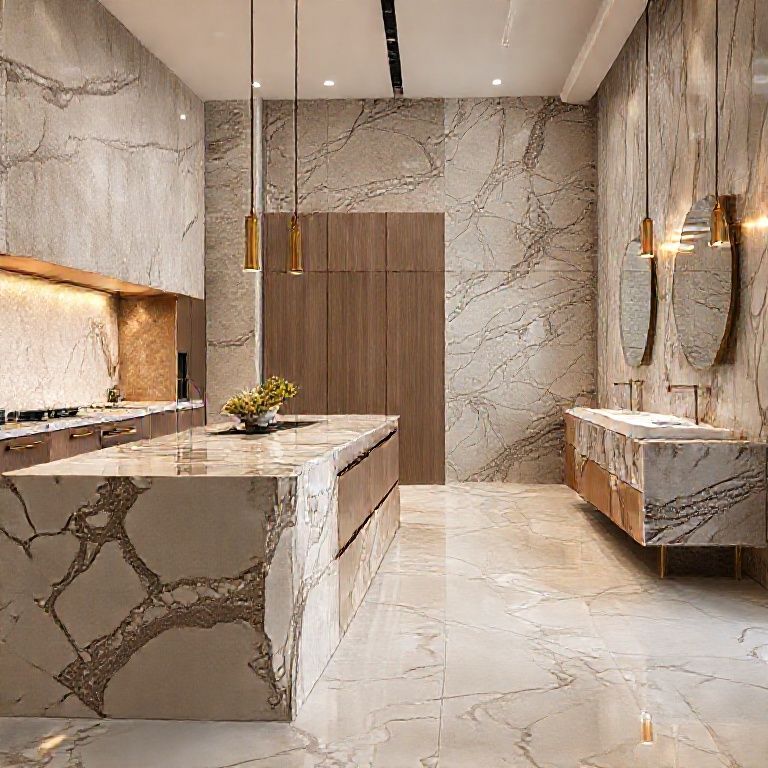
Marble’s enduring appeal lies in its ability to complement and enhance the aesthetics of various construction and design projects. Whether it’s for flooring, countertops, wall cladding, or sculptures, marble offers unmatched elegance and sophistication.
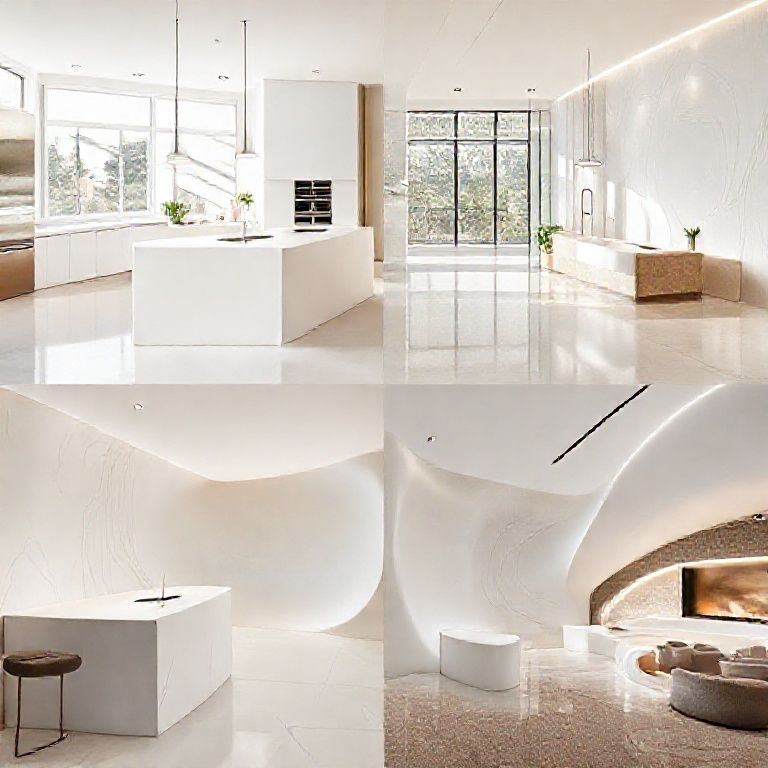
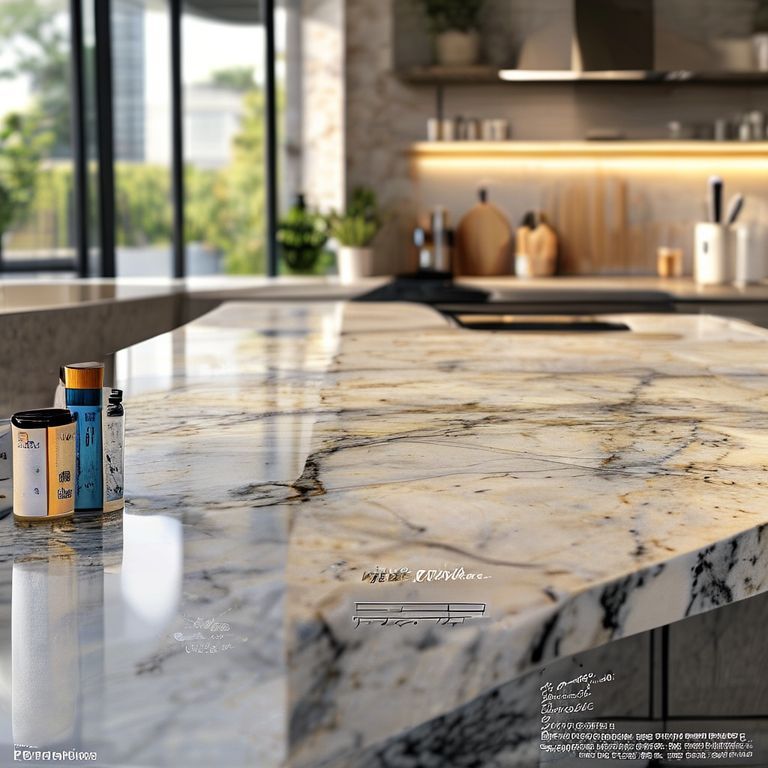
Flooring: Durability and Aesthetics: Marble flooring is known for its durability and timeless beauty. Its natural patterns and colors create a luxurious and inviting atmosphere. Maintenance: Despite its high cost, marble flooring is relatively low maintenance, requiring only periodic sealing to maintain its shine and integrity. Countertops: Kitchen and Bathroom Use: Marble countertops are a popular choice in kitchens and bathrooms due to their aesthetic appeal and durability. They provide a luxurious touch to everyday spaces. Worktop Durability: Although marble is softer than other natural stones, it can be polished and sealed to resist scratches and stains. Wall Cladding: Architectural Beauty: Marble is often used for wall cladding to add a touch of elegance and luxury to both interior and exterior spaces. Its natural beauty and texture make it a popular choice for high-end architecture. Installation: Proper installation and maintenance are essential to ensure the longevity of marble cladding. Sculptures and Art: Artistic Versatility: Marble’s smooth surface and fine grain make it an ideal medium for sculptors and artists. Its ability to capture intricate details and forms adds to its artistic appeal. Historical Significance: Marble has been used for centuries in art and sculpture, from ancient Greek statues to contemporary sculptures, showcasing its timeless beauty.
Conclusion of Part 1
Understanding the marble unit price per ton involves a deep dive into various factors that influence its cost. From the type and quality of marble to its source and market demand, each element contributes to the final price. Marble’s versatility and timeless elegance make it a valuable choice for luxury construction and design, justifying its premium price. As we explore further in the next part, we will delve deeper into the trends and future outlook of the marble market.
Trends and Future Outlook: Navigating the Marble Market
As we continue our exploration of marble, let’s delve deeper into the trends shaping the marble market and the factors that are likely to influence the marble unit price per ton in the future. Understanding these trends can provide valuable insights for buyers, architects, and designers looking to incorporate marble into their projects.
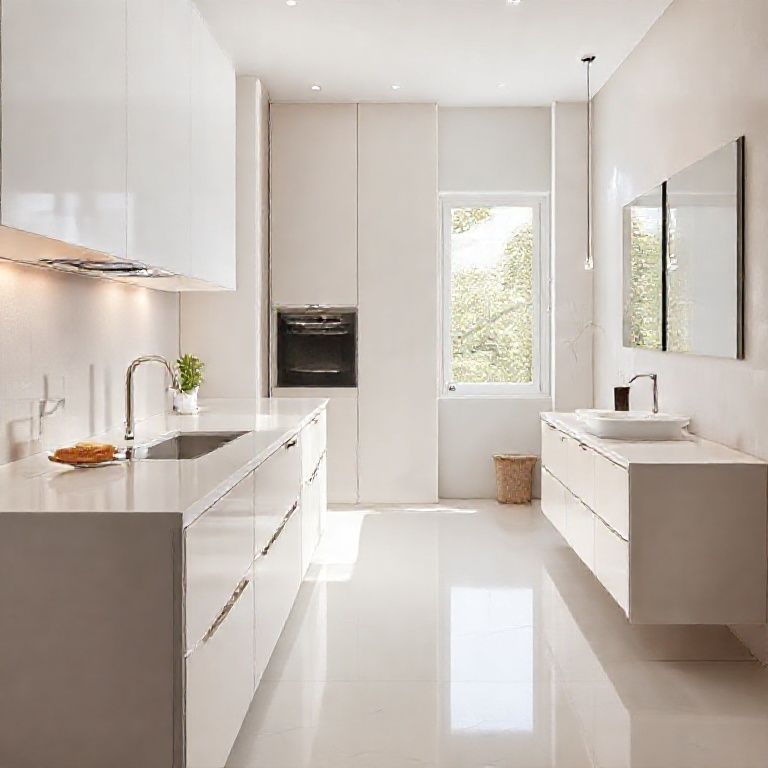
Current Trends in the Marble Market
The marble industry is dynamic, with several trends driving changes in its market. These trends are influenced by global economic conditions, technological advancements, and evolving design preferences.
Sustainability and Ethical Sourcing: Eco-friendly Practices: There is a growing emphasis on sustainable and ethical sourcing of marble. Consumers and designers are increasingly favoring marble that is extracted and processed using environmentally friendly practices. Certifications and Standards: Certifications such as Fair Trade and ISO standards are becoming more prevalent, ensuring that marble is sourced responsibly and ethically. Innovation in Processing: Surface Treatments: Technological advancements have led to innovative surface treatments for marble, enhancing its durability and resistance to stains and scratches. These treatments can also offer unique finishes and colors, expanding the design possibilities. Recycling and Reuse: Efforts to recycle and reuse marble waste are gaining momentum, contributing to more sustainable practices in the industry. Customization and Design: Tailored Solutions: Customization has become a significant trend, with designers offering tailored marble solutions that cater to specific project requirements. This includes unique cuts, colors, and finishes. Mixed Materials: The integration of marble with other materials, such as wood, glass, and metal, is creating innovative and visually striking designs. Market Demand and Economic Factors: Global Demand: The global demand for marble continues to grow, driven by its popularity in luxury construction and design. Emerging markets in Asia and South America are contributing to this demand. Economic Conditions: Fluctuations in economic conditions, such as changes in currency values and trade policies, can impact the supply chain and, consequently, the price of marble.
Future Outlook: The Road Ahead for Marble
The future of the marble market is influenced by several factors, including technological advancements, changing consumer preferences, and global economic trends. Here’s a closer look at what the future holds for marble and its unit price per ton.
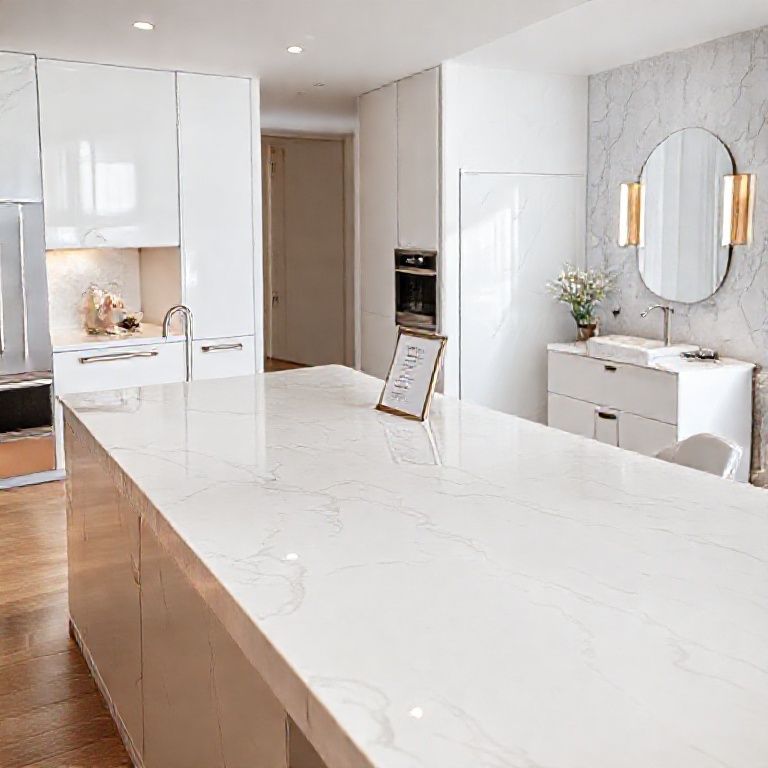
Technological Advancements: Advanced Processing Techniques: Innovations in processing techniques, such as laser cutting and precision polishing, are likely to enhance the quality and aesthetic appeal of marble, potentially affecting its price. Digital Design Tools: The use of digital design tools and 3D modeling is becoming more prevalent, allowing for more precise and innovative marble applications. Sustainability Trends: Green Building Practices: The rise of green building practices and sustainable architecture will likely drive demand for eco-friendly marble products. This trend will also impact the price, as sustainable practices often involve higher costs. Renewable Resources: The development and use of renewable marble resources, such as recycled marble, will become more common, contributing to a more sustainable and cost-effective marble market. Changing Consumer Preferences: Luxury and Customization: There is a continued preference for luxury and customization in design, which will support the demand for high-quality marble. Custom marble solutions tailored to specific project needs will remain popular. Cultural Influences: Cultural influences will continue to shape design trends, with different regions adopting and adapting marble in unique ways, influencing its popularity and price. Global Economic Factors: Trade Policies: Changes in global trade policies and economic conditions will have a significant impact on the supply chain and, consequently, the price of marble. Market Competition: Increased competition among marble suppliers and manufacturers will likely drive innovation and efficiency, potentially affecting the unit price per ton.
Conclusion of Part 2
The marble market is a complex and dynamic landscape, influenced by a multitude of factors ranging from technological advancements and sustainability trends to economic conditions and changing consumer preferences. As we look to the future, the continued emphasis on sustainability, innovation, and customization will shape the trends and outlook for marble.
Understanding the marble unit price per ton involves a comprehensive analysis of these factors, providing valuable insights for those looking to incorporate this exquisite material into their projects. Whether for flooring, countertops, wall cladding, or art, marble remains a timeless choice for luxury construction and design, offering unparalleled elegance and sophistication.
By exploring the multifaceted aspects of marble and its market dynamics, this article aims to provide提供一个全面的指导,帮助您更好地理解大理石单价的波动原因以及如何在采购和设计中有效利用这一材料。
在实际应用中,了解大理石单价的各项影响因素和未来趋势,将为您的项目决策提供重要参考。
大理石的环保和可持续发展趋势
绿色采石和加工技术:采用低碳排放的采石和加工技术,减少对环境的破坏。例如,通过精准的机械切割技术减少浪费,采用环保的抛光和处理工艺。
再生和再利用:推广大理石废料的再生和再利用。例如,将建筑拆除中产生的大理石碎片重新加工成地板或墙面材料,延长材料的使用寿命。
认证和标准:推动大理石产品获得国际环保认证,如ISO 14001(环境管理体系认证)等,确保产品符合全球环保标准。
大理石在高端建筑中的应用
豪宅和高端住宅:大理石常用于豪宅和高端住宅的地板、墙面、厨房台面和浴室装饰,展现出无与伦比的奢华感。
商业建筑:高档办公楼、酒店和购物中心等商业建筑中,大理石的使用不仅提升了空间的品质,还增强了建筑的商业价值。
文化和历史遗产:大理石在文化和历史遗产保护中也扮演重要角色。其耐久性和美观性使其成为修复和保护古建筑的首选材料。
如何在采购和设计中有效利用大理石
在采购和设计大理石材料时,以下几点建议将有助于您做出明智的决策:
选择高质量供应商:选择有信誉的供应商,确保材料的质量和环保标准。建议通过第三方认证和检测来验证供应商的材料质量。
详细的设计和规划:在设计阶段详细规划,以便精确估算所需材料的数量和成本。这有助于避免不必要的浪费和后期调整。
预算管理:合理控制预算,考虑到大理石的单价波动,在采购时可以灵活调整采购策略。例如,在价格上涨前提前采购或选择替代品。
后期维护和保养:大理石虽然耐用,但需要适当的维护和保养。定期清洁和保护,如使用专业的大理石保护剂,可以延长其使用寿命,提高投资回报率。
总结
大理石单价的波动受多种因素影响,了解这些因素并根据实际需求灵活应对,是成功利用大理石材料的关键。无论是在高端建筑、室内设计还是文化遗产保护中,大理石都展现出其独特的魅力和不可替代的价值。通过选择高质量供应商、详细的设计规划和合理的预算管理,您将能够充分发挥大理石的美学和功能价值,为您的项目增添无尽的优雅与魅力。