The Elegant Distinction Between Quartz Countertops and Granite Slabs
When it comes to choosing the perfect countertop for your kitchen or bathroom, the decision can be overwhelming. Among the myriad of options available, two materials often stand out for their elegance and durability: quartz and granite. Though both offer stunning aesthetics and impressive resilience, they differ significantly in several aspects, including appearance, maintenance, cost, and overall performance. Let’s embark on a detailed exploration of these two exceptional materials to help you make an informed decision.

Understanding Quartz Countertops
Appearance and Design Flexibility Quartz countertops are a marvel of modern technology, combining natural quartz with other minerals to create a stone-like surface that is both durable and customizable. Available in a vast array of colors and patterns, quartz offers unmatched design flexibility. You can mimic the look of almost any natural stone or opt for unique, bespoke designs that perfectly suit your vision. The seamless integration of colors and patterns makes quartz a versatile choice for any décor style, from minimalist to rustic.
Durability and Performance Quartz is 93% pure quartz by weight, making it one of the most durable countertop materials on the market. It is highly resistant to scratches, stains, and heat, ensuring longevity and a low maintenance requirement. Unlike natural stone, quartz does not absorb liquids or oils, which means spills and spills do not penetrate the surface. This feature makes quartz a practical choice for high-traffic areas where spills are common.
Maintenance and Care One of the most appealing aspects of quartz countertops is their low maintenance requirement. Since quartz does not absorb liquids, cleaning is as simple as wiping the surface with a mild soap and water solution. For tougher stains or stubborn marks, a specialized quartz cleaner can be used. While quartz is scratch-resistant, it is still recommended to avoid using metal utensils on the surface to prevent scratches. Regular cleaning will keep your quartz countertop looking pristine for years to come.
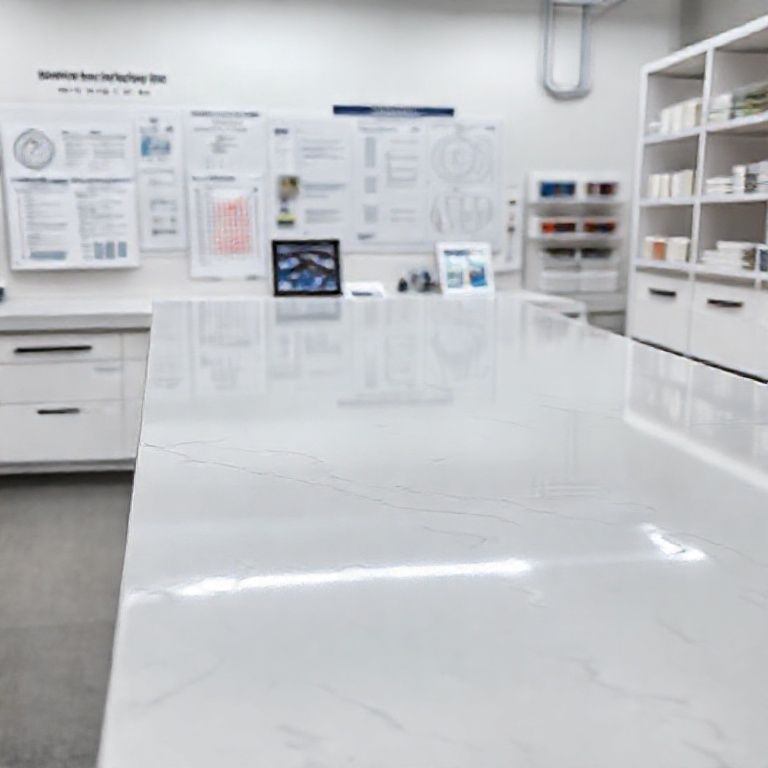
Cost Considerations Quartz countertops generally offer a broad range of pricing depending on the design and complexity. While the initial cost might be higher than some other materials, the durability and low maintenance make it a cost-effective choice in the long run. Additionally, the warranty provided by most quartz manufacturers often covers any manufacturing defects, giving you peace of mind for many years.
Granite Slabs: Timeless Beauty and Strength
Appearance and Design Granite is a natural stone that has been cherished for centuries for its timeless beauty and strength. Originating from the earth, granite offers a unique and natural look that cannot be replicated. The natural veining and color variations found in granite slabs provide a distinctive and elegant aesthetic that adds character to any space. Available in over 3,000 colors and patterns, granite allows for extensive customization to match any décor style, from contemporary to traditional.
Durability and Performance Granite is renowned for its exceptional durability and strength. It is one of the hardest natural stones, making it highly resistant to scratches and impacts. Granite countertops are also resistant to most acids, stains, and heat, ensuring that they can withstand daily wear and tear. However, unlike quartz, granite does absorb liquids and oils, which means that spills can penetrate the surface and stain the stone over time. To prevent this, granite requires regular sealing to maintain its appearance and longevity.
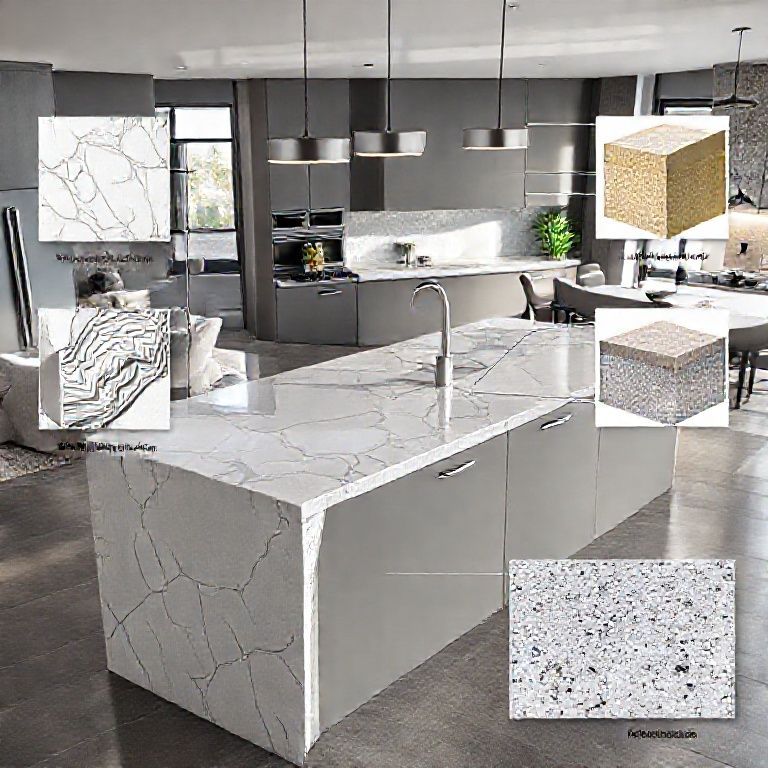
Maintenance and Care Maintaining granite countertops involves a bit more effort compared to quartz. After every use, it is essential to clean granite with a mild soap and water solution to remove any spills and prevent stains. Over time, the surface will need to be sealed to protect against staining and to maintain its natural beauty. While sealing is a straightforward process, it should be done every 6 to 12 months depending on the amount of use and exposure to stains. Using non-stick cookware and cutting boards can also help reduce the need for frequent sealing.
Cost Considerations Granite countertops typically range from moderate to high in cost, depending on the type and quality of the stone. Higher-end granite slabs can be quite expensive, but they offer a unique and natural beauty that often justifies the investment. The durability and timeless appeal of granite often lead to a higher return on investment over time. Additionally, granite countertops typically come with a warranty that covers manufacturing defects.
The Decision-Making Process
When choosing between quartz and granite, several factors come into play, including design preferences, maintenance requirements, and budget considerations. Here’s a quick guide to help you decide:
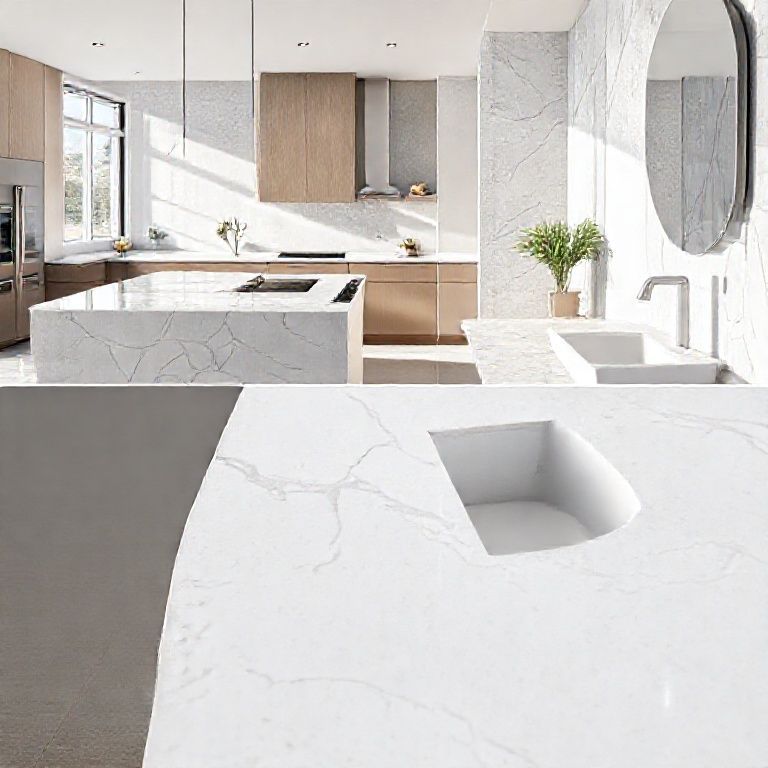
Design Preferences
If you prefer a customizable, stone-like appearance with a wide range of colors and patterns, quartz is an excellent choice. If you want a natural stone with unique veining and color variations that add character and authenticity, granite is the way to go.
Maintenance Requirements
For a low-maintenance option that is easy to clean and requires minimal upkeep, quartz is ideal. For a material that requires regular sealing to maintain its appearance, granite is the better option.
Budget Considerations
Quartz offers a balance of durability and low maintenance, though it may have a higher upfront cost. Granite provides a unique and natural look at a potentially higher cost, but its timeless appeal and durability may offer better long-term value.
Conclusion
Both quartz and granite countertops offer exceptional quality, beauty, and durability. Quartz provides a customizable, low-maintenance option that is highly resistant to stains and heat, making it ideal for those who value ease of care. Granite offers a natural, timeless beauty with unique veining and color variations that add character to any space, though it requires more maintenance to maintain its appearance. By understanding the distinct advantages and requirements of each material, you can make a well-informed decision that best suits your needs and preferences. Whether you choose the sleek, modern look of quartz or the classic, natural beauty of granite, both materials promise to enhance the elegance and functionality of your kitchen or bathroom.