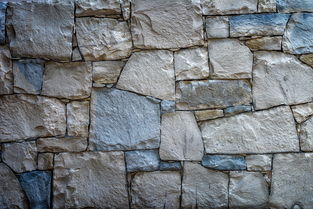
The Emergence of Artificial Quartz vs. The Timeless Appeal of Marble
In the realm of interior design, the quest for beauty, durability, and practicality often leads homeowners and designers to consider high-quality materials that can stand the test of time. Among these contenders, artificial quartz and marble stand out as two of the most popular choices. Both materials have carved their niches due to their unique characteristics and the advantages they bring to various applications. Let’s delve into the emergence and characteristics of artificial quartz, juxtaposed with the timeless appeal of marble.

The Rise of Artificial Quartz: A Modern Marvel
Artificial quartz, also known as engineered stone, has emerged as a revolutionary material in recent years. This innovative product is created by combining crushed stone with resin, which is then heated and pressurized to form a single, solid piece. The result is a material that boasts an impressive combination of strength, durability, and aesthetic versatility.
Unmatched Durability: One of the standout features of artificial quartz is its exceptional durability. It is highly resistant to scratches, stains, and chips, making it an ideal choice for high-traffic areas such as kitchens and bathrooms. Unlike natural stone, artificial quartz does not require sealing to prevent staining, which adds to its low-maintenance appeal.
Design Versatility: Artificial quartz offers a virtually limitless range of colors, patterns, and finishes, allowing designers to create custom designs that perfectly match their vision. Whether you want a sleek, minimalist look or a more ornate, traditional aesthetic, artificial quartz can be crafted to fit your needs.
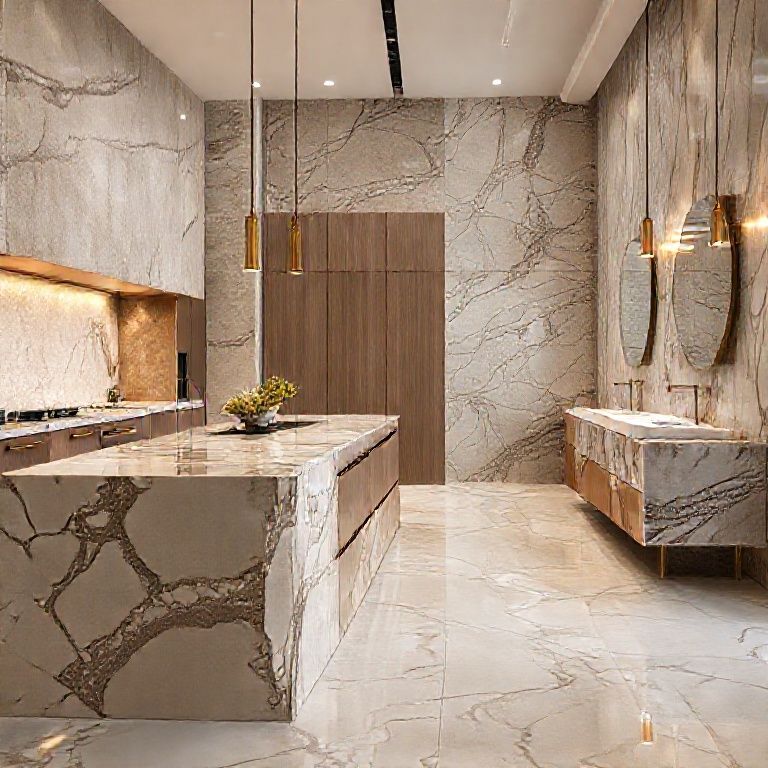
Cost-Effectiveness: Given its durability and versatility, artificial quartz often proves to be a cost-effective solution compared to natural stone. Its manufacturing process allows for the creation of larger, uninterrupted surfaces, reducing waste and lowering costs.
Marble: The Timeless Classic
Marble, on the other hand, has been a favored material for centuries, revered for its natural beauty and luxurious feel. Made from the metamorphic transformation of limestone, marble is prized for its unique veining and color variations, which create a natural, organic beauty.
Natural Beauty: Marble’s most celebrated attribute is its natural beauty. The intricate veining and color variations that occur naturally during the stone’s formation result in a unique pattern that is not replicated anywhere else. This one-of-a-kind quality makes marble an excellent choice for those seeking to add a touch of natural elegance to their space.
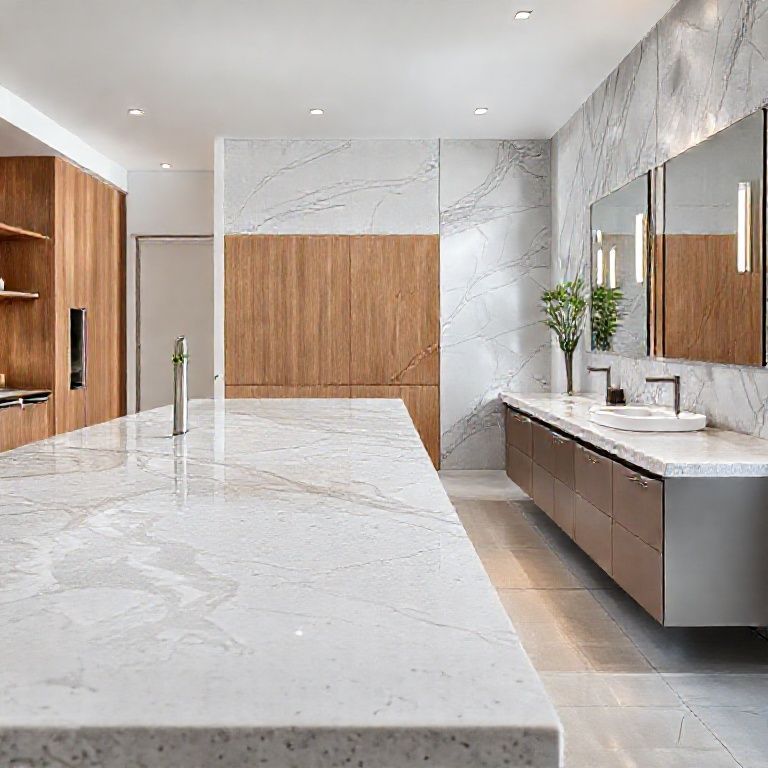
High-End Aesthetics: Marble has long been associated with luxury and opulence. Its use in high-end homes, commercial buildings, and public spaces underscores its status as a premium material. The smooth, polished surface of marble adds to its luxurious appeal, making it a popular choice for kitchen countertops, bathroom vanities, and even flooring.
Maintenance Requirements: Despite its beauty, marble does require some maintenance. It is relatively soft compared to other stones, which means it is susceptible to scratches and staining. Therefore, it often needs sealing to protect its surface, and regular cleaning to maintain its pristine look.
Conclusion: Choosing Between Innovation and Tradition
The choice between artificial quartz and marble ultimately hinges on your specific needs and preferences. Artificial quartz offers unmatched durability, versatility, and cost-effectiveness, making it a modern marvel that can cater to a wide range of design aesthetics. On the other hand, marble’s natural beauty and timeless elegance make it a classic choice that continues to captivate and inspire.
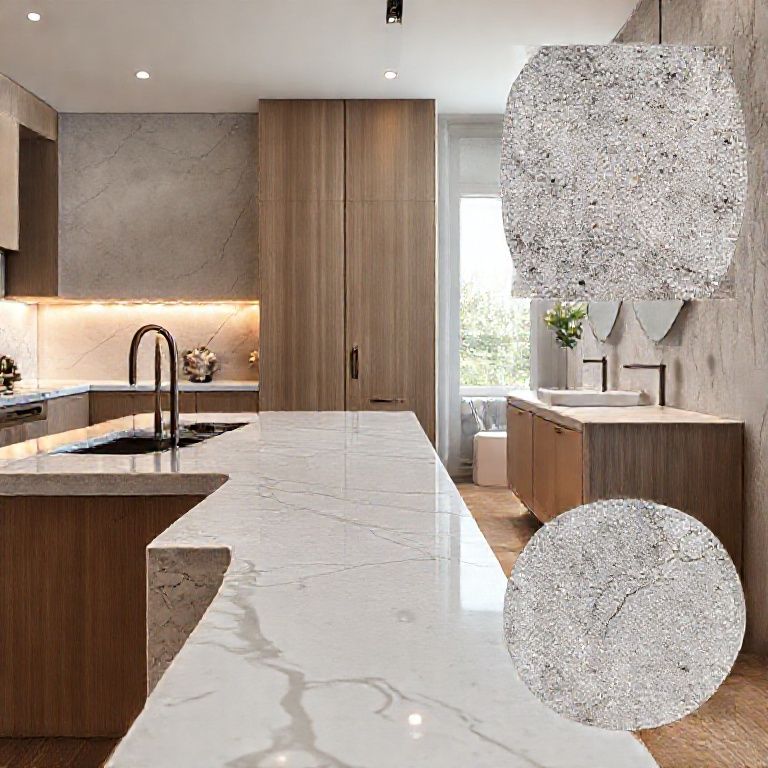
In the next part, we will explore the specific applications of these materials in more detail, examining how their unique properties influence their use in various settings, from residential homes to commercial projects.
Applications and Design Trends in Artificial Quartz vs. Marble
Having explored the fundamental characteristics and unique attributes of artificial quartz and marble, it’s time to delve deeper into their specific applications and how they are influencing contemporary design trends. This part will examine how the durability, aesthetic appeal, and maintenance requirements of these materials shape their use in various settings, from residential homes to commercial projects.
Artificial Quartz: Versatile Applications in Modern Design
Artificial quartz has quickly become a favorite in modern design due to its versatile nature and the myriad of ways it can be incorporated into various settings.
Kitchen Countertops: Artificial quartz’s durability and resistance to scratches, stains, and chips make it an excellent choice for kitchen countertops. Its ability to mimic the appearance of natural stone without the associated maintenance issues has made it a top pick for both residential and commercial kitchens. The seamless, uninterrupted surfaces of artificial quartz allow for sleek, modern designs that are easy to clean and maintain.
Bathroom Vanities and Flooring: In bathrooms, artificial quartz is often used for vanities and countertops due to its water-resistant properties. Its durability ensures that it can withstand the constant exposure to water and humidity without degrading over time. Additionally, its resistance to scratches and stains makes it a practical choice for flooring, where it can provide a beautiful, low-maintenance surface.
Interior Design Elements: Beyond kitchens and bathrooms, artificial quartz is increasingly being used in interior design elements such as tabletops, bar tops, and even decorative features like columns and wall cladding. Its versatility allows designers to create unique, custom designs that can seamlessly blend with various architectural styles, from minimalist to ornate.
Marble: Timeless Elegance in Classic and Contemporary Settings
Marble’s enduring appeal lies in its natural beauty and luxurious feel, making it a timeless choice for both classic and contemporary design settings.
Residential Homes: In residential settings, marble is often used for kitchen countertops, bathroom vanities, and flooring. Its natural veining and color variations add a touch of elegance and uniqueness to any space. Marble’s smooth, polished surface provides a tactile, luxurious feel that is highly sought after in high-end homes.
Commercial Projects: Marble’s timeless elegance also makes it a popular choice for commercial projects, including offices, hotels, and public buildings. Its luxurious appearance can enhance the prestige and sophistication of a space, making it an ideal choice for areas where a sense of grandeur is desired. Marble is often used for flooring, wall cladding, and decorative elements in commercial spaces.
Art and Sculpture: Beyond architecture and interior design, marble’s unique qualities have made it a favored material for sculptors and artists for centuries. Its ability to be finely carved and polished allows for the creation of intricate and beautiful artworks that have stood the test of time.
Design Trends and Future Directions
As design trends continue to evolve, both artificial quartz and marble are adapting to meet the changing needs and preferences of designers and homeowners.
Sustainable Design: With a growing emphasis on sustainability, artificial quartz’s manufacturing process, which uses less natural stone and produces fewer emissions, makes it an environmentally friendly choice. Its durability also means that it requires less frequent replacement, contributing to its eco-friendly credentials.
Customization and Innovation: Advances in manufacturing technology are enabling more customization and innovation in artificial quartz. Designers can now create bespoke designs and patterns that were previously impossible, pushing the boundaries of what is achievable with this material.
Marble’s Enduring Appeal: Despite the rise of artificial quartz, marble continues to hold a special place in the hearts of many designers and homeowners. Its timeless elegance and natural beauty remain highly valued, and ongoing innovations in its preservation and maintenance continue to enhance its appeal.
Conclusion: Balancing Innovation and Tradition in Design
The choice between artificial quartz and marble ultimately depends on your design vision, maintenance preferences, and budget. Artificial quartz offers unparalleled versatility, durability, and low-maintenance appeal, making it ideal for modern, minimalist designs. Marble, with its natural beauty and timeless elegance, remains a classic choice for those seeking to add a touch of luxury and sophistication to their space.
As design trends continue to evolve, both materials will undoubtedly continue to influence and shape the future of interior and exterior design. Whether you opt for the innovation of artificial quartz or the timeless charm of marble, both materials offer unique and compelling reasons to enhance the beauty and functionality of your space.
This comprehensive comparison should provide you with a clear understanding of the advantages and applications of artificial quartz and marble, helping you决定哪种材料最适合您的项目时,考虑到各种因素。
让我们继续深入探讨一些关键点,以帮助您做出更明智的选择。
价格和预算
成本比较: 人造石英石(Artificial Quartz): 由于其制造过程相对简单且大规模生产,人造石英石的成本通常比天然大理石低。但具体价格会根据品牌、设计复杂度和市场需求而有所不同。 大理石(Marble): 天然大理石的价格因其稀有性和天然美感而显著高于人造石英石。
天然大理石的价格还受到其纹理、颜色和来源地的影响。 长期成本: 人造石英石: 由于其耐用性和不需要频繁维护,长期来看,人造石英石可能会减少维护和修复成本。 大理石: 虽然初始成本高,但需要定期保养以防止污渍和损坏,长期来看这些维护费用可能会增加。
耐用性和耐用性
耐污渍性: 人造石英石: 由于其高耐污性,人造石英石不需要经常性的密封处理,这使其在厨房和浴室等高使用频率区域非常受欢迎。 大理石: 天然大理石对酸性和碱性物质敏感,需要定期密封以防止污渍渗透,特别是在厨房和浴室。 耐磨性和硬度: 人造石英石: 人造石英石非常耐用,抗刮擦和抗撞击,硬度高达摩氏硬度6-7,非常适合高流量区域。
大理石: 虽然大理石具有独特的美感,但其硬度较低,只有摩氏硬度3-4,容易被刮擦和划伤。
美学和风格
视觉效果: 人造石英石: 由于可以通过调配不同的颜色和纹理,人造石英石可以模仿各种天然石材的外观,但其光泽和触感通常不如天然大理石。 大理石: 大理石天然的花纹和颜色组合给人一种高贵和经典的感觉,是许多高端设计中的首选。 灵活性: 人造石英石: 由于其可塑性强,可以制造出各种形状和尺寸的表面,适应于现代简约设计和定制化需求。
大理石: 由于其天然的性质,大理石的尺寸和形状受到限制,设计上有一定的局限性。
环境影响
可持续性: 人造石英石: 其生产过程通常比开采和运输天然大理石更为环保,因为它不需要挖掘和运输天然矿物。但其成分中的树脂和其他添加剂也需要考虑环境影响。 大理石: 天然大理石的开采对环境有一定影响,包括土地破坏和碳排放,但其一旦使用完好保养,可以长时间使用,具有一定的可持续性。
安装和维护
安装: 人造石英石: 由于其硬度高,人造石英石的安装相对简单,但需要专业人员来确保正确安装和处理。 大理石: 安装大理石通常需要更多的细心和技术,特别是在切割和打磨过程中,需要专业技能。 维护: 人造石英石: 由于其低维护需求,人造石英石在日常清洁上非常方便,只需要简单的擦拭和偶尔的专业清洁。
大理石: 天然大理石需要定期密封和专业清洁,以保持其光泽和防止污渍。
结论
在选择人造石英石还是大理石时,您需要综合考虑预算、美学偏好、耐用性要求和维护能力。如果您追求低维护、耐用且经济的选择,人造石英石可能更适合您。而如果您更看重天然美感和高端质感,且能够承担其维护成本和风险,那么天然大理石则是更好的选择。
无论选择哪种材料,最终的决定应基于您的具体需求和设计理念。