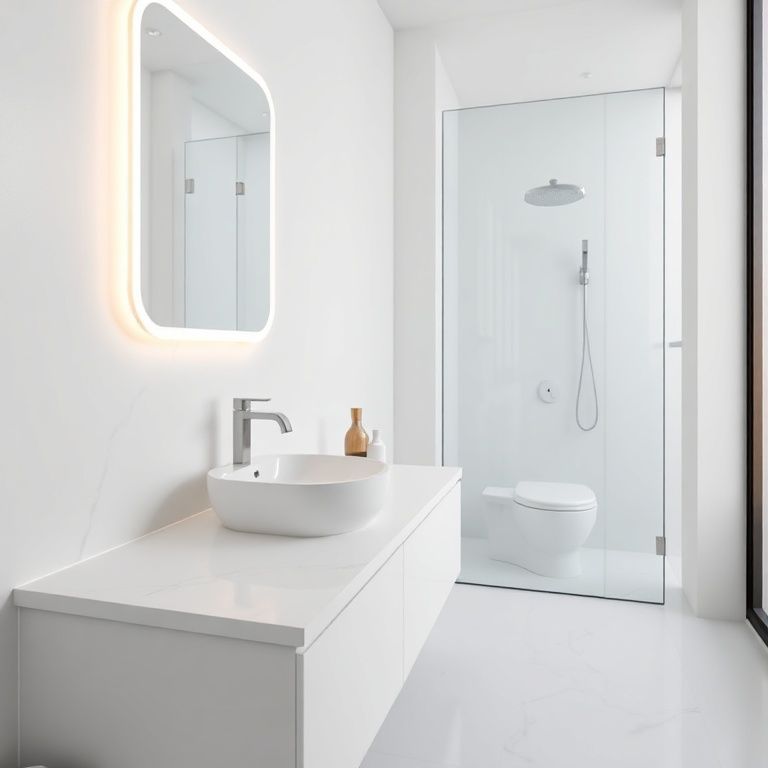
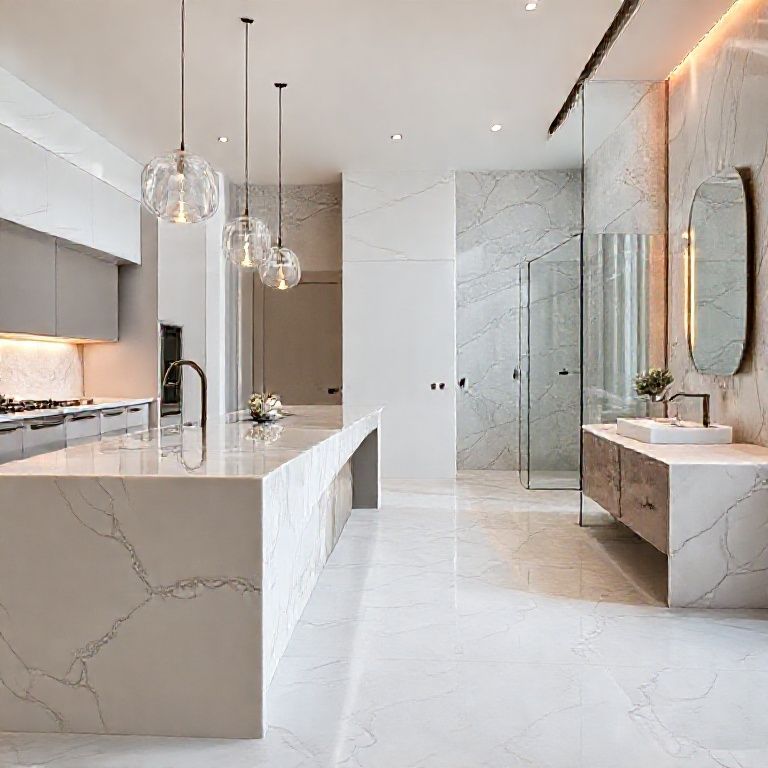
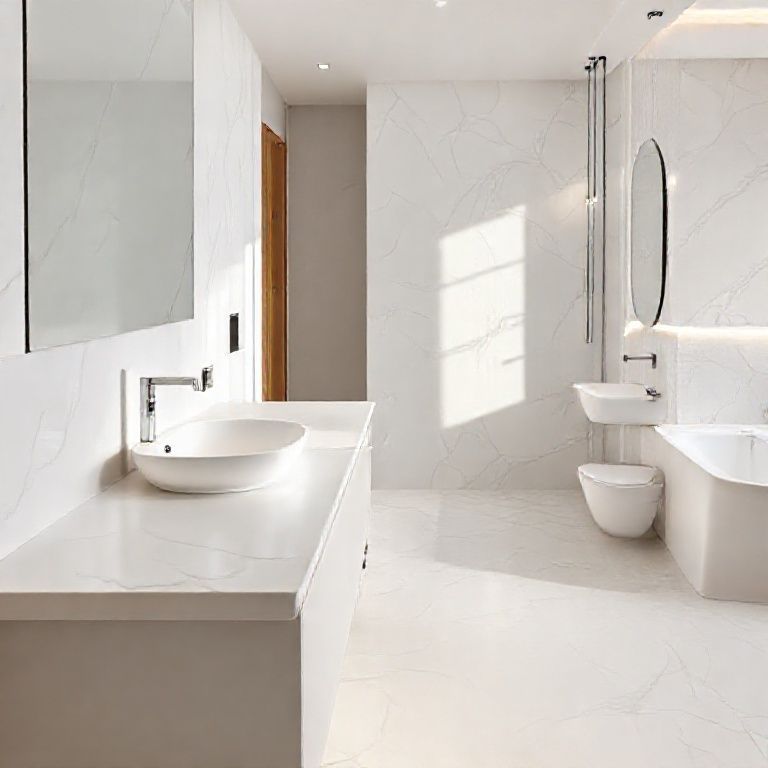
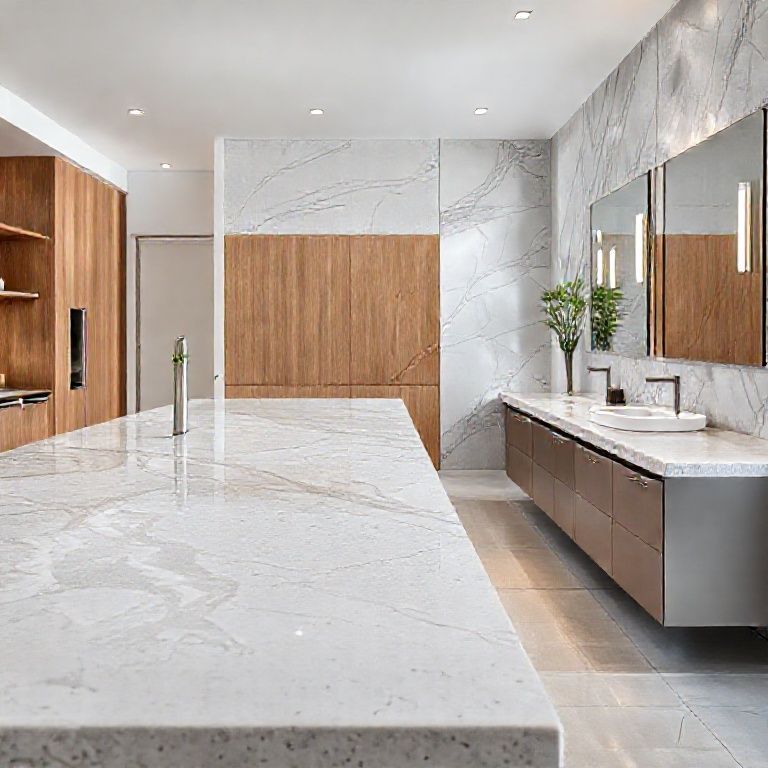
Unveiling the Visual Symphony of Artificial vs. Natural Marble
Introduction
In the realm of luxury and elegance, marble stands as a timeless testament to beauty and sophistication. Whether adorning the countertops in your kitchen or gracing the facade of a prestigious building, marble’s allure is undeniable. However, when it comes to choosing between artificial marble and natural marble, it’s essential to delve deeper into their unique characteristics. This first part of our comparison focuses on the visual symphony of artificial and natural marble, highlighting their distinct appearances and textures.

The Natural Marvel: Visual Splendor of Real Marble
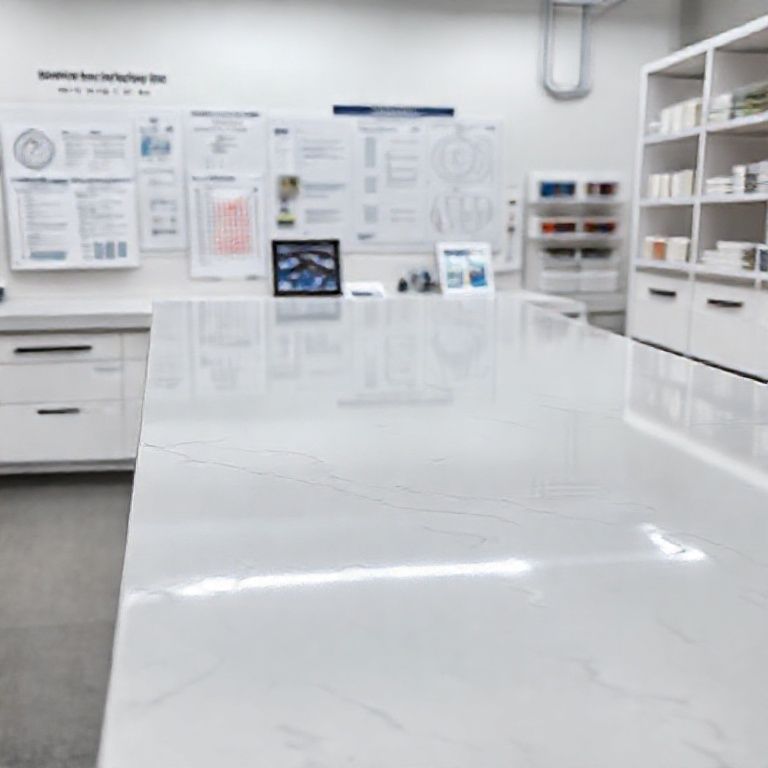
Natural marble, sourced from the earth’s ancient depths, offers a breathtaking spectrum of colors and patterns that are as unique as they are beautiful. The veins and swirls that characterize natural marble are a result of millions of years of geological processes. Each piece of natural marble is a one-of-a-kind artwork, featuring intricate and often unpredictable patterns that make every slab a unique masterpiece.
Visually, natural marble exudes a timeless elegance that is hard to replicate. The subtle gradations of color, the delicate veining, and the rich, organic textures contribute to its unparalleled aesthetic appeal. For instance:
Color Palette: Natural marble comes in an array of colors ranging from pure white to deep, rich blacks. Marbles like Calacatta, Carrara, and Emperador exhibit a striking contrast of white veins against a creamy background, while others like Rosso Verona display dramatic hues of red and pink. Texture: The texture of natural marble is inherently uneven, with a slightly rough surface that adds to its natural beauty. The tactile experience of running your fingers over a slab of natural marble is a sensory delight, offering a sense of authenticity and antiquity. Pattern: The patterns in natural marble are often asymmetrical, adding to the unique character of each piece. These patterns are not only visually stunning but also tell a story of the earth’s geological history.
The Modern Marvel: The Artistry of Artificial Marble
Artificial marble, also known as engineered or synthetic marble, offers a contemporary solution for those seeking the beauty of marble without the price tag and maintenance demands of natural stone. Though it mimics the look and feel of natural marble, artificial marble is a composite material made from various ingredients, including quartz, acrylic, and pigments.
Visually, artificial marble is engineered to replicate the stunning aesthetics of natural marble with precision. Here’s how it stands out:
Color and Pattern: Artificial marble can replicate the intricate patterns and colors of natural marble with remarkable fidelity. Designers can choose from a wide range of colors and patterns, allowing for endless creative possibilities. For instance, artificial marble can be crafted to look like any natural marble slab, from the soft elegance of Bianco Carrara to the bold appeal of Nero Marquina. Consistency: One of the most significant advantages of artificial marble is its consistency. Unlike natural marble, where each piece is unique, artificial marble can be manufactured to exact specifications, ensuring uniformity in color, pattern, and texture. Texture: While artificial marble can mimic the natural texture of marble to a high degree, it often has a smoother finish. This can be both a pro and a con, depending on the desired aesthetic. The smooth finish makes it easier to clean but may lack the rugged charm of natural marble.
Comparative Visual Exploration
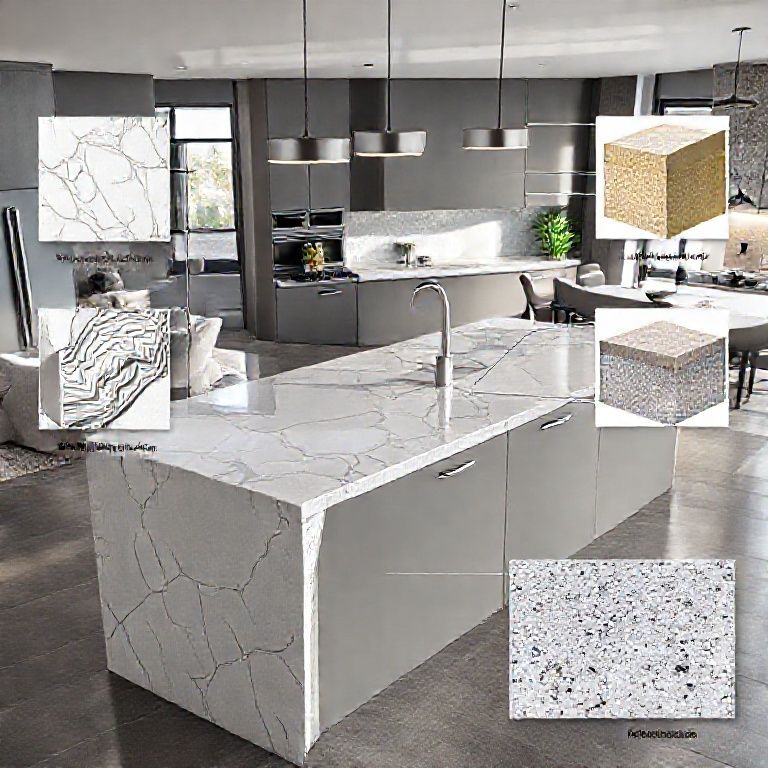
To truly appreciate the differences between artificial and natural marble, a side-by-side visual comparison is invaluable. Here, we present a series of images showcasing the distinct features of each material:
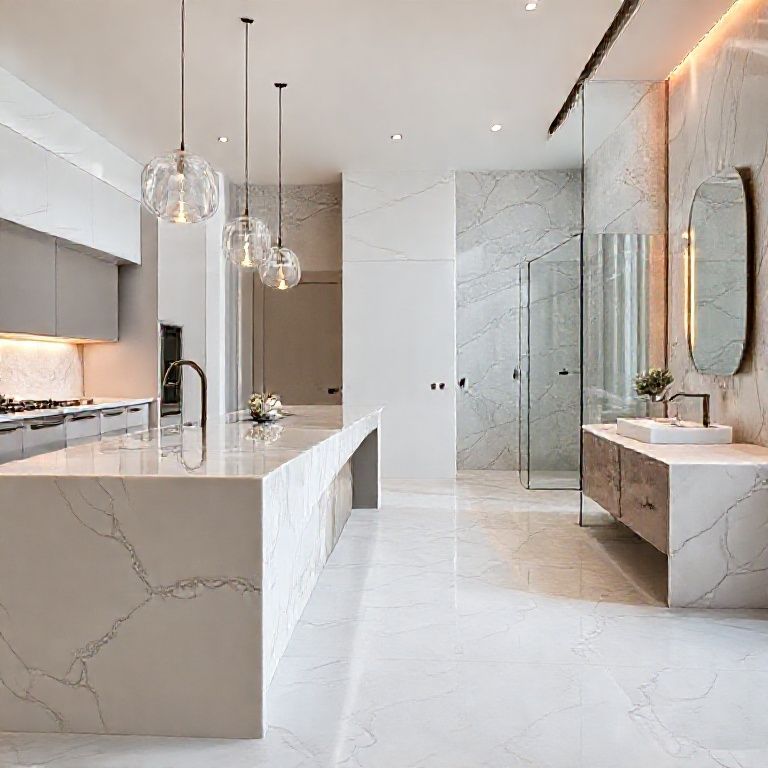
Calacatta vs. Artificial Calacatta: In these images, the natural Calacatta marble’s creamy base with delicate white veining is juxtaposed with the artificial counterpart. Notice the subtle differences in veining consistency and color depth.
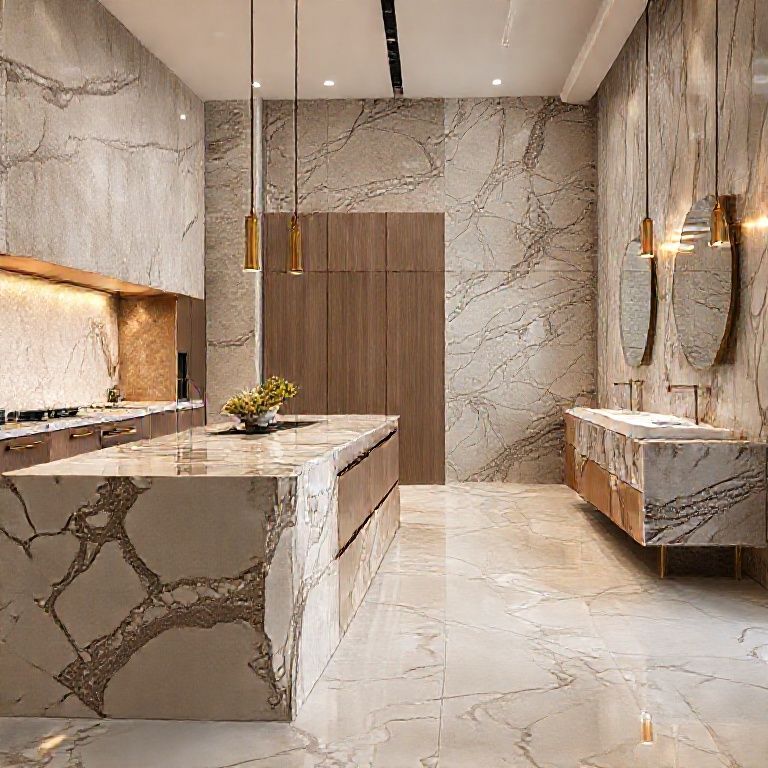
Emperador vs. Artificial Emperador: This comparison highlights the natural marble’s rich, dark hues with intricate veining against the meticulously crafted artificial version. Pay attention to the texture and how the artificial version matches the natural’s aesthetic while maintaining a consistent finish.
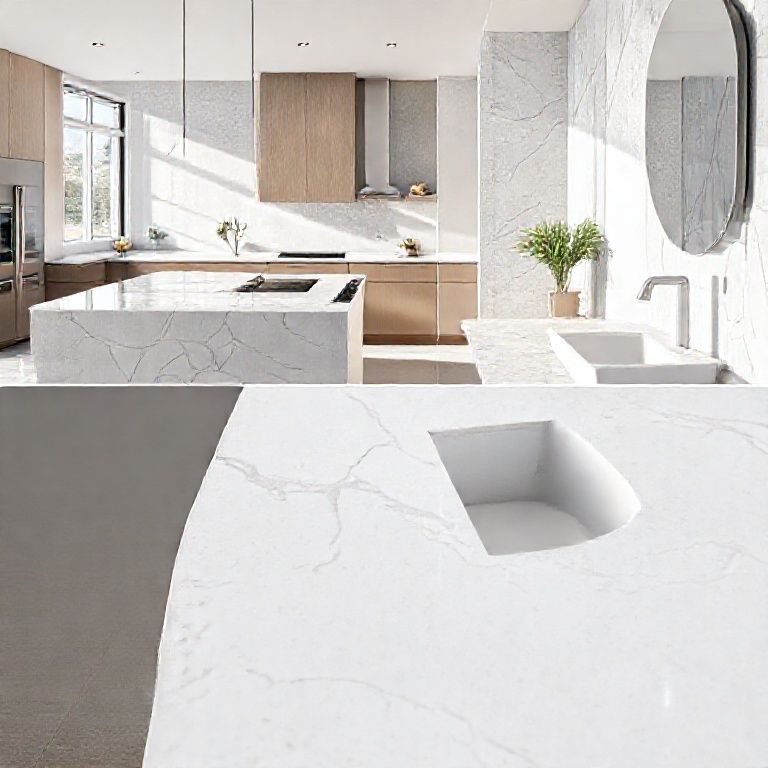
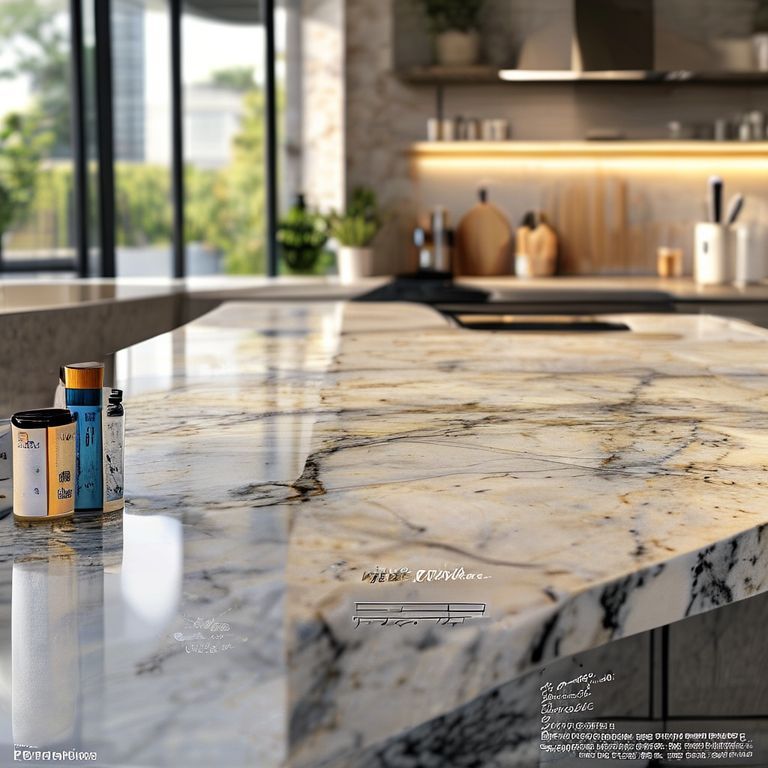
Travertine vs. Artificial Travertine: Travertine’s unique, natural layering and earthy tones are compared with the artificial version. Observe how the artificial marble replicates the organic flow and color variations.
Conclusion of Part 1
In this first part, we have explored the visual symphony of artificial versus natural marble, emphasizing the unique beauty and characteristics of each material. While natural marble boasts an unparalleled authenticity and organic elegance, artificial marble offers precision, consistency, and an array of customizable designs. As we move forward, we will delve deeper into the functional and practical aspects of these materials, providing a comprehensive understanding to guide your choices.
Functional and Practical Insights into Artificial vs. Natural Marble
Introduction
Having delved into the visual aspects of artificial and natural marble, it’s essential to turn our focus to the functional and practical considerations that influence their use in various applications. From durability and maintenance to cost-effectiveness and environmental impact, understanding these elements will help you make an informed decision about which marble suits your needs best.
Durability: The Battle of Toughness
When it comes to durability, both artificial and natural marble have their strengths and weaknesses.
Natural Marble:
Strengths: Natural marble is known for its classic beauty and timeless elegance. Its durability, however, can vary significantly based on its mineral composition. Marbles like Carrara and Bianco are relatively hard and durable, making them suitable for high-traffic areas. Weaknesses: Despite its natural hardness, natural marble is prone to staining and etching, especially from acidic substances like lemon juice, vinegar, and wine. This makes it essential to maintain a high level of care to preserve its beauty and integrity.
Artificial Marble:
Strengths: Artificial marble’s primary advantage in terms of durability is its resistance to staining, etching, and scratching. It’s designed to mimic the appearance of natural marble while offering superior protection against the elements that can degrade natural stone. Weaknesses: While artificial marble is highly durable, it may not withstand extreme temperature changes as well as natural marble. It’s important to follow manufacturer guidelines to ensure optimal performance.
Maintenance: Effortless Care vs. Upkeep
Natural Marble:
Care Requirements: Natural marble requires meticulous care to maintain its beauty. Regular cleaning with pH-neutral marble cleaners and the application of marble sealants are essential to protect against stains and etching. Without proper maintenance, natural marble can lose its luster and develop unsightly marks. Cost: The cost of maintaining natural marble can be significant, especially if professional cleaning and sealing services are needed regularly.
Artificial Marble:
Care Requirements: Artificial marble is a low-maintenance material that requires minimal upkeep. Routine cleaning with mild soap and water is usually sufficient to keep it looking pristine. There’s no need for sealing, making it an ideal choice for busy households and commercial spaces. Cost: The low maintenance requirements translate into cost savings over time, as there’s no need for frequent professional cleaning or the application of sealants.
Cost-Effectiveness: Investment vs. Affordability
Natural Marble:
Initial Cost: Natural marble is generally more expensive due to its rarity and the costs associated with mining and transportation. High-quality marbles like Botticino and Emperador can be particularly costly. Long-term Value: While the initial investment in natural marble can be high, its timeless appeal and the satisfaction of owning a genuine, natural product often make it a worthwhile purchase for those who value authenticity.
Artificial Marble:
Initial Cost: Artificial marble offers a more budget-friendly option with a wide range of prices depending on the quality and design. It provides a cost-effective alternative that closely mimics the look of natural marble. Long-term Value: For those looking for an affordable yet aesthetically pleasing option, artificial marble offers excellent value for money. It’s particularly attractive for those who want the appearance of marble without the high upfront cost and ongoing maintenance expenses.
Environmental Impact: Sustainability Considerations
Natural Marble:
Environmental Concerns: The extraction of natural marble involves significant environmental impact, including habitat disruption, energy consumption, and the release of greenhouse gases. Additionally, the transportation of natural marble from distant quarries adds to its carbon footprint. Sustainability: While natural marble is a natural product, its extraction and transportation processes can be environmentally taxing. However, some marble quarries implement sustainable practices to minimize their impact.
ArtificialEnvironmental Impact: Sustainability Considerations (Continued)
Artificial Marble:
Environmental Benefits: Artificial marble is produced through a manufacturing process that typically consumes less energy compared to the extraction and transportation of natural marble. The production of artificial marble can also be more controlled, potentially reducing environmental impact through better resource management. Sustainability: While artificial marble is not a naturally occurring material, it can be manufactured using recycled materials, which can help reduce the overall environmental footprint. Moreover, the longevity of artificial marble, coupled with its low maintenance requirements, can lead to a smaller environmental impact over its lifespan compared to natural marble.
Workability and Design Flexibility
Natural Marble:
Workability: Natural marble is a natural stone that is somewhat difficult to work with. It requires skilled artisans for cutting, shaping, and installation due to its hardness and the need for precise cutting to avoid damaging the stone. Design Flexibility: While natural marble offers unmatched aesthetic diversity, its design flexibility is somewhat limited by its natural form. Each piece is unique, which can make standardization difficult.
Artificial Marble:
Workability: Artificial marble is highly versatile and easy to work with. It can be cut, shaped, and installed with standard tools, making it accessible for both professional installers and DIY enthusiasts. Its consistency allows for precise and repeatable design outcomes. Design Flexibility: Artificial marble offers nearly unlimited design possibilities. It can be engineered to mimic a wide range of natural marbles and other materials, offering a high degree of customization and innovation in design.
Applications: Where Each Shines
Natural Marble:
High-end Interiors: Natural marble is often used in high-end interior spaces where its timeless elegance and authenticity are prized. It’s commonly found in luxury homes, prestigious commercial buildings, and iconic public spaces. Monumental and Public Spaces: Due to its durability and aesthetic appeal, natural marble is also popular in monumental and public spaces such as government buildings, museums, and historical landmarks.
Artificial Marble:
Commercial Spaces: Artificial marble is widely used in commercial spaces such as restaurants, hotels, offices, and retail environments where durability and low maintenance are critical. DIY and Custom Projects: Its ease of workability makes artificial marble a favorite for DIY enthusiasts and custom projects, from countertops and backsplashes to unique artistic installations.
Conclusion
In conclusion, both artificial and natural marble offer distinct advantages and cater to different needs and preferences. Natural marble’s unparalleled beauty and authenticity make it a choice for those who value tradition and the unique character of natural stone. On the other hand, artificial marble’s durability, low maintenance, and design flexibility make it an excellent choice for those seeking a cost-effective, easy-to-maintain alternative that still offers the appearance of luxury.
Choosing between artificial and natural marble ultimately depends on your specific needs, budget, and the aesthetic vision for your project. By understanding the functional and practical differences, you can make an informed decision that best suits your environment and lifestyle.