Understanding Marble and Artificial Stone: Quality, Benefits, and Pricing
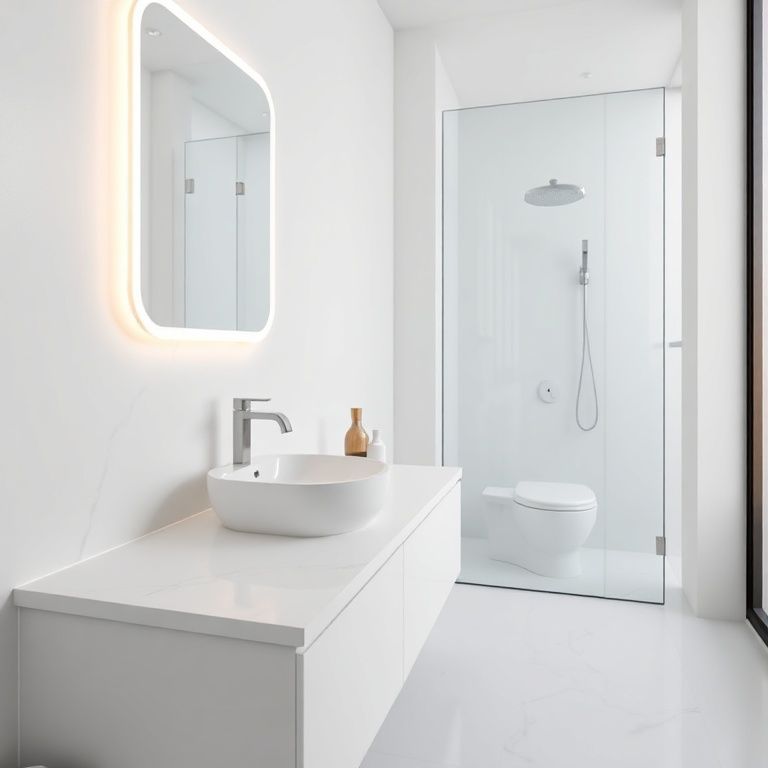
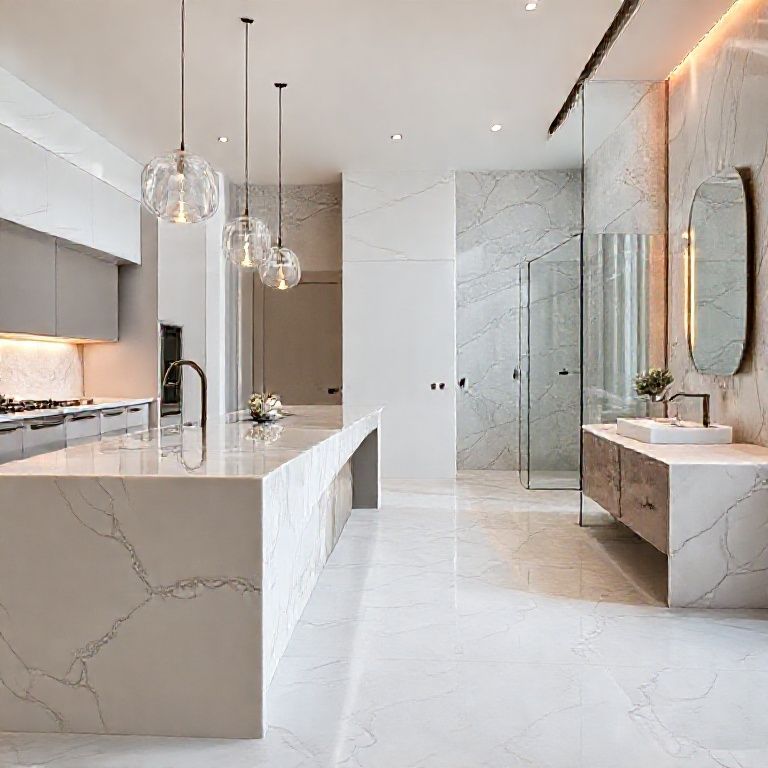
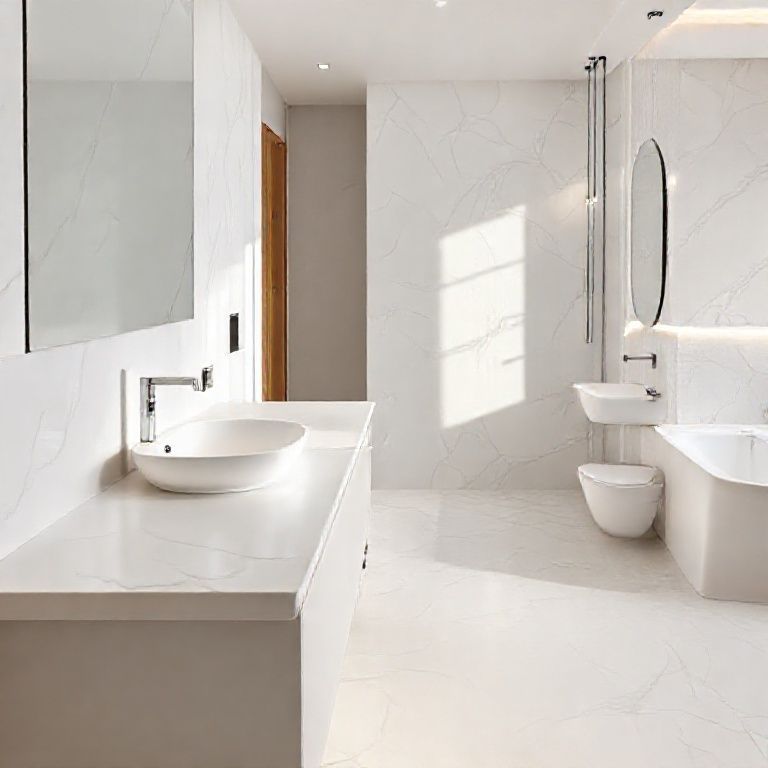
When it comes to selecting luxurious and durable materials for your home or commercial space, marble and artificial stone stand out as top contenders. Renowned for their timeless elegance and superior quality, these materials are used in a variety of settings, from high-end kitchen countertops to sophisticated bathroom fixtures. In this first part of our series, we will delve into the qualities, benefits, and pricing of marble and artificial stone.

The Timeless Appeal of Marble
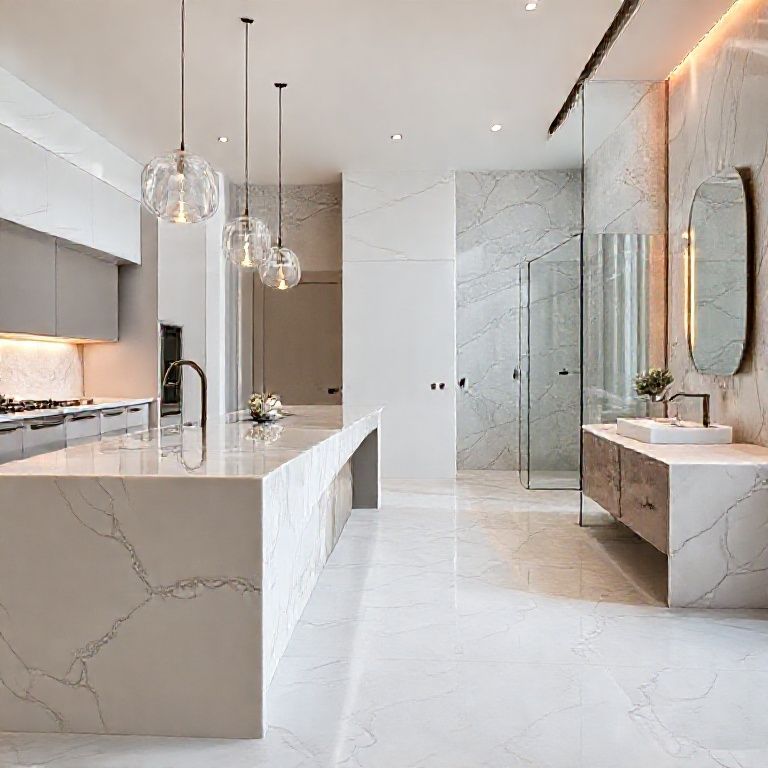
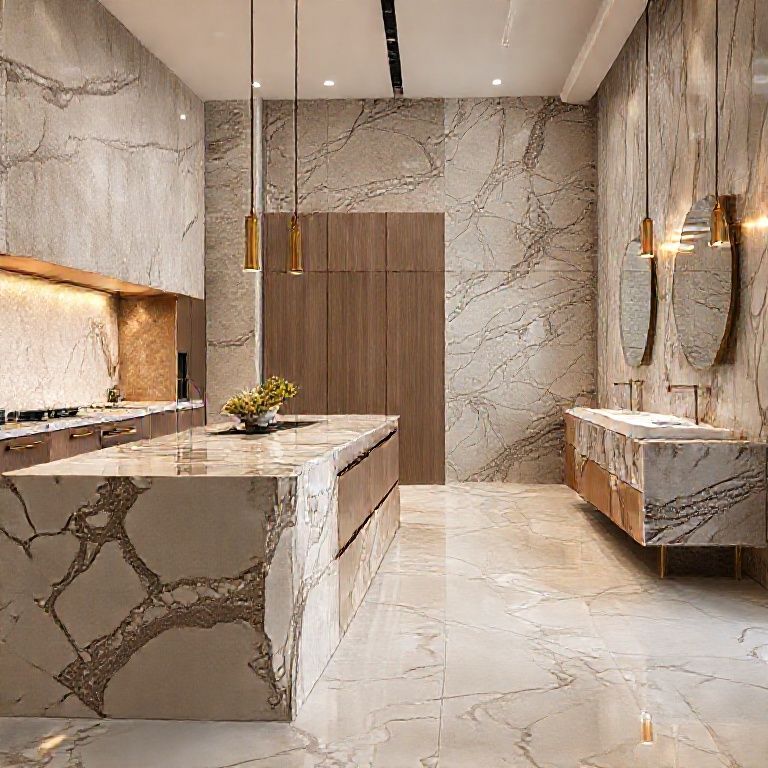
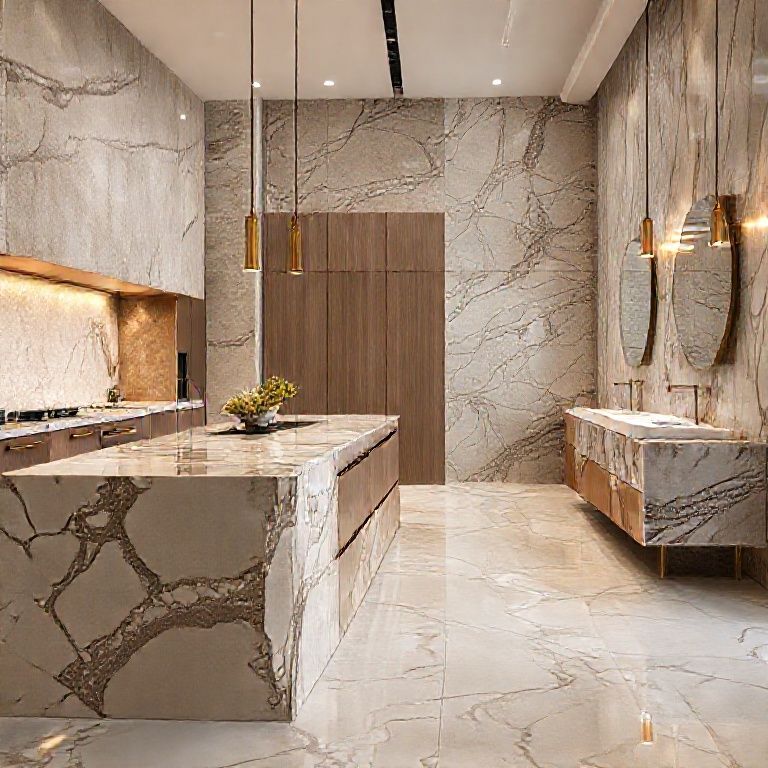
Marble is a classic choice for those looking to add a touch of luxury to their space. This natural stone is formed from the metamorphism of limestone, resulting in a material that is both visually stunning and incredibly durable. Marble is prized for its unique veining and color variations, which provide a distinctive and personalized look.
Benefits of Marble
Aesthetic Appeal: Marble’s natural beauty is unmatched. The rich textures and colors offer a sophisticated touch to any space, making it ideal for high-end interiors. Durability: Despite its elegance, marble is quite hard and can withstand significant wear and tear, making it a long-lasting choice for both residential and commercial applications. Maintenance: While marble requires some care, it can be easily polished and cleaned with the right products. Regular maintenance ensures that its beauty and integrity are preserved over time.
Pricing of Marble
The cost of marble can vary widely based on several factors, including the type, quality, and origin of the stone. Here’s a breakdown:
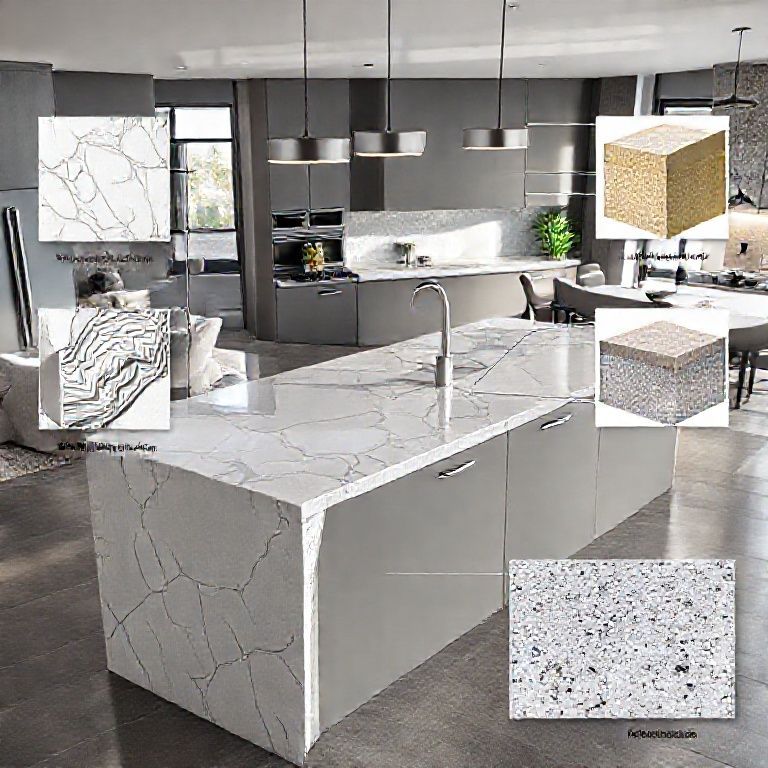
Types of Marble: Marble comes in numerous varieties, each with unique characteristics. Common types include Carrara (known for its pure white color), Bianco Carrara (light grey), and Rosso Verona (a rich red). Prices can range from $40 to $150 per square foot. Quality and Finish: Higher-quality marble with fewer imperfections and better finishes will cost more. Polished, honed, and brushed finishes each have different price points. Importation Costs: Marble sourced from distant countries like Italy or Greece will generally be more expensive due to transportation costs.
The Innovation of Artificial Stone
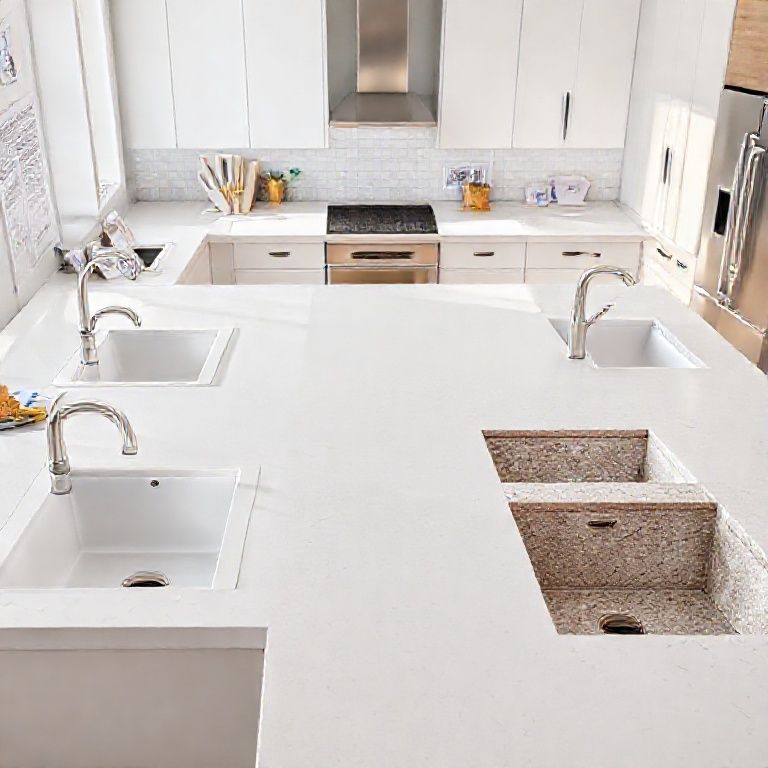
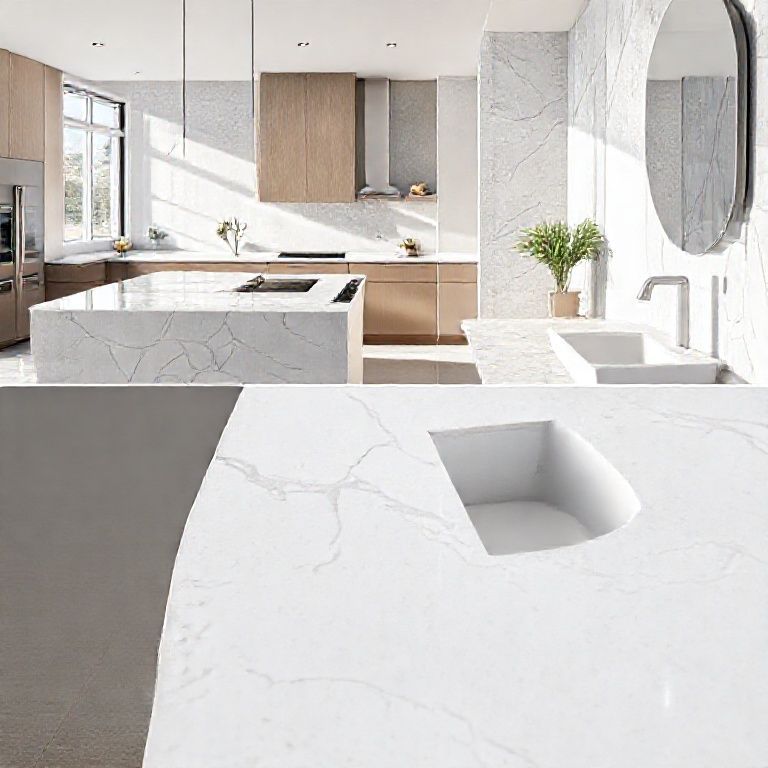
Artificial stone, also known as quartz, is a contemporary alternative to traditional marble. This material is made from a blend of quartz sand and resin, which is then heated and pressed to create a solid surface that mimics the appearance and feel of natural stone.
Benefits of Artificial Stone
Durability: Artificial stone is highly resistant to scratches, stains, and heat, making it an excellent choice for areas that experience heavy use. Maintenance: Unlike marble, artificial stone does not require sealing or extensive cleaning. It can withstand hot pots and pans, making it ideal for kitchen countertops. Customization: Available in a vast array of colors and patterns, artificial stone offers almost limitless design possibilities, allowing for unique and personalized creations.
Pricing of Artificial Stone
The cost of artificial stone can also vary based on several factors:
Material Composition: Higher-quality resins and pigments used in the production of artificial stone can increase the price. Customization: Custom colors and intricate designs will generally cost more than standard finishes. Brand and Reputation: Established brands known for high-quality artificial stone will typically have higher price points compared to lesser-known brands.
Comparing Marble and Artificial Stone
When deciding between marble and artificial stone, it’s essential to consider the specific needs of your project. Marble offers a timeless elegance and natural beauty that can elevate the aesthetic of any space, while artificial stone provides unmatched durability and low maintenance.
Conclusion for Part 1
In summary, both marble and artificial stone have their unique advantages and pricing structures that cater to different needs and preferences. Whether you’re drawn to the natural beauty of marble or the modern, durable qualities of artificial stone, understanding the factors that influence their prices will help you make an informed decision that aligns with your vision and budget.
Stay tuned for the second part of our series, where we will delve deeper into specific pricing trends, installation considerations, and expert tips for choosing the right material for your project.
Detailed Insights on Pricing Trends, Installation, and Expert Tips for Marble and Artificial Stone
Welcome back to our comprehensive guide on marble and artificial stone. In this second part, we will explore detailed insights into pricing trends, installation considerations, and expert tips to help you navigate the complexities of choosing the right material for your project. Whether you’re looking to renovate your home or design a commercial space, this information will provide valuable guidance.
Pricing Trends: A Closer Look
Understanding the pricing trends of marble and artificial stone can help you budget effectively and make informed decisions. Here’s a closer look at what influences the cost of these materials.
Marble Pricing Trends
Global Supply and Demand: The price of marble is influenced by global supply and demand. Countries like Italy, Greece, and India are major producers, and fluctuations in their production and export rates can impact prices. Seasonal Variations: Prices can also vary based on seasonal demand. High-demand periods, such as the peak of the construction season, may see increased prices. Market Trends: Economic factors and market trends play a role in the pricing of marble. For example, economic downturns can lead to reduced demand and lower prices, while economic growth can drive up prices due to increased demand.
Artificial Stone Pricing Trends
Manufacturing Costs: The cost of raw materials, such as quartz sand and resin, significantly impacts the pricing of artificial stone. Regions with higher production costs will generally have higher prices. Technological Advancements: Advances in manufacturing technology can reduce costs over time, making artificial stone more affordable. However, cutting-edge technology can also increase initial costs. Market Competition: The level of competition among manufacturers can influence pricing. Areas with a high number of manufacturers may see more competitive pricing.
Installation Considerations
Proper installation is crucial for ensuring the longevity and performance of marble and artificial stone. Here are some key considerations for both materials.
Marble Installation
Skilled Labor: Marble requires skilled labor for installation due to its delicate nature. Professional installers can ensure proper cutting, fitting, and sealing to prevent damage and maintain the stone’s integrity. Sealing: Marble needs to be sealed to protect it from stains and moisture. Regular resealing is necessary to maintain its appearance and durability. Underlayment: Using the appropriate underlayment is essential for a smooth, level installation surface, which helps prevent future issues like cracking or unevenness.
Artificial Stone Installation
Ease of Installation: Artificial stone is easier to install compared to marble. It can be cut with standard tools and does not require sealing. Surface Preparation: Proper surface preparation is still crucial for a successful installation. A clean, level, and dry surface ensures a secure bond and prevents future problems. Edge Finishing: Artificial stone can be trimmed and finished to create clean edges, which is particularly useful for countertops and other surfaces where precision is important.
Expert Tips for Choosing the Right Material
Here are some expert tips to help you choose between marble and artificial stone based on your specific needs and preferences.
For Luxury and Natural Beauty
If you’re looking for a material that exudes luxury and natural beauty, marble is the way to go. Its unique veining and color variations provide a personalized touch that is difficult to replicate.
Consider High-Quality Marble: Invest in high-quality marble to ensure durability and longevity. Look for marble with fewer imperfections and better finishes. Professional Installation: Hire skilled professionals for installation to ensure the best possible outcome. Proper cutting, fitting, and sealing are crucial for maintaining the stone’s beauty and integrity.
For Durability and Low Maintenance
If durability and low maintenance are your top priorities, artificial stone is an excellent choice. Its resistance to stains, scratches, and heat makes it ideal for high-traffic areas.
Customization Options: Take advantage of artificial stone’s customization options. You can choose from a wide range of colors and patterns to match your design vision. Ease of Installation: The ease of installation with artificial stone makes it a convenient choice for DIY projects or areas where professional installation might not be feasible.
Budget Considerations
Initial vs. Long-Term Costs: Consider both the initial cost and the long-term maintenance costs of each material. While artificial stone may have a higher upfront cost, its low maintenance and durability can save money in the long run. Value vs. Cost: Assess the value each material brings to your project. Marble’s timeless elegance may justify a higher cost, while artificial stone’s practicality and low maintenance might align better with your budget and needs.
Conclusion for Part 2
环保与可持续性
在现代建筑和室内设计中,环保和可持续性越来越受到重视。这里探讨一下大理石和人造石在这方面的表现。
大理石的环保问题
采石与运输:大理石是天然石材,开采和运输过程中可能对环境造成一定影响。石材开采会破坏当地生态系统,而长途运输也会增加碳排放。
可持续性:大理石是不可再生资源,一旦开采,就难以再生。选择大理石时,尽量选择经过严格管理的开采场,或者选择已经被认证的可持续大理石。
人造石的环保优势
可再生资源:人造石通常由再生材料制成,如回收的玻璃、塑料和其他废弃物,因此具有较高的可再生性。
低碳足迹:由于材料通常在本地生产,运输成本和碳排放相对较低。
耐久性与长寿命:由于人造石的耐用性,减少了材料的更换频率,从而降低了资源消耗和废弃物产生。
实际应用
住宅建筑:在住宅建筑中,大理石常用于厨房台面、浴室台盆、以及地板。由于其较高的维护要求,人造石逐渐成为替代品,尤其是在厨房和浴室这些易受污渍和湿气的区域。
商业建筑:在高端商业建筑中,大理石常用于地面、墙面和装饰,以展现其奢华感。而人造石则在商业空间中广泛应用于台面、隔断和装饰,因为其美观性、耐用性和低维护特点。
公共设施:在公共设施如机场、车站和医院中,人造石常用于地面和墙面,因为它的耐污渍、耐磨损和易清洁特性能满足高人流量的需求。
价格对比
大理石的价格:大理石的价格根据品种、纹理和供应链成本而变化。高端品种如卡拉拉大理石价格非常昂贵,而其他品种如石灰岩和大理石则相对便宜。一般而言,大理石的价格范围在$40到$150每平方英尺。
人造石的价格:人造石的价格通常较大理石便宜,价格范围大约在$20到$60每平方英尺。这种价格差异使得人造石成为经济实惠的选择。
总结
在选择大理石或人造石时,需要综合考虑美观、耐用性、维护要求、环保性和预算。大理石以其天然美观和奢华感吸引许多设计师和消费者,但其高成本和维护需求使其不适用于所有场合。而人造石则以其环保、耐用和经济性成为现代建筑和室内设计的热门选择,特别是在需要高频使用和低维护的区域。