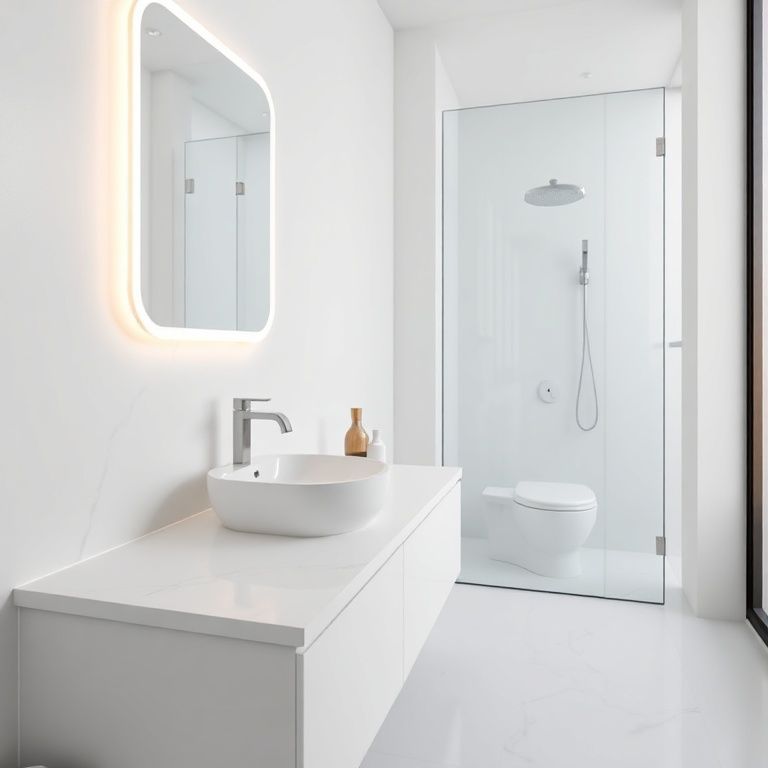
Exploring the Composition and Benefits of Artificial Marble
Artificial marble, also known as synthetic marble, has revolutionized the world of stone materials. Unlike its natural counterpart, artificial marble is a composite material crafted from a combination of minerals, resins, and other substances, meticulously engineered to mimic the appearance and qualities of natural marble. Let’s delve into the specifics of what makes artificial marble so alluring.

Composition of Artificial Marble
The creation of artificial marble begins with a meticulous selection of high-quality minerals, typically including calcite, dolomite, and other fine particles. These minerals are then combined with resins and pigments to form a homogeneous mixture. The mixture is heated and pressurized, allowing it to bond tightly together under high temperatures, resulting in a solid, monolithic material. This process ensures that the final product has a consistent, polished surface that closely resembles natural marble.
Benefits of Using Artificial Marble
Durability and Maintenance: One of the standout features of artificial marble is its impressive durability. Unlike natural marble, which is prone to staining, scratching, and etching from acids, artificial marble boasts a high resistance to these common issues. This makes it an ideal choice for high-traffic areas such as kitchens and bathrooms, where spills and wear are frequent.
Cost-Effectiveness: Artificial marble offers an attractive price point compared to natural marble. The manufacturing process for synthetic marble is far less expensive, and this cost savings is passed on to the consumer. This makes it an excellent option for homeowners and businesses looking to achieve a luxurious marble look without the hefty price tag.
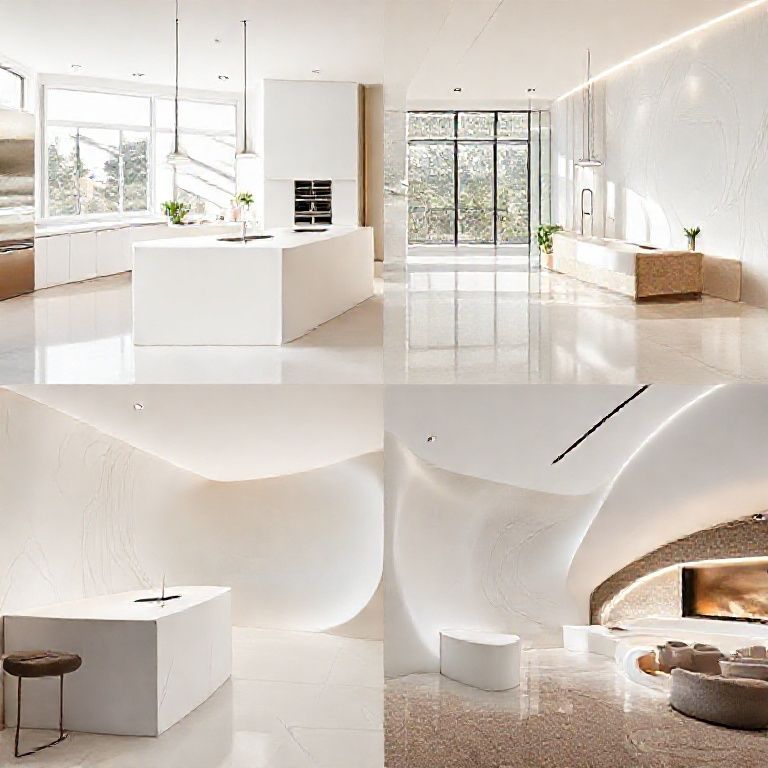
Design Flexibility: The ability to mold artificial marble into various shapes and sizes allows for unprecedented design flexibility. Unlike natural marble, which comes in finite slabs and requires careful planning to fit specific spaces, artificial marble can be custom-cut and shaped to meet any design requirement. This versatility makes it a popular choice for modern and contemporary home decor.
Environmental Considerations: In an era where sustainability is paramount, artificial marble stands out as an environmentally friendly option. The production of natural marble often involves the extraction of large quantities of stone, which can lead to significant environmental degradation. In contrast, the manufacturing of artificial marble generally has a lower environmental impact, as it uses recycled materials and produces fewer waste byproducts.
Aesthetic Appeal of Artificial Marble
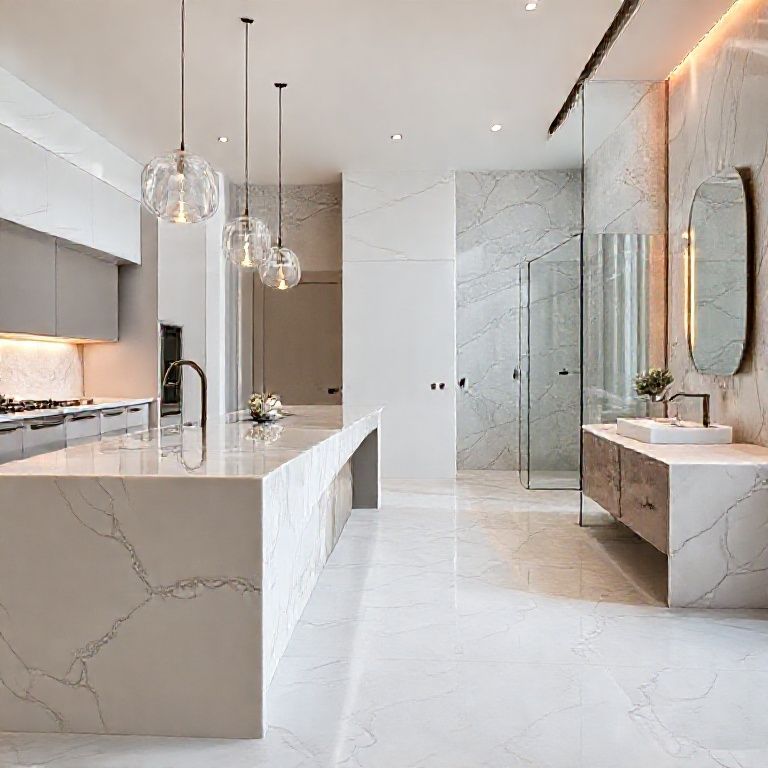
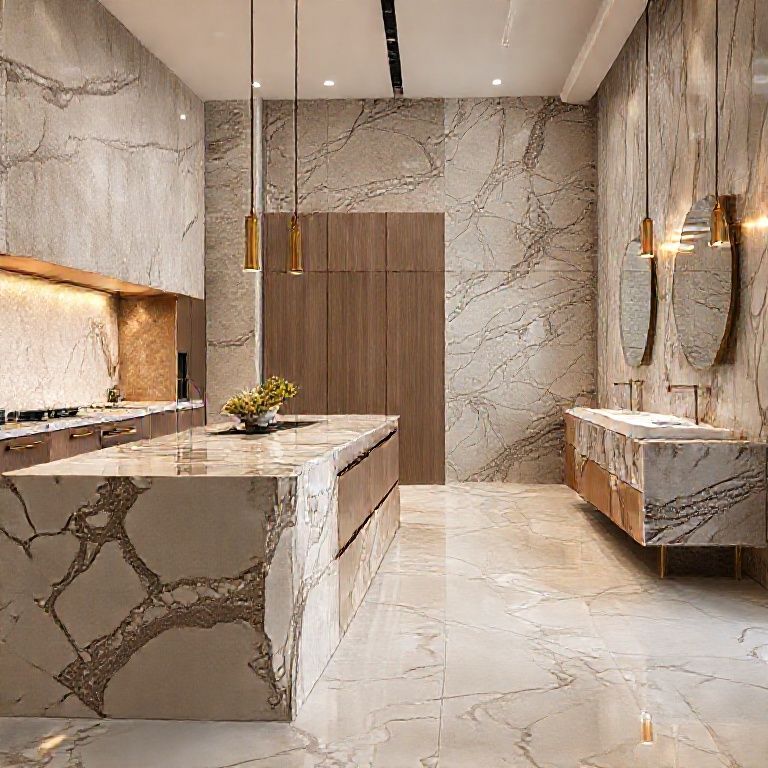
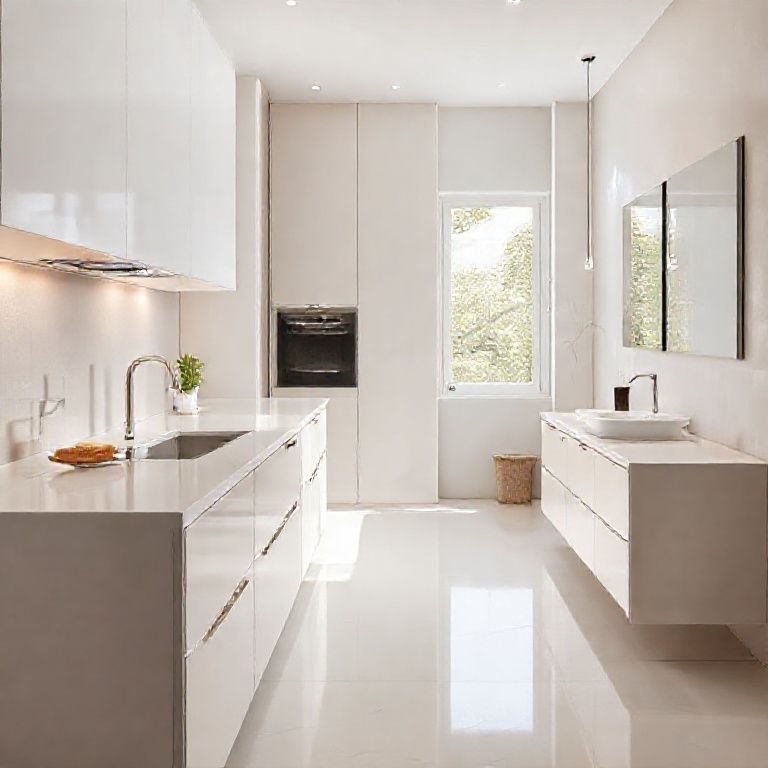
Artificial marble is designed to closely mimic the natural beauty of marble, complete with its iconic veining and color variations. The pigments used in the manufacturing process are formulated to create a stunning and realistic marble effect. Moreover, the polished surface of artificial marble can reflect light beautifully, adding a touch of elegance and sophistication to any space.
Conclusion of Part 1
Artificial marble, with its impressive durability, cost-effectiveness, design flexibility, and environmental benefits, is undeniably a formidable contender in the world of stone materials. While it may not be “natural” marble, its ability to closely emulate its appearance and functionality makes it a practical and attractive choice for many applications. As we continue to explore the nuances of artificial versus natural marble, it becomes clear that synthetic marble offers a compelling alternative that caters to modern needs without compromising on aesthetics.
The Debate: Artificial vs. Natural Marble
Understanding the Nuances and Perceptions
When it comes to the question, “Is artificial marble really like natural marble?” the debate often centers around the nuances of material properties, aesthetic authenticity, and the ethical implications of stone sourcing. In this second part, we will examine these aspects in detail to provide a comprehensive understanding of both materials.
Material Properties and Performance
While artificial marble closely mimics the appearance of natural marble, it is fundamentally different in its composition and properties. Natural marble is a metamorphic rock formed through the recrystallization of limestone under high pressure and temperature. This natural process gives it unique characteristics such as its distinctive veining and a smooth, often creamy texture.
Comparison of Durability: Natural marble, although beautiful, is prone to staining and etching due to its porous nature. Acidic substances like lemon juice, vinegar, and even some cleaning agents can leave permanent marks on natural marble surfaces. In contrast, artificial marble’s tightly bonded structure ensures it remains virtually unaffected by such acids, making it a superior choice for areas where spills and moisture are common.
Comparison of Workability: Natural marble can be highly valued for its workability and the artisan craftsmanship it allows. Skilled artisans can carve intricate designs and sculptures from natural marble, creating unique and one-of-a-kind pieces. However, artificial marble’s ability to be molded into any shape and size during the manufacturing process allows for innovative and precise designs that are not possible with natural marble.
Aesthetic Authenticity
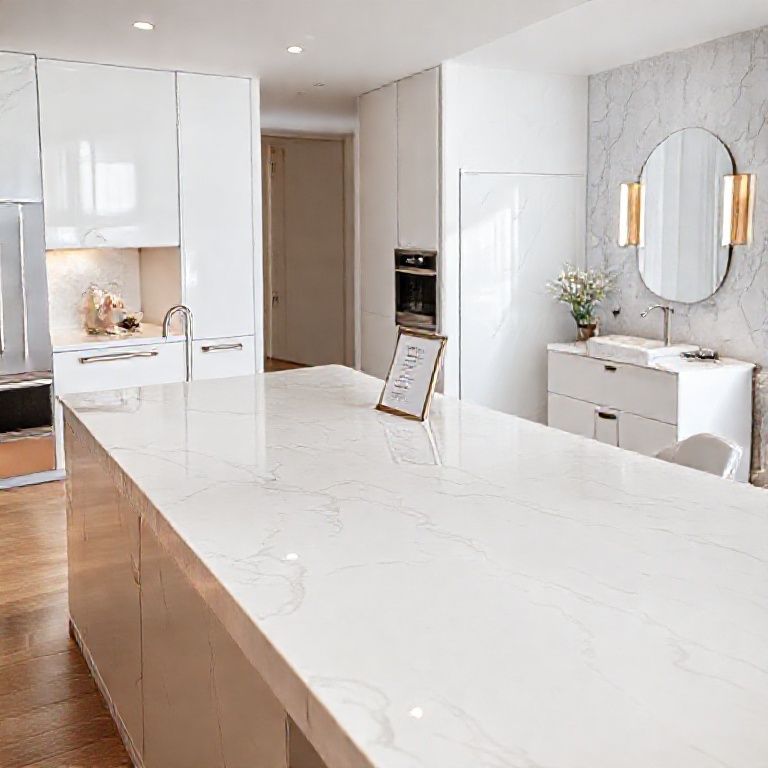
The aesthetic appeal of artificial marble is often a point of contention. Proponents argue that when properly manufactured, artificial marble can achieve a stunning and realistic marble effect that rivals natural marble in both appearance and texture. High-quality artificial marble features intricate veining and a polished finish that can be indistinguishable from natural marble to the untrained eye.
Ethical and Environmental Considerations
The ethical implications of sourcing natural marble cannot be overlooked. The extraction of natural marble often involves significant environmental impact, including habitat destruction, carbon emissions, and the depletion of natural stone resources. In contrast, the production of artificial marble, while not without its own environmental considerations, typically results in fewer ecological disruptions and often incorporates recycled materials.
Consumer Perception
Consumer perception of artificial versus natural marble varies widely. For many, the allure of natural marble lies in its authenticity and the perceived “natural” beauty it embodies. However, as awareness of the environmental and ethical concerns associated with natural stone increases, so does the appeal of sustainable and eco-friendly alternatives like artificial marble.
Conclusion of Part 2
The debate between artificial and natural marble hinges on a variety of factors including material properties, aesthetic authenticity, and ethical considerations. While natural marble offers a unique and authentic beauty, artificial marble provides a practical, durable, and environmentally friendly alternative that meets many modern needs. The question of whether artificial marble is “like” natural marble ultimately depends on individual priorities and values. Whether you prioritize sustainability, cost, or the desire for an authentic natural stone experience, both materials offer unique advantages that cater to different preferences and lifestyles.