Dive into the eco-friendly aspects of artificial marble in this detailed exploration. We’ll break down the environmental implications, production processes, and sustainability practices associated with this modern material. Understand whether artificial marble truly stands up to environmental responsibility, or if there’s more to the story.

artificial marble, environmental impact, sustainability, eco-friendly, production process, natural stone, green materials, renewable resources, low-maintenance, non-toxic
The Environmental Impact of Artificial Marble: Unveiling the Truth
In the contemporary world of interior design and construction, artificial marble has emerged as a popular alternative to traditional natural stone. Known for its aesthetic appeal and durability, it offers a range of benefits. But what does this material mean for the environment? Let’s delve into the intricacies of artificial marble’s environmental footprint.
Understanding Artificial Marble
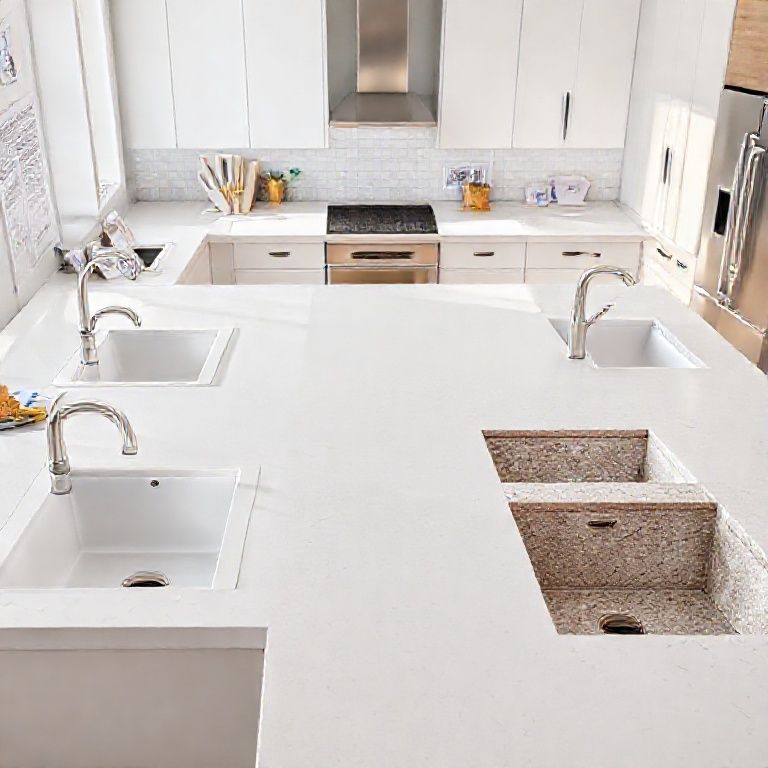
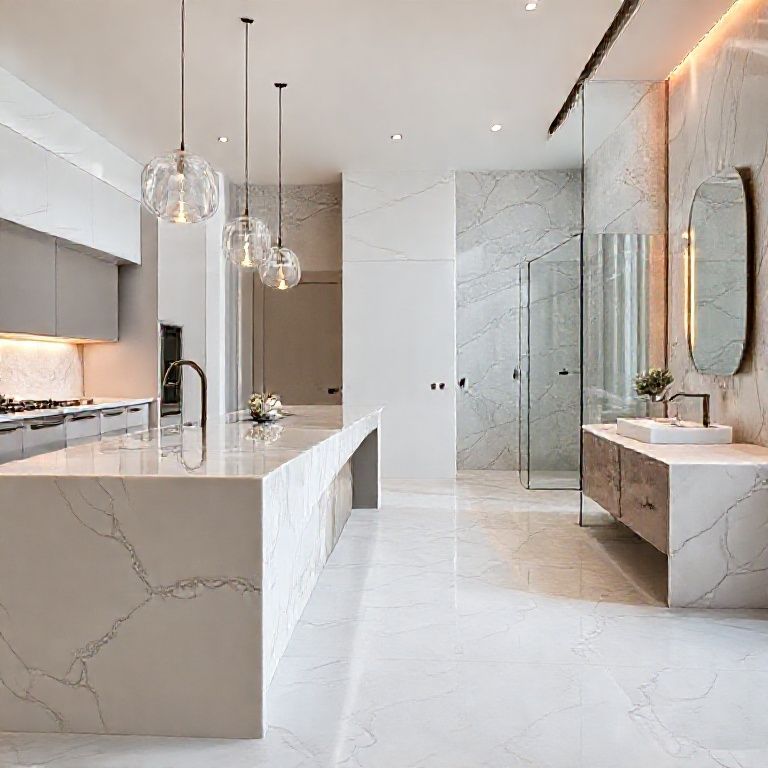
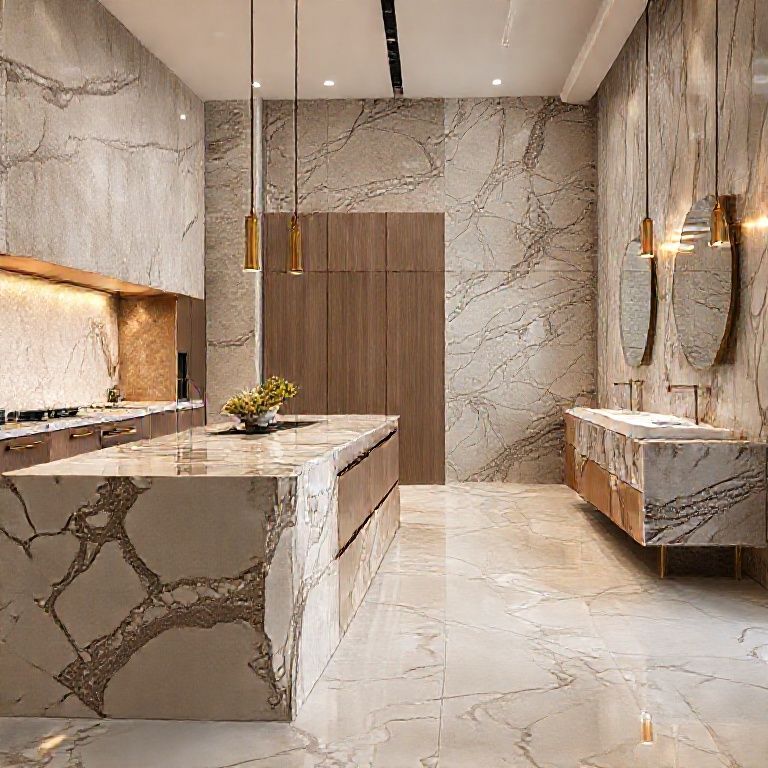
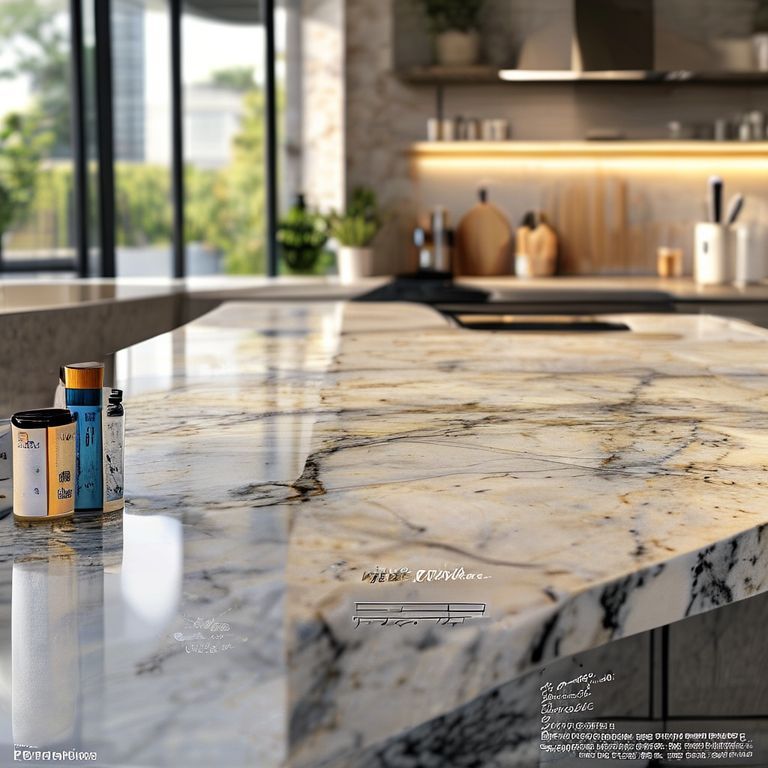
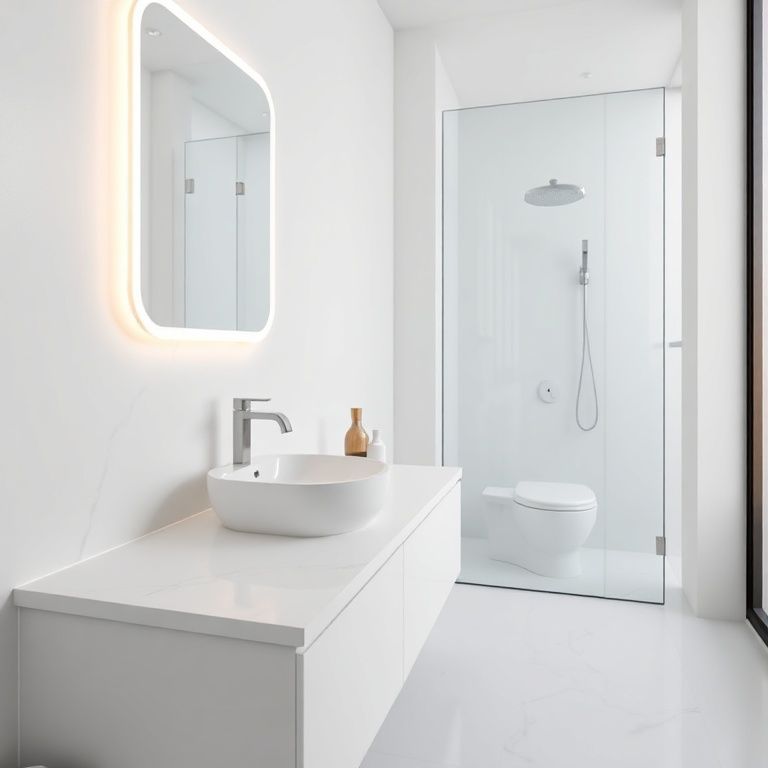
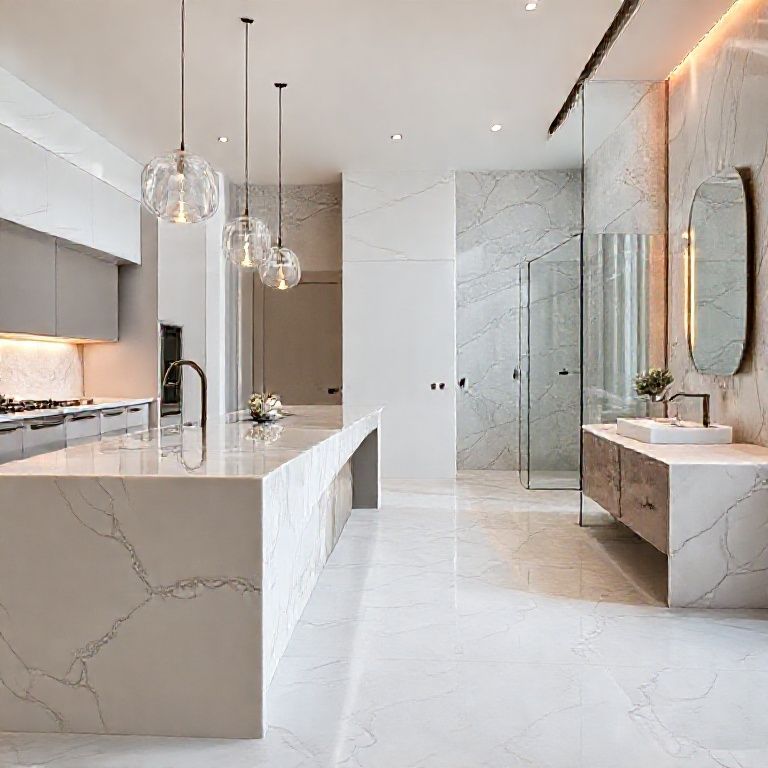
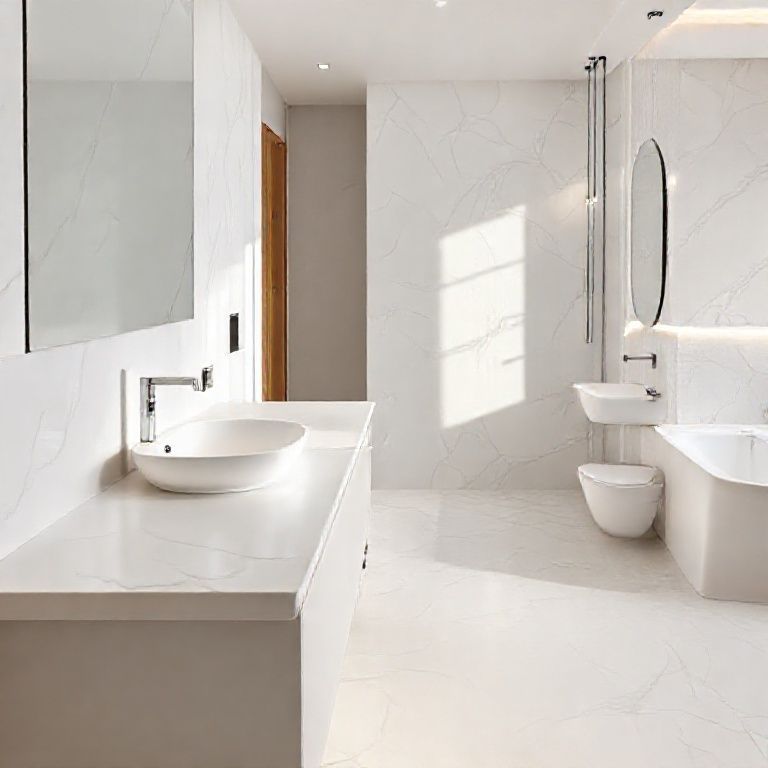
Artificial marble, often referred to as cultured marble or quartz stone, is a composite material primarily composed of silica sand, calcium carbonate, and other binders. The production process involves mixing these ingredients and pouring the mixture into molds. Once set, it is polished to achieve a marble-like appearance.
Production Process and Environmental Concerns
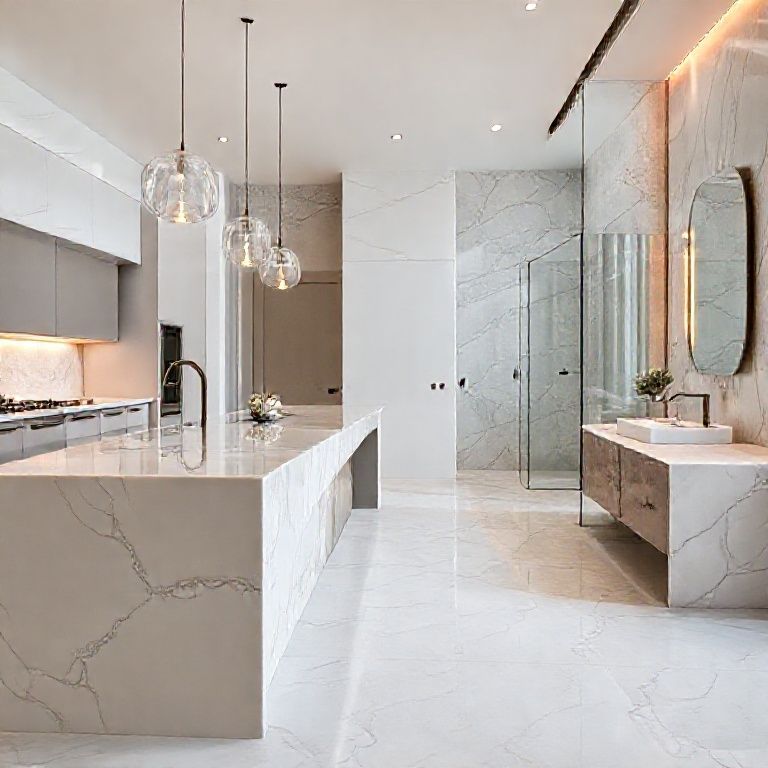
The production of artificial marble involves significant raw material extraction, particularly silica sand. This process can lead to environmental degradation in the areas where sand is mined. Over-extraction can result in habitat destruction and disruption of local ecosystems. Moreover, the manufacturing process often releases dust and particulate matter into the air, contributing to air pollution.
However, it’s important to note that advancements in technology have improved the efficiency of the production process. Manufacturers are increasingly adopting cleaner methods to reduce dust and emissions, making the production of artificial marble less environmentally harmful.
Comparison with Natural Stone
Natural marble is a popular choice for its timeless beauty, but it comes with its own set of environmental challenges. Quarrying natural stone is resource-intensive and can lead to significant environmental damage, including the disruption of habitats and landscapes. Additionally, transporting large stone blocks over long distances contributes to carbon emissions.
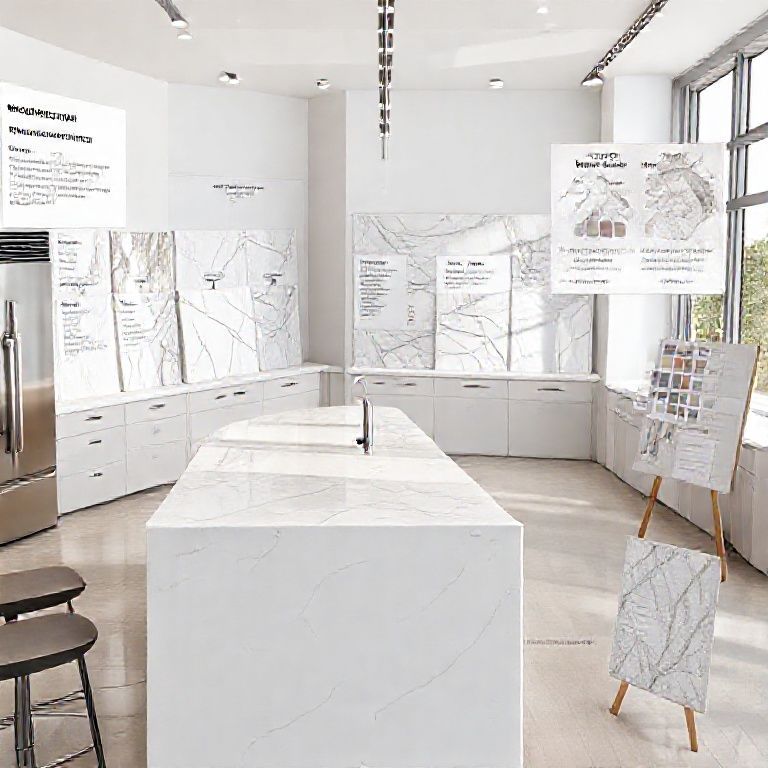
In contrast, artificial marble can be produced closer to the point of use, reducing transportation emissions. Furthermore, the material can be manufactured in smaller quantities, which minimizes waste. However, the disposal of artificial marble at the end of its lifecycle remains an area of concern.
Eco-Friendly Aspects of Artificial Marble
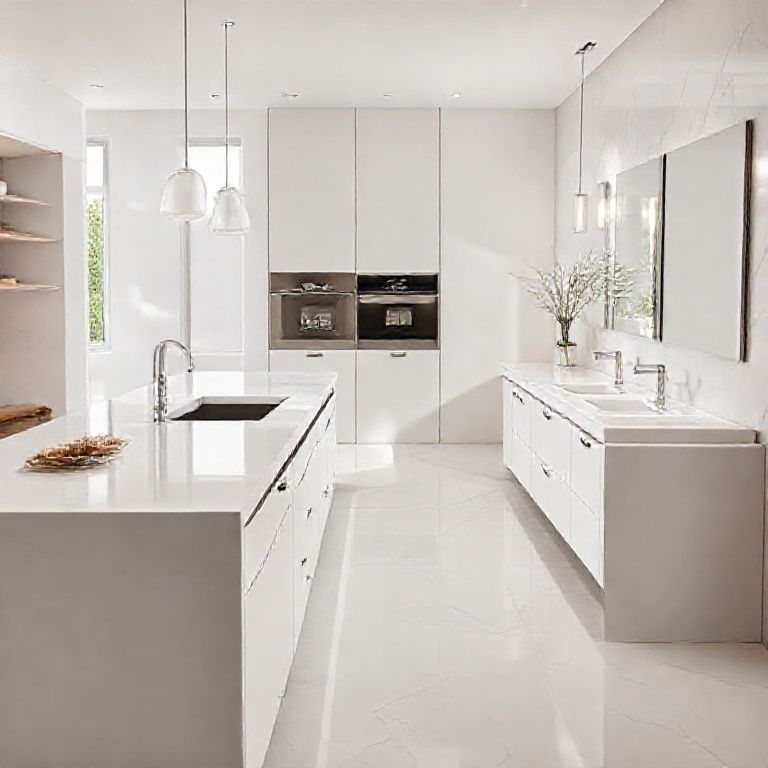
One of the most compelling eco-friendly aspects of artificial marble is its reduced environmental impact compared to natural stone. Given that the production process can be made more sustainable with modern techniques, artificial marble offers a lower carbon footprint per unit.
Moreover, artificial marble is non-toxic and free from harmful chemicals, unlike some natural stones that may contain pollutants. This non-toxic nature makes it a safer choice for indoor environments, especially in homes with children and pets.
Sustainability Practices
The sustainability of artificial marble can be significantly enhanced through responsible manufacturing practices. Companies are increasingly focusing on using renewable resources and reducing waste. For example, some manufacturers use recycled materials in the production process, thereby reducing the demand for virgin raw materials.
Additionally, advancements in recycling technologies are paving the way for more sustainable disposal methods for artificial marble. While traditional disposal methods might involve landfill, recycling processes can reclaim and reuse the material, minimizing environmental impact.
Low-Maintenance and Longevity
Artificial marble is renowned for its low maintenance requirements. Unlike natural stone, which often requires sealing to prevent staining, artificial marble is inherently resistant to many chemicals and scratches. This means less need for frequent cleaning and maintenance, which can indirectly reduce the environmental impact associated with the production and disposal of cleaning agents.
Furthermore, artificial marble’s durability ensures a longer lifespan, reducing the frequency with which it needs to be replaced. This longevity helps minimize waste and the associated environmental costs of producing and disposing of new materials.
Conclusion
In conclusion, while the initial production of artificial marble involves raw material extraction and manufacturing processes that can have environmental impacts, there are numerous ways to mitigate these effects. Advances in cleaner production techniques, the use of renewable resources, and improved recycling processes are all steps toward making artificial marble a more sustainable choice. By understanding these factors, consumers and designers can make informed decisions that align with their environmental values.
The Future of Artificial Marble: Towards Greater Environmental Responsibility
As the demand for sustainable building materials continues to grow, the future of artificial marble looks promising in terms of environmental responsibility. This second part will explore the innovations and practices that are shaping the future of artificial marble, ensuring it becomes an even greener choice.
Innovative Manufacturing Techniques
The production process of artificial marble is evolving, with manufacturers adopting more sustainable practices. Innovations such as using less energy-intensive methods and incorporating renewable energy sources into the manufacturing process are becoming more common. For example, some companies are investing in solar or wind power to reduce the carbon footprint of their operations.
Furthermore, advancements in manufacturing technology are allowing for more precise control over the production process. This precision not only enhances the quality of the product but also reduces waste. Companies are experimenting with 3D printing techniques to create artificial marble, which could revolutionize the industry by offering a more sustainable and efficient production method.
Use of Recycled Materials
Another significant development is the use of recycled materials in the production of artificial marble. By incorporating recycled glass, plastic, and other waste materials into the composite, manufacturers can significantly reduce the demand for virgin raw materials. This practice not only conserves natural resources but also diverts waste from landfills, contributing to a circular economy.
Reducing Emissions and Waste
Efforts to reduce emissions and waste are at the forefront of the sustainable development of artificial marble. Manufacturers are increasingly focusing on minimizing particulate matter and other pollutants released during production. This is achieved through the use of advanced filtration systems, better dust control measures, and cleaner production technologies.
Moreover, waste management practices are improving. Companies are exploring ways to recycle and reuse by-products from the manufacturing process, turning what was once waste into valuable raw materials for new products. This not only reduces the environmental impact but also creates a more sustainable cycle of production and consumption.
Sustainable Sourcing of Raw Materials
Sustainable sourcing of raw materials is another critical area of focus. As the demand for artificial marble grows, so does the need for responsible extraction and processing of raw materials like silica sand and calcium carbonate. Manufacturers are working to source these materials from suppliers who adhere to sustainable and ethical practices.
Certifications and standards are being developed to ensure that raw materials are obtained in an environmentally responsible manner. These standards help to verify that the extraction and processing of raw materials do not harm local ecosystems or communities.
Long-Term Environmental Benefits
The long-term environmental benefits of artificial marble are significant, particularly when considering its durability and low maintenance. The reduced need for frequent replacement means fewer resources are used over the product’s lifespan. Additionally, artificial marble’s resistance to stains and chemicals means less use of cleaning agents, which can have their own environmental impacts.
The material’s longevity also contributes to a reduction in waste. Fewer replacements mean less material ends up in landfills or requires disposal processes that can be environmentally harmful. This long-term sustainability is a powerful argument in favor of artificial marble as an eco-friendly option.
Consumer Choices and Market Trends
Consumer awareness and demand for sustainable products are driving market trends towards greener materials. As more people prioritize eco-friendly options in their home and commercial projects, the market for sustainable artificial marble is expanding. This demand is encouraging manufacturers to innovate and improve their practices continuously.
Moreover, there is a growing trend towards transparency in manufacturing processes. Consumers are increasingly looking for information about where materials come from and how they are produced. Manufacturers that can demonstrate their commitment to sustainability and provide clear, verifiable information about their processes are more likely to gain consumer trust and preference.
Government and Industry Regulations
Government regulations and industry standards play a crucial role in promoting the sustainability of artificial marble. Policies that encourage the use of sustainable materials and penalize environmentally harmful practices are essential in driving the industry towards greater responsibility.
Organizations such as the Environmental Protection Agency (EPA) and similar bodies in other countries are working to develop and enforce regulations that reduce the environmental impact of material production. Additionally, industry associations are creating standards and certifications that help manufacturers demonstrate their commitment to sustainability.
The Role of Education and Advocacy
Education and advocacy are vital in shaping the future of artificial marble. By raising awareness about the environmental impacts of materials and the benefits of sustainable alternatives, organizations and individuals can influence market trends and consumer choices.
Educational campaigns can inform consumers about the benefits of artificial marble and how they can make environmentally responsible choices. Advocacy groups can work to push for more sustainable practices within the industry, ensuring that manufacturers adopt the best available technologies and methods.
Conclusion
In conclusion, the future of artificial marble is bright when it comes to environmental responsibility. With ongoing innovations in manufacturing techniques, the use of recycled materials, and efforts to reduce emissions and waste, artificial marble is becoming an increasingly sustainable choice. Sustainable sourcing practices, long-term environmental benefits, and growing consumer demand for eco-friendly products are all driving positive changes in the industry.
As we move forward, continued efforts to promote transparency, education, and regulation will be essential in ensuring that artificial marble continues to evolve into a truly sustainable material. By embracing these changes, we can make informed choices that support both our homes and the planet.
By addressing both the current and future aspects of artificial marble, this comprehensive exploration provides a detailed understanding of its environmental impact and the ongoing efforts to make it a more sustainable choice.