Unveiling the Synthetic Marble Manufacturing Process
When it comes to synthetic marble, one of the primary concerns many people have is whether it has any environmental impact, particularly in terms of pollution. To address this question, it’s essential to first understand the manufacturing process of synthetic marble.

The Birth of Synthetic Marble
Synthetic marble, often referred to as quartz, is a composite material made primarily from quartz sand, often combined with other minerals, colors, and binders. The manufacturing process involves mixing these ingredients and applying high pressure and temperature to bind the materials together into a solid, stone-like surface.
Ingredients and Binders
The main ingredient in synthetic marble is naturally abundant quartz sand, which is combined with various colors and resins to create the desired aesthetic effects. The binders used in synthetic marble are typically polymers or resins that provide the strength and durability needed for countertops, kitchen sinks, and other applications.
Manufacturing Process
Mixing: The raw materials are mixed thoroughly in a factory. This stage includes blending quartz sand with other minerals and pigments to achieve the desired color and composition.
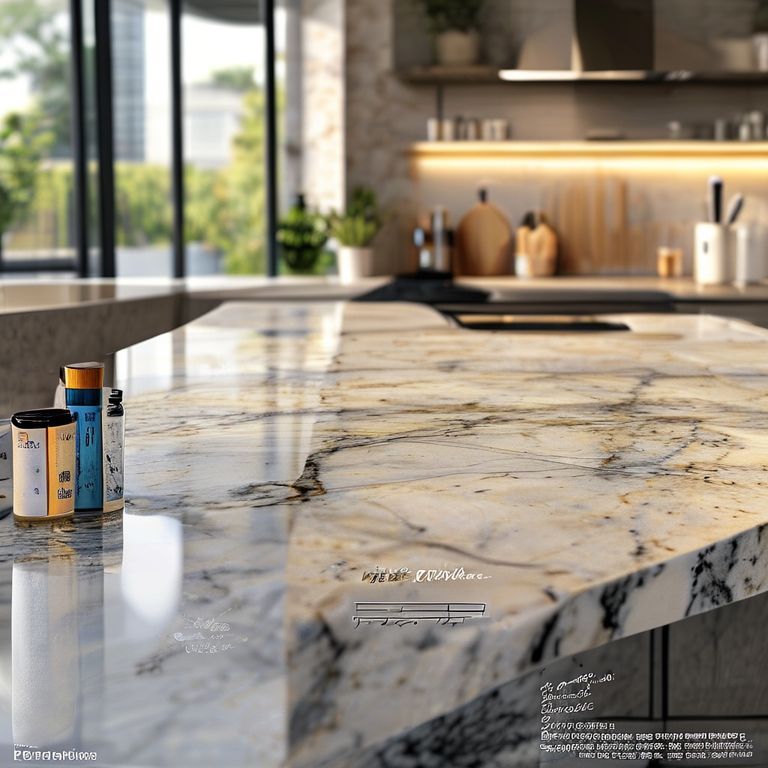
Molding: The mixture is then poured into molds, where it is subjected to high pressure to ensure even distribution and compaction of the materials.
Curing: After molding, the material is cured at high temperatures. This curing process ensures that the binders fully harden and bind the materials together, resulting in a solid and durable surface.
Environmental Considerations During Production
While the manufacturing process of synthetic marble involves high pressure and temperature, the materials used are generally non-toxic and recyclable. However, it’s essential to examine the environmental footprint of this process.
Energy Consumption
The curing process requires significant amounts of energy, primarily in the form of electricity. Depending on the facility’s energy sources, this could contribute to carbon emissions if the electricity is derived from fossil fuels. However, many manufacturers are shifting towards renewable energy sources to mitigate this impact.
Waste Management
The production of synthetic marble generates waste materials, including excess powder and scrap. Proper waste management protocols are crucial to minimize environmental harm. Modern manufacturing processes are increasingly adopting recycling and waste reduction techniques to address this issue.
Pollution Potential
One of the main concerns regarding synthetic marble is its potential to release pollutants. However, the materials used in the production of synthetic marble are generally inert, meaning they do not emit harmful substances when used. The primary pollutants of concern are typically associated with the energy used in the manufacturing process rather than the material itself.
Conclusion
Understanding the manufacturing process of synthetic marble provides a clearer picture of its environmental impact. While the production process does have an environmental footprint, the materials used are largely non-toxic, and manufacturers are increasingly adopting eco-friendly practices to minimize pollution.
In the next part, we will delve deeper into the long-term environmental impact of synthetic marble, its sustainability compared to natural marble, and alternative materials available in the market.
Long-Term Environmental Impact and Alternatives
Having explored the manufacturing process of synthetic marble, it’s crucial to discuss its long-term environmental impact and compare it with natural alternatives. This will help determine whether synthetic marble is genuinely a cause for environmental concern or if it’s a more sustainable option.
Long-Term Environmental Impact
Durability and Longevity
One of the significant advantages of synthetic marble is its durability. Synthetic marble countertops are known for their resistance to scratches, stains, and chips, which means they require less frequent replacement compared to natural stone. This durability translates into a longer lifespan, reducing the need for new materials and the associated environmental impact.
Natural Marble vs. Synthetic Marble
Natural marble is formed over millions of years through geological processes and is a finite resource. The extraction of natural marble involves significant environmental impact, including habitat destruction, water usage, and carbon emissions from transportation. In contrast, synthetic marble, made from abundant and easily obtainable materials, offers a more sustainable alternative.
End-of-Life Disposal
When it comes to the end-of-life disposal of synthetic marble, it’s essential to consider recycling and waste management. Many manufacturers are now focusing on creating products that can be easily recycled. The components of synthetic marble, such as quartz and resins, can often be separated and reused in new manufacturing processes, reducing waste and environmental impact.
Sustainability and Eco-Friendliness
Renewable Resources
The primary material in synthetic marble—quartz—is a renewable resource. Unlike natural marble, quartz is continuously replenished through natural processes, making it an inherently sustainable choice.
Reduction of Carbon Footprint
With increasing numbers of manufacturers adopting renewable energy sources, the carbon footprint associated with the production of synthetic marble can be significantly reduced. For instance, using solar or wind energy for the curing process helps lower greenhouse gas emissions, making synthetic marble a greener option compared to natural stone extraction processes.
Alternative Materials
While synthetic marble offers many benefits, it’s also useful to consider alternative materials that may provide even greater environmental advantages.
Natural Stone Alternatives
Certain natural stones have been developed with eco-friendly practices in mind. For example, some manufacturers are using low-impact extraction methods and focusing on sustainable quarrying practices to minimize environmental damage.
Other Composite Materials
Composite materials like engineered stone or Corian (a brand of acrylic stone) offer alternatives with lower environmental impacts. These materials use fewer natural resources and often incorporate recycled materials, further reducing their ecological footprint.
Conclusion
In evaluating the long-term environmental impact of synthetic marble, it’s clear that while the manufacturing process does have an environmental footprint, it is relatively low compared to natural marble and other alternatives. The durability and longevity of synthetic marble mean that it requires fewer replacements, thereby reducing waste. Additionally, the shift towards renewable energy and recycling practices further enhances its sustainability.
When considering alternatives, it’s evident that synthetic marble stands out as a highly eco-friendly option. By understanding the environmental impact of synthetic marble and comparing it to natural and other composite materials, we can make more informed decisions about our home and commercial spaces.
By opting for synthetic marble, we can enjoy the aesthetic and functional benefits of a high-quality countertop material while contributing to a healthier planet. In the ever-evolving landscape of sustainable materials, synthetic marble is a remarkable choice for those seeking both beauty and responsibility.