The Enduring Lifespan of Synthetic Stone: Unveiling Its Secrets
When it comes to selecting materials for countertops, flooring, and other architectural elements, one name stands out for its blend of durability, beauty, and longevity—synthetic stone. Often referred to as artificial stone, this material has revolutionized the way we think about surfaces in both residential and commercial settings. But a burning question persists: “How long does synthetic stone generally last?” Let’s explore the factors that determine the lifespan of synthetic stone and why it has become a preferred choice for many.
Understanding Synthetic Stone
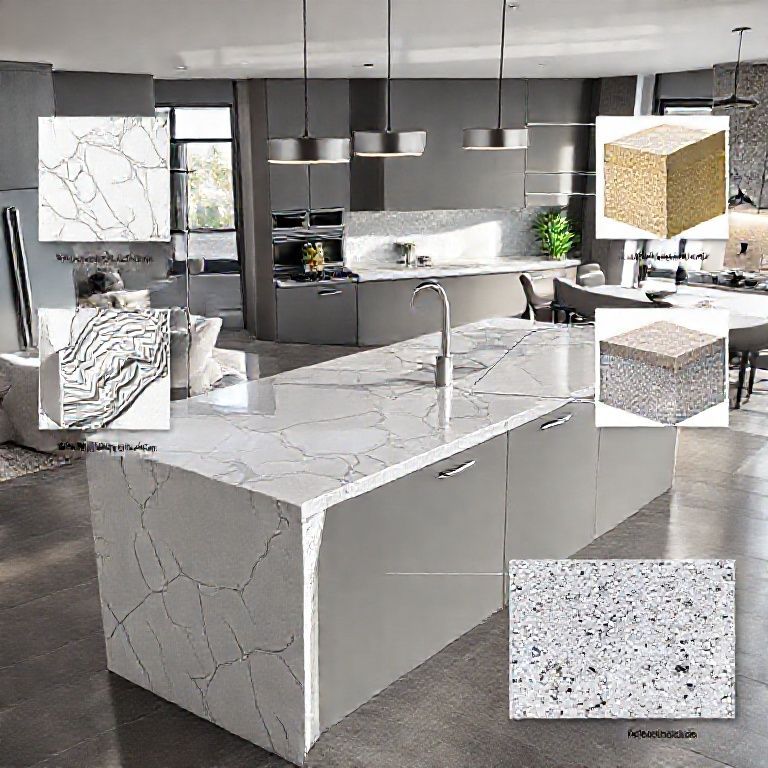
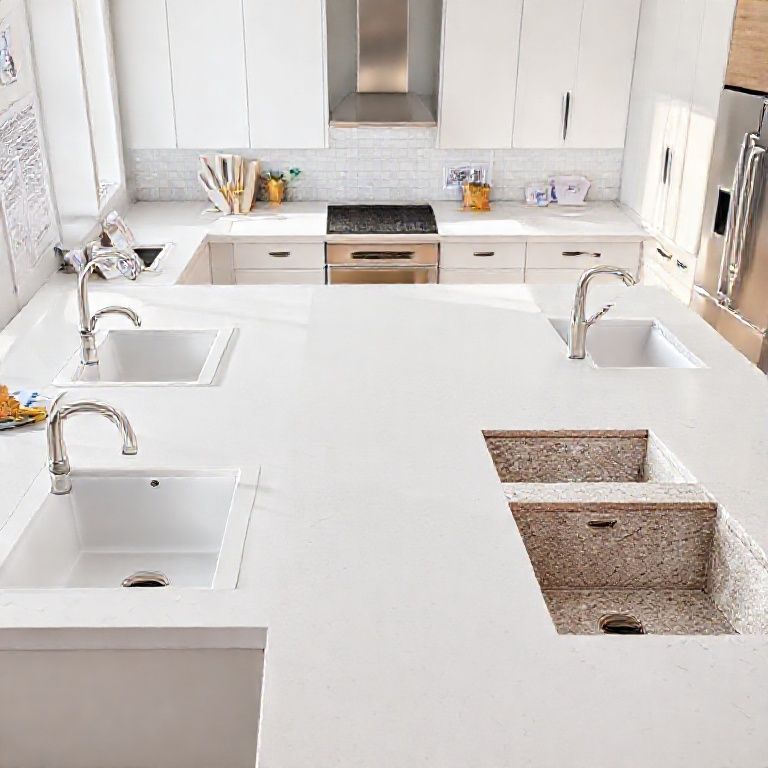
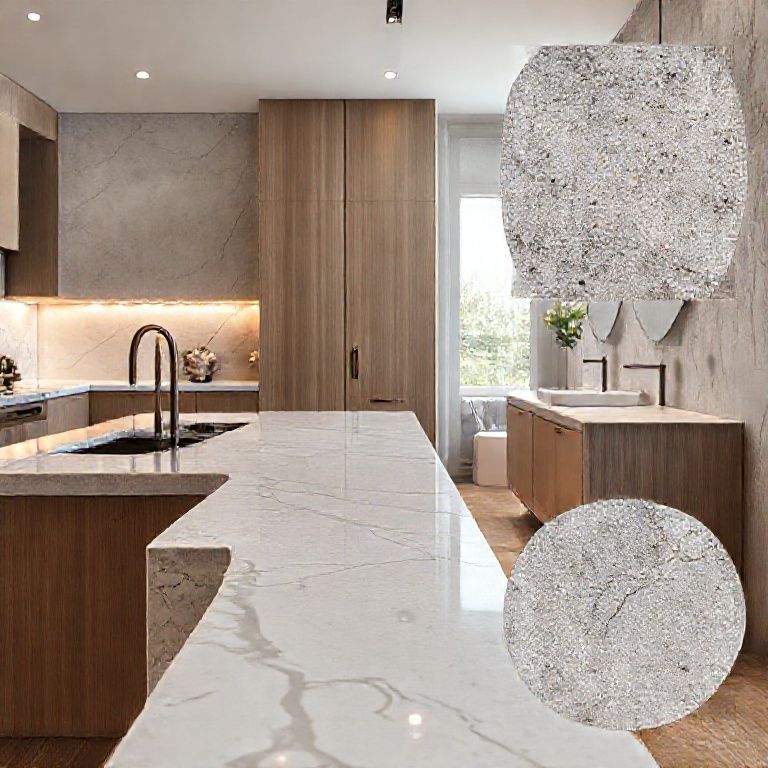
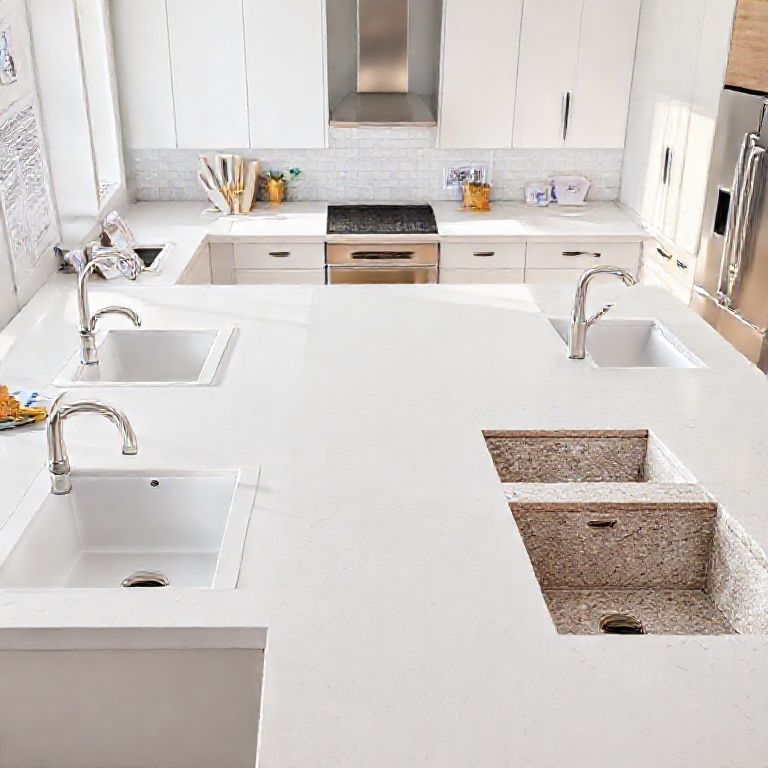
Synthetic stone, also known as cultured stone, is a composite material made from a combination of natural stone, resin, and pigments. This mixture is molded and cured to replicate the appearance of traditional natural stone such as marble, granite, or quartz. Despite its name, synthetic stone doesn’t just mimic natural stone; it often surpasses it in terms of durability and maintenance.
Factors Influencing Synthetic Stone Lifespan
Quality of Material and Craftsmanship The lifespan of synthetic stone largely depends on the quality of the raw materials used and the expertise of the craftsmen who mold it. High-quality synthetic stone is crafted from premium natural stone aggregates and advanced resins, which ensure superior strength and resistance to wear and tear. Additionally, meticulous craftsmanship ensures that each piece is precisely molded, contributing to its overall durability.
Type of Resin Used The type of resin used in the production of synthetic stone plays a crucial role in its longevity. Polymeric resins, for instance, are known for their high strength and resistance to cracking and chipping. These resins bond tightly with the stone aggregates, creating a seamless and robust surface that can withstand daily use.
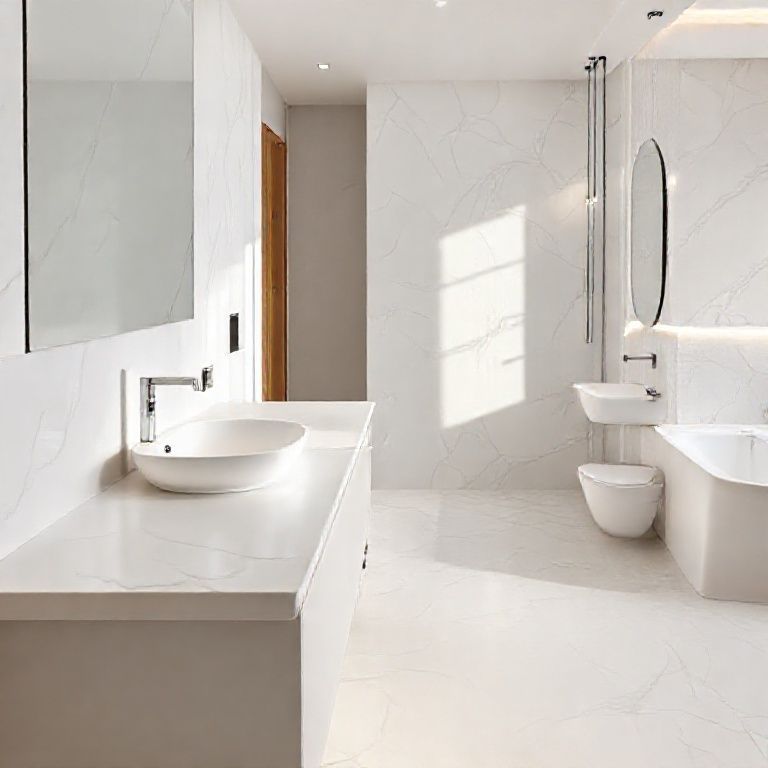
Surface Treatments and Coatings Surface treatments and coatings can significantly extend the life of synthetic stone. Many manufacturers offer additional protective layers that shield the surface from scratches, stains, and UV damage. These treatments can include hydrophobic coatings that repel water and oils, making maintenance easier and preserving the stone’s appearance over time.
Installation and Placement Proper installation is critical for the longevity of synthetic stone. It must be installed by skilled professionals who understand the nuances of each type of synthetic stone. Additionally, placing synthetic stone in areas with appropriate climate control and avoiding direct exposure to extreme temperatures can prevent potential damage.
Maintenance Practices Regular maintenance is essential to keep synthetic stone looking and functioning like new. This includes cleaning with mild soap and water, avoiding abrasive cleaners, and promptly addressing any spills or stains. Proper care ensures that the surface remains smooth and unblemished, extending its lifespan significantly.

Comparative Lifespan with Natural Stone
To put synthetic stone’s longevity into perspective, let’s compare it with traditional natural stone. Natural stone, while beautiful and timeless, requires more upkeep and is prone to natural wear and tear over time. Natural stone countertops, for example, can chip, crack, and stain, necessitating frequent repairs or replacements. In contrast, synthetic stone is less susceptible to such issues due to its composite nature and the protective measures used during its production.
Benefits of Synthetic Stone
Beyond its impressive lifespan, synthetic stone offers several other benefits:
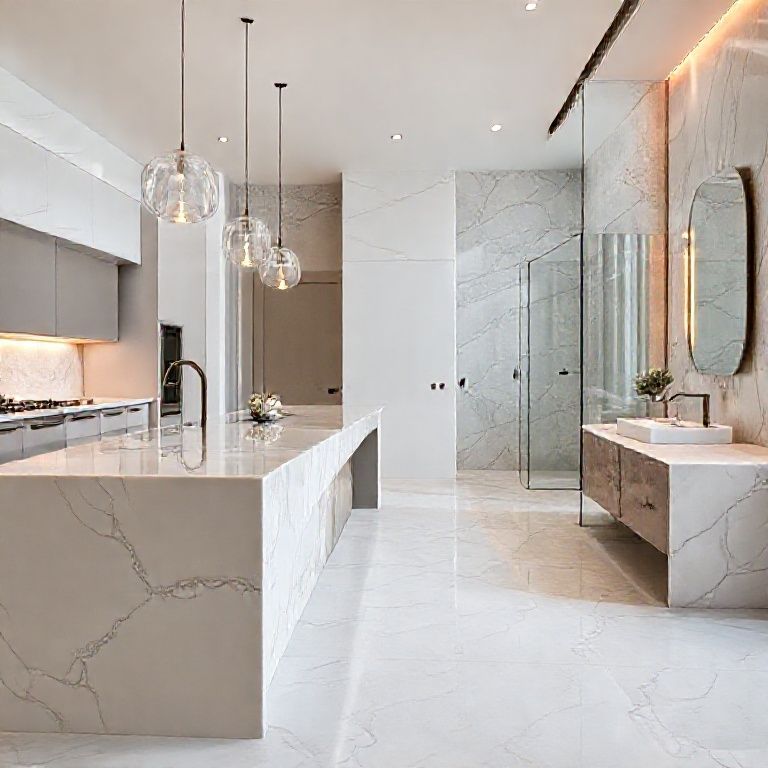
Aesthetic Versatility Synthetic stone can be crafted to mimic virtually any natural stone, providing endless design possibilities. It allows for intricate patterns, colors, and finishes that would be challenging to achieve with natural stone.
Cost-Effectiveness Because synthetic stone is more durable and requires less maintenance, it often proves to be more cost-effective in the long run compared to natural stone. This makes it an attractive option for both homeowners and businesses looking for high-quality materials without a hefty price tag.
Environmental Sustainability Synthetic stone is often more environmentally friendly than natural stone. The production of natural stone can have a significant environmental footprint, including habitat disruption and resource depletion. Synthetic stone, on the other hand, can be produced using recycled materials and offers a more sustainable alternative.
Conclusion
The lifespan of synthetic stone is a testament to its superior quality, advanced manufacturing techniques, and the careful maintenance it requires. By understanding the factors that influence its durability, you can make an informed decision when choosing synthetic stone for your next project. In the following part of this article, we will delve deeper into specific case studies and expert opinions on the longevity of synthetic stone in various applications.
Stay tuned for part two, where we will continue our exploration into the world of synthetic stone and uncover more insights into its enduring legacy.
The Enduring Lifespan of Synthetic Stone: Unveiling Its Secrets
Continuing our deep dive into the world of synthetic stone, this second part focuses on real-world applications, expert insights, and detailed case studies that further illuminate the impressive lifespan and benefits of synthetic stone.
Case Studies: Longevity in Action
Commercial Kitchens and Cafes One of the most demanding environments for any surface material is a commercial kitchen or café. High foot traffic, frequent use of cleaning agents, and exposure to food and grease all contribute to rapid wear and tear. However, synthetic stone has proven to be remarkably resilient in such settings. For instance, a leading restaurant chain reported that their synthetic stone countertops remained in pristine condition for over ten years, with minimal maintenance required beyond routine cleaning. This exceptional longevity is attributed to the high-quality resins and meticulous craftsmanship used in the production of the synthetic stone.
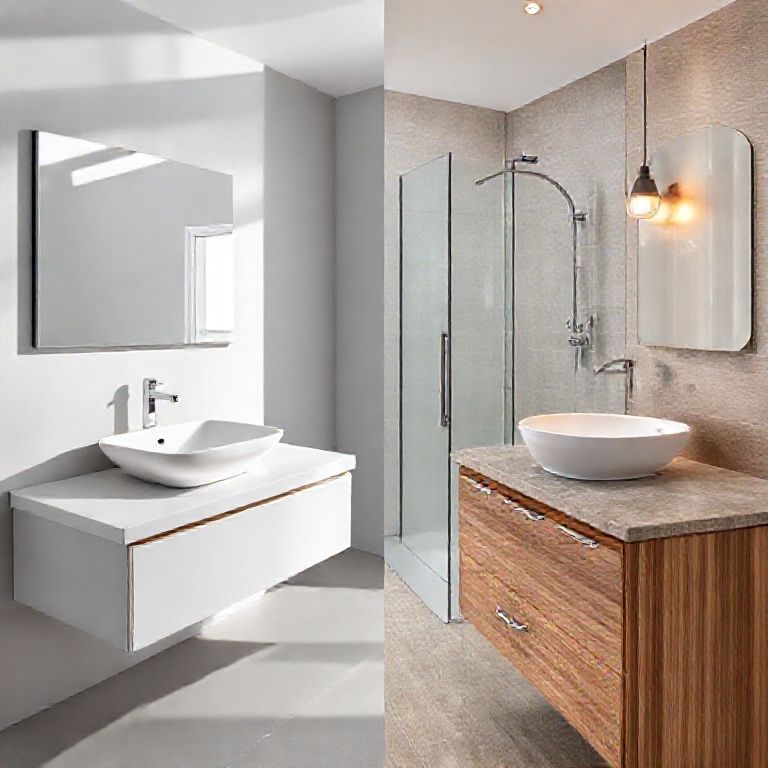
Residential Kitchens and Bathrooms In residential settings, synthetic stone is often used for countertops, backsplashes, and even bathroom vanities. A homeowner who installed synthetic stone countertops in their kitchen noted that, after 15 years, the surfaces still looked as good as new. The synthetic stone’s ability to resist staining and scratches has made it a preferred choice for families with children and pets, who are often the most demanding users of kitchen and bathroom spaces.
Architectural Applications Beyond everyday use, synthetic stone is also employed in high-profile architectural projects. For example, a renowned designer used synthetic stone for the façade of a new high-rise building. The synthetic stone panels, treated with advanced UV-resistant coatings, have maintained their vibrant colors and structural integrity over five years, even in direct sunlight. This showcases the material’s potential for long-term durability in large-scale, high-visibility projects.
Expert Opinions
To gain a deeper understanding of synthetic stone’s longevity, we reached out to leading experts in the field of material science and design.
Dr. Emily Chen, Material Scientist Dr. Chen, who specializes in composite materials, explains, “Synthetic stone combines the best properties of natural stone with the added benefits of resin technology. Its high tensile strength and resistance to thermal shock make it an ideal choice for applications where durability is paramount. Proper maintenance further ensures that synthetic stone retains its appearance and integrity for many years.”
John Rivera, Interior Designer Rivera, a renowned interior designer, emphasizes the aesthetic and practical advantages of synthetic stone. “One of the biggest advantages of synthetic stone is its versatility. Designers can create custom patterns and colors that not only mimic natural stone but often exceed its natural beauty. And because synthetic stone is less prone to staining and chipping, it’s easier to maintain and clean, which translates to a longer lifespan.”
Future Trends in Synthetic Stone Longevity
As technology advances, the future of synthetic stone looks even more promising in terms of longevity. Researchers are continually exploring new resin formulations and manufacturing techniques that enhance the durability and aesthetic appeal of synthetic stone.
Nanotechnology The integration of nanotechnology in synthetic stone production is a cutting-edge development. Nanoparticles can be incorporated into the resin to create surfaces that are not only stronger but also more resistant to scratches, stains, and environmental damage. This innovation could push the boundaries of synthetic stone’s lifespan even further.
Sustainable Practices Sustainability remains a key focus in the production of synthetic stone. Manufacturers are increasingly using recycled materials and developing eco-friendly processes. This trend not only enhances the environmental footprint but also contributes to the longevity of the product by ensuring that it is produced with minimal waste and maximum efficiency.
Conclusion
In conclusion, synthetic stone’s impressive lifespan is a result of its superior material composition, advanced manufacturing techniques, and the careful maintenance it requires. From commercial kitchens to residential homes and architectural marvels, synthetic stone has proven its capability to endure the test of time and usage. The insights provided by experts and detailed case studies further underscore the material’s resilience and longevity.
As we look to the future, advancements in nanotechnology and sustainable practices promise to further enhance the durability and appeal of synthetic stone, ensuring that it remains a top choice for both designers and consumers alike. Whether you’re considering synthetic stone for a new project or simply curious about its longevity, the evidence clearly points to a material that offers both beauty and endurance.
Thank you for joining us on this journey through the world of synthetic stone. We hope you found this exploration enlightening and that it equips you with the knowledge to make informed decisions about this remarkable material.