The Allure and Hidden Costs of Marble
Introduction: Marble is often celebrated for its timeless elegance, unparalleled beauty, and sophisticated charm. This natural stone has been a favored choice for centuries, adorning the most prestigious buildings, homes, and interiors around the globe. Its unique veining and colors add a touch of luxury and refinement that few materials can match. However, despite its allure, there are compelling reasons why many people are hesitant to use marble, especially in high-traffic areas. This first part of our exploration will uncover the hidden costs and challenges associated with marble.
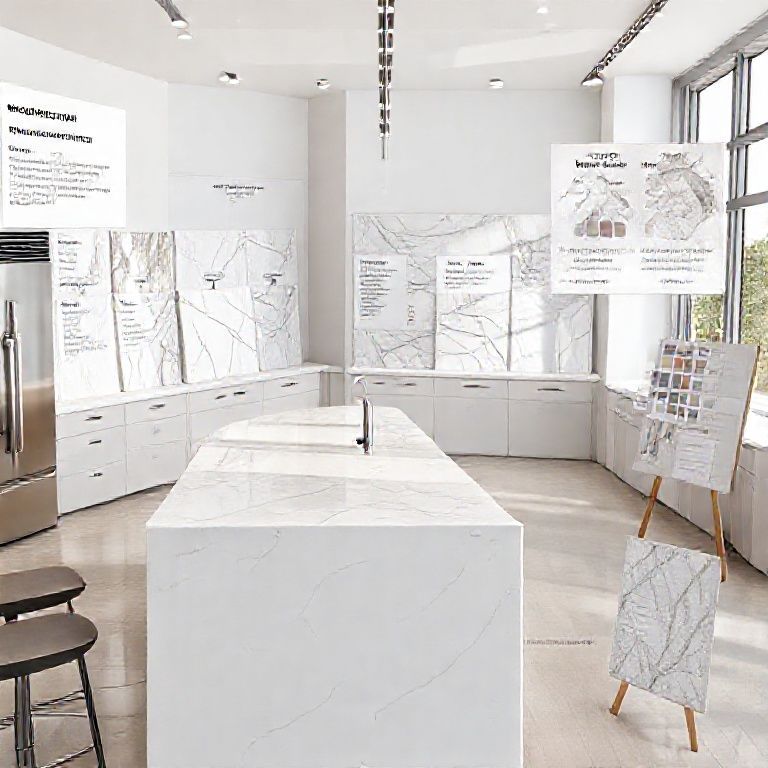
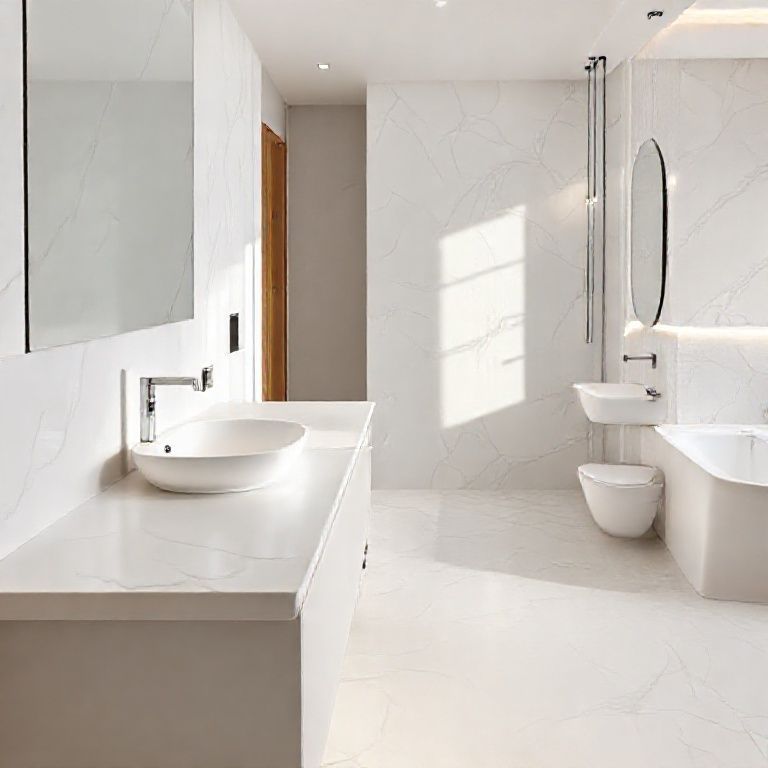
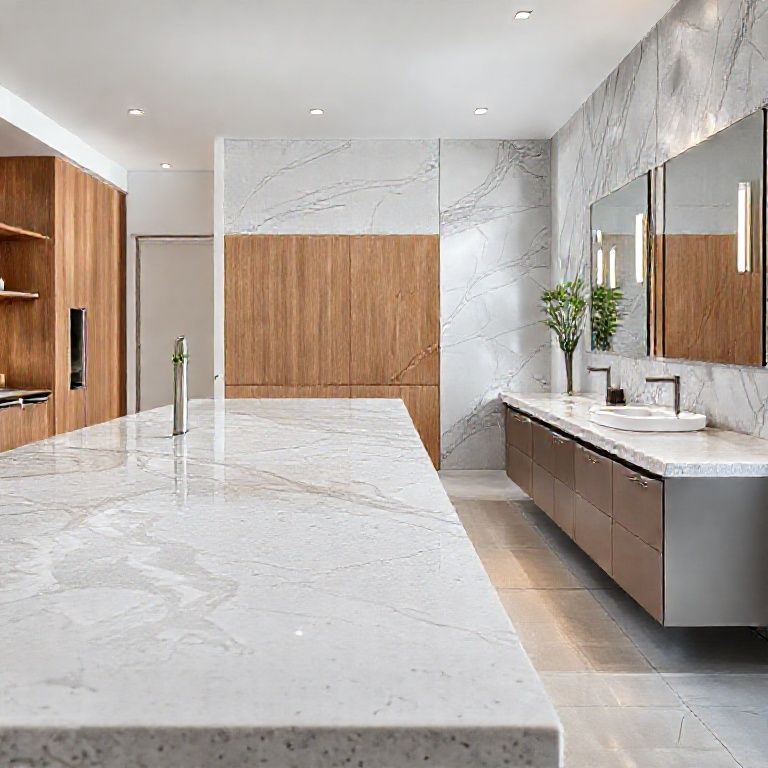
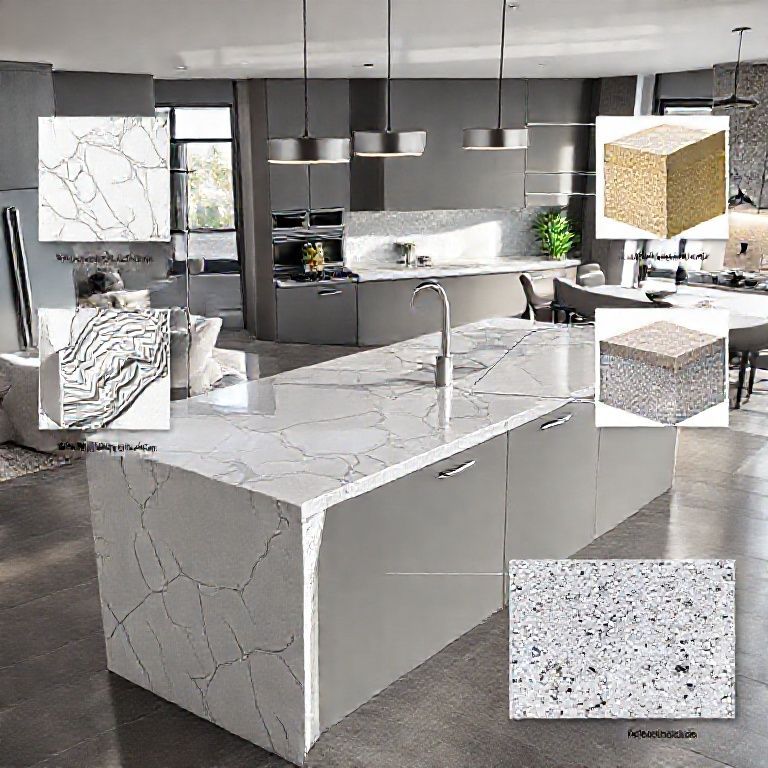
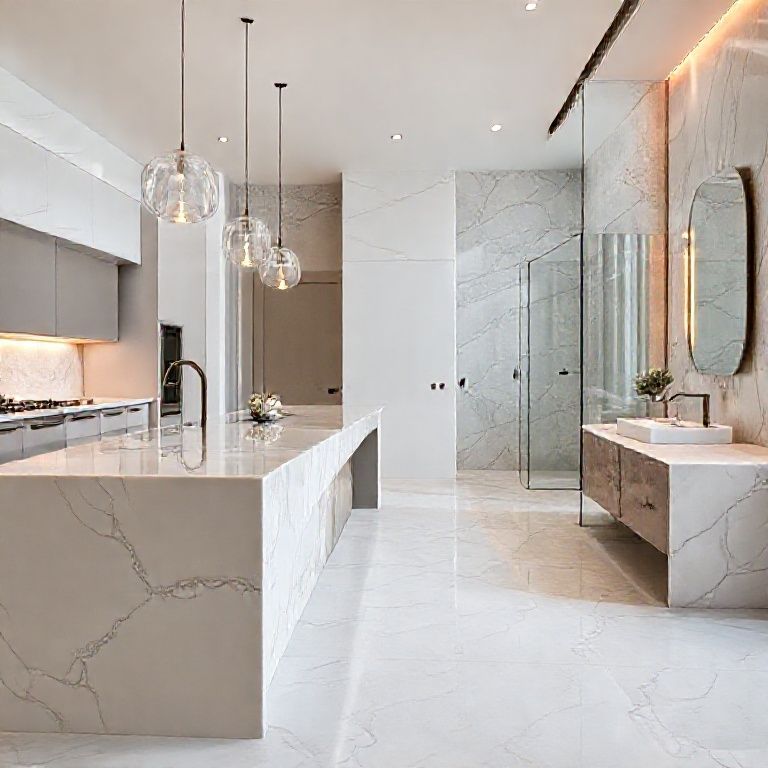
The Beauty of Marble: Marble’s beauty lies in its natural, often strikingly varied patterns and colors. It comes in an array of shades from the purest whites to deep, rich blacks and every hue in between. Its texture is smooth and cool to the touch, which adds to its luxurious feel. Marble has been used in everything from classical architecture to contemporary interior design, from grand statues to intricate flooring and countertops.
Initial Cost: While marble’s aesthetic appeal is undeniable, the initial cost can be quite high. Marble is a premium material, often more expensive than other types of stone or even some types of hardwood. The cost factor is not just about the material itself but also includes the expenses related to professional installation, which requires specialized skills to ensure durability and longevity.
Maintenance and Care: One of the primary reasons many people hesitate to use marble is its demanding maintenance requirements. Unlike some other materials, marble is not just difficult but requires specific care to maintain its beauty and integrity. It is essential to use pH-neutral cleaners and avoid substances that can cause staining, etching, or discoloration. Regular sealing is also crucial to protect the stone from spills and wear.
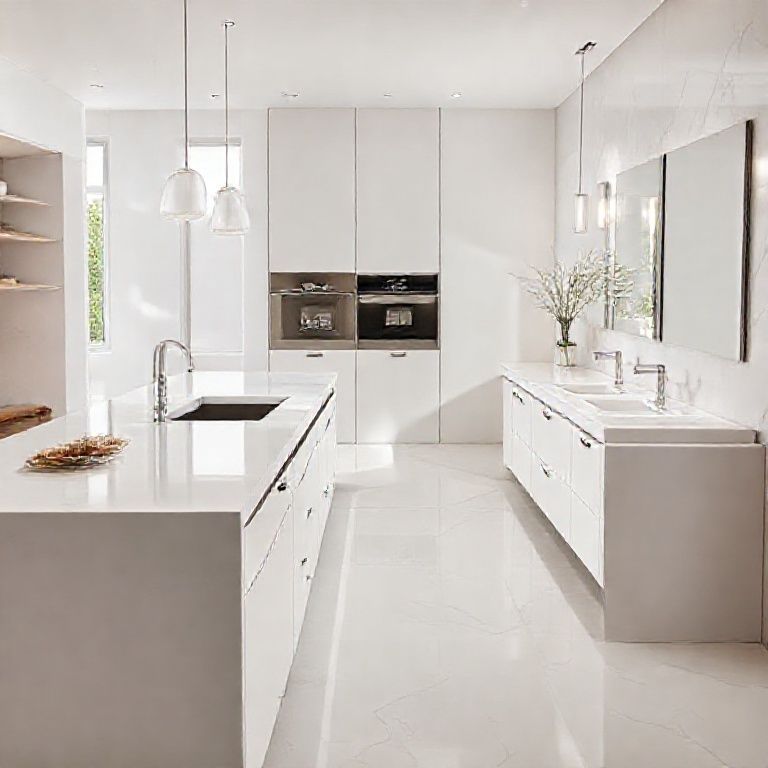
Acidity and Staining: Marble is a type of metamorphic rock formed from limestone. It is composed mainly of calcium carbonate, which makes it susceptible to acids. This vulnerability means that acidic substances like coffee, wine, juice, and even some household cleaners can leave permanent stains. Even water can cause etching over time, especially in areas with high humidity and temperature fluctuations.
Durability Concerns: Marble is strong and beautiful, but it is also relatively soft compared to other stone materials like granite or quartzite. On the Mohs hardness scale, marble rates around 3 to 4, meaning it can scratch easily. While marble can be polished to a high sheen, this polish can wear off quickly due to daily use and exposure to hard objects. The softer nature of marble means it is not ideal for high-traffic areas where heavy foot traffic and frequent movement of furniture are common.
Installation Challenges: The installation of marble requires professional expertise to ensure that the stone is laid correctly to avoid issues like uneven surfaces and cracks. Misalignment can lead to significant problems over time, including water seepage and structural damage. Additionally, the installation process can be complex, especially when dealing with intricate designs or large pieces, adding to the overall cost.
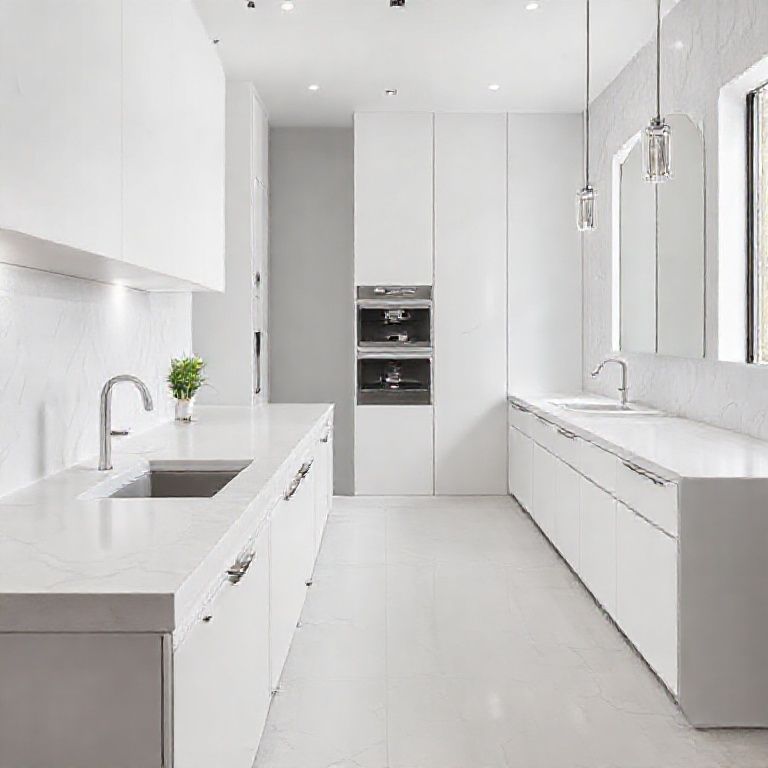
Environmental Impact: The environmental footprint of marble is another aspect that concerns many. Marble mining has historically caused significant environmental degradation, including habitat destruction and pollution. Although sustainable practices are improving, the extraction of marble still poses considerable environmental risks.
Conclusion: In summary, while marble’s beauty is undeniable, its high cost, demanding maintenance, susceptibility to stains and scratches, installation complexities, and environmental impact are significant deterrents for many. In the next part of this exploration, we will delve deeper into the specific maintenance requirements and alternatives to marble, offering a comprehensive view of this luxurious yet challenging material.
Maintenance Challenges and Alternatives to Marble
Introduction: Having explored the initial costs and general concerns associated with using marble, we now turn our attention to the detailed maintenance challenges and potential alternatives to this luxurious material. Understanding the intricacies of marble care is crucial for those considering its use, and exploring viable alternatives can help make more informed decisions.
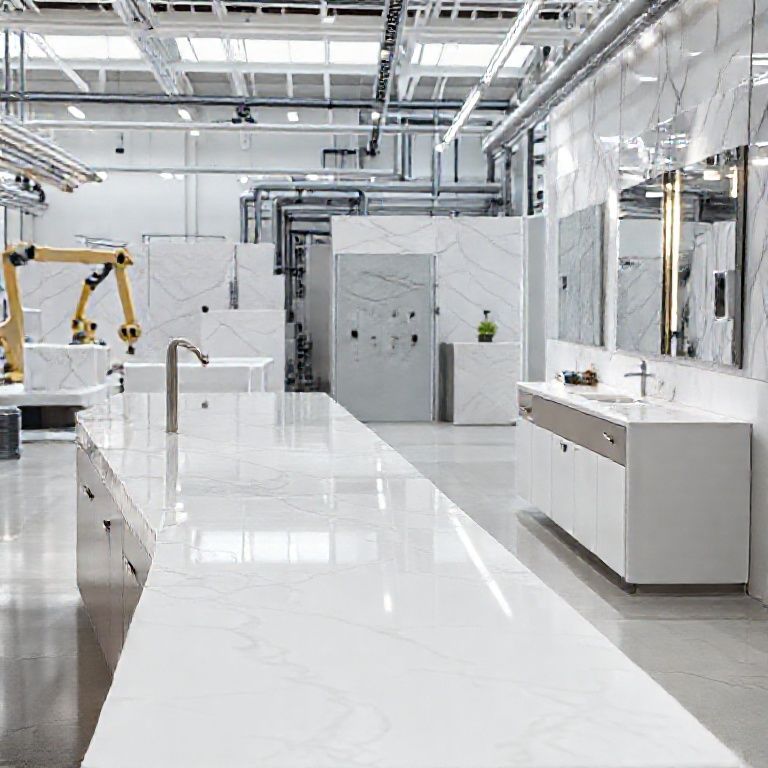
Detailed Maintenance Requirements: Proper maintenance of marble is paramount to preserving its beauty and longevity. Here are the key elements of marble care:
Regular Cleaning: Marble surfaces must be cleaned regularly to prevent the buildup of grime, which can lead to staining and etching. It’s essential to use pH-neutral cleaners that won’t harm the stone’s surface. A simple solution of warm water and mild soap can often suffice for everyday cleaning. Avoid abrasive cleaners and sponges, which can scratch the marble.
Sealing: Marble requires regular sealing to create a protective barrier against spills and stains. The frequency of sealing depends on the type of marble and the level of exposure to spills and heavy foot traffic. Typically, sealing should be done every 6 to 12 months, but this can vary. It’s crucial to use a high-quality, pH-neutral sealer specifically designed for marble.
Avoiding Acidic Substances: As mentioned earlier, marble’s susceptibility to acids makes it imperative to avoid acidic substances. This includes everything from fruit juices and vinegar to coffee, wine, and even some cleaning products. Spills should be wiped up immediately to prevent staining and etching.
Temperature and Humidity Control: Marble can be affected by temperature and humidity changes, which can lead to expansion and contraction. These changes can cause the marble to crack or develop water spots over time. Keeping indoor environments stable in terms of temperature and humidity can help mitigate these risks.
Professional Maintenance: For those who are not comfortable with the maintenance process, professional marble cleaning and sealing services are available. These services can ensure that the marble is cared for correctly, extending its lifespan and maintaining its beauty.
Alternatives to Marble: Given the challenges associated with marble, many people explore alternative materials that offer similar aesthetics but with lower maintenance requirements. Here are some popular alternatives:
1. Granite: Granite is a harder and more durable alternative to marble. It is much more resistant to scratches and stains, making it a better choice for high-traffic areas. Granite also offers a wide range of colors and patterns, providing a similar aesthetic to marble. However, it still requires regular sealing and care.
2. Quartz: Quartz is a synthetic stone that combines the beauty of natural stone with the durability and low maintenance of man-made materials. It is highly resistant to stains, heat, and scratches, making it ideal for countertops and other high-use areas. Quartz surfaces are easy to clean and do not require sealing.
3. Solid Surface Composites: Materials like Corian or Solidite offer the look of marble with none of the maintenance challenges. These materials are resistant to stains, scratches, and temperature changes. They are also easy to clean and do not require sealing.
4. Engineered Stone: Engineered stone is another alternative that combines the aesthetics of natural stone with enhanced durability. It is less prone to scratches and stains compared to marble and requires minimal maintenance.
5. Porcelain Tile: For those looking for a more affordable and low-maintenance option, porcelain tiles can offer a similar sleek and modern look to marble. They are highly durable, resistant to stains and scratches, and easy to clean.
Conclusion: In conclusion, while marble offers unparalleled beauty and elegance, its high maintenance requirements, susceptibility to stains, and cost can be significant deterrents. Understanding these challenges and exploring alternatives can help individuals make informed decisions about their flooring and countertops. From durable stones like granite and quartz to low-maintenance synthetic options, there are numerous alternatives that can provide similar aesthetics with far less hassle.
By weighing the pros and cons, individuals can choose the material that best suits their needs, ensuring both beauty and practicality in their home or business spaces. In a world where both aesthetics and functionality are paramount, these insights can guide the way to a more informed and satisfying choice.