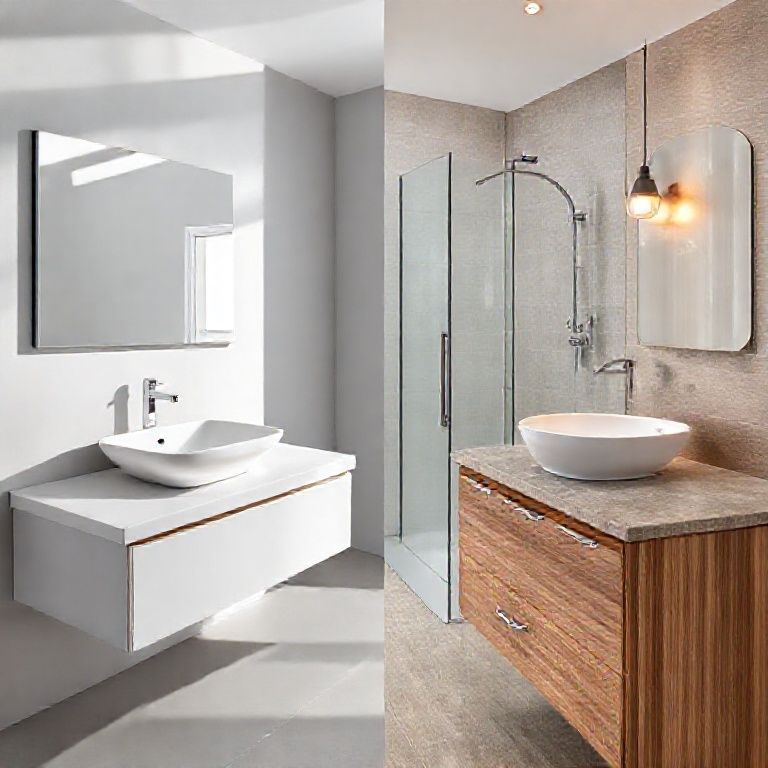
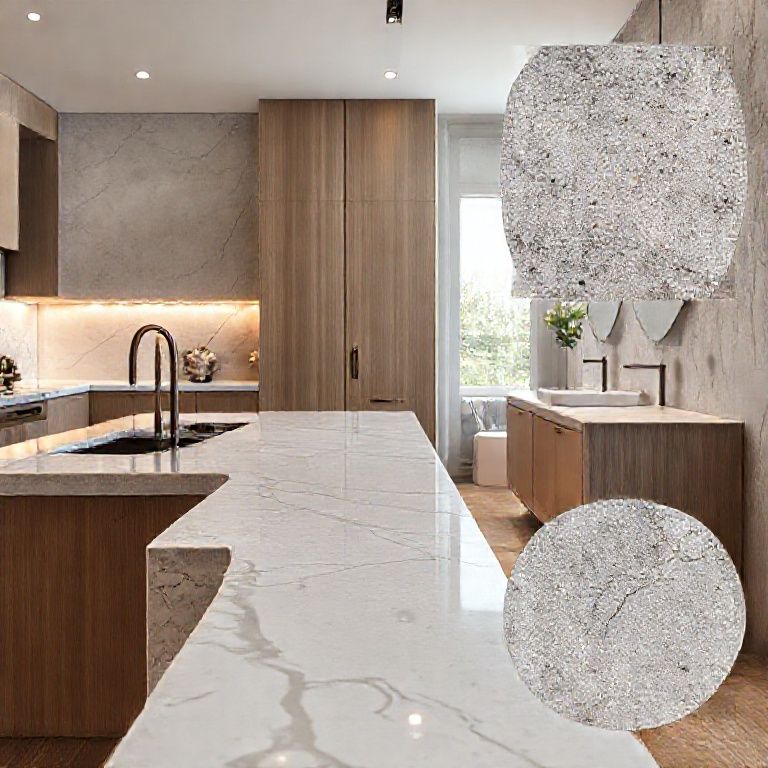
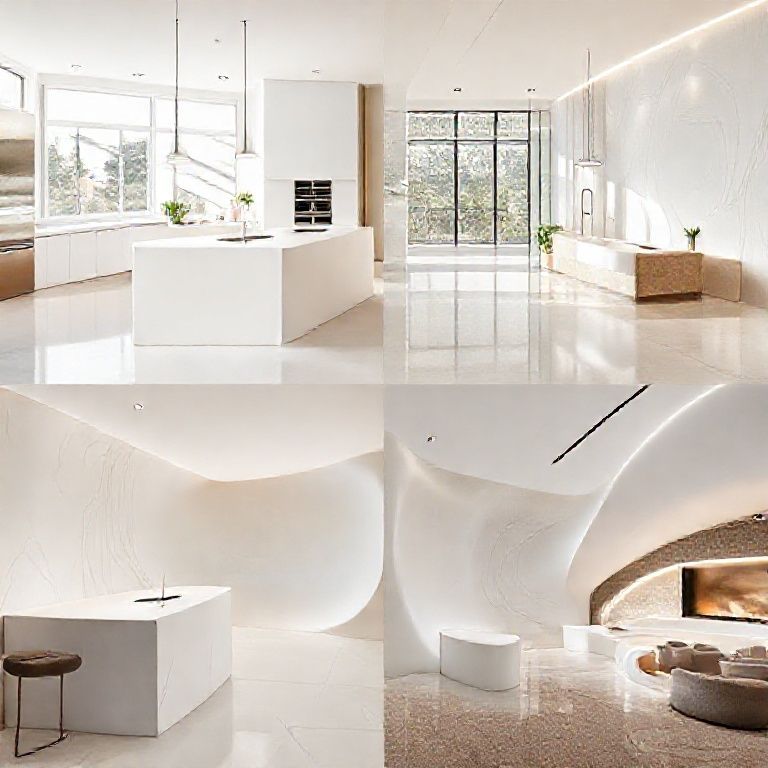
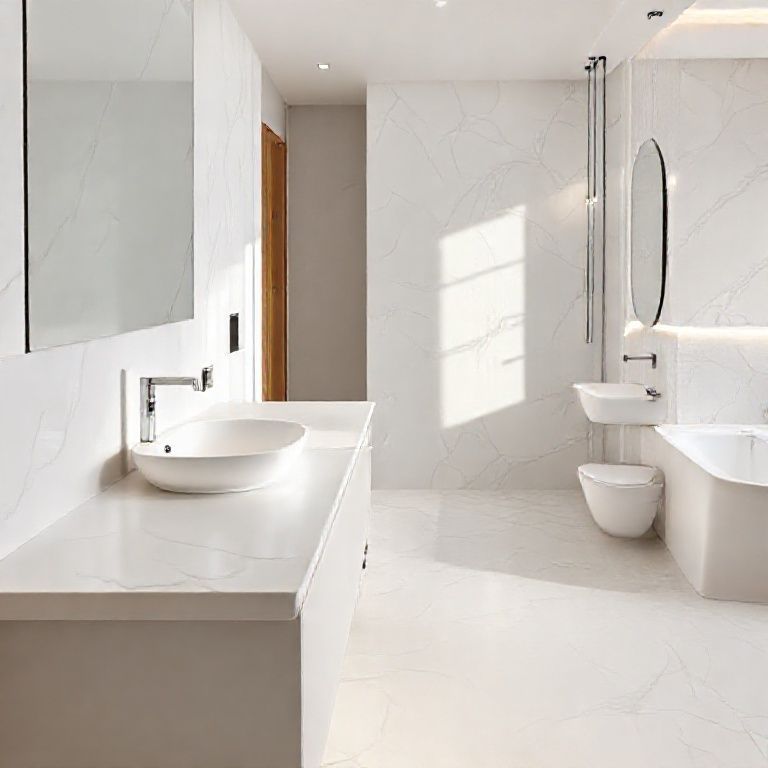
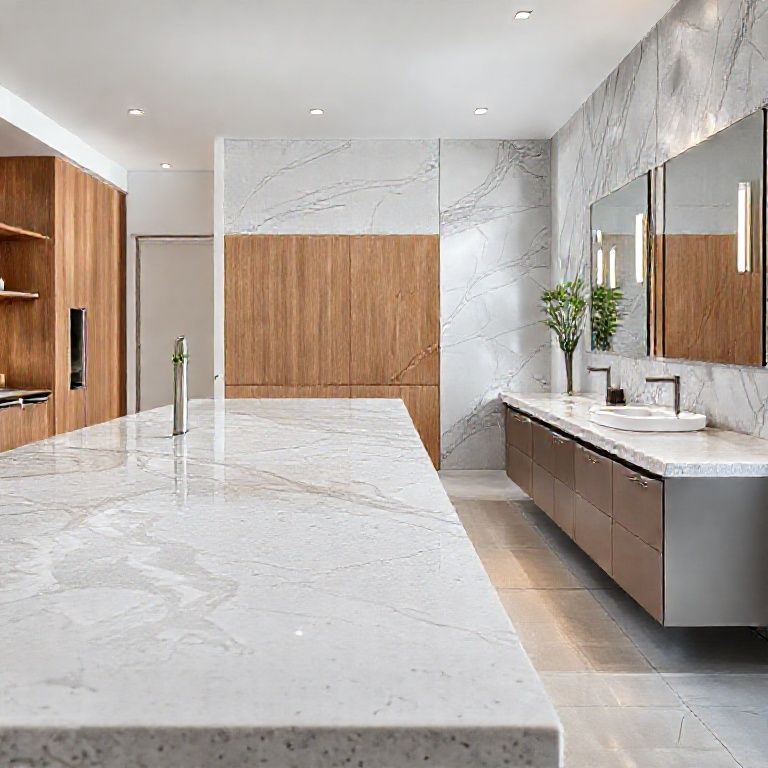
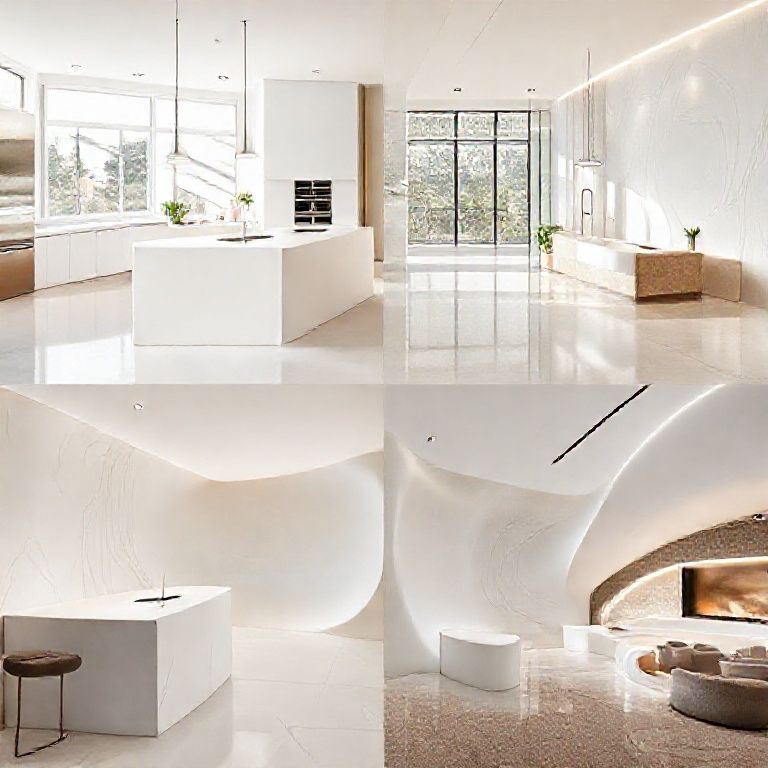
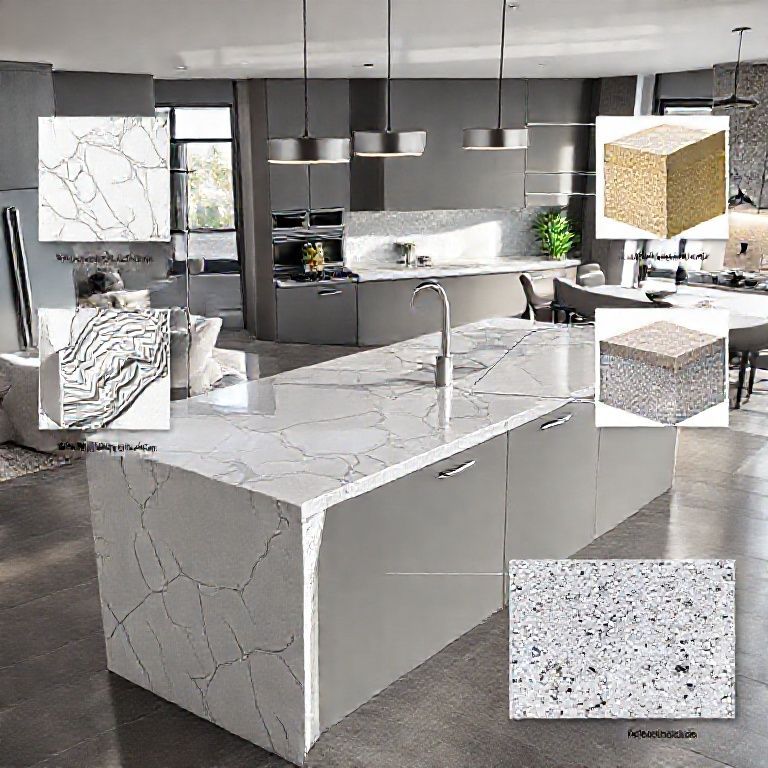
In the realm of architecture and construction, the term “slabs” often emerges, sparking curiosity about its true essence. The phrase “岩板说白了就是大片的砖吗” (translated as “slabs, in essence, are just large bricks”) encapsulates a fundamental truth about these architectural elements. While slabs might not be as grandiose as towering skyscrapers or as intricate as gothic cathedrals, they play a crucial role in the field of construction and design.
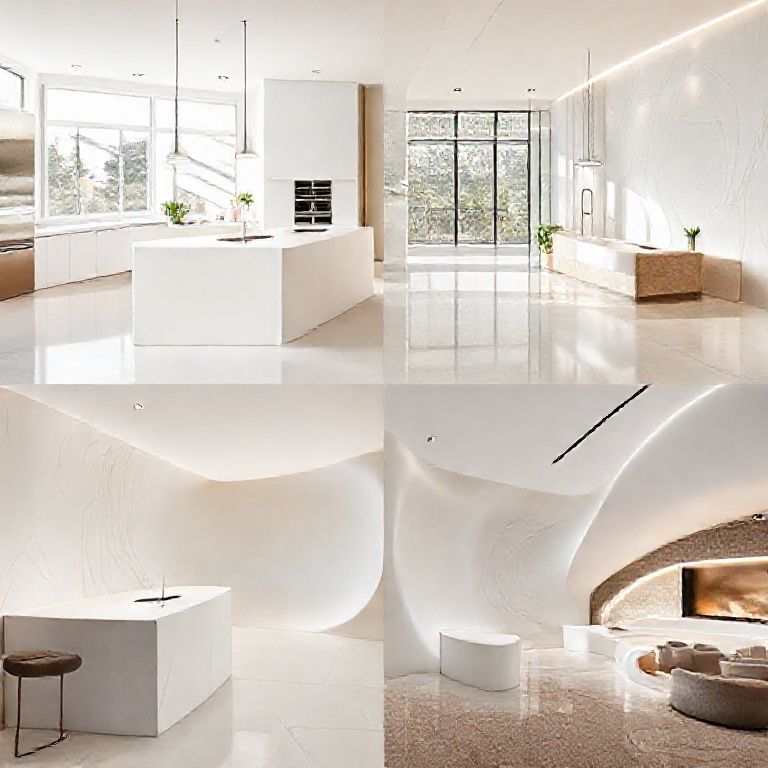
The Essence of Slabs
Slabs, in their simplest form, are expansive, flat, continuous surfaces that are typically used to create floors, ceilings, or roofs in buildings. Often likened to large bricks, slabs are versatile and indispensable in modern construction. They are primarily composed of concrete, although other materials such as steel and composite materials can also be used. The primary characteristic that sets slabs apart from traditional bricks is their size; they are much larger and flatter, providing a robust foundation for various architectural designs.
Historical Significance
To truly understand the importance of slabs, one must delve into history. The concept of using large, flat surfaces dates back to ancient civilizations. The Romans, for instance, were pioneers in the use of concrete, which they referred to as opus caementicium. The Romans utilized this material to create durable slabs for floors and ceilings in their grand structures like amphitheaters and basilicas. The Pantheon in Rome, with its magnificent dome supported by a massive concrete slab, stands as a testament to the ingenuity and durability of this ancient construction technique.
Throughout history, slabs have evolved to adapt to the changing needs of architecture and construction. The Industrial Revolution brought about a significant transformation in building techniques, making slabs a cornerstone of modern construction. The advent of reinforced concrete in the late 19th and early 20th centuries revolutionized the way buildings were constructed, leading to the development of flat slabs and ribbed slabs that could support extensive structures with minimal material.
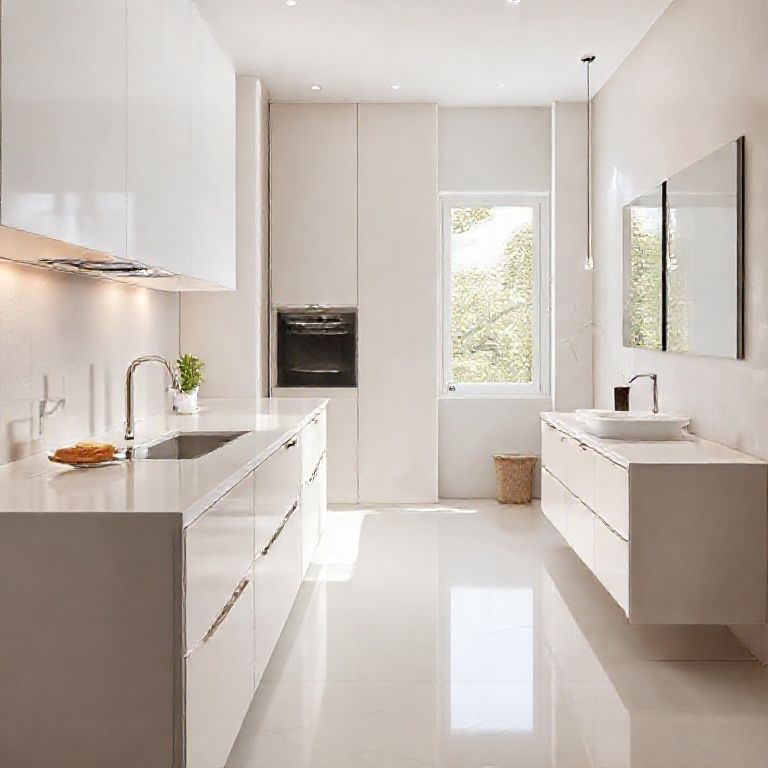
Modern Applications
In contemporary architecture, slabs are ubiquitous and play a pivotal role in various construction projects. They are integral to the design and construction of residential, commercial, and industrial buildings. Here are some modern applications of slabs:
Residential Buildings: In multi-story residential buildings, slabs serve as the foundation for floors and ceilings. They provide a sturdy base that can support the weight of multiple apartments or homes. The use of reinforced concrete slabs allows for the creation of open floor plans, offering flexibility in interior design.
Commercial Complexes: Commercial buildings such as offices, shopping malls, and warehouses rely heavily on slabs for their structural integrity. The ability of slabs to span large areas without internal supports makes them ideal for open-plan designs, maximizing usable space.
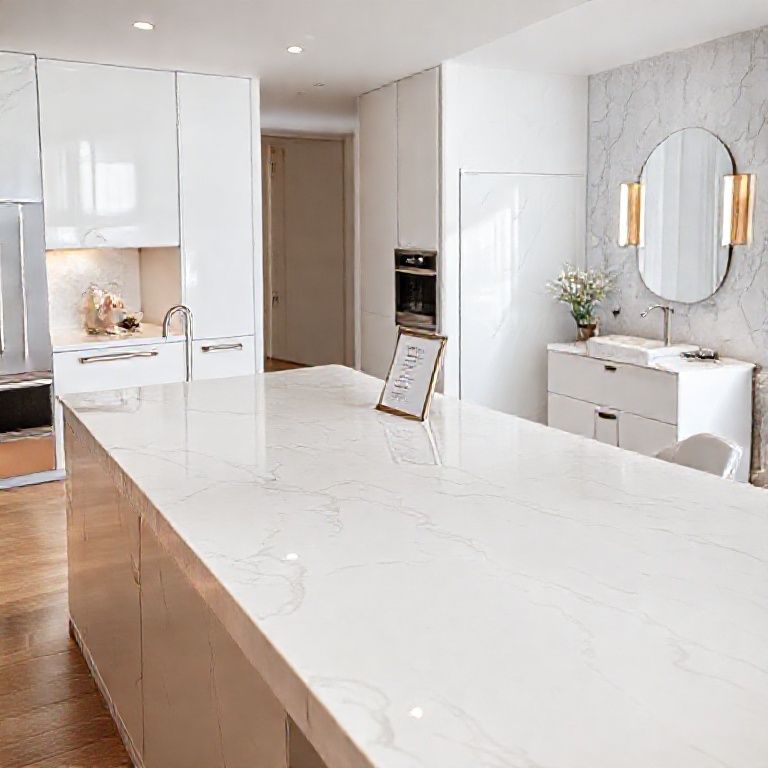
Industrial Structures: Industrial buildings, including factories and warehouses, benefit from the strength and durability of slabs. They provide a flat, smooth surface that can easily accommodate machinery and equipment, while their robust nature ensures the longevity of the structure.
Infrastructure Projects: Slabs are also crucial in infrastructure projects such as bridges, highways, and parking lots. Their ability to distribute weight evenly makes them ideal for creating expansive, load-bearing surfaces that can support heavy traffic and equipment.
Design and Aesthetics
While the primary function of slabs is structural, their design and aesthetic appeal cannot be overlooked. Modern architects and designers have found innovative ways to incorporate slabs into their work, creating visually striking and functional spaces. Here are some design elements that highlight the aesthetic potential of slabs:
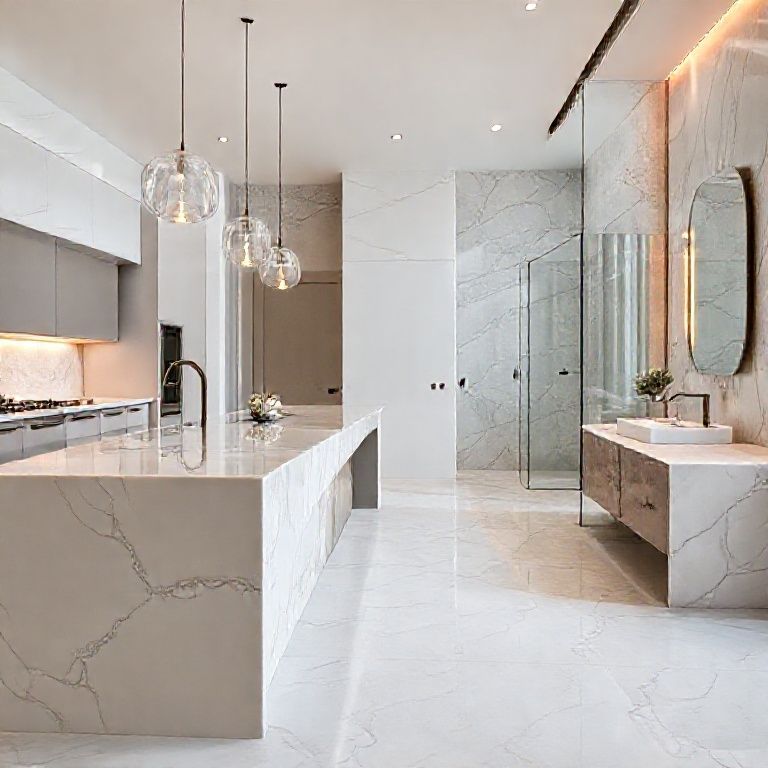
Exposed Concrete: Exposed concrete slabs, often finished with a rough texture, offer a raw and industrial aesthetic that is popular in contemporary design. The natural imperfections of the concrete surface add character and charm to spaces.
Color and Finish: Slabs can be finished in various colors and textures, allowing for a wide range of design possibilities. High-gloss polished concrete, for example, provides a sleek and modern look, while stained or patterned concrete offers unique, custom designs.
Integration with Nature: In eco-friendly and sustainable design, slabs play a role in creating green spaces and gardens. Permeable concrete slabs allow water to seep through, reducing runoff and supporting plant growth, while green roofs utilize slabs to support vegetation.
Construction Techniques
The construction of slabs involves several techniques and methods that ensure their durability and structural integrity. Here are some common construction techniques for slabs:
Cast-in-Place Concrete: This traditional method involves pouring fresh concrete into a formwork on-site and allowing it to cure. Cast-in-place slabs are versatile and can be designed to accommodate various shapes and sizes.
Precast Concrete: In this method, slabs are manufactured off-site in a factory and then transported to the construction site for placement. Precast slabs offer high quality and uniformity, reducing construction time and labor costs.
Reinforced Concrete: To enhance the strength and flexibility of slabs, reinforcing bars or mesh are embedded within the concrete. This technique, known as reinforced concrete, is commonly used in residential and commercial buildings.
Steel Deck Slabs: These slabs consist of a metal deck with a concrete layer on top. The metal deck provides structural support, while the concrete layer offers a smooth, finished surface. Steel deck slabs are popular in industrial construction due to their speed of construction and durability.
Maintenance and Longevity
The longevity of slabs depends on proper maintenance and care. Regular inspections and maintenance can help identify and address potential issues before they become significant problems. Here are some maintenance tips for slabs:
Cleaning: Regular cleaning of slabs removes dirt, grime, and stains, maintaining their appearance and preventing damage from environmental factors.
Repairing Cracks: Cracks in slabs can lead to structural weaknesses if left unaddressed. Prompt repair of cracks using appropriate materials ensures the integrity of the slab.
Sealing: Sealing slabs protects them from moisture, chemicals, and UV radiation, extending their lifespan and maintaining their aesthetic appeal.
Resurfacing: In cases where slabs have significant wear and damage, resurfacing can restore their functionality and appearance. Techniques such as epoxy coating or concrete resurfacing provide a fresh, durable finish.
Conclusion
In conclusion, slabs are more than just large bricks; they are fundamental elements in the world of architecture and construction. Their historical significance, modern applications, and versatility make them an essential component in the design and construction of various buildings and infrastructure projects. By understanding the essence of slabs and their role in modern architecture, we can appreciate their contribution to the built environment and the innovative ways in which they are being utilized to create functional, beautiful spaces.
In the ever-evolving world of contemporary architecture, slabs continue to be a central element, thanks to their versatility and adaptability. As we move further into the 21st century, the role of slabs has expanded, incorporating cutting-edge technologies and innovative design principles that push the boundaries of what is possible in construction and architecture.
Innovations in Slab Design
One of the most significant aspects of modern slab design is the incorporation of innovative materials and techniques. Architects and engineers are constantly exploring new ways to enhance the functionality, aesthetics, and sustainability of slabs. Here are some of the latest innovations in slab design:
Advanced Composite Materials: Traditional concrete slabs are being augmented with advanced composite materials such as fiber-reinforced polymers and carbon fiber composites. These materials offer superior strength, durability, and resistance to environmental factors, making slabs more versatile and suitable for various applications.
Smart Concrete: Smart concrete is an emerging technology that integrates sensors and other smart materials into the concrete itself. These sensors can monitor structural health, environmental conditions, and even provide real-time data to building management systems. Smart concrete slabs are paving the way for more intelligent and responsive buildings.
Modular Slabs: Modular slab construction involves prefabricated, interchangeable slabs that can be easily assembled on-site. This method reduces construction time, labor costs, and waste. Modular slabs also offer greater flexibility in design and layout, allowing for more dynamic and adaptable building designs.
3D Printed Slabs: 3D printing technology is revolutionizing the way slabs are constructed. By using 3D printers to create complex, customized shapes and structures, architects can design and build slabs that are tailored to specific needs and aesthetic requirements. This technology also reduces material waste and construction time.
Architectural Design and Aesthetics
Slabs are no longer just functional elements; they have become a focal point of architectural design and aesthetics. Contemporary architects are pushing the boundaries of creativity, using slabs to create visually stunning and innovative structures. Here are some ways slabs are being used in modern architectural design:
Open Spaces当然,继续我们关于现代建筑中砖板(slabs)的探讨。
未来的砖板:可持续性和环境友好
再生混凝土:使用再生混凝土(recycled concrete)来制造砖板,这种材料利用了建筑废料和破碎的旧混凝土。再生混凝土不仅减少了对新材料的需求,还减少了建筑垃圾的产生。
低碳材料:开发和使用低碳排放的混凝土和其他建筑材料。这些材料在生产过程中产生的二氧化碳排放量较低,有助于减少建筑对环境的影响。
绿色屋顶和墙体:将砖板设计用于支撑绿色屋顶和垂直绿化系统。这不仅能提升建筑的美观性,还能改善空气质量、调节城市温度,并提供生物多样性的栖息地。
可再生能源集成:在砖板设计中集成可再生能源技术,如太阳能电池板和风力发电装置。这些技术能够为建筑提供可再生的能源,降低其整体能耗。
智能建筑与物联网
智能传感器:在砖板中嵌入智能传感器,用于实时监测建筑的结构健康、温度、湿度和空气质量等参数。这些数据可以通过物联网平台传输到建筑管理系统,实现对建筑的实时监控和管理。
自我修复混凝土:研究和开发具有自我修复功能的混凝土。这种混凝土能够在出现裂缝时自行修复,从而延长建筑的使用寿命,减少维护成本。
能源管理系统:集成能源管理系统,通过智能传感器和控制器优化建筑的能源使用。例如,可以通过调节砖板的隔热性能来优化建筑的供暖和制冷系统,从而节省能源。
未来展望
展望未来,砖板在现代建筑中的角色将会继续发展和演变。随着新材料、新技术的不断涌现,砖板将在建筑设计和施工中发挥更加重要的作用。无论是在高效、环保、智能还是在美观和功能性方面,砖板都将继续为建筑行业带来创新和可能性。
总结而言,现代建筑中的砖板不仅仅是一种建筑材料,更是一种融合了历史、科技和创新的重要元素。它们在结构、设计、环保和智能方面的多重功能,使得砖板成为现代建筑中不可或缺的重要组成部分。通过不断探索和创新,砖板将在未来的建筑设计和施工中继续展现其无限的潜力和魅力。