The Science and Craft of Engineered Marble
In the realm of contemporary design, few materials have managed to capture the imagination and admiration of architects, designers, and homeowners alike as effectively as engineered marble. This remarkable substance, known for its striking beauty and unparalleled durability, represents the perfect fusion of nature’s elegance and cutting-edge technology.
What is Engineered Marble?
Engineered marble, often referred to as synthetic or artificial marble, is a composite material crafted through a meticulous process that combines natural marble dust with polymers. This innovative approach results in a product that mirrors the intricate patterns and colors of genuine marble while offering superior performance characteristics.
The production of engineered marble involves several key steps:
Marble Dust Creation: Natural marble is crushed into fine particles, creating a rich, marble-like dust. This dust serves as the primary ingredient in the engineered marble mixture.
Polymer Binding: To ensure the durability and strength of the final product, a polymer resin is blended with the marble dust. This resin acts as a binding agent, holding the marble particles together in a cohesive, solid form.
Curing Process: The mixture undergoes a curing process where it is subjected to high pressure and temperature. This step is crucial in achieving the desired hardness and resistance to various environmental factors.
The Advantages of Engineered Marble
Engineered marble boasts a multitude of advantages that make it an attractive choice for a wide range of applications:
Aesthetic Versatility: Engineered marble can replicate the intricate veining and colors of natural marble, providing designers with a virtually limitless palette of options. Its aesthetic versatility allows for the creation of unique, customized designs that cater to diverse tastes and preferences.
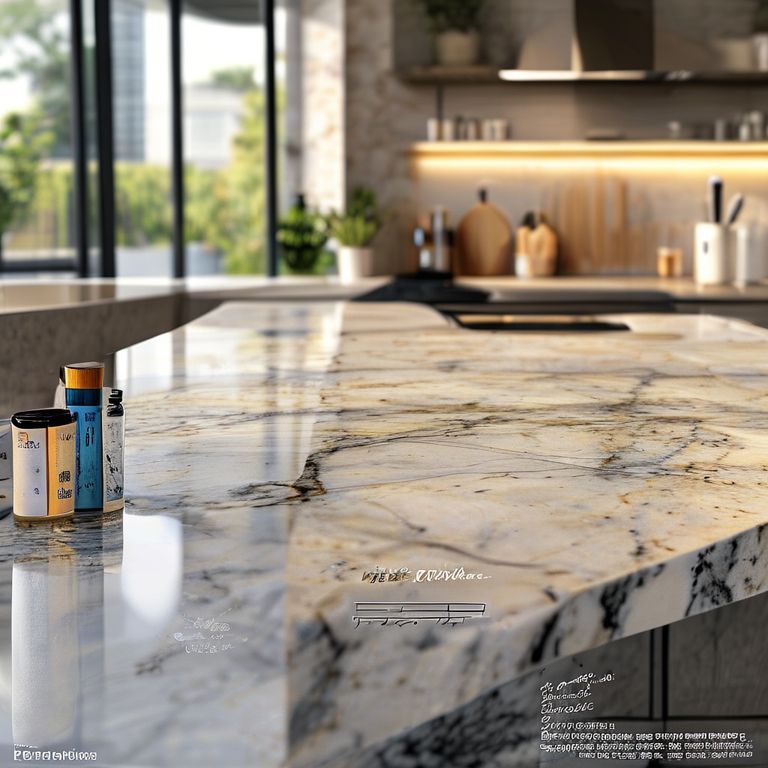
Durability and Strength: Unlike natural stone, which can be prone to scratches, chips, and staining, engineered marble is incredibly resilient. The binding polymer and high-pressure curing process endow it with exceptional strength and durability, ensuring long-lasting performance even in high-traffic areas.
Water Resistance: One of the standout features of engineered marble is its outstanding resistance to water and moisture. Unlike natural stone, which can absorb water and become susceptible to water stains and etching, engineered marble remains impervious to such damage, making it ideal for wet areas such as kitchens, bathrooms, and pools.
Cost-Effectiveness: While natural marble is known for its premium cost, engineered marble offers a more affordable alternative without compromising on quality. This makes it an accessible option for homeowners and businesses looking to achieve a high-end look at a fraction of the price.
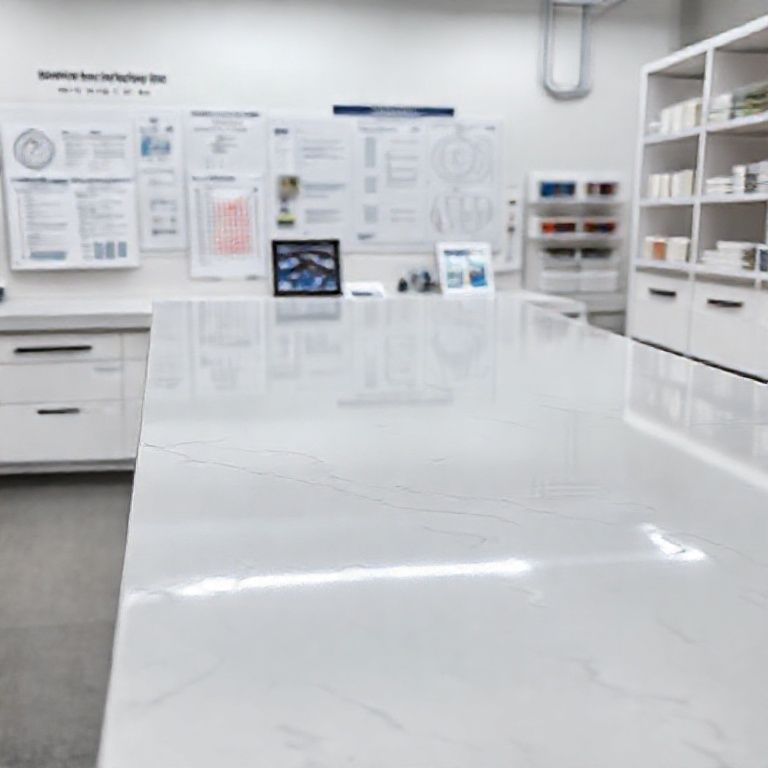
Ease of Maintenance: Engineered marble is remarkably easy to maintain. It requires minimal cleaning and care, as it does not absorb water or stain easily. A simple wipe-down with a damp cloth and mild soap is often sufficient to keep its surface looking pristine.
Installation Flexibility: The slabs of engineered marble can be cut to any size and shape, offering unparalleled flexibility in design and installation. This makes it easier to fit into various spaces and to accommodate unique architectural requirements.
Applications of Engineered Marble
Engineered marble’s versatility extends to numerous industries and design scenarios:
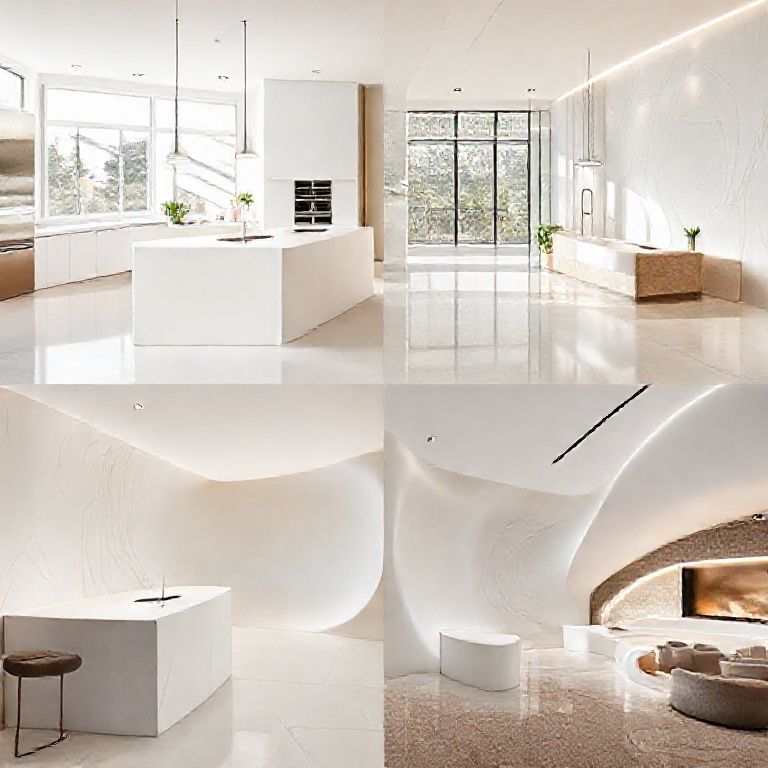
Commercial Spaces: Restaurants, hotels, offices, and retail environments benefit greatly from the use of engineered marble. Its durability and aesthetic appeal make it an ideal choice for high-traffic areas where both style and functionality are paramount.
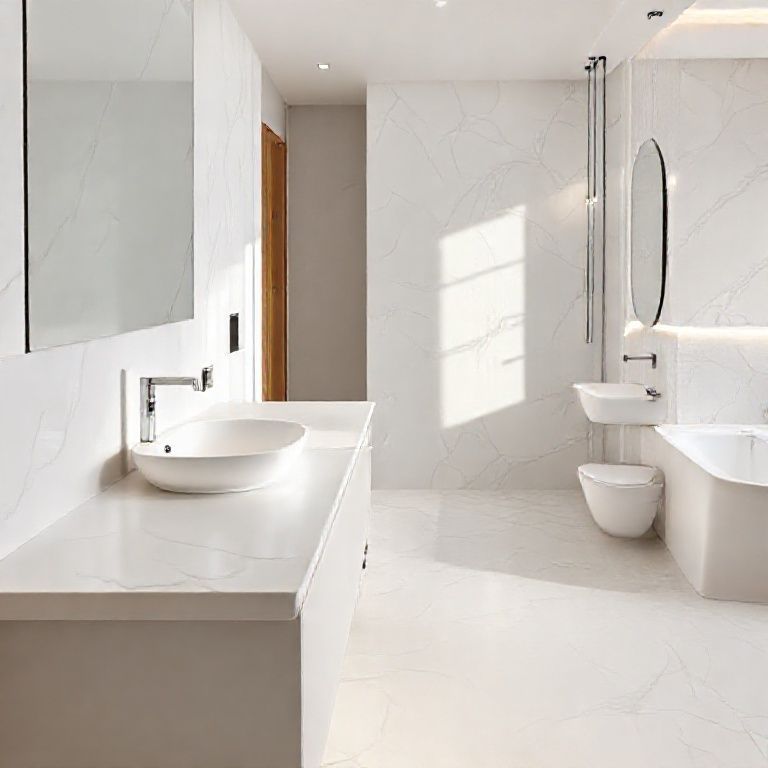
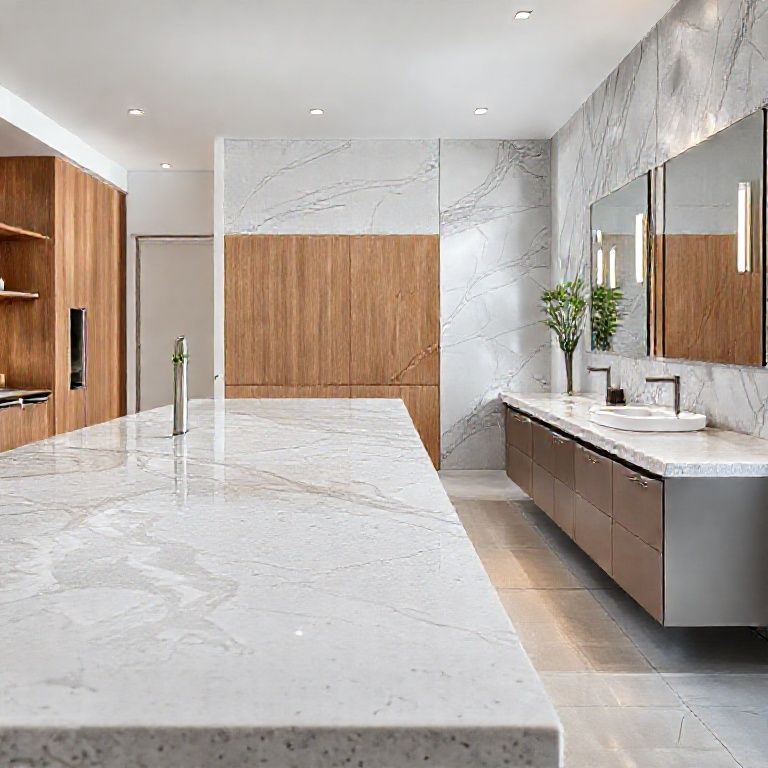
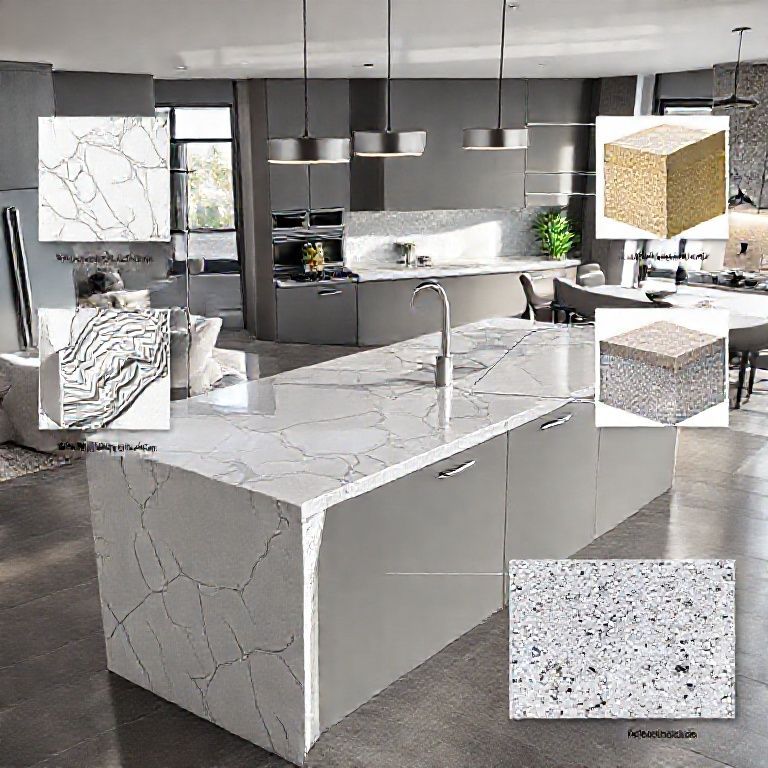
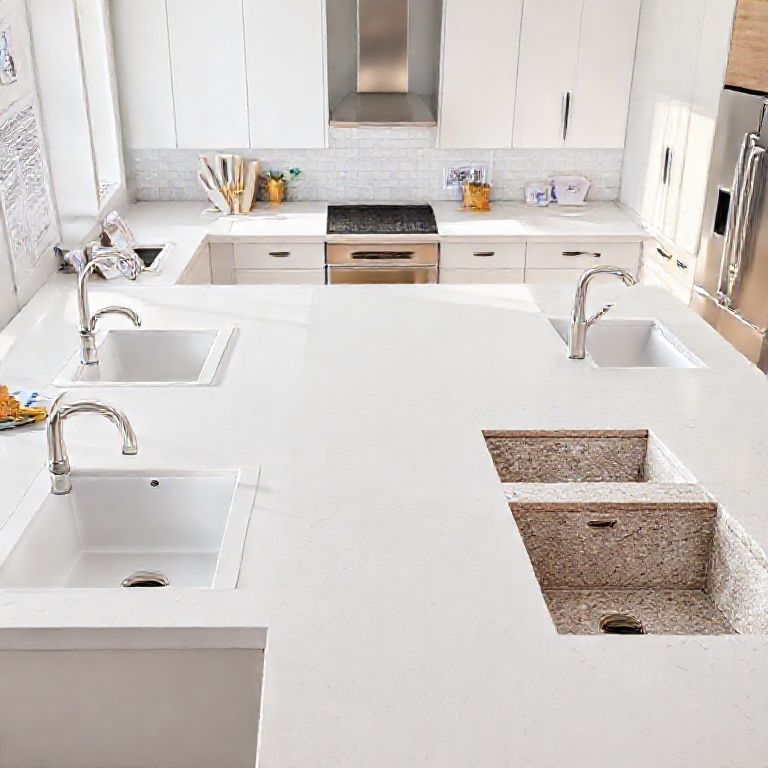
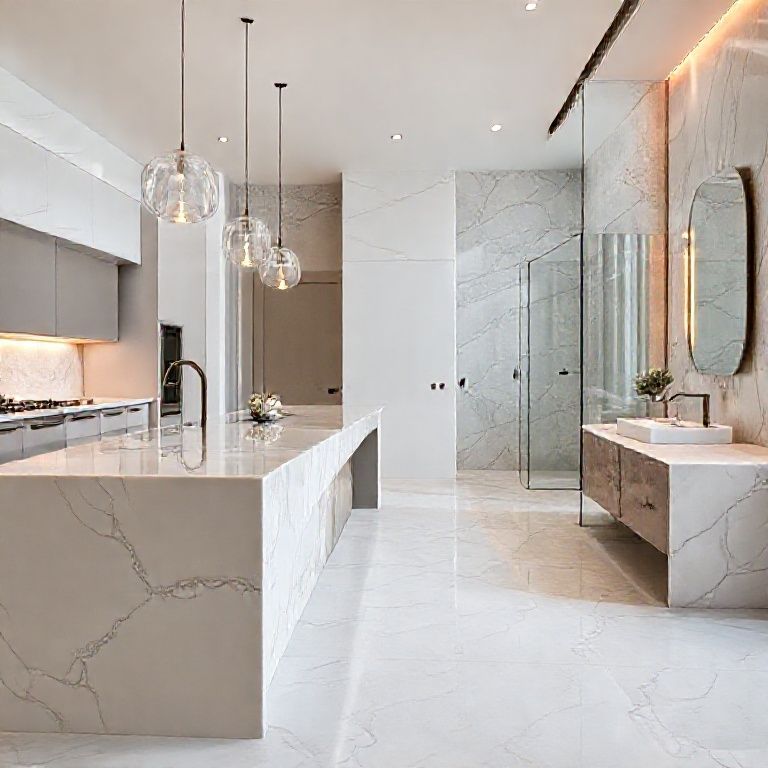
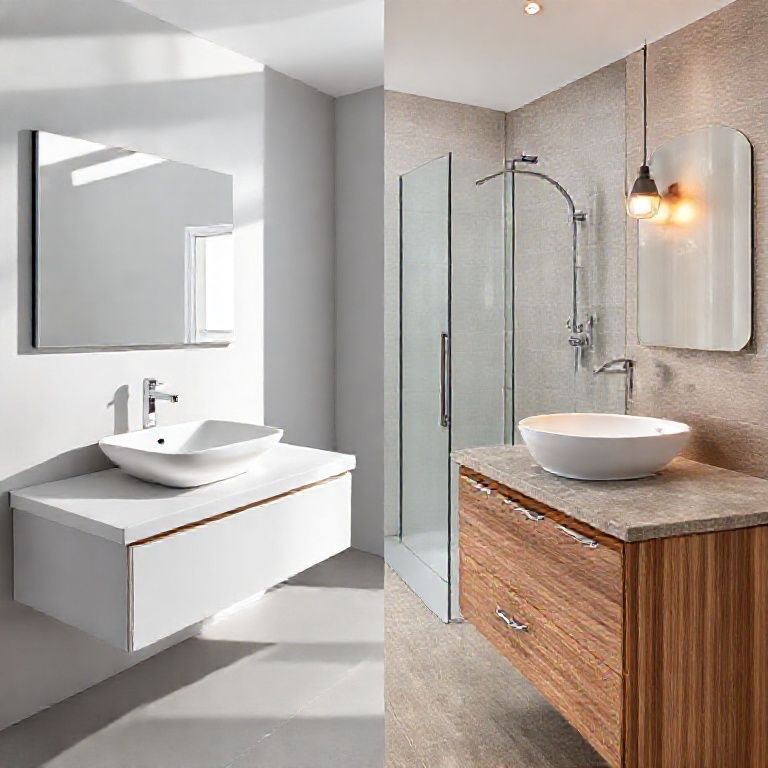
Residential Interiors: From kitchen countertops to bathroom vanities and backsplashes, engineered marble adds a touch of luxury to homes. Its consistent look and finish provide a cohesive design element that enhances the overall ambiance of a living space.
Outdoor Applications: Despite its water resistance, engineered marble can also be used in outdoor settings such as patios, pool decks, and garden sculptures. Its ability to withstand the elements makes it a durable and attractive choice for outdoor projects.
Furniture: Engineered marble is used in the creation of bespoke furniture pieces, including tables, benches, and bar stools. Its solid surface lends itself well to furniture design, offering a sleek, modern look.
Artistic Projects: For artists and designers, engineered marble provides a versatile medium for creative projects. Its ability to replicate natural marble patterns allows for innovative and unique artistic expressions.
The Future of Engineered Marble
As the design industry continues to evolve, engineered marble stands at the forefront of innovation, continually pushing the boundaries of what is possible in material science. Its blend of natural beauty and modern technology ensures that it will remain a popular choice for years to come.
The Evolution of Engineered Marble Technology
The journey of engineered marble has been marked by continuous advancements in manufacturing techniques and material composition. These innovations have led to significant improvements in the quality, durability, and versatility of the product.
Enhanced Polymer Technology: The development of advanced polymers has resulted in engineered marble with even greater strength and resistance to environmental factors. These improvements ensure that the material can withstand the rigors of everyday use while maintaining its aesthetic appeal.
Innovative Color and Pattern Creation: Modern technology allows for the creation of engineered marble with an unprecedented range of colors and patterns. Designers can now achieve intricate, lifelike designs that closely mimic natural marble, expanding the creative possibilities for architects and interior designers.
Sustainable Practices: As sustainability becomes a more critical concern, manufacturers are exploring eco-friendly options for engineered marble production. This includes the use of recycled materials and reduced energy consumption in the manufacturing process.
The Growing Popularity of Engineered Marble
Engineered marble’s popularity continues to grow as more people recognize its numerous benefits over traditional materials. Its appeal lies not only in its aesthetic and functional qualities but also in its affordability and sustainability.
Homeowners’ Preferences: Homeowners are increasingly opting for engineered marble for its cost-effectiveness, ease of maintenance, and ability to deliver a luxurious look. Its versatility allows for a wide range of design options, making it suitable for various home styles.
Commercial Demand: The commercial sector continues to embrace engineered marble for its durability and aesthetic versatility. Its suitability for high-traffic areas and wet environments makes it an ideal choice for commercial spaces where longevity and low maintenance are essential.
Global Market Expansion: Engineered marble is gaining traction in global markets, with manufacturers and distributors expanding their reach to new regions. This global expansion is driven by the material’s universal appeal and the increasing demand for sustainable, high-quality building materials.
The Future Applications and Innovations
Looking ahead, engineered marble is poised to play an even more significant role in the design and construction industry. Its versatility and innovation will likely lead to new and exciting applications:
Smart Materials: The integration of smart technology into engineered marble could open up new possibilities for interactive and responsive design elements. Imagine countertops that can change color based on touch or surfaces that can clean themselves.
Advanced Recycling: As the focus on sustainability intensifies, advancements in recycling engineered marble will likely emerge. This will enable the creation of a circular economy where materials can be reused and repurposed, minimizing waste and environmental impact.
Biodegradable Alternatives: Research into biodegradable polymers and natural binders may lead to the development of engineered marble that is both high-performing and environmentally friendly. This could provide a sustainable alternative to traditional materials without sacrificing quality.
Customized Design Solutions: With ongoing technological advancements, engineered marble will offer even more customized design solutions. This will allow for highly personalized projects that cater to the unique preferences and requirements of clients.
Conclusion
Engineered marble is more than just a modern substitute for natural stone; it is a testament to human ingenuity and the relentless pursuit of perfection in design. Its combination of aesthetic beauty, durability, and practical benefits makes it a material of choice for both residential and commercial projects. As technology continues to advance, the future of engineered marble looks promising, with endless possibilities for innovation and creativity. Whether you are a homeowner, designer, or industry professional, engineered marble offers a compelling solution that blends the timeless elegance of nature with the cutting-edge innovation of today’s technology.