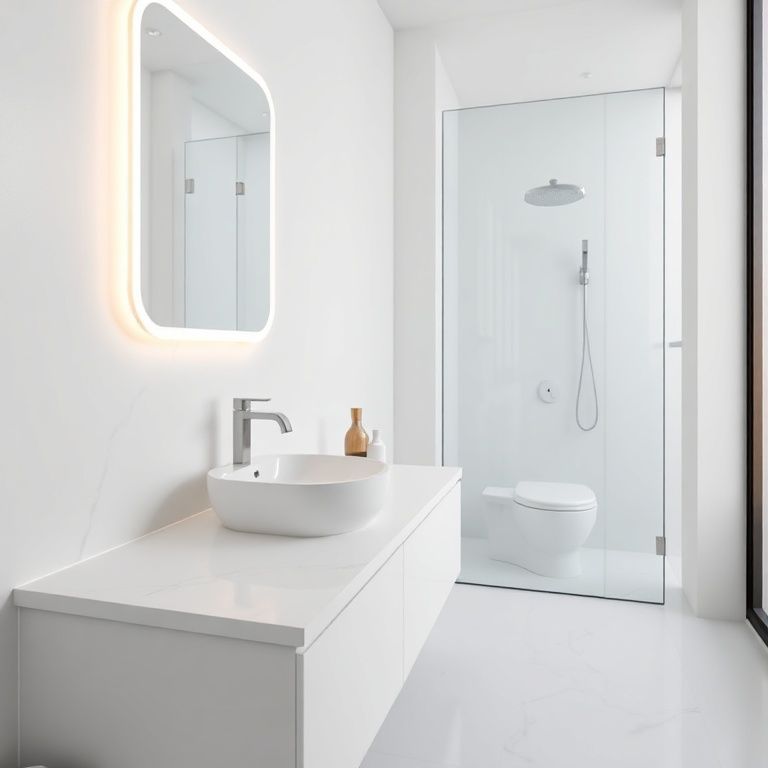
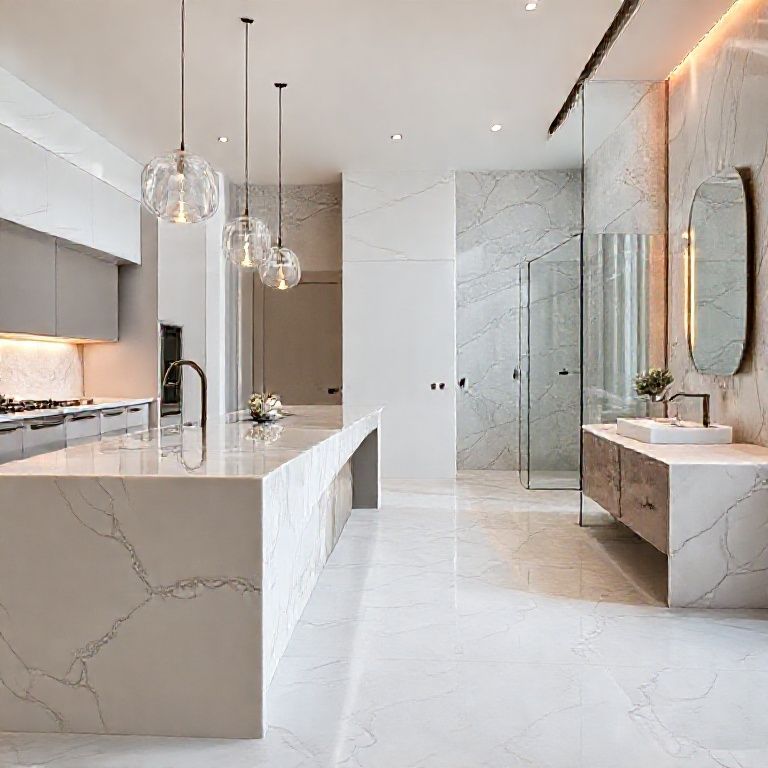
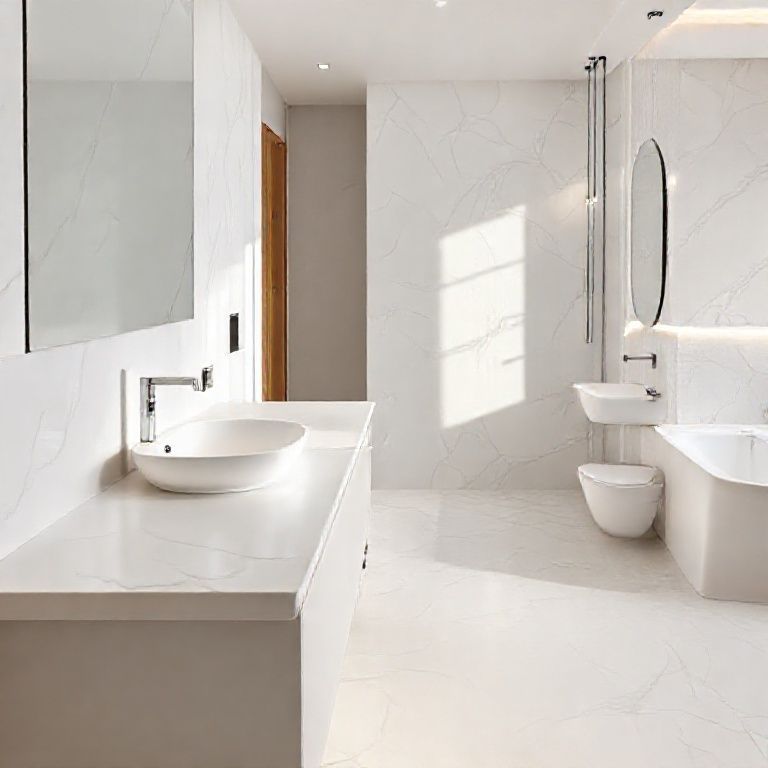
Unveiling the Timeless Beauty and Quality of General Marble
When it comes to luxury and elegance in interior design, marble stands unrivaled. This natural stone, cherished for its timeless beauty and versatility, has adorned palaces, churches, and homes for centuries. To truly appreciate the allure and cost of general marble, it’s essential to understand its unique characteristics and the factors that influence its pricing.

The Nature and Varieties of General Marble
General marble is a metamorphic rock formed from the transformation of limestone due to the pressure and heat of the Earth’s crust. This process enhances its beauty by creating intricate patterns and a variety of colors. The most renowned marbles come from Italy, Greece, India, and Turkey, each with distinct characteristics.
Italian Marble: Often considered the gold standard, Italian marble is renowned for its fine grain and rich color palette. Marbles like Carrara, Botticino, and Statuario offer a luxurious appeal that is hard to match.
Greek Marble: Greek marbles, such as Penteli and Pentelic, are prized for their pure white color and fine texture. These marbles have been used in some of the most iconic structures in history, including the Parthenon.
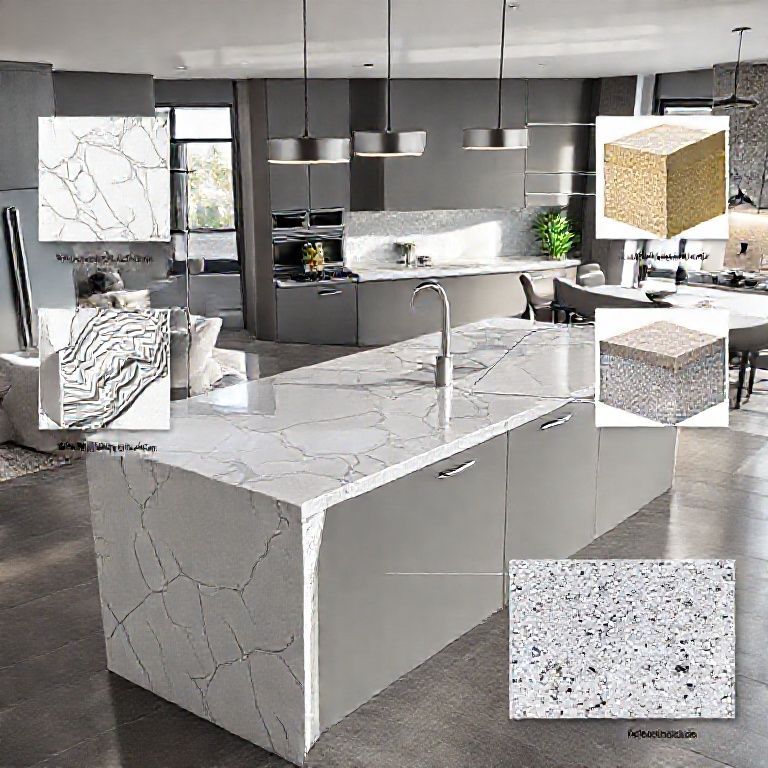
Indian Marble: Indian marble is celebrated for its unique hues and patterns. Marbles like Black Swan, Imperial Green, and Red Marble are popular for their striking appearance and durability.
Turkish Marble: Turkish marbles, including Diba and Zeliha, are known for their striking color variations and fine grain. These marbles are a favorite for contemporary design due to their modern aesthetic.
The Elegance and Versatility of Marble
Marble’s appeal lies not just in its aesthetic qualities but also in its versatility. It can be used in a myriad of applications, from flooring and countertops to sculptures and wall cladding. Its natural beauty can be enhanced through polishing, sealing, and even coloring, allowing designers to tailor the stone to their specific vision.
Factors Influencing Marble Pricing
The cost of general marble is influenced by several key factors:
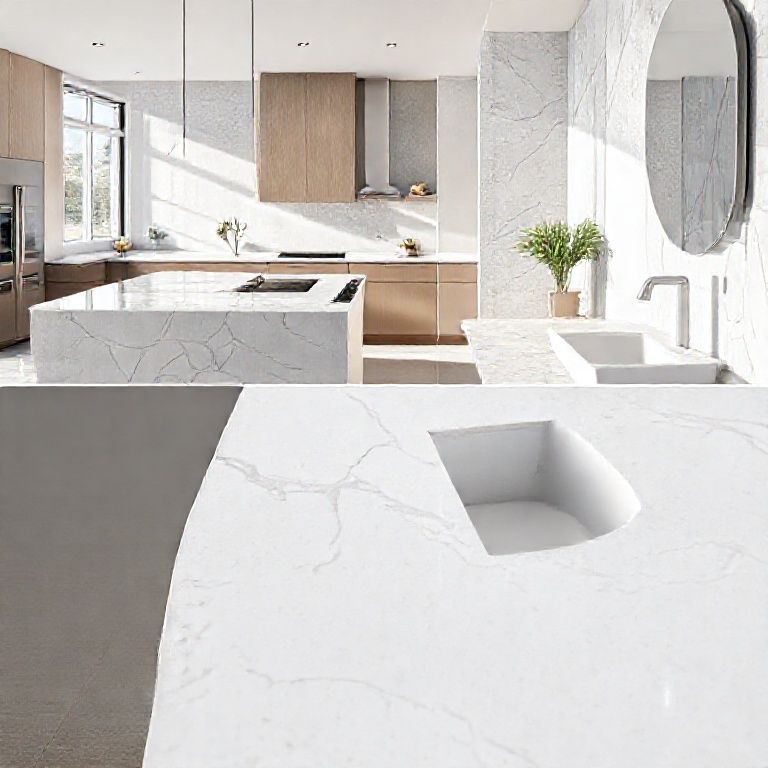
Quality: The quality of marble is primarily determined by its grain, color uniformity, and lack of imperfections. Higher quality marble, with fewer veins and a more consistent color, commands a higher price.
Type and Origin: As mentioned, marble from different regions carries different price tags. Italian marble, for instance, often costs more due to its historical reputation and the fine craftsmanship required in its extraction and processing.
Processing and Finishing: Marble requires specific techniques to achieve its polished and flawless surface. The complexity and skill involved in this process add to the cost. Additionally, treatments like sealing can increase the price, as they enhance the durability and appearance of the stone.
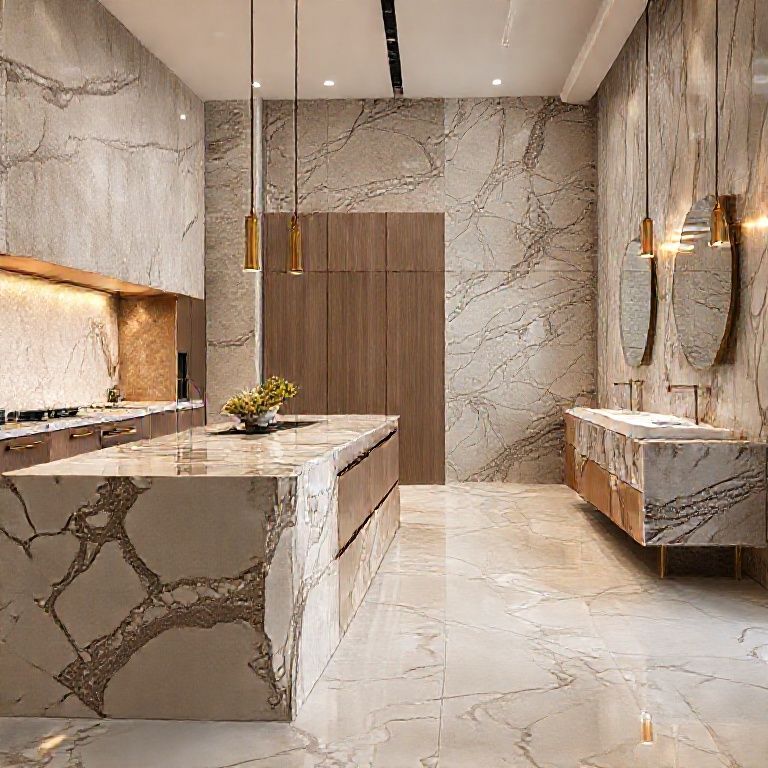
Demand and Supply: The market demand for marble also plays a crucial role in its pricing. As high-end interior design continues to thrive, the demand for premium marbles remains strong, often driving up prices.
The Cost Spectrum of General Marble
Understanding the cost spectrum of general marble can be complex due to its wide price range. Here’s a broad overview:
Entry-Level Marble: Basic grades of marble, often sourced from regions like China or Eastern Europe, can range from $20 to $50 per square foot. These marbles are suitable for less prominent areas in a home or business.
Mid-Range Marble: Mid-range marbles, sourced from established countries like India and Turkey, typically fall between $50 and $150 per square foot. These marbles offer good quality and are versatile for various design applications.
Premium Marble: High-end marbles from Italy and Greece can cost anywhere from $150 to $500 per square foot or more. These marbles are chosen for their superior quality, intricate patterns, and the prestige they bring to a space.
Marble in Modern Design
In contemporary design, marble continues to be a favorite for its timeless elegance and adaptability. Architects and interior designers leverage marble’s unique properties to create spaces that are both functional and aesthetically stunning. Here are a few ways marble is used in modern design:
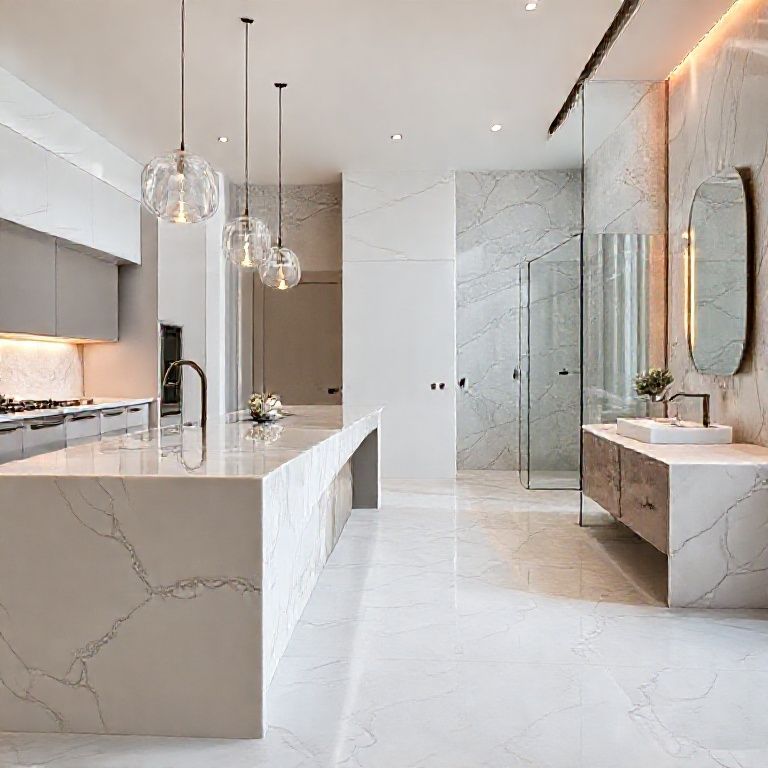
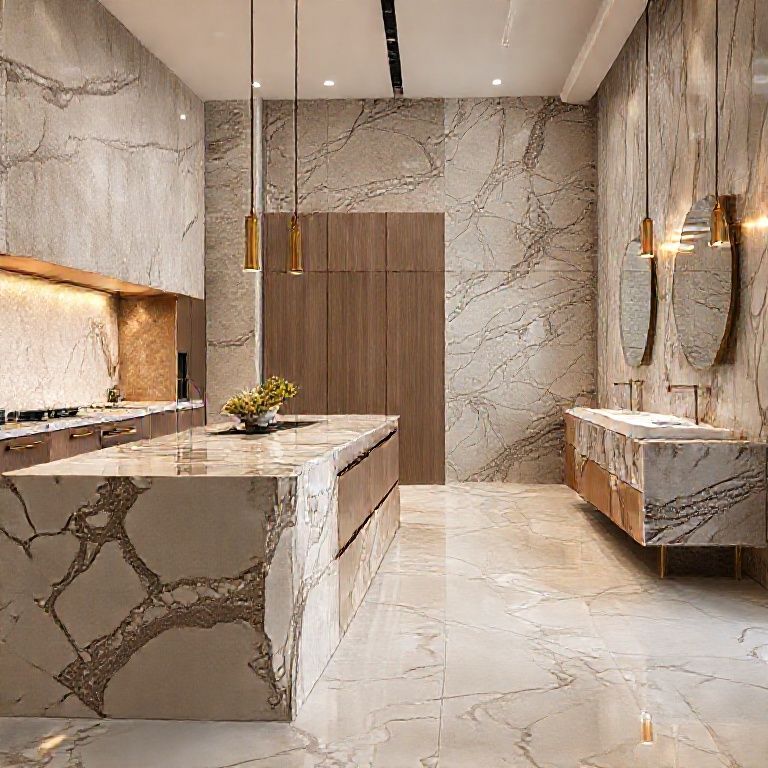
Flooring: Marble is a popular choice for flooring due to its durability and aesthetic appeal. Its ability to be polished to a high sheen makes it an excellent choice for high-traffic areas, providing both style and longevity.
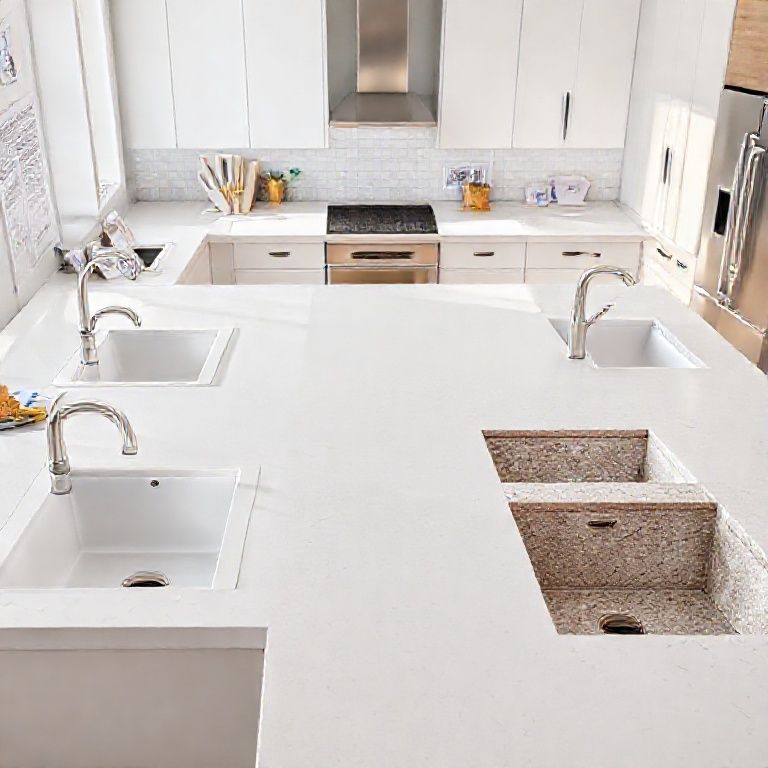
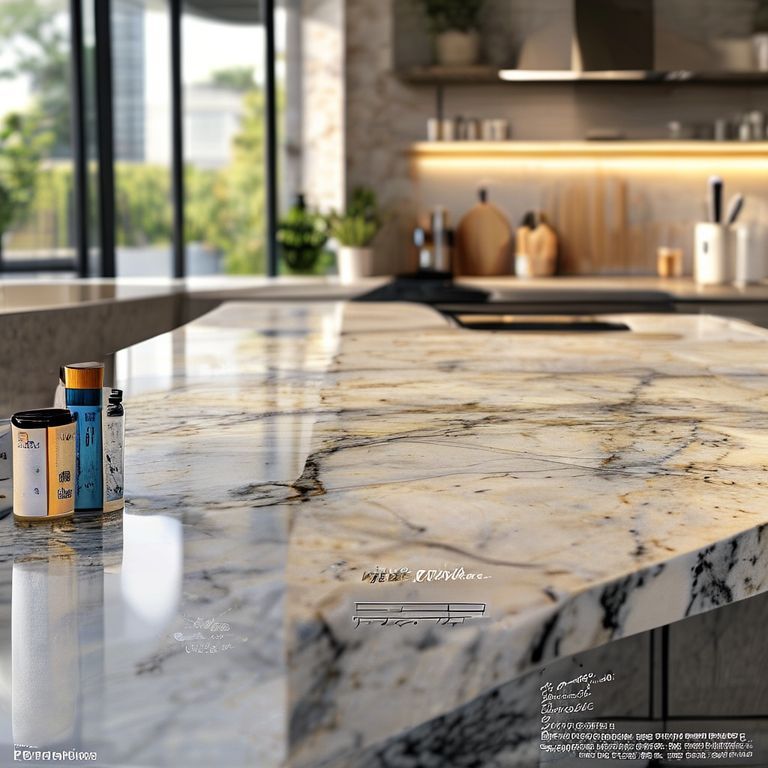
Countertops: In kitchens and bathrooms, marble countertops are revered for their beauty and ease of maintenance. While they require regular sealing to prevent staining, their natural beauty and durability make them a worthwhile investment.
Wall Cladding: Marble’s versatility extends to wall cladding, where it can add a touch of luxury and sophistication to any space. Whether used in full walls or accent walls, marble brings a sense of elegance and grandeur.
Sculptures and Artwork: Beyond architectural applications, marble is also used for sculptures and artwork. Its fine grain and ability to be finely carved make it ideal for intricate designs and detailed sculptures.
Conclusion
General marble’s allure lies in its timeless beauty, versatility, and the prestige it brings to any space. From its various types and origins to the factors influencing its cost, marble continues to be a preferred choice in high-end interior design. Understanding the nuances of marble pricing helps designers and homeowners make informed decisions, ensuring that they invest in a material that not only enhances their space but also stands the test of time.
Stay tuned for the next part of our exploration into the cost and value of general marble, where we will delve deeper into the market trends, maintenance, and the future of this exquisite material.
Market Trends, Maintenance, and the Future of General Marble
As we continue our deep dive into the world of general marble, it’s essential to explore the market trends, maintenance considerations, and what the future holds for this timeless material. Understanding these aspects will provide a comprehensive view of why general marble remains a coveted choice in the luxury interior design market.
Market Trends in Marble
Sustainability and Ethical Sourcing
In recent years, there has been a growing emphasis on sustainability and ethical sourcing in the marble industry. Consumers and designers alike are increasingly aware of the environmental impact of their choices. Marble producers are responding by adopting more sustainable practices, such as reducing waste during quarrying, using renewable energy sources, and ensuring fair labor practices.
Innovative Marble Treatments
Advancements in technology have led to innovative treatments that enhance marble’s durability and appearance without compromising its natural beauty. For example, nano-sealants can provide a protective layer that prevents staining and water damage while maintaining the stone’s natural look. These treatments are becoming more prevalent as they offer a blend of longevity and aesthetics.
Customization and Design Flexibility
The demand for bespoke and customized solutions has led to a rise in the use of marble in unique and unconventional ways. Designers are increasingly using marble to create custom furniture, sculptures, and architectural features that cater to specific design visions. This trend underscores marble’s versatility and its ability to adapt to modern design needs.
Understanding Marble Maintenance
While marble is renowned for its beauty and durability, it does require specific care to maintain its luster and longevity. Here are some key considerations for marble maintenance:
Sealing
Regular sealing is crucial to protect marble from stains and water damage. The frequency of sealing depends on the type of marble and its use. High-traffic areas like kitchens and bathrooms may require sealing every six months to a year. It’s important to use high-quality sealers that are compatible with the marble’s surface to ensure the best results.
Cleaning
Marble should be cleaned with a pH-neutral cleaner to avoid damage from acidic or alkaline substances. A soft cloth and gentle cleaning routine will help maintain the marble’s surface without scratching or dulling it. Avoid using harsh chemicals or abrasive cleaners that can strip the marble of its natural oils.
Repairs
In the event of scratches or chips, professional marble restoration services can repair minor damages. For more extensive damage, such as deep scratches or cracks, it may be necessary to replace sections of the marble. Professional restoration ensures that the repairs blend seamlessly with the surrounding marble.
The Future of General Marble
Technological Advancements
As technology continues to evolve, so does the marble industry. Innovations in quarrying, processing, and finishing techniques are making marble more accessible and sustainable. Advances in artificial intelligence and machine learning are also being used to optimize the production process, reduce waste, and improve the overall quality of the marble.
Sustainability Initiatives
The future of marble lies in its ability to be sourced and processed sustainably. Marble producers are increasingly focusing on reducing their environmental footprint through initiatives such as recycling waste materials, using renewable energy sources, and implementing eco-friendly quarrying practices. These efforts not only benefit the environment but also appeal to consumers who prioritize sustainability.
Global Expansion
The global market for marble continues to expand as more regions recognize its value. Emerging markets in Asia, Africa, and South America are becoming important sources of marble, contributing to its global availability and affordability. This global expansion is expected to drive further innovation and competition in the industry, ultimately benefiting consumers with more diverse选择和更多高品质的选项。
Cultural and Aesthetic Influence
Marble’s enduring popularity can also be attributed to its deep cultural and aesthetic influence. Throughout history, marble has been associated with grandeur, luxury, and timeless beauty. Its use in famous architectural landmarks, such as the Taj Mahal, St. Peter’s Basilica, and the Parthenon, underscores its significance in human civilization.
In modern times, marble continues to be a symbol of sophistication and elegance. Its timeless appeal ensures that it remains a favorite among high-end designers, architects, and homeowners who seek to create spaces that exude luxury and refinement.
Investment and Resale Value
For those considering marble as an investment, its resale value is generally strong. High-quality marble, particularly from renowned sources like Italy, Greece, and Turkey, retains its value well over time. This is due to its durability, aesthetic appeal, and the fact that it is a non-renewable resource. As demand for premium marble continues to grow, its resale value is likely to remain robust.
Conclusion
General marble’s timeless beauty, versatility, and prestige make it a standout choice in the world of luxury interior design. From its diverse types and origins to the factors influencing its cost, marble continues to captivate designers and consumers alike. Understanding the market trends, maintenance considerations, and the future of marble provides a comprehensive view of why this exquisite material remains a prized asset.
As we look ahead, the continued advancements in sustainability, technology, and global market dynamics will shape the future of marble. Whether for flooring, countertops, wall cladding, or bespoke design pieces, marble’s enduring appeal ensures that it will remain a cherished material for generations to come.
In conclusion, general marble is not just a material; it is a testament to human artistry, cultural heritage, and the relentless pursuit of beauty. Its presence in our lives continues to inspire and elevate, making it an indispensable element in the world of high-end interior design.